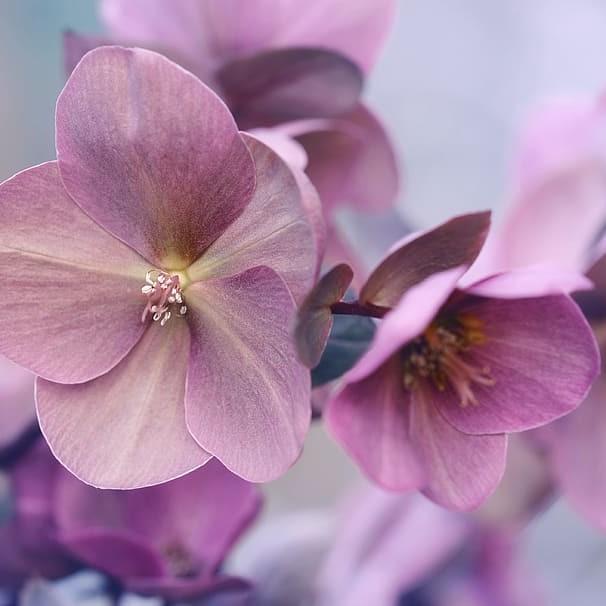
Hellebore
Helleborus spp.
Overview
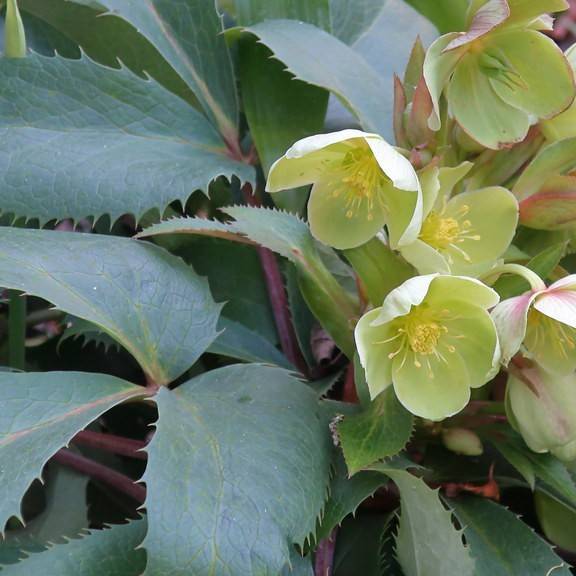
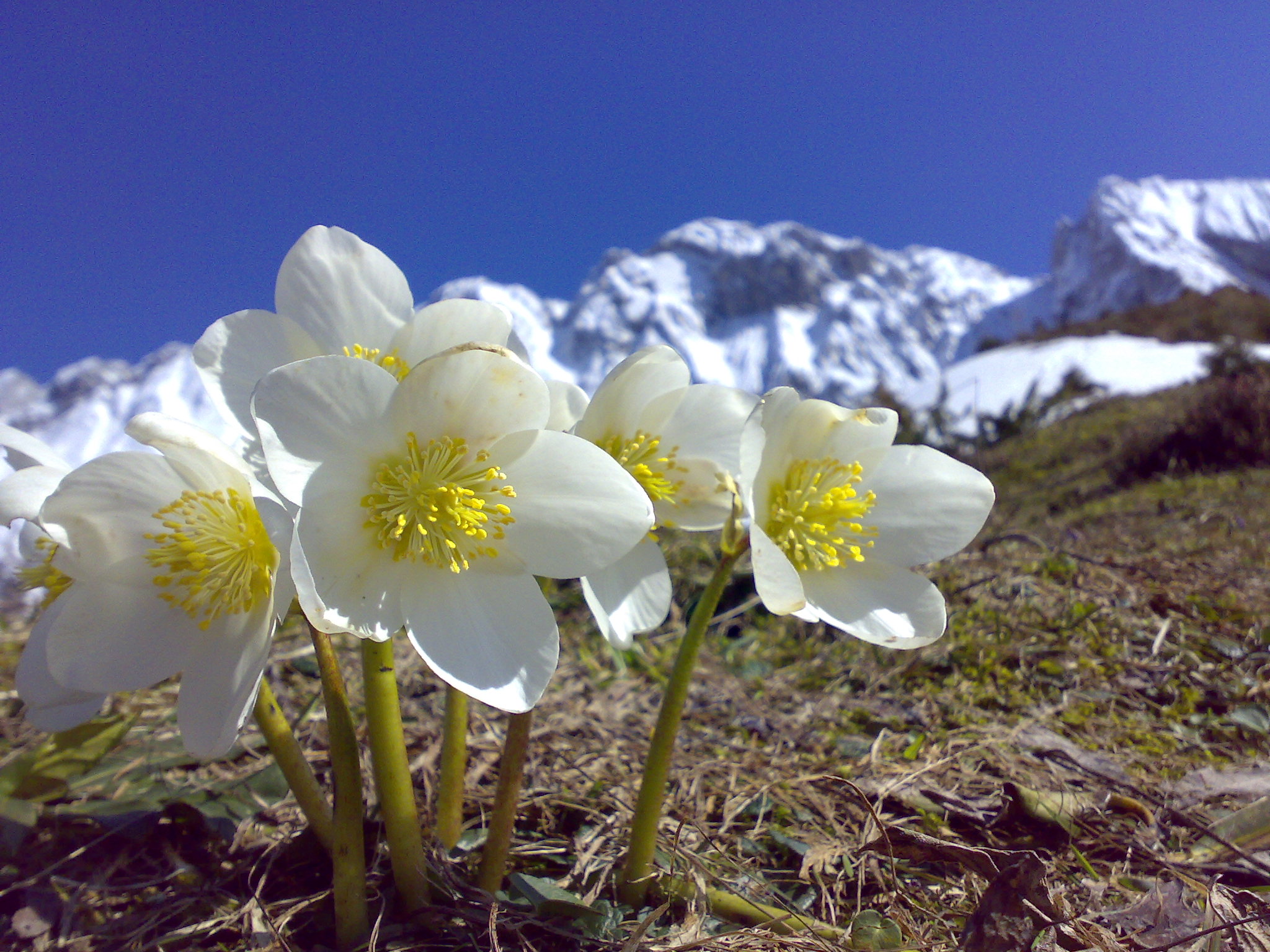
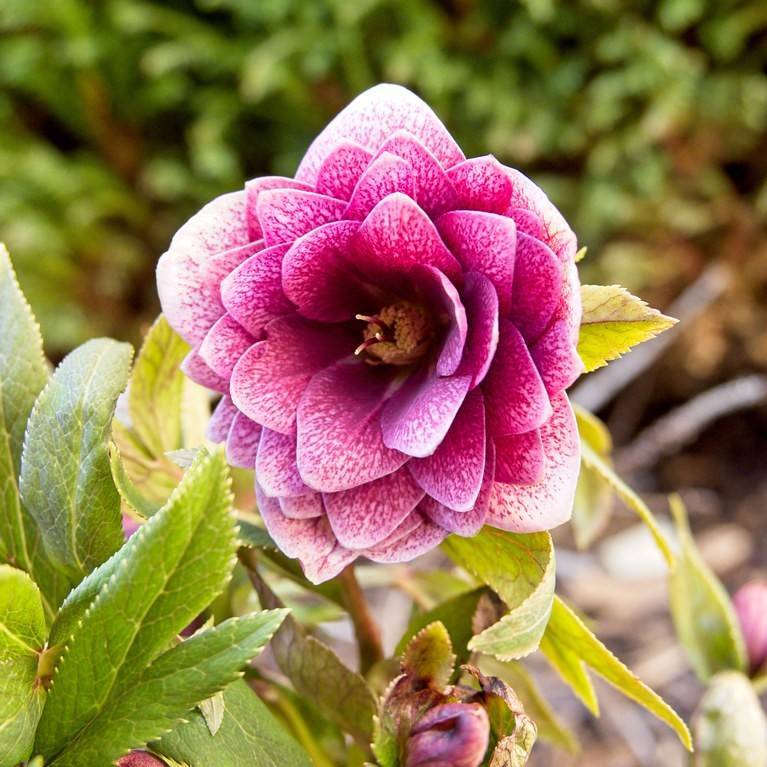
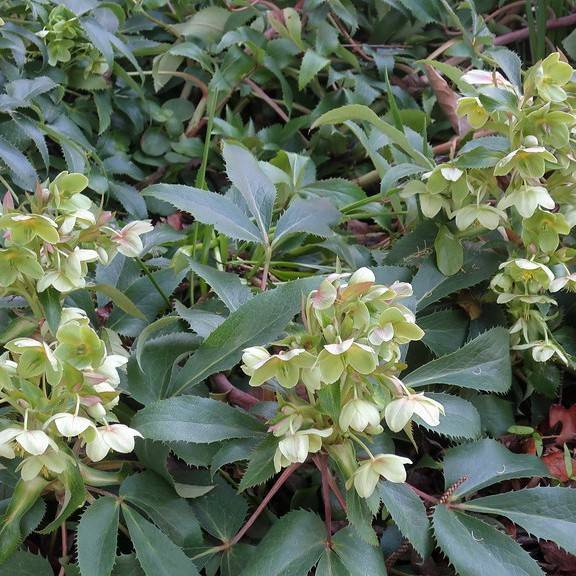
Hellebores, often called Lenten roses or Christmas roses, are beloved for their ability to bloom when few other plants are active, pushing through snow in cooler climates to display flowers in shades of white, pink, purple, green, or near-black. Their leathery, evergreen foliage remains attractive year-round, making them excellent ground cover for shaded borders. Most cultivated varieties are clump-forming, spreading slowly over time to form dense, low-maintenance patches in suitable growing conditions.
Care Guide
Watering
Hellebores prefer consistently moist, well-drained soil; water deeply when the top 1 to 2 inches of soil feel dry, avoiding overwatering that can lead to root rot. Once established, they are moderately drought tolerant, requiring only occasional supplemental watering during extended dry spells. Reduce watering frequency in winter when growth slows and the plant is semi-dormant.
Light
Hellebores thrive in partial to full shade, making them ideal for planting under deciduous trees where they receive filtered light in early spring before tree leaves emerge. Avoid prolonged exposure to intense, direct midday sun, which can scorch their foliage and cause flowers to fade prematurely. They can tolerate dappled light throughout the growing season for optimal flowering and foliage health.
Soil
These plants grow best in rich, fertile, loamy soil with a neutral to slightly alkaline pH, though they can adapt to slightly acidic conditions as well. Soil must be well-drained, as hellebores are highly susceptible to root rot in waterlogged, heavy clay soils. Amend poor soil with well-rotted compost or leaf mold before planting to improve structure, nutrient content, and drainage.
Fertilizer
Feed hellebores in early spring, just as new growth begins to emerge, with a balanced, slow-release granular fertilizer or a generous top dressing of well-rotted manure or compost. Avoid over-fertilizing, as this can lead to lush, weak foliage that is more prone to disease and reduces flowering. Additional fertilization is generally not needed for established plants grown in nutrient-rich soil.
Temperature
Hellebores are cold hardy in USDA zones 4 through 9, tolerating winter temperatures as low as -30°F (-34°C) and surviving light snow and frost without damage. They prefer cool growing conditions, and excessive summer heat above 85°F (29°C) can cause stress, leading to wilting or temporary dormancy. Mulch around the base of the plant in winter to insulate roots and in summer to keep soil cool and retain moisture.
Pruning
Prune away old, tattered evergreen foliage in late winter or early spring, just before new flower stalks emerge, to improve air circulation and showcase the blooms. Remove spent flower stalks after blooming finishes if you do not want the plant to self-seed, cutting them back to the base of the foliage clump. Trim any damaged or diseased leaves throughout the growing season as needed to keep the plant looking neat.
Propagation
Hellebores are most commonly propagated by division in early fall, carefully digging up established clumps and separating them into smaller sections with at least 2 to 3 growth buds each, replanting immediately at the same depth they were growing. They can also be grown from fresh seed sown directly outdoors in late summer or early fall, though seed-grown plants may take 2 to 3 years to bloom and will not come true to the parent plant. Take care to avoid damaging the thick, fleshy roots during division, as they are slow to recover from injury.
Humidity
Hellebores adapt well to average ambient humidity levels, requiring no special humidity adjustments when grown outdoors in their preferred hardiness zones. They tolerate moderate humidity fluctuations, though prolonged high humidity combined with poor air circulation can increase the risk of fungal leaf diseases. Avoid watering from above to keep foliage dry and reduce humidity-related disease pressure around the plant.
Repotting
Hellebores grown in containers should be repotted every 2 to 3 years in early fall, moving them to a pot one size larger with fresh, well-drained potting mix amended with compost. Ensure the container has adequate drainage holes to prevent waterlogging, and plant at the same depth as the previous pot to avoid crown rot. Established garden plants do not require regular repotting or transplanting, as they resent root disturbance and thrive best when left undisturbed in the same location for many years.
Uses & Symbolism
Hellebores are highly valued as ornamental plants for shaded perennial borders, woodland gardens, and underplanting beneath deciduous trees, where their early blooms provide much-needed color in late winter and early spring. Their long-lasting, drought-tolerant flowers are popular in cut flower arrangements, though their stems should be seared at the base after cutting to extend vase life. Historically, hellebores have been used in traditional medicine for a range of ailments, though their toxicity makes modern medicinal use extremely rare and unsafe.
Diseases & Pests
Hellebores are relatively pest and disease resistant, but they can be affected by fungal issues such as leaf spot, powdery mildew, and downy mildew, especially in wet, poorly ventilated conditions. Common pests include aphids, slugs, and snails, which feed on young foliage and flower buds, particularly during cool, damp spring weather. Hellebore black death, a viral disease spread by aphids, causes black streaking on foliage and stunted growth, requiring removal and disposal of infected plants to prevent spread.
Related plants
Other plants you might like if you grow Hellebore.