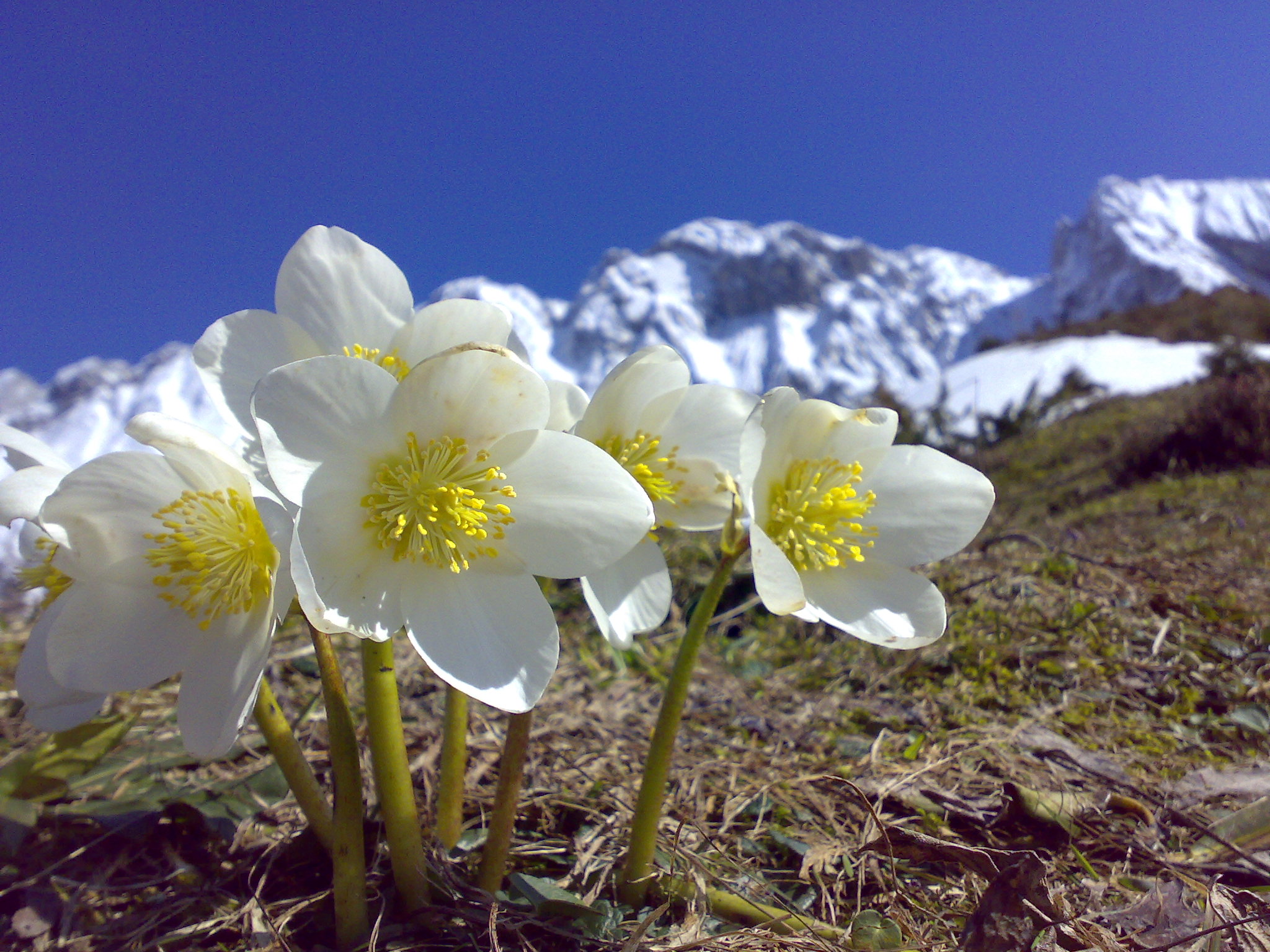
Black Hellebore
Helleborus niger
Overview
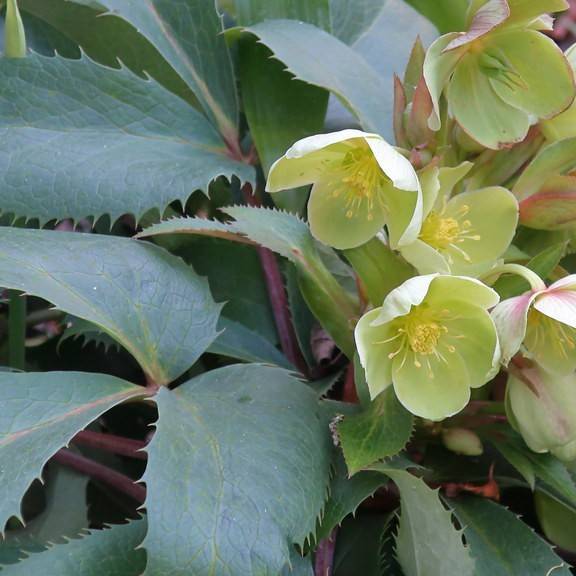
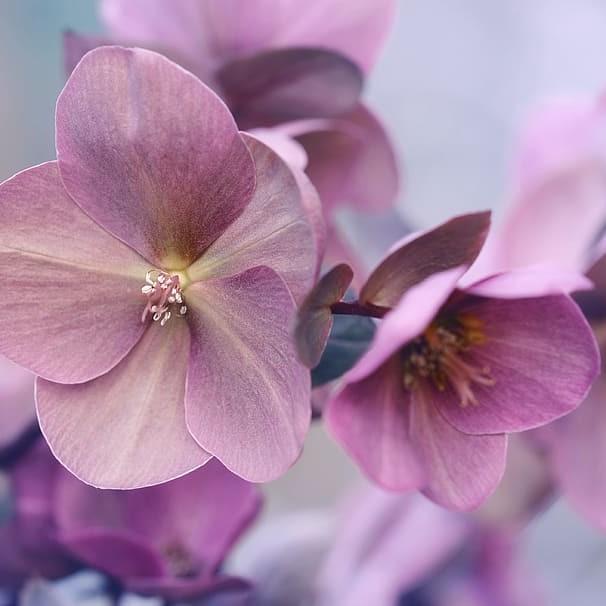
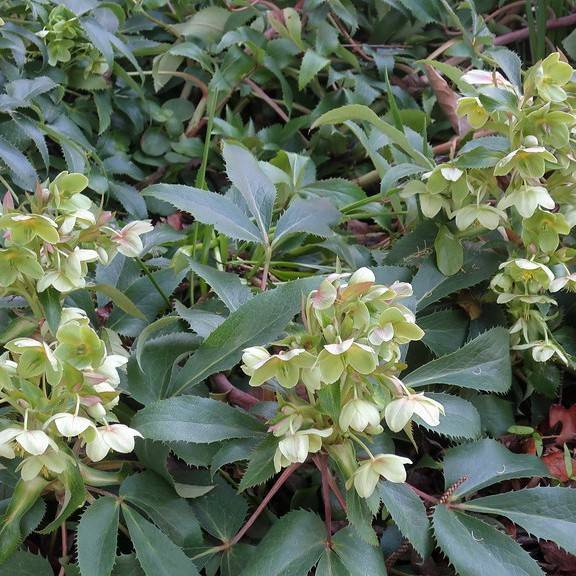
Black hellebore, also called Christmas rose, is a low-growing evergreen perennial named for its dark, blackish rootstock and tendency to bloom as early as December in mild climates. Its nodding, waxy flowers emerge white, often fading to soft pink as they age, and rise above glossy, leathery, deep green leaves that remain attractive year-round. It is a long-lived garden staple in temperate regions, with individual plants thriving for decades when planted in suitable conditions.
Care Guide
Watering
Black hellebore prefers consistently moist, well-drained soil; water deeply when the top 1-2 inches of soil feel dry, avoiding overwatering that can lead to root rot. During winter, reduce watering frequency, especially in areas with heavy rainfall, to prevent saturated soil around the root zone. Established plants have moderate drought tolerance, but perform best with regular moisture during active growth periods.
Light
It thrives in partial to full shade, making it ideal for planting under deciduous trees where it receives dappled sunlight in winter and shaded protection in summer. Avoid direct midday sun, which can scorch its evergreen foliage and cause leaf discoloration. In cooler northern climates, it can tolerate limited morning sun to encourage more prolific flowering.
Soil
Black hellebore requires rich, humus-heavy, well-drained soil with a neutral to slightly alkaline pH; amend heavy clay or sandy soils with compost or well-rotted manure before planting to improve structure and nutrient content. It will not tolerate waterlogged soil, so raised beds or sloped sites are recommended for areas with poor drainage. Adding a layer of leaf mold as mulch annually will help maintain ideal soil conditions and suppress weeds.
Fertilizer
Fertilize once in early spring, just as new growth emerges, using a balanced, slow-release granular fertilizer or a top dressing of well-rotted compost to support flowering and foliage growth. Avoid over-fertilizing, which can lead to lush, weak foliage that is more susceptible to pest damage and reduces flowering. Additional fertilization is not required for established plants grown in nutrient-rich, organically amended soil.
Temperature
It is cold hardy in USDA zones 3 through 8, tolerating winter temperatures as low as -30°F (-34°C) and even blooming through light snow cover in milder winter regions. It prefers cool summer temperatures below 75°F (24°C), and may struggle in areas with prolonged, hot, humid summers, where extra shade and moisture are needed to prevent stress. Winter mulch is recommended in the coldest parts of its range to protect root systems from freeze-thaw cycles.
Pruning
Prune away damaged, brown, or tattered evergreen leaves in late winter or early spring, just before new flower spikes and foliage emerge, to improve air circulation and showcase the blooms. Deadhead spent flowers after blooming if you do not want the plant to self-seed, or leave seed heads in place to allow natural spreading in the garden. Avoid cutting back healthy green foliage, as the leaves provide year-round interest and energy for the plant’s root system.
Propagation
Black hellebore is most commonly propagated by seed, sown fresh as soon as it ripens in late spring or early summer, as dried seeds have very low germination rates; seedlings may take 2-3 years to reach flowering size. It can also be propagated by division in early fall, carefully digging up mature clumps and separating them into smaller sections with at least 2-3 growing points per division, taking care not to damage the deep taproot. Division is less common than seed propagation, as the plant dislikes root disturbance and may take a year or more to re-establish after being moved.
Humidity
It prefers moderate humidity levels between 40-60%, typical of its native mountain forest habitats, and does not tolerate extremely dry air for prolonged periods. In areas with low humidity, mulching around the base of the plant will help retain soil moisture and raise localized humidity around the foliage. Ensure good air circulation around plants in high-humidity regions to reduce the risk of fungal leaf spot diseases.
Repotting
When grown in containers, repot black hellebore every 2-3 years in early fall, using a slightly larger pot with drainage holes and a rich, well-draining potting mix amended with compost. Avoid repotting during active flowering periods, as this can cause bud drop and stress the plant. Container-grown plants may require more frequent watering and fertilization than those planted in the ground, as nutrients leach out of potting mix more quickly.
Uses & Symbolism
Black hellebore is a popular ornamental plant for shade gardens, woodland borders, and winter interest gardens, valued for its early, long-lasting blooms when few other plants are flowering. It is often grown in containers for holiday displays, as its winter blooming period aligns with the Christmas season in many temperate regions. Historically, it was used in traditional herbal medicine, though its high toxicity means it is no longer used for medicinal purposes today.
Diseases & Pests
The most common diseases affecting black hellebore are fungal leaf spot, downy mildew, and botrytis blight, all of which thrive in cool, wet, poorly ventilated conditions, causing brown or black spots on foliage and stem rot in severe cases. Common pests include aphids, slugs, and snails, which feed on new growth and tender flower buds, especially in cool, moist spring conditions. Hellebore black death, a viral disease spread by aphids, causes stunted growth, black streaking on stems and leaves, and flower distortion, and requires removal and destruction of infected plants to prevent spread.
Related plants
Other plants you might like if you grow Black Hellebore.