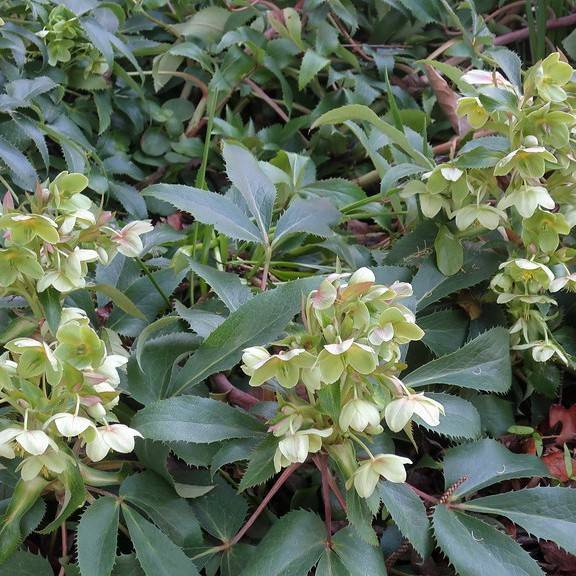
Christmas Rose
Helleborus niger
Overview
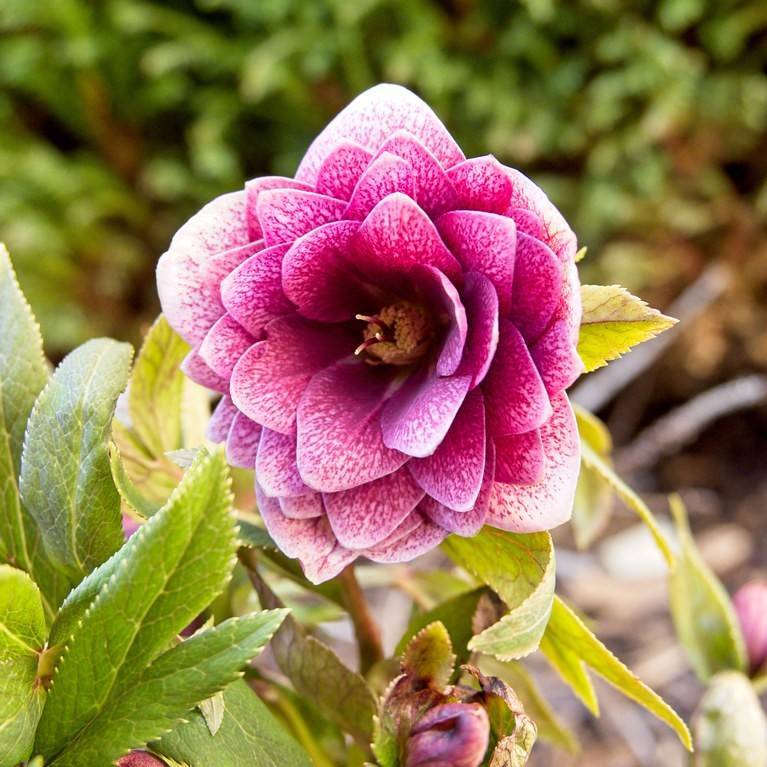
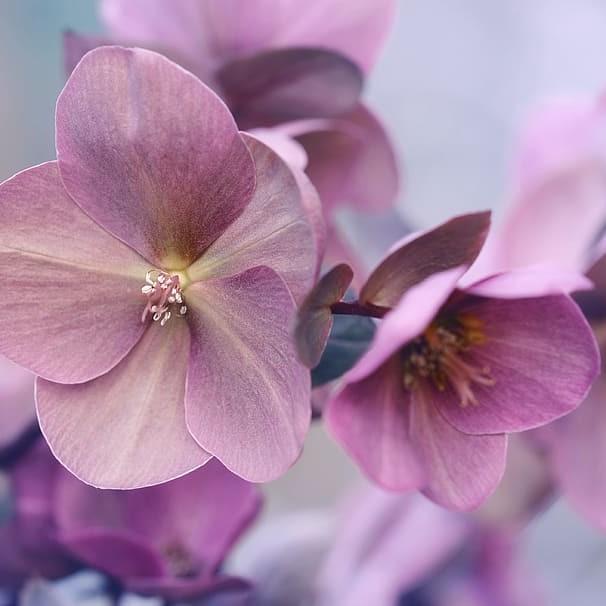
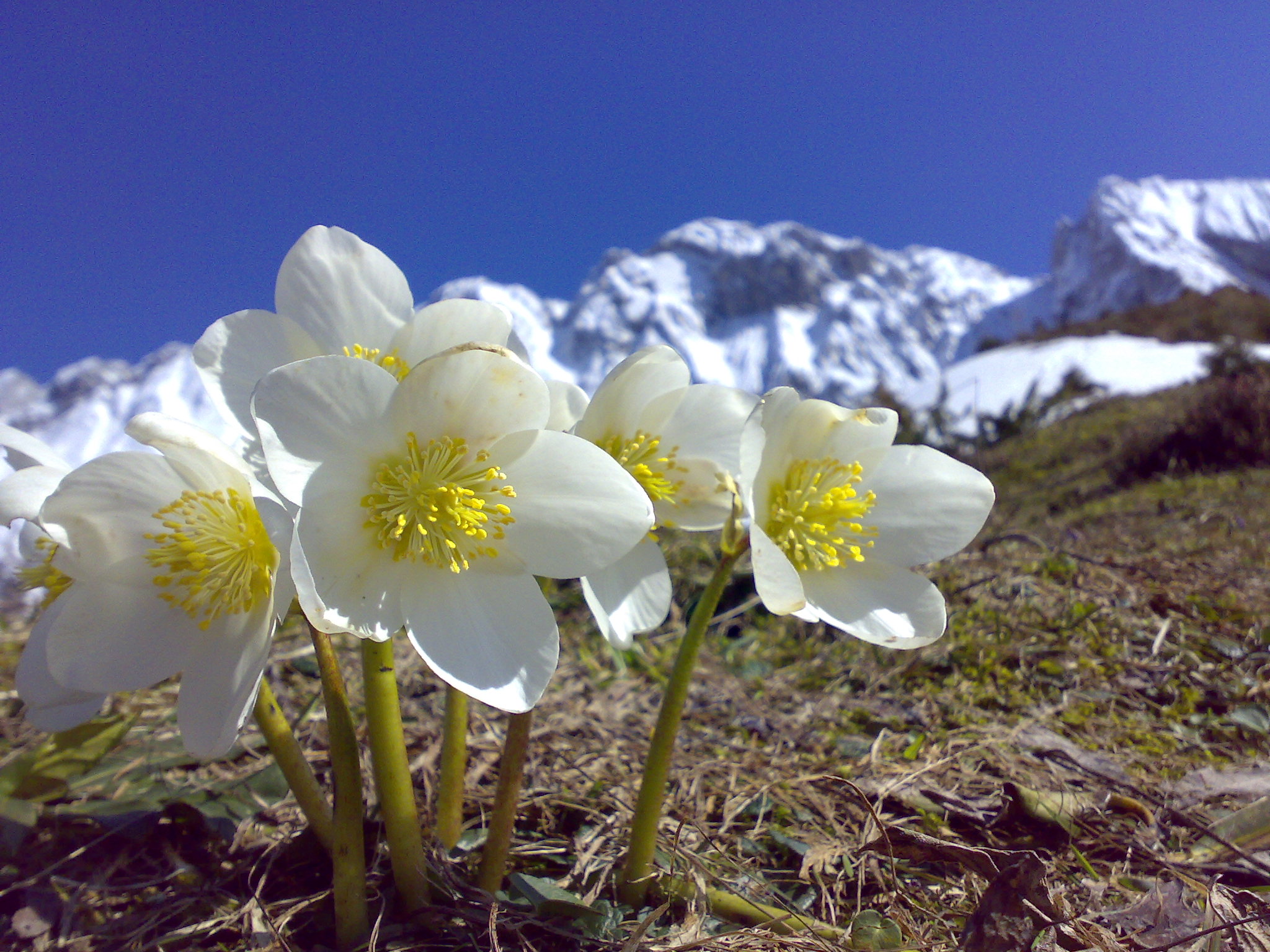
Christmas rose is a low-growing, clump-forming evergreen perennial prized for its early, frost-resistant blooms that emerge when few other plants are in flower. Its leathery, dark green foliage persists year-round, providing ground cover even in dormant seasons, while its cup-shaped flowers mature from pure white to soft pink as they age. Native to alpine woodlands, it thrives in cool, partially shaded environments, making it a popular choice for winter interest gardens and shaded borders.
Care Guide
Watering
Water Christmas rose regularly to keep soil consistently moist but not waterlogged, especially during active growth and dry periods; reduce watering slightly in winter when growth slows. Avoid overhead watering to prevent fungal leaf spot, directing water to the base of the plant instead. Ensure proper drainage to prevent root rot, which can occur in saturated soil.
Light
Grow Christmas rose in partial to full shade, ideally under deciduous trees where it receives dappled sunlight in winter and shaded protection from intense summer sun. It can tolerate brief periods of direct morning sun, but harsh midday or afternoon sun will scorch its foliage and reduce blooming. Too much deep shade may result in fewer flowers, so balance light exposure for optimal performance.
Soil
Plant Christmas rose in rich, well-drained, humus-heavy soil with a neutral to slightly alkaline pH; amend heavy clay soils with compost or leaf mold to improve drainage. It prefers soil that retains moisture without becoming soggy, so incorporate organic matter at planting time to boost nutrient content and water retention. Avoid acidic soils, which can stunt growth and cause yellowing foliage.
Fertilizer
Fertilize in early spring just as new growth emerges with a balanced, slow-release granular fertilizer or a top dressing of well-rotted compost to support blooming and foliage growth. Avoid over-fertilizing, which can lead to lush but weak foliage prone to pest damage. A second light application of organic mulch or compost in fall will help insulate roots and add nutrients for the next growing season.
Temperature
Christmas rose is cold-hardy in USDA zones 3 to 8, tolerating temperatures as low as -30°F (-34°C) and even blooming through light snow cover in late winter. It prefers cool temperatures between 50-65°F (10-18°C) during active growth and struggles in extended heat above 80°F (27°C), which can cause foliage to wilt and go dormant early. In warmer regions, provide extra shade and mulch around the root zone to keep soil cool.
Pruning
Prune away any damaged, yellowed, or tattered old foliage in late winter before new flower buds emerge to improve air circulation and showcase blooms. Deadhead spent flowers after blooming to encourage tidy growth, though you can leave seed heads in place for ornamental interest if desired. Avoid cutting back healthy green foliage, as the evergreen leaves photosynthesize year-round to support the plant’s energy stores.
Propagation
Christmas rose is most commonly propagated by division in early fall, carefully splitting mature clumps into smaller sections with intact roots and at least one growth bud each. It can also be grown from fresh seed sown immediately after ripening in late spring, though seed-grown plants take 3 to 4 years to reach blooming size. Avoid dividing plants more frequently than every 3 to 4 years, as they resent root disturbance and may take time to re-establish.
Humidity
Christmas rose thrives in moderate to high humidity levels typical of its native woodland habitat, between 40-60% relative humidity. It can tolerate average household humidity if grown indoors, but avoid placing it near dry heating vents that can cause leaf browning. If humidity is too low, mist around the plant occasionally or place a tray of pebbles filled with water beneath its pot to raise ambient moisture.
Repotting
If grown in containers, repot Christmas rose every 2 to 3 years in late summer or early fall, using a slightly larger pot with drainage holes and fresh, humus-rich potting mix. Handle roots carefully during repotting, as the plant is sensitive to root disturbance and may take a season to recover after being moved. After repotting, water thoroughly and place in a shaded spot for a week to reduce transplant stress.
Uses & Symbolism
Christmas rose is widely planted in shaded perennial borders, woodland gardens, and rock gardens for its early winter to spring blooms and evergreen foliage, providing seasonal interest when most other plants are dormant. It is also a popular cut flower for winter floral arrangements, as its long-lasting blooms hold up well in vases if stems are seared at the ends after cutting. Historically, it has been used in traditional herbal medicine, though its toxicity makes modern medicinal use unsafe.
Diseases & Pests
Christmas rose is susceptible to fungal diseases including leaf spot, downy mildew, and crown rot, most often caused by poor air circulation, overwatering, or overhead watering. Common pests include aphids, slugs, and snails, which feed on young foliage and flower buds, especially in cool, moist conditions. Root rot can occur in poorly drained soil, so ensuring proper drainage and avoiding overwatering is the most effective prevention measure.
Related plants
Other plants you might like if you grow Christmas Rose.