Hyacinth Bean
Lablab purpureus
Overview
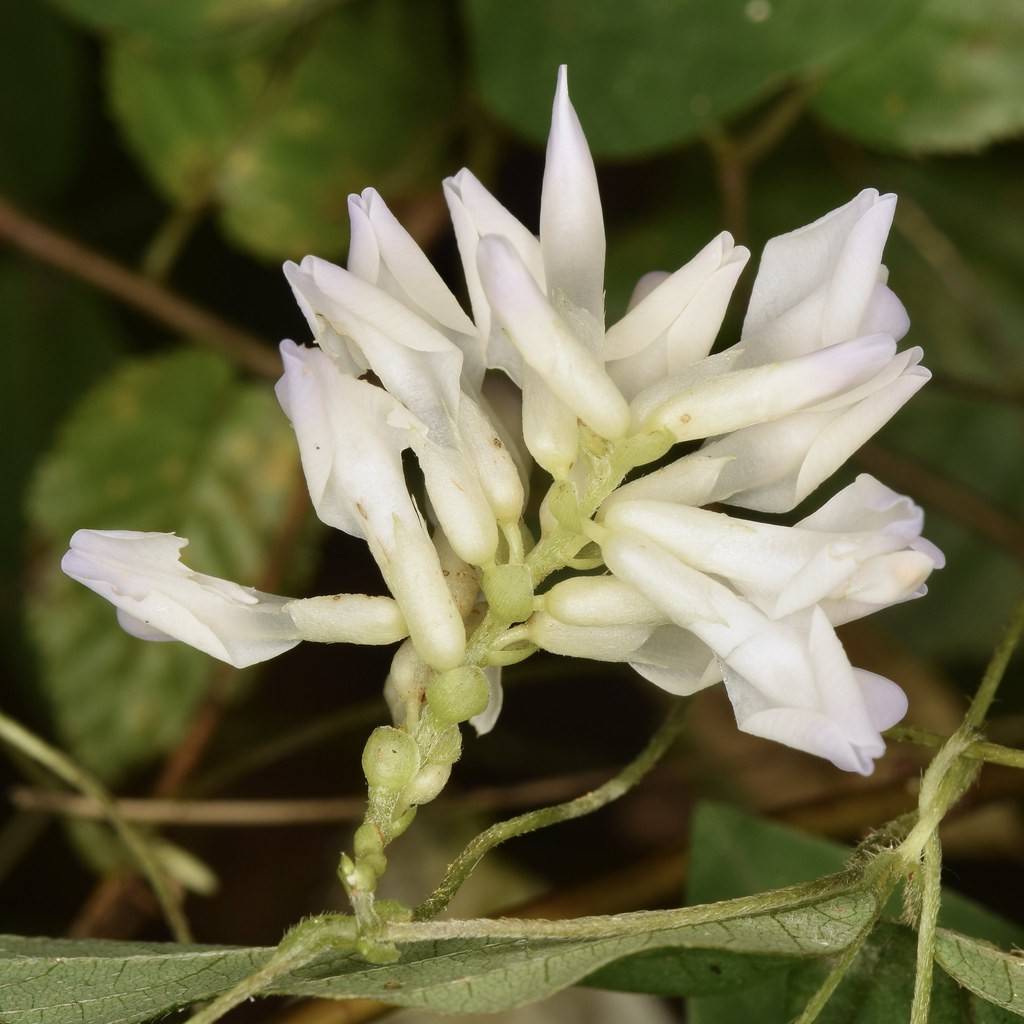
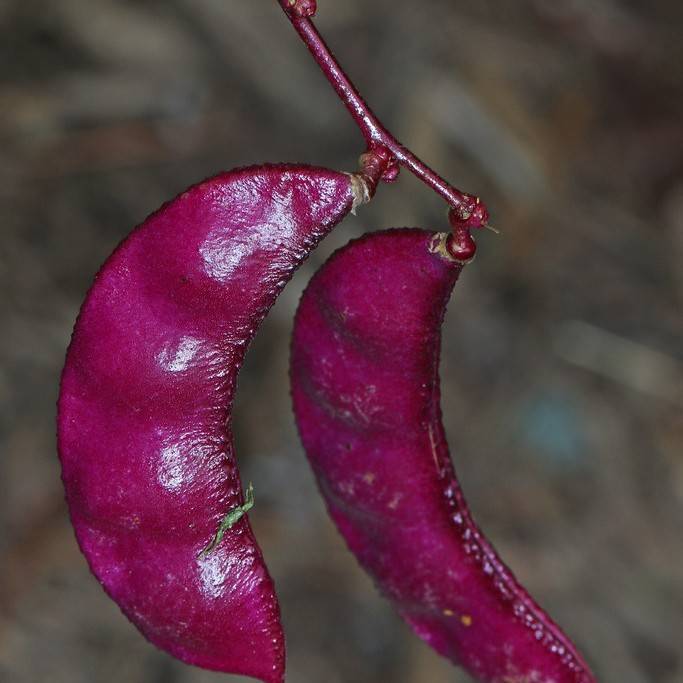
Hyacinth bean, also called lablab bean, is a vigorous twining vine valued for its striking deep purple stems, heart-shaped green leaves, and spikes of fragrant pea-like purple or white blooms that appear from mid-summer to fall. After flowering, it produces eye-catching glossy, flattened magenta seed pods that persist into early autumn, adding seasonal color to trellises, arbors, and fence lines. While it is grown as an annual in temperate climates, it can survive as a short-lived perennial in frost-free tropical and subtropical regions.
Care Guide
Watering
Water hyacinth bean regularly to keep soil consistently moist but not waterlogged, especially during hot, dry periods, as drought stress can reduce flowering and pod production. Reduce watering frequency in cooler weather once growth slows, allowing the top 1-2 inches of soil to dry out between sessions. Avoid overhead watering to minimize the risk of foliar fungal diseases.
Light
Grow hyacinth bean in full sun, meaning at least 6-8 hours of direct, unfiltered sunlight daily to support vigorous vine growth, abundant flowering, and pod development. It can tolerate very light partial shade, but shaded plants will produce fewer blooms, sparser foliage, and may become leggy as they stretch toward light sources.
Soil
Hyacinth bean adapts to a wide range of well-drained soil types, including sandy, loam, and clay soils, but thrives in moderately fertile, loamy soil with a pH between 6.0 and 7.5. It is tolerant of poor, low-nutrient soils and even mild saline conditions, making it suitable for challenging garden spots where other vines struggle. Avoid heavy, waterlogged soils that can cause root rot.
Fertilizer
As a legume, hyacinth bean fixes its own nitrogen, so it rarely requires nitrogen-rich fertilizer, which can promote excess foliage growth at the expense of flowers and pods. Apply a balanced, slow-release 10-10-10 fertilizer once at planting time to support initial root and vine development. If growth is stunted or foliage appears pale, apply a dilute phosphorus-rich fertilizer mid-season to boost flowering.
Temperature
Hyacinth bean thrives in warm temperatures between 65-85°F (18-29°C) and is highly tolerant of high heat and humidity common in tropical and summer temperate conditions. It is extremely frost-sensitive; temperatures below 32°F (0°C) will kill the foliage and vines immediately, so plant it outdoors only after all risk of frost has passed. It can be grown as a perennial in USDA hardiness zones 10-12, where winter temperatures remain above freezing.
Pruning
Prune hyacinth bean as needed throughout the growing season to control vine spread, remove dead or damaged foliage, and encourage bushier, more compact growth. Pinch back the tips of young vines to promote branching and more flower-producing side shoots, which will increase overall bloom and pod yield. At the end of the growing season, remove all dead vine material to prevent overwintering pests or disease pathogens.
Propagation
Hyacinth bean is most commonly propagated from seed, sown directly outdoors 1-2 inches deep after all frost risk has passed, or started indoors 4-6 weeks before the last expected frost for earlier growth. Scarify or soak seeds in warm water for 24 hours before sowing to soften the hard seed coat and improve germination rates, which typically occur within 7-14 days in warm soil. It can also be propagated from softwood cuttings taken from healthy, mature vines in early summer, rooted in moist potting mix under high humidity.
Humidity
Hyacinth bean tolerates a wide range of humidity levels, thriving in the high humidity of tropical regions as well as moderate summer humidity in temperate climates. It can tolerate dry air for short periods, but extended very dry conditions may cause leaf browning or reduced flower production. Ensure good air circulation around the vines to prevent fungal issues in high-humidity environments.
Repotting
If grown in containers, repot hyacinth bean only when it outgrows its current pot, typically once per growing season, moving it to a container 2-3 inches larger in diameter with drainage holes. Use a well-drained potting mix amended with compost to support healthy root growth, and install a trellis or support structure at repotting time to accommodate the vine’s climbing habit. Avoid repotting once flowering has begun, as this can cause transplant shock and lead to bloom drop.
Uses & Symbolism
Hyacinth bean is widely grown as an ornamental vine for covering trellises, arbors, fences, and unsightly garden structures, providing seasonal privacy and vibrant color from its blooms and pods. In many tropical cuisines, young tender pods, leaves, and properly cooked mature seeds are used as a cooked vegetable, though raw seeds must be avoided due to toxic compounds. It is also used as a cover crop, forage for livestock, and a nitrogen-fixing green manure to improve soil fertility in agricultural systems.
Diseases & Pests
Hyacinth bean is relatively pest and disease resistant, but can be susceptible to common legume pests including aphids, spider mites, and whiteflies, which suck sap from foliage and can cause stunted growth or leaf yellowing. Fungal diseases such as powdery mildew, downy mildew, and root rot may occur in overly wet conditions or with poor air circulation, leading to spotted foliage, wilting, or vine decline. Bean beetles may also feed on foliage and seed pods, causing cosmetic damage and reducing pod yield in heavy infestations.
Related plants
Other plants you might like if you grow Hyacinth Bean.