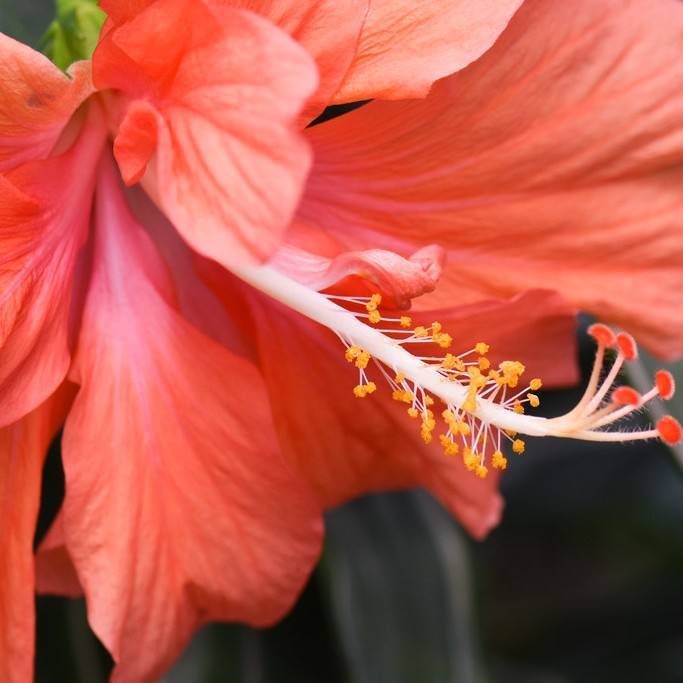
Chinese Hibiscus
Hibiscus rosa-sinensis
Overview
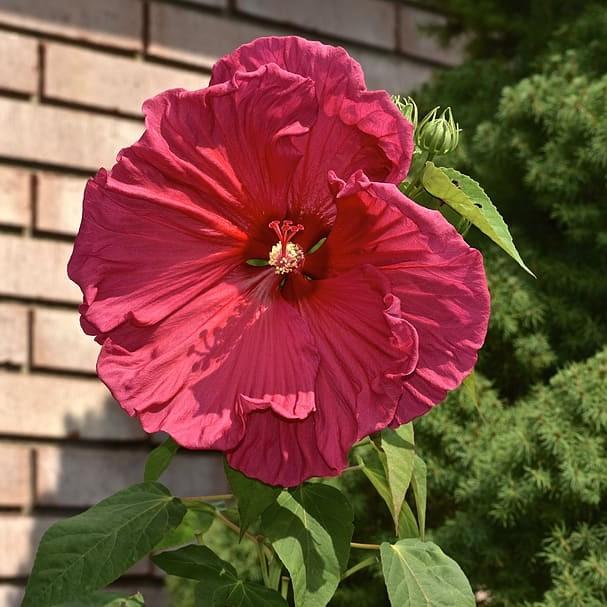
Chinese hibiscus is a broadleaf evergreen shrub with glossy, dark green ovate leaves and dramatic, funnel-shaped flowers that typically last just one day but bloom in succession for months on end. Cultivated globally in tropical and subtropical gardens, it is also a popular houseplant in temperate regions for its long flowering season and striking appearance. It is the national flower of Malaysia, where it is known as bunga raya, and holds cultural significance in many East and Southeast Asian traditions.
Care Guide
Watering
Water Chinese hibiscus thoroughly when the top 1 to 2 inches of soil feels dry to the touch, reducing frequency in winter when growth slows. Avoid overwatering, which can lead to root rot, and ensure the pot has adequate drainage holes to prevent standing water around the roots. Rainwater or distilled water is preferred over hard tap water, which can cause leaf chlorosis in sensitive plants.
Light
Chinese hibiscus requires full sun, meaning 6 to 8 hours of direct sunlight daily, to produce abundant blooms. Indoor plants should be placed near a south or west-facing window, and may benefit from supplemental grow lights during dark winter months to prevent leaf drop and encourage flowering. Too little light will result in sparse foliage and few, if any, blooms.
Soil
Plant Chinese hibiscus in a well-draining, slightly acidic soil with a pH between 6.0 and 6.5. A mix of potting soil, peat moss, and perlite or coarse sand works well for potted specimens, as it retains moisture without becoming waterlogged. Outdoor plants thrive in fertile, loamy soil amended with organic matter to boost nutrient content.
Fertilizer
Feed Chinese hibiscus every two weeks during the active growing season (spring through fall) with a balanced, water-soluble fertilizer formulated for flowering plants, or one slightly higher in potassium to support bloom production. Reduce fertilization to once a month or stop entirely in winter when growth is dormant, to avoid burning tender new roots. Avoid high-nitrogen fertilizers, which encourage leaf growth at the expense of flowers.
Temperature
Chinese hibiscus prefers warm temperatures between 60 and 90°F (15 and 32°C) during its active growing season. It is not frost-tolerant, and temperatures below 50°F (10°C) can cause leaf drop and plant damage, so outdoor plants in temperate climates should be brought indoors before the first frost. Sudden temperature swings, such as drafts from doors or air vents, can also stress the plant and cause bloom drop.
Pruning
Prune Chinese hibiscus in late winter or early spring before new growth emerges to encourage a bushier, more compact shape and increased bloom production. Remove dead, damaged, or crossing branches first, then trim back up to one-third of the plant’s growth, cutting just above a leaf node to stimulate new branching. Deadhead spent blooms regularly during the flowering season to redirect energy to new bud development.
Propagation
Chinese hibiscus is most easily propagated from softwood stem cuttings taken in spring or early summer. Cut a 4 to 6 inch section of healthy, non-flowering new growth, remove the lower leaves, dip the cut end in rooting hormone, and plant in a moist, well-draining rooting medium. Keep cuttings in a warm, humid location with bright indirect light until roots develop in 4 to 6 weeks, then transplant to a standard potting mix.
Humidity
Chinese hibiscus thrives in moderate to high humidity levels between 50 and 70%, similar to its native tropical environment. Indoor plants may benefit from regular misting, a pebble tray filled with water placed under the pot, or a small humidifier during dry winter months, when indoor humidity tends to drop significantly. Low humidity can cause leaf edges to brown and flower buds to drop before opening.
Repotting
Repot young Chinese hibiscus plants annually in early spring to give their roots room to grow, moving up just one pot size each time to avoid overpotting, which can lead to excess soil moisture and root rot. Mature plants can be repotted every 2 to 3 years, or when roots begin to grow out of the drainage holes of the current pot. After repotting, water lightly and keep the plant in bright indirect light for a few days to allow it to adjust to its new container.
Uses & Symbolism
Chinese hibiscus is widely grown as an ornamental plant in tropical landscapes and as a potted houseplant for its large, colorful blooms that come in shades of red, pink, orange, yellow, white, and bi-color patterns. Its flowers are edible, used fresh as a garnish, dried to make herbal teas and infusions, and incorporated into traditional hair and skin care products in many Asian cultures. In traditional medicine, extracts from the flowers and leaves have been used to soothe inflammation, lower blood pressure, and support respiratory health.
Diseases & Pests
Chinese hibiscus is susceptible to common houseplant pests including aphids, whiteflies, spider mites, and mealybugs, which feed on sap and can cause leaf yellowing, stunted growth, and sooty mold growth on honeydew secretions. Fungal diseases such as leaf spot, powdery mildew, and root rot can occur in overly wet conditions or when foliage is left damp for extended periods. Bud drop is a common issue caused by environmental stress, including sudden temperature changes, low light, overwatering, or underwatering.
Related plants
Other plants you might like if you grow Chinese Hibiscus.