Daylily
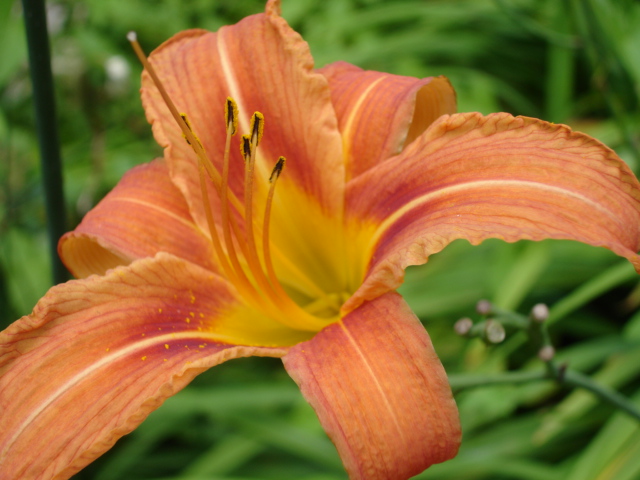
Hemerocallis fulva
Overview
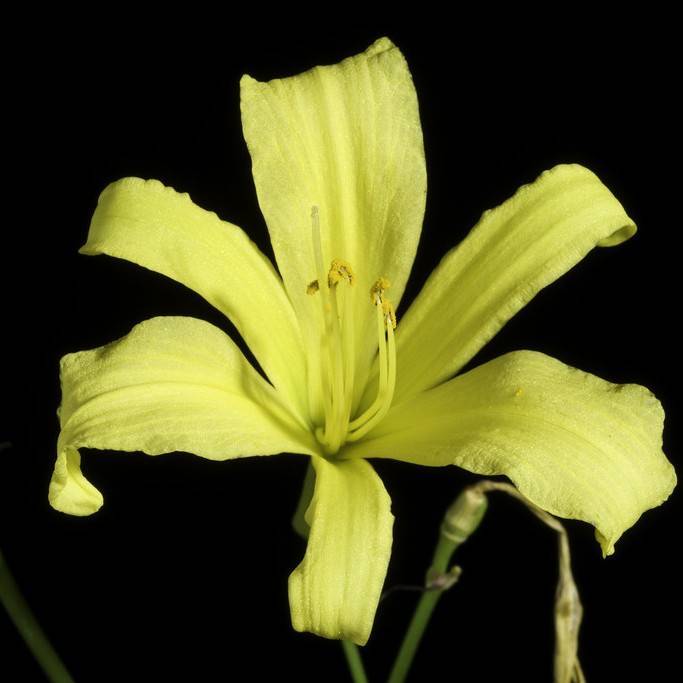
Daylilies are popular ornamental perennials named for their individual blooms, which last only a single day, though each plant produces dozens of buds over several weeks to extend the flowering period. They are highly adaptable, naturalizing readily in a range of climates, and have been bred into thousands of cultivars with flower colors spanning red, orange, yellow, pink, purple, and bicolored patterns. Native to East Asia, they have been cultivated for centuries for both ornamental and culinary uses, with some varieties’ buds and flowers eaten as a vegetable in traditional Chinese cuisine.
Care Guide
Watering
Water deeply once per week during the growing season, providing around 1 inch of moisture to encourage strong root growth, and reduce watering frequency in fall and winter when the plant is dormant. Avoid overwatering, as soggy soil can cause root rot, and ensure the top 1-2 inches of soil dry out between waterings for established plants. Container-grown daylilies may require more frequent watering, especially in hot, dry weather.
Light
Daylilies thrive in full sun, requiring at least 6 hours of direct sunlight daily to produce abundant blooms, though they can tolerate partial shade in very hot climates. Too much shade will reduce flowering and cause the plants to become leggy, so position them in a south or west-facing location for optimal performance.
Soil
Grow daylily in well-draining, loamy soil with a slightly acidic to neutral pH between 6.0 and 7.0, though they are adaptable to a wide range of soil types including clay and sandy soils as long as drainage is adequate. Amend heavy clay soils with compost or well-rotted manure to improve drainage and nutrient content before planting.
Fertilizer
Apply a balanced, slow-release 10-10-10 fertilizer in early spring as new growth emerges, and follow with a light application of high-phosphorus fertilizer just before flowering to boost bloom production. Avoid over-fertilizing, as excessive nitrogen will promote lush foliage growth at the expense of flowers, and do not fertilize after mid-fall to prevent stimulating tender new growth before winter dormancy.
Temperature
Daylilies are extremely cold-hardy, tolerating winter temperatures as low as -30°F (-34°C) in USDA hardiness zones 3 through 9, and they can withstand summer temperatures up to 100°F (38°C) as long as they receive adequate moisture. Mulch around the base of plants in cold climates to insulate roots during winter and protect them from freeze-thaw cycles that can heave plants out of the soil.
Pruning
Remove spent flower stalks (scapes) after all buds have bloomed to tidy the plant and prevent it from expending energy on seed production. Cut back dead foliage to the ground in late fall after it has yellowed and died back, or in early spring before new growth emerges, to reduce the risk of overwintering pests and diseases.
Propagation
The easiest method of propagating daylilies is by division, which should be done every 3-5 years in early spring or late fall after flowering has finished, by digging up the clump, separating the individual fans with roots attached, and replanting them at the same depth they were growing. Daylilies can also be grown from seed, though seeds collected from hybrid cultivars will not grow true to the parent plant, and seed-grown plants may take 2-3 years to produce their first blooms.
Humidity
Daylilies tolerate a wide range of humidity levels, thriving in average ambient humidity between 40% and 70% common in most temperate growing regions. They do not require extra humidity, and good air circulation around the foliage helps prevent fungal diseases in areas with high summer humidity.
Repotting
Container-grown daylilies should be repotted every 2-3 years in early spring, moving them to a pot one size larger with fresh potting mix to accommodate their expanding root systems. Ensure the container has drainage holes to prevent waterlogging, and divide overcrowded clumps during repotting to maintain healthy growth and abundant flowering.
Uses & Symbolism
Daylilies are widely planted as ornamental perennials in borders, mass plantings, and roadside gardens for their vibrant summer blooms and low-maintenance nature, and they are effective for erosion control on slopes due to their dense, fibrous root systems. In East Asian cuisine, the young shoots, unopened buds, and fully open flowers of edible cultivars are cooked and used in stir fries, soups, and salads, though only specific varieties should be consumed to avoid toxicity. They are also used in traditional medicine to treat inflammation, fever, and constipation, though medicinal use should be done under the guidance of a qualified practitioner.
Diseases & Pests
Common pests of daylilies include aphids, spider mites, and thrips, which feed on foliage and flower buds, and can be controlled with insecticidal soap or neem oil, while slugs and snails may damage young foliage in damp conditions. Fungal diseases such as daylily rust, leaf streak, and crown rot can occur in overly moist, poorly ventilated conditions, and can be prevented by planting in well-draining soil, spacing plants to allow air circulation, and avoiding overhead watering. Daylily gall midge larvae can cause distorted, unopened flower buds, which should be removed and destroyed immediately to prevent the spread of the pest.
Related plants
Other plants you might like if you grow Daylily.