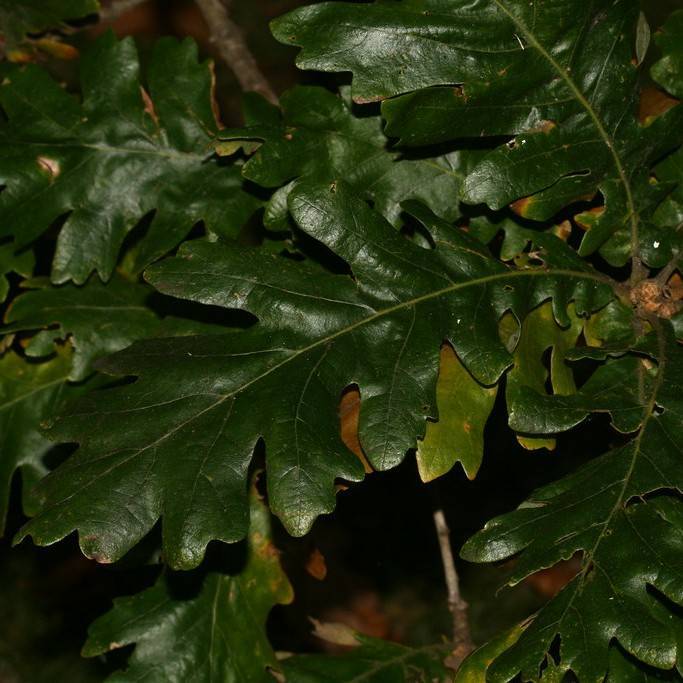
Hungarian Oak
Quercus frainetto
Overview
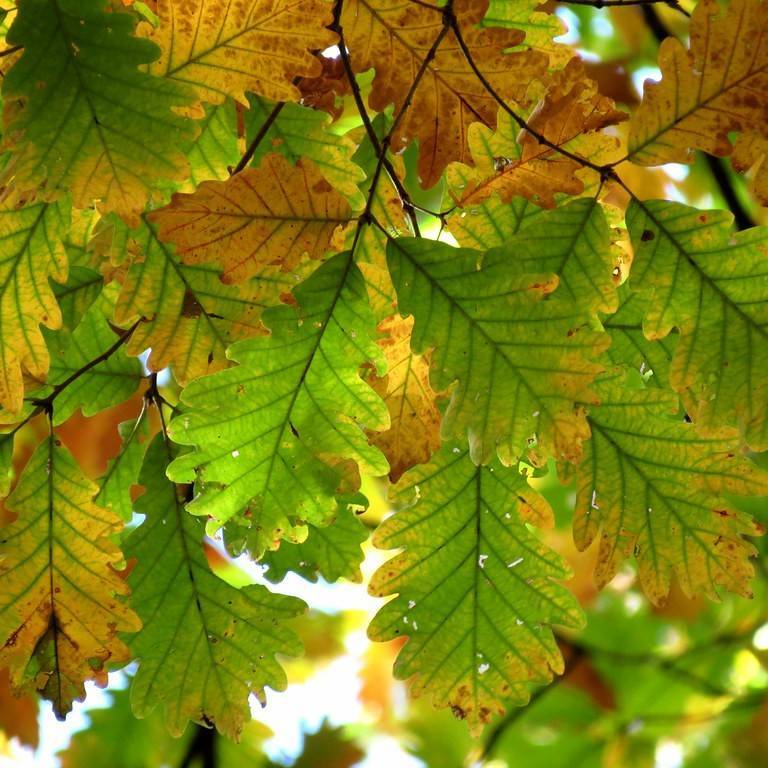
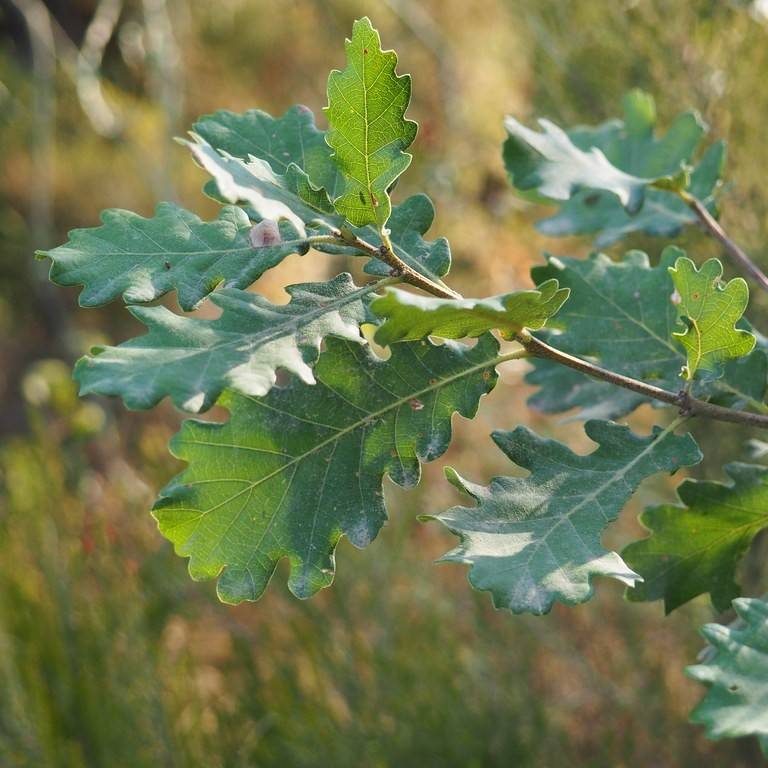
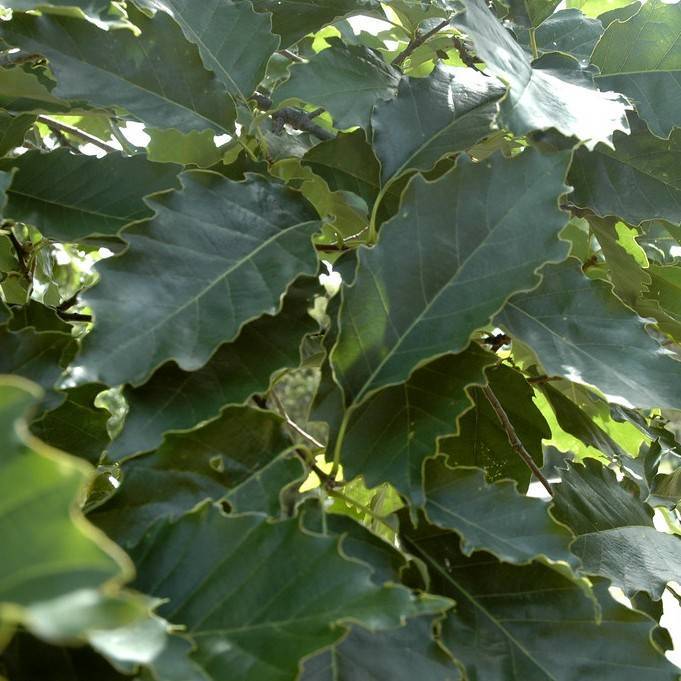
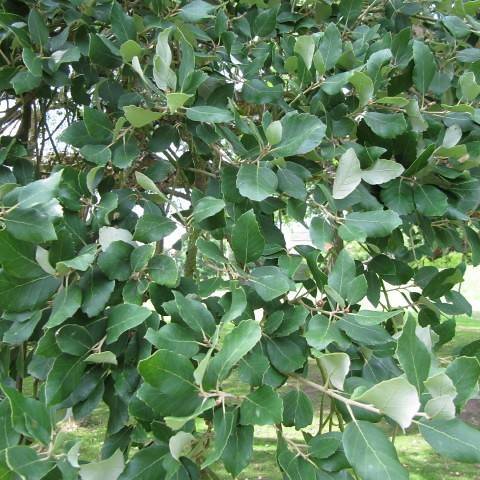
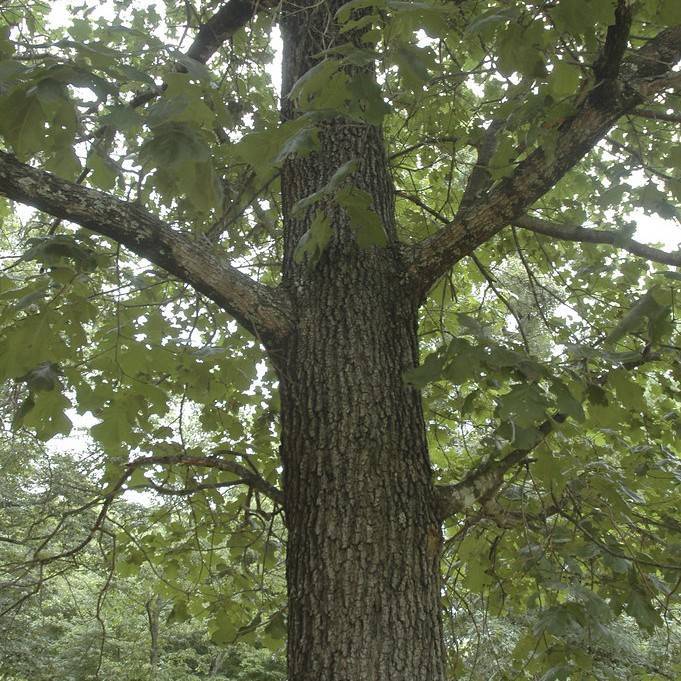
Hungarian oak is a robust deciduous tree distinguished by its wide, spreading crown and large, glossy dark green leaves with 7-10 deep, rounded lobes on each side, which turn warm yellow to bronze in autumn. It is one of the fastest-growing oak species in its youth, often adding 2 feet of growth per year under ideal conditions. Native to dry, hilly woodlands of southeastern Europe, it is widely cultivated as a shade and landscape tree across temperate regions for its adaptability and ornamental value.
Care Guide
Watering
Hungarian oak is highly drought-tolerant once established, requiring only occasional deep watering during extended periods of high heat or minimal rainfall. Newly planted saplings need consistent, even moisture for the first 2-3 years to develop a strong root system, with watering reduced gradually as the tree matures. Avoid overwatering, especially in heavy, poorly draining soils, as this can lead to root rot and other fungal issues.
Light
This species thrives in full, direct sunlight, requiring a minimum of 6 hours of unobstructed light per day to develop a dense, healthy canopy and strong structural growth. It will not tolerate heavy shade, as low light conditions lead to sparse foliage, weak branch development, and increased susceptibility to pest infestations. Plant in an open location free from overhead shading from taller structures or trees for optimal performance.
Soil
Hungarian oak adapts well to a wide range of soil types, including loam, sand, and even clay, as long as the substrate provides adequate drainage. It prefers a slightly acidic to neutral pH range of 6.0 to 7.5, but can tolerate mildly alkaline soils better than many other oak species. Avoid waterlogged, compacted soils, as these restrict root growth and increase the risk of root disease.
Fertilizer
Mature Hungarian oaks rarely require supplemental fertilization, as they obtain sufficient nutrients from surrounding soil and decomposing leaf litter. Young, actively growing saplings can benefit from a balanced, slow-release granular fertilizer applied in early spring, before new foliage emerges, to support robust root and canopy development. Avoid high-nitrogen fertilizers, which can promote excessive, weak vegetative growth that is prone to storm damage.
Temperature
This species is well-adapted to temperate climates, with a cold hardiness range of USDA zones 5 to 8, tolerating winter lows down to -20°F (-29°C) without damage. It exhibits excellent heat tolerance, thriving in regions with hot, dry summers that would stress many other oak species. Late spring frosts can occasionally damage new young foliage, but the tree will typically produce a second flush of leaves within a few weeks.
Pruning
Pruning should be done in late winter, while the tree is dormant, to reduce the risk of oak wilt transmission and minimize sap bleeding. Remove dead, damaged, or crossing branches to maintain a strong structural framework, especially in young trees, and thin crowded interior branches to improve air circulation through the canopy. Avoid heavy pruning of mature trees, as they are slow to heal from large cuts, and never remove more than 25% of the tree’s foliage in a single year.
Propagation
Hungarian oak is most commonly propagated from acorns, which should be collected in autumn as soon as they mature and fall from the tree, then sown immediately or stratified in moist, cool conditions for 30-60 days before planting. Acorns lose viability quickly if allowed to dry out, so they should be kept consistently moist prior to sowing. Vegetative propagation via cuttings is possible but has a low success rate, so it is rarely used for commercial or home cultivation.
Humidity
This species tolerates a wide range of humidity levels, thriving in both the moderately dry conditions of its native Balkan habitats and the higher humidity of temperate eastern North American and western European landscapes. It has no specific humidity requirements, making it adaptable to most non-tropical growing regions. Extended periods of extremely high humidity paired with poor air circulation can increase the risk of foliar fungal diseases, though these are rarely severe.
Repotting
Hungarian oak is a large, deep-rooted tree unsuitable for long-term container growth, and is typically only kept in pots during its sapling stage before being planted permanently in the ground. Potted saplings should be repotted annually in early spring, moving to a slightly larger container each time, using a well-draining, loamy potting mix. Once the tree reaches 4-6 feet in height, it should be transplanted to an outdoor landscape location to accommodate its large mature size.
Uses & Symbolism
Hungarian oak is widely planted as a durable shade tree for parks, large residential properties, and roadside landscapes, valued for its broad canopy and low maintenance requirements. Its hard, dense wood is used for construction, furniture making, firewood, and barrel production, similar to other white oak species. It also provides high-value wildlife habitat, with its acorns serving as a critical food source for deer, squirrels, turkeys, and a variety of songbird species.
Diseases & Pests
Hungarian oak is relatively resistant to most common oak pests and diseases, though it can be susceptible to oak wilt, a fatal fungal disease spread by sap-feeding beetles, in regions where the pathogen is present. Powdery mildew, aphids, and scale insects may occasionally infest foliage, though these issues are rarely severe and typically only affect stressed trees. Root rot can occur in poorly draining, waterlogged soils, especially in young saplings with underdeveloped root systems.
Related plants
Other plants you might like if you grow Hungarian Oak.