Chestnut Oak
Quercus montana
Overview
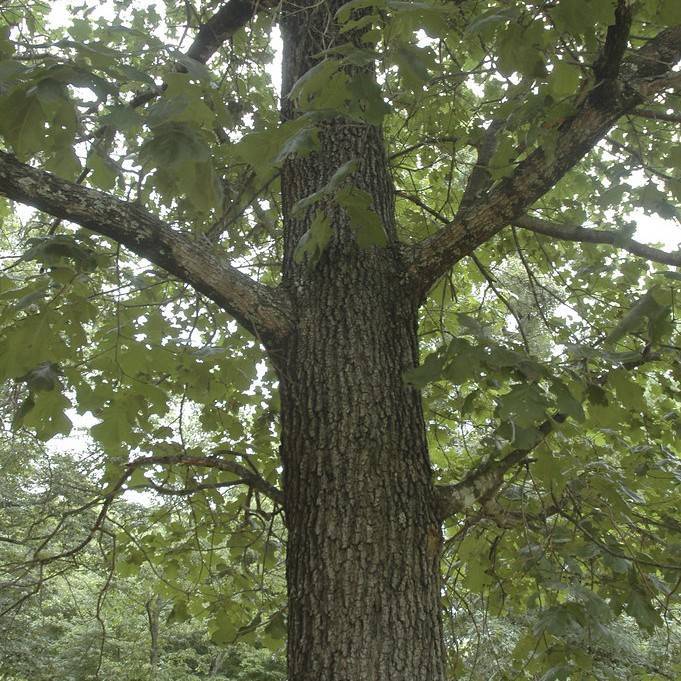
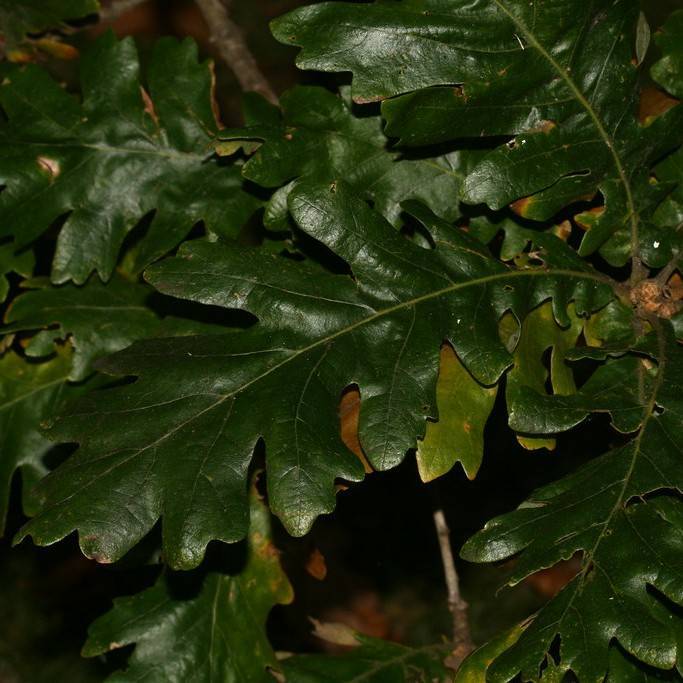
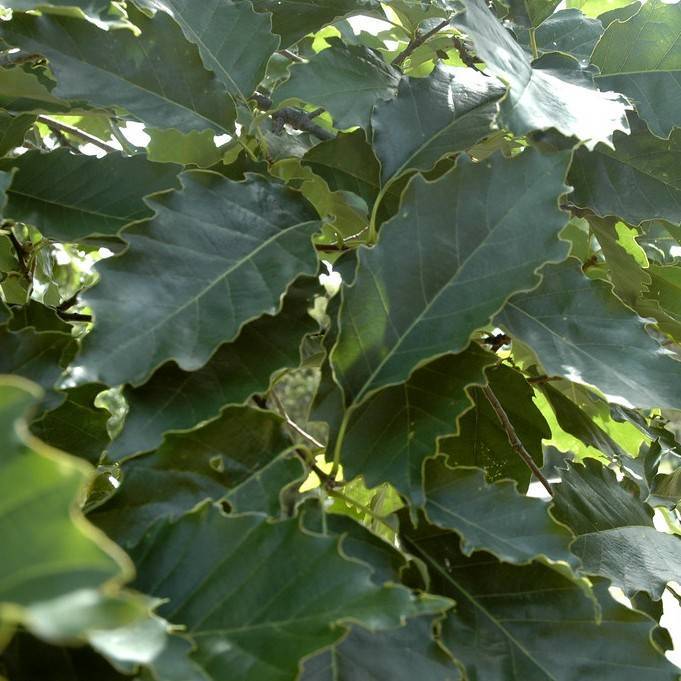
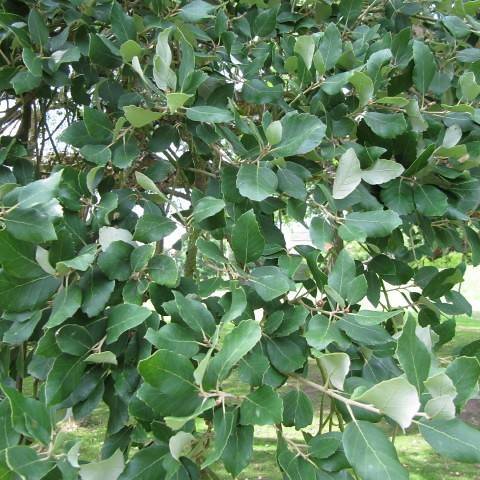
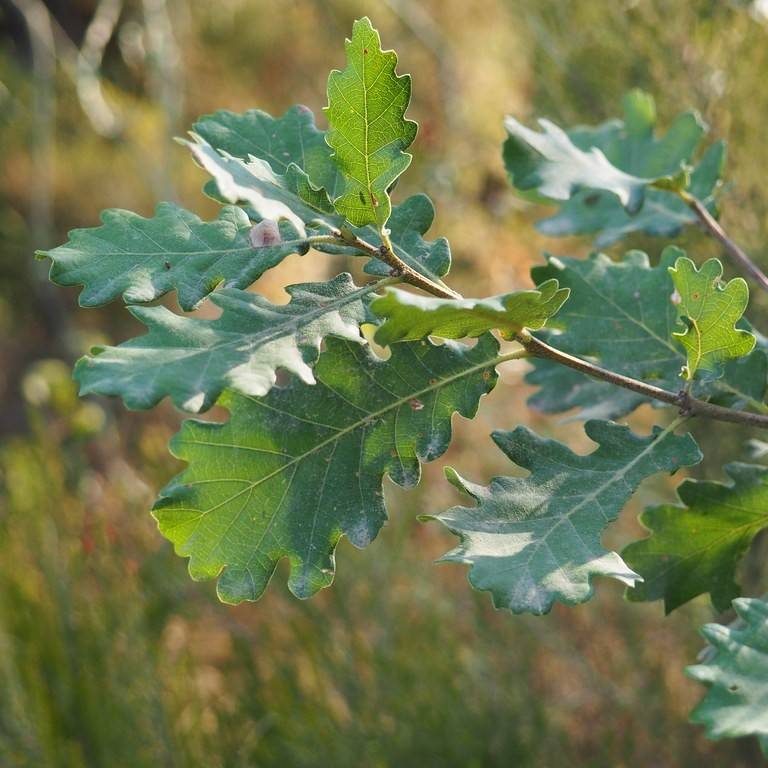
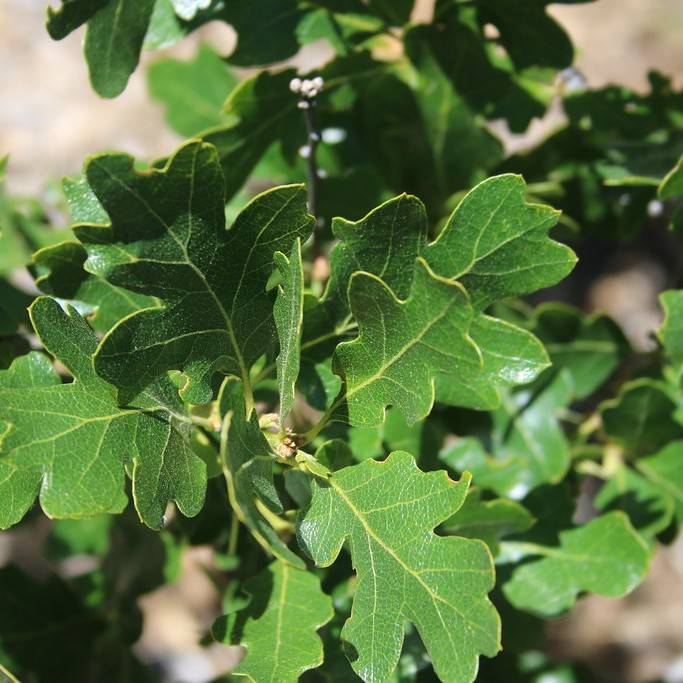
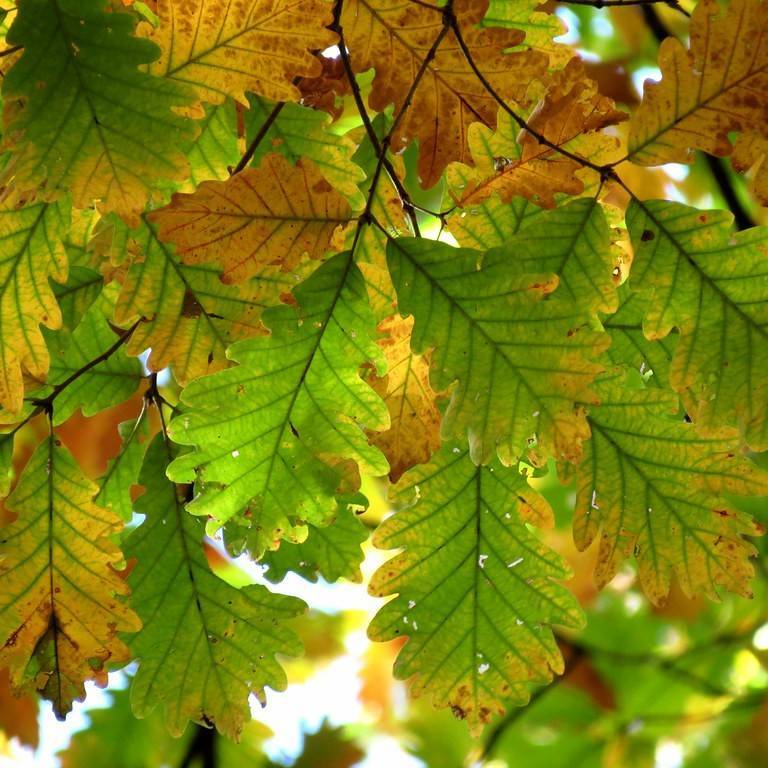
Chestnut oak is a deciduous tree in the white oak group, distinguished by its thick, deeply ridged bark and coarsely toothed, oblong leaves that resemble those of the American chestnut. It thrives in dry, rocky upland sites where many other oak species struggle, making it a keystone species in Appalachian and eastern upland forest ecosystems. Its acorns mature in a single growing season, providing a critical food source for a wide range of wildlife species. This tree is highly adaptable to poor, shallow soils and has a broad, rounded crown at maturity that offers ample shade.
Care Guide
Watering
Established chestnut oaks are highly drought-tolerant, requiring only occasional supplemental watering during extended periods of extreme heat or drought. Newly planted saplings need regular, deep watering 1-2 times per week for the first 2-3 growing seasons to support root development, allowing the soil to dry out slightly between waterings to prevent root rot. Overwatering, especially in heavy, poorly drained soils, can cause significant root damage and increase susceptibility to fungal pathogens.
Light
Chestnut oak grows best in full sun, requiring a minimum of 6 hours of direct, unfiltered sunlight per day to develop a strong, well-formed crown and produce abundant acorns. It can tolerate very light, dappled shade when young, but prolonged shade will significantly slow growth and lead to a sparse, leggy form. Planting in a location with unobstructed southern or western exposure is ideal for maximizing growth and health.
Soil
This species is uniquely adapted to poor, shallow, rocky, or sandy soils that are often unsuitable for other large oak species, with a preferred pH range of 4.5 to 6.5 (acidic to slightly acidic). It requires excellent soil drainage and will not survive in consistently wet, waterlogged, or heavy clay soils that hold moisture for long periods. Amending planting sites with organic matter is rarely necessary, but ensuring the planting hole is wide and not deeper than the root ball helps prevent settling and root suffocation.
Fertilizer
Mature chestnut oaks rarely require fertilization, as they are adapted to low-nutrient upland soils and can source necessary nutrients naturally from leaf litter decomposition. Young saplings can benefit from a slow-release, balanced 10-10-10 fertilizer applied once annually in early spring, before new leaf growth emerges, to support healthy root and canopy development. Avoid over-fertilizing, as excessive nitrogen can lead to overly rapid, weak growth that is more susceptible to storm damage and pest infestations.
Temperature
Chestnut oak is hardy in USDA zones 4 through 8, tolerating minimum winter temperatures as low as -30°F (-34°C) and summer highs up to 100°F (38°C) without significant stress. It is well-adapted to the seasonal temperature fluctuations of eastern North America, requiring a period of cold winter dormancy to support healthy spring growth. Extreme, unseasonable late frosts after new leaves have emerged can cause temporary foliar damage, but mature trees typically recover fully within a single growing season.
Pruning
Prune chestnut oak only during its dormant season in late winter to early spring, before new buds break, to minimize the risk of oak wilt transmission and promote rapid wound healing. Focus on removing dead, damaged, diseased, or crossing branches to improve air circulation through the crown and reduce the risk of storm damage to mature trees. Young saplings can be lightly pruned to establish a strong central leader and well-spaced lateral branches, but avoid heavy pruning as this species grows relatively slowly and recovers slowly from over-cutting.
Propagation
Chestnut oak is most reliably propagated from fresh, stratified acorns collected in fall as soon as they drop from the tree, as acorns lose viability quickly if allowed to dry out. Acorns require 30-90 days of cold stratification at 33-40°F (1-4°C) in moist peat moss or sand to break dormancy, after which they can be sown 1-2 inches deep in well-drained potting mix or directly in a prepared outdoor site. Grafting is rarely used for this species, as seed-grown trees typically retain the desirable hardiness and adaptability traits of the parent plant.
Humidity
This species thrives in the moderate to high humidity levels common across its native eastern North American range, tolerating average relative humidity levels between 40% and 70% without issue. It can tolerate short periods of low humidity, but prolonged extremely dry conditions may lead to marginal leaf browning, though this is rarely a serious health concern for established trees. Good air circulation around the crown helps prevent fungal foliar diseases in areas with consistently high humidity.
Repotting
Chestnut oak is a large, deep-rooted tree that is not suitable for long-term container growth, and repotting is only relevant for young saplings being grown temporarily before outdoor planting. Saplings grown in containers should be repotted annually in early spring before new growth emerges, moving to a pot 2-3 inches larger in diameter each time to accommodate root growth, until they are large enough to transplant to a permanent outdoor location. Ensure containers have ample drainage holes to prevent waterlogging, as root rot can develop quickly in stagnant, moist potting mix.
Uses & Symbolism
Chestnut oak’s dense, strong, rot-resistant wood is highly valued for construction, fence posts, railroad ties, firewood, and specialty woodworking projects. It is widely planted as a shade tree in residential and public landscapes, especially in areas with poor, rocky soils where other large tree species struggle to establish. Its acorns are a critical food source for deer, squirrels, turkeys, bears, and numerous bird species, making it a popular choice for wildlife habitat restoration and native plant gardens.
Diseases & Pests
Chestnut oak is relatively resistant to most common oak diseases, but can be susceptible to oak wilt, a fatal fungal disease spread by beetles or root grafts between adjacent trees, which causes rapid wilting and death of infected specimens. Anthracnose, a fungal disease that causes brown leaf spots and defoliation in wet spring conditions, may occur but rarely causes serious long-term harm to healthy, established trees. Common pests include gypsy moths, oak leaf miners, and scale insects, which can cause foliar damage in heavy infestations but are rarely lethal to mature trees with proper cultural care.
Related plants
Other plants you might like if you grow Chestnut Oak.