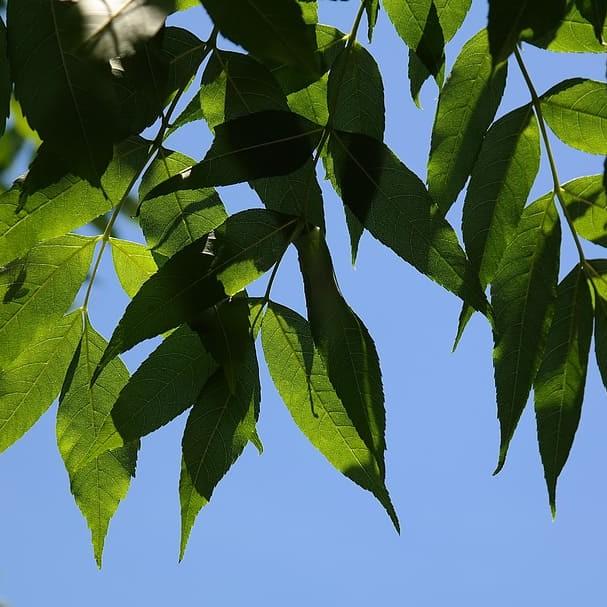
Blue Ash
Fraxinus quadrangulata
Overview
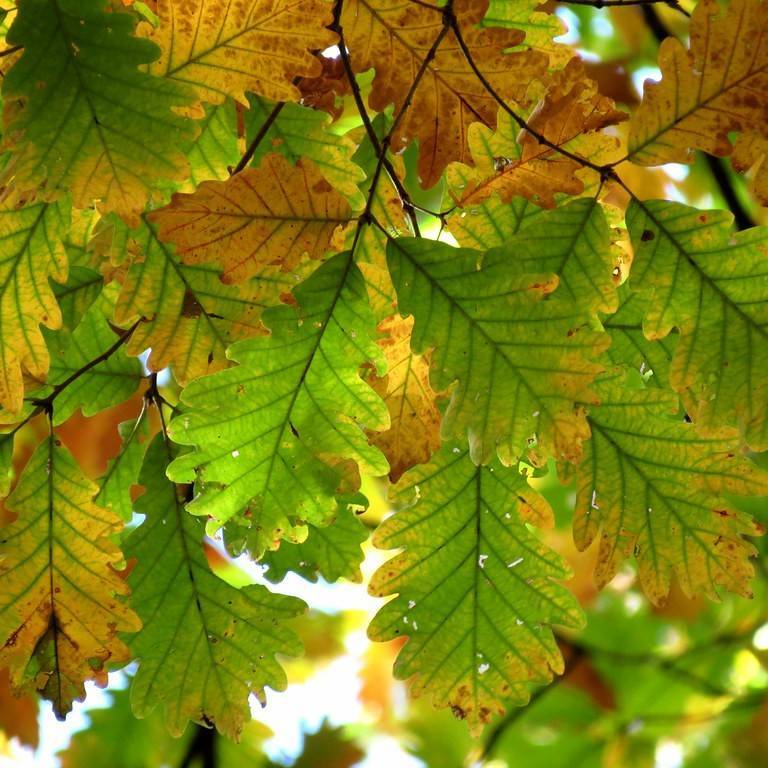
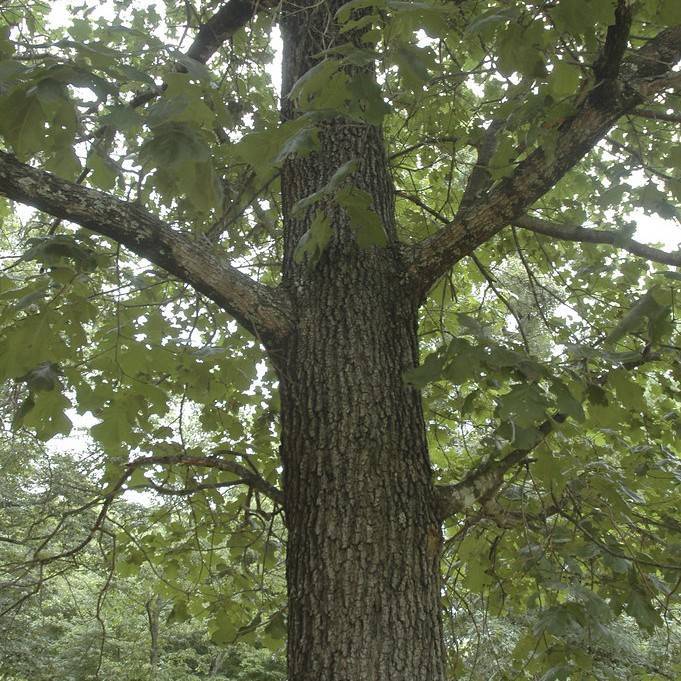
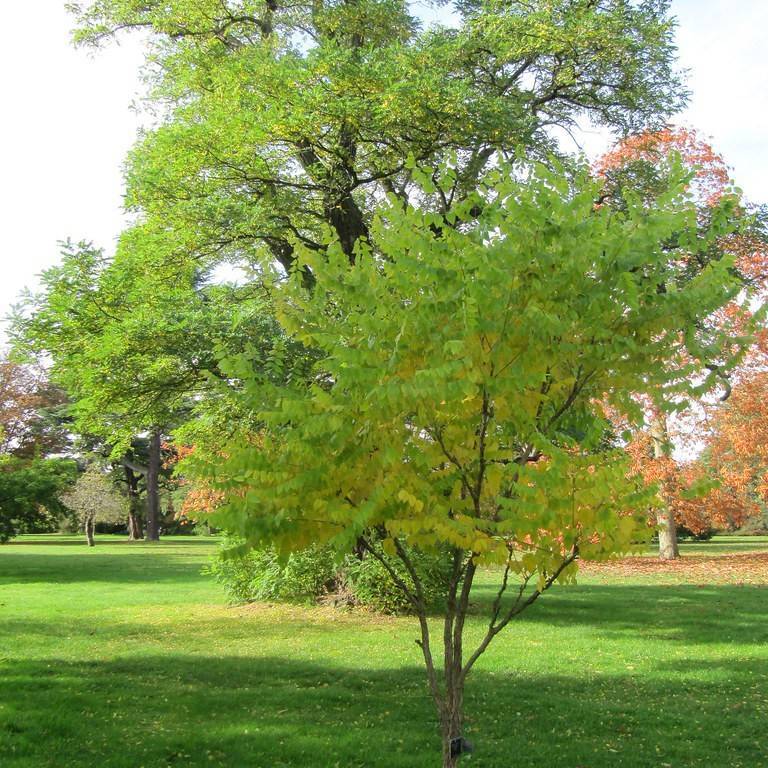
Blue ash gets its common name from the blue dye historically extracted from its inner bark, which was used by Indigenous communities and early European settlers. Its unique square, winged young twigs set it apart from most other ash species, which have round twigs. Adapted to dry, upland habitats, it is more drought-tolerant than many other ash varieties, making it a resilient landscape choice for well-drained sites. Mature trees have a broad, rounded crown and rough, scaly gray bark.
Care Guide
Watering
Water newly planted blue ash deeply once or twice weekly for the first two growing seasons to establish a robust root system. Once established, it is highly drought-tolerant, requiring only occasional supplemental watering during extended periods of extreme heat or drought. Avoid overwatering, as standing water can lead to root rot in this species.
Light
Blue ash thrives in full sun, requiring at least six hours of direct, unfiltered sunlight per day for optimal growth and foliage density. It can tolerate partial shade, but growth will be slower and the crown may be less full and vigorous in shadier locations.
Soil
This species adapts well to a wide range of soil types, including alkaline, loamy, sandy, and rocky soils, as long as drainage is excellent. It prefers a neutral to alkaline pH between 6.0 and 8.0, and can tolerate poor, shallow, or dry upland soils that many other tree species cannot. Avoid heavy, poorly drained clay soils that retain excess moisture.
Fertilizer
Fertilize young blue ash trees in early spring with a balanced, slow-release 10-10-10 fertilizer to support healthy foliage and root growth. Mature, established trees rarely require fertilization unless they show signs of nutrient deficiency, such as yellowing leaves or stunted growth. Do not fertilize in late summer or fall, as this can stimulate tender new growth vulnerable to winter damage.
Temperature
Blue ash is cold-hardy in USDA zones 4 through 7, tolerating winter temperatures as low as -30°F (-34°C). It thrives in temperate climates with warm summers and cold winters, and can withstand occasional summer heat spikes when established. Avoid planting in regions with consistently high humidity and warm winter temperatures, as this can increase susceptibility to pest pressure.
Pruning
Prune blue ash during the dormant winter season to remove dead, damaged, or crossing branches, and to maintain a strong, central leader structure. Avoid pruning in spring and early summer when emerald ash borer adults are active, as fresh pruning wounds can attract the destructive pests. Sterilize pruning tools between cuts to prevent the spread of fungal pathogens.
Propagation
Blue ash is most commonly propagated from seed, which requires 60 to 90 days of cold stratification to break dormancy before sowing in spring. Semi-hardwood cuttings taken in mid-summer can also root successfully if treated with rooting hormone and kept in consistently moist, well-drained medium under high humidity. Grafting onto compatible ash rootstock is sometimes used to preserve specific cultivar traits.
Humidity
Blue ash adapts well to average ambient humidity levels between 40% and 60%, typical of its native Midwestern North American range. It can tolerate low humidity conditions, but prolonged periods of very high humidity may increase risk of foliar fungal diseases. Ensure good air circulation around the tree’s canopy to minimize moisture-related issues.
Repotting
Blue ash is a large landscape tree not suitable for container growing or regular repotting. Young saplings grown in nursery pots should be transplanted to their permanent outdoor location in early spring or fall, before or after active growth begins. Ensure the planting hole is twice as wide as the root ball and no deeper than the root flare to encourage proper establishment.
Uses & Symbolism
Historically, blue ash inner bark was soaked in water to produce a blue dye used by Indigenous peoples and early settlers for textiles. Its strong, hard, flexible wood is valued for flooring, tool handles, furniture, and sports equipment, similar to other ash species. It is also planted as a shade tree in urban and rural landscapes, prized for its drought tolerance and attractive fall color.
Diseases & Pests
The primary threat to blue ash is the emerald ash borer, an invasive beetle whose larvae feed on the inner bark, disrupting nutrient and water flow and eventually killing the tree. It is also susceptible to ash yellows, a phytoplasma disease that causes stunted growth, yellowing foliage, and premature death. Fungal issues such as anthracnose, powdery mildew, and root rot can occur in overly wet or poorly ventilated conditions.
Related plants
Other plants you might like if you grow Blue Ash.