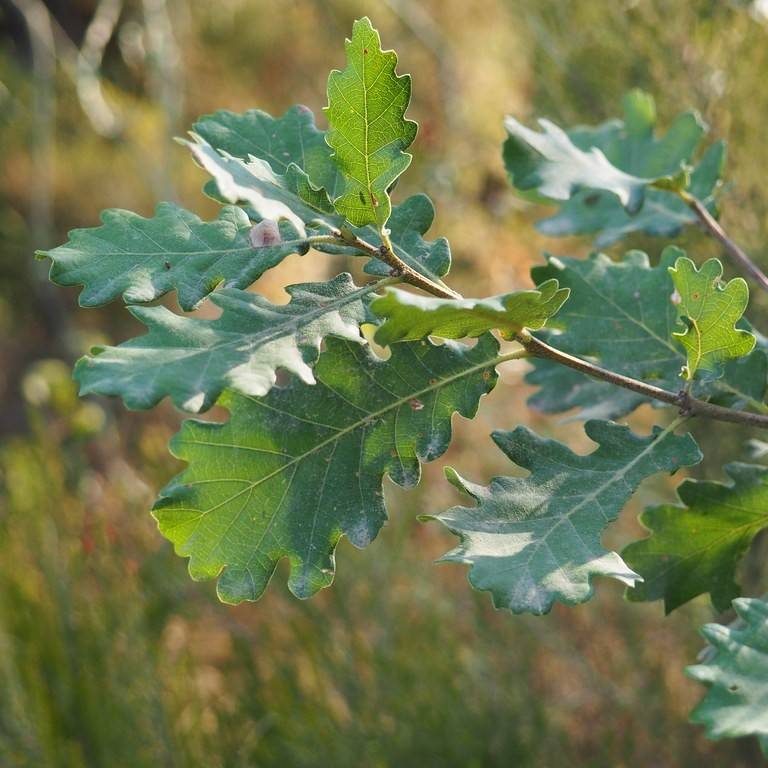
Downy Oak
Quercus pubescens
Overview
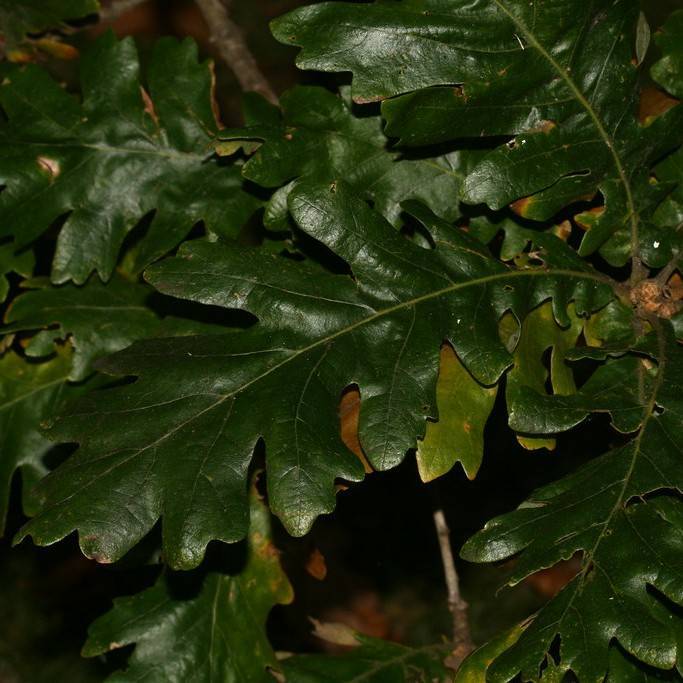
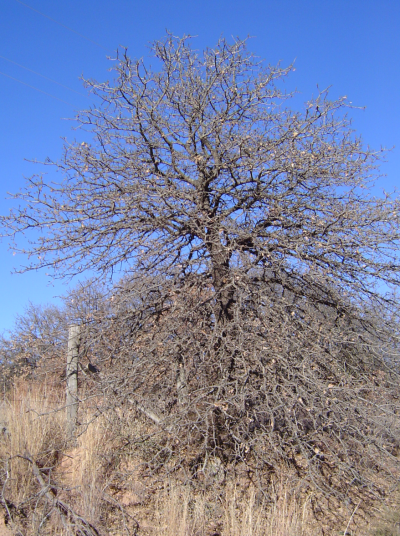
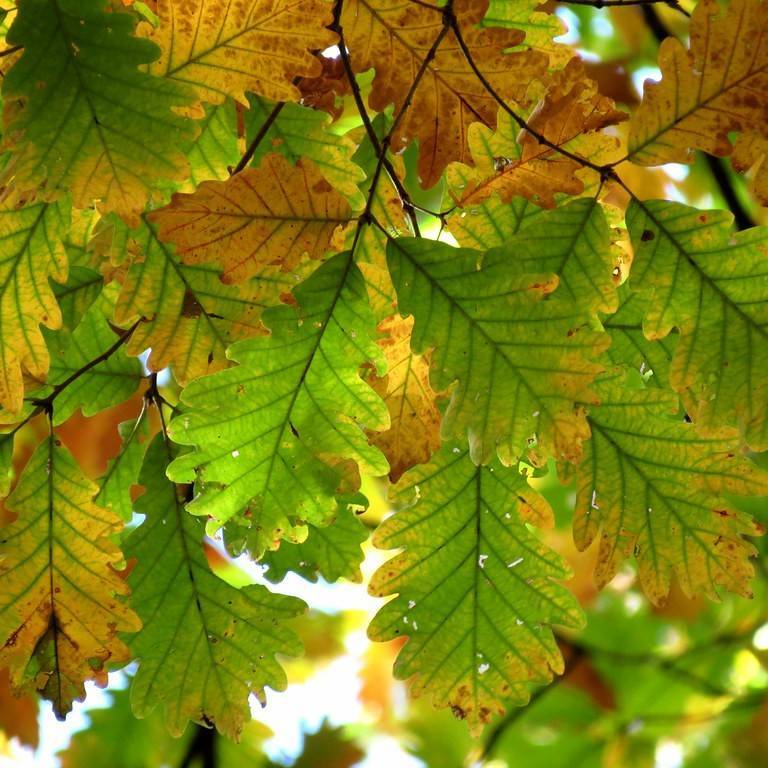
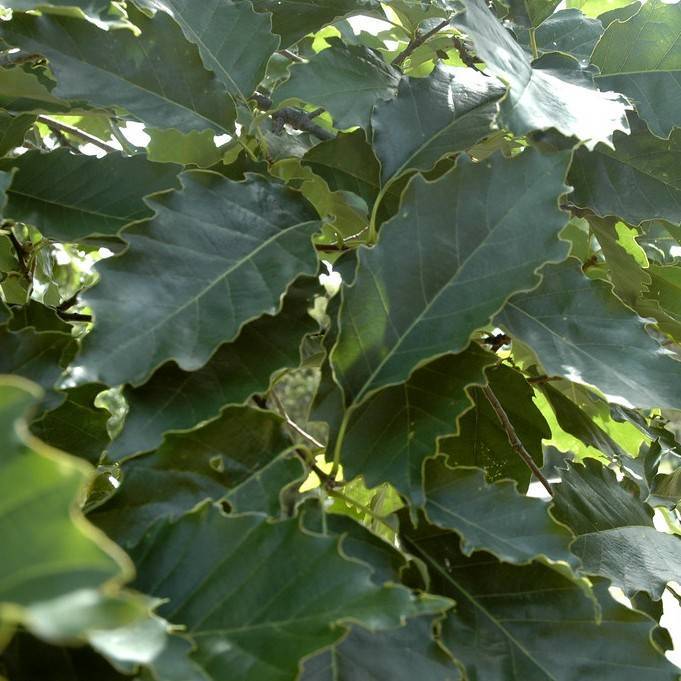
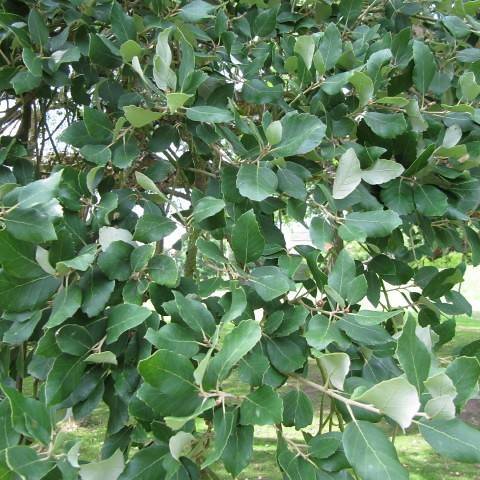
Downy oak is a slow-growing, long-lived deciduous tree native to Mediterranean climates, recognizable by the fine, fuzzy hairs on its emerging foliage, twigs, and leaf undersides that help reduce water loss in dry, sunny conditions. Its lobed, dark green leaves turn warm yellow and bronze in autumn before dropping, and it produces small, shallow-cupped acorns that mature in a single growing season. Adaptable to poor, rocky soils, it is a keystone species in its native range, supporting a wide range of insect, bird, and mammal populations.
Care Guide
Watering
Established downy oaks are extremely drought tolerant, requiring only occasional deep watering during extended periods of extreme heat or prolonged dryness. Young trees need regular, consistent watering for the first 2-3 years to develop a deep, extensive root system, with soil allowed to dry out fully between waterings to prevent root rot. Avoid overwatering, especially in heavy, poorly draining soils, as this can quickly lead to fungal root damage and tree decline.
Light
Downy oak thrives in full, direct sunlight, requiring a minimum of 6 hours of unobstructed sunlight daily to maintain healthy growth and dense foliage. It can tolerate very light, dappled shade for short periods, but prolonged shade will result in sparse, leggy growth and reduced acorn production. Plant in an open, unshaded location for best performance, as it is well adapted to the intense summer sun of its native Mediterranean range.
Soil
This oak is highly adaptable to a wide range of soil types, including poor, rocky, chalky, and dry soils that are unsuitable for many other tree species. It prefers well-drained, neutral to alkaline soil pH, but can tolerate mildly acidic conditions as long as drainage is excellent. It does not perform well in waterlogged, heavy clay soils, so amend dense planting sites with gravel or coarse sand to improve drainage prior to planting.
Fertilizer
Mature downy oaks rarely require fertilization, as they are adapted to low-nutrient soils and obtain sufficient nutrients from their natural environment. Young trees can benefit from a light application of balanced, slow-release fertilizer in early spring, before new leaf growth emerges, to support healthy root and foliage development. Avoid over-fertilizing, especially with high-nitrogen formulas, as this can encourage excessive, weak foliage growth that is more susceptible to pest damage.
Temperature
Downy oak is adapted to Mediterranean climate conditions, tolerating summer temperatures up to 104°F (40°C) and moderate winter cold down to 5°F (-15°C) once fully established. Young saplings may require frost protection during their first 2-3 winters in cooler parts of its growing range, as they are more susceptible to cold damage than mature trees. It is well adapted to seasonal temperature fluctuations common in its native range, including hot, dry summers and cool, wet winters.
Pruning
Prune downy oak only during its dormant season in late winter, to minimize the risk of oak wilt infection and excessive sap bleeding. Remove only dead, damaged, diseased, or crossing branches to maintain a strong, healthy structure, as heavy pruning can stress the tree and encourage unwanted sucker growth. Avoid pruning in spring or early summer when sap flow is high, and always use sanitized pruning tools to prevent the spread of fungal pathogens.
Propagation
Downy oak is most reliably propagated from fresh, mature acorns collected in autumn immediately after they drop from the tree. Sow acorns 1-2 inches deep in well-drained potting mix or directly in a prepared outdoor planting site, as they lose viability quickly if allowed to dry out before planting. Germination typically occurs within 2-3 months of sowing, and seedlings should be left to grow in their planting location for 1-2 years before transplanting to minimize root disturbance.
Humidity
This tree tolerates a wide range of humidity levels, thriving in the low to moderate humidity of Mediterranean summer environments and adapting well to higher humidity in more temperate growing regions. It has no specific humidity requirements, as the downy hairs on its foliage help reduce moisture loss during periods of low humidity and dry winds. Avoid planting in consistently high-humidity, poorly ventilated locations, as this can increase the risk of foliar fungal diseases.
Repotting
Downy oak is rarely grown as a container plant long-term, as its large, deep root system requires ample space to develop properly. If growing as a sapling in a container, repot every 1-2 years in late winter, moving to a slightly larger pot with well-drained, gritty soil to prevent waterlogging. Once the tree reaches 3-4 feet tall, it should be transplanted to a permanent outdoor location, as container confinement will stunt its growth and reduce its lifespan.
Uses & Symbolism
Downy oak is widely planted as a durable, low-maintenance shade tree for parks, large landscapes, and reforestation projects in Mediterranean and temperate climate regions. Its hard, dense wood is used for fuel, construction, and small woodworking projects, while its acorns are a valuable food source for wildlife including deer, squirrels, jays, and wild boar. It is also planted in erosion control projects on rocky, sloped sites, as its deep root system stabilizes soil and prevents runoff.
Diseases & Pests
Downy oak is relatively resistant to most common oak pests and diseases, but can be susceptible to oak wilt, a serious fungal disease spread by beetles that can kill mature trees rapidly if not detected early. Powdery mildew and anthracnose may affect foliage in wet, humid conditions, causing unsightly leaf spots and premature leaf drop, but rarely cause serious long-term damage to healthy trees. Common pests include oak aphids, gall wasps, and gypsy moth caterpillars, which can defoliate trees during heavy infestations, though healthy trees usually recover fully within a single growing season.
Guides that mention Downy Oak
Related plants
Other plants you might like if you grow Downy Oak.