Hudson Bay Sedge
Carex aquatilis var. minor
Overview
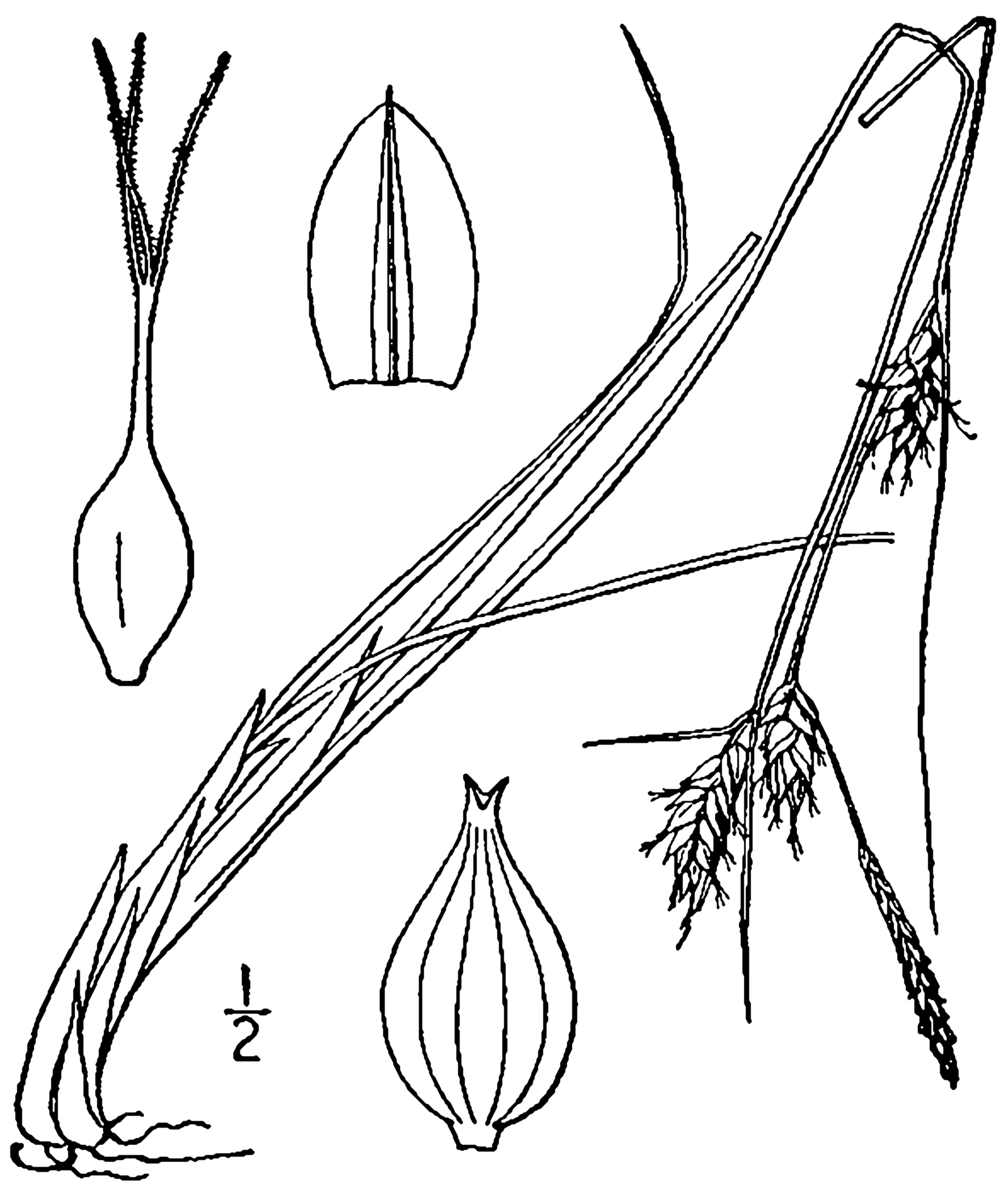
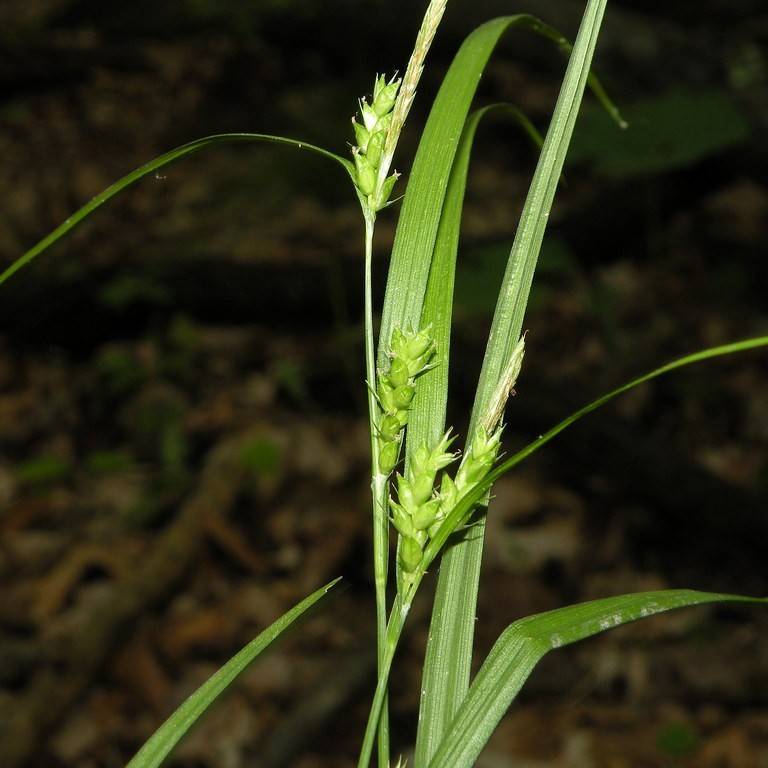
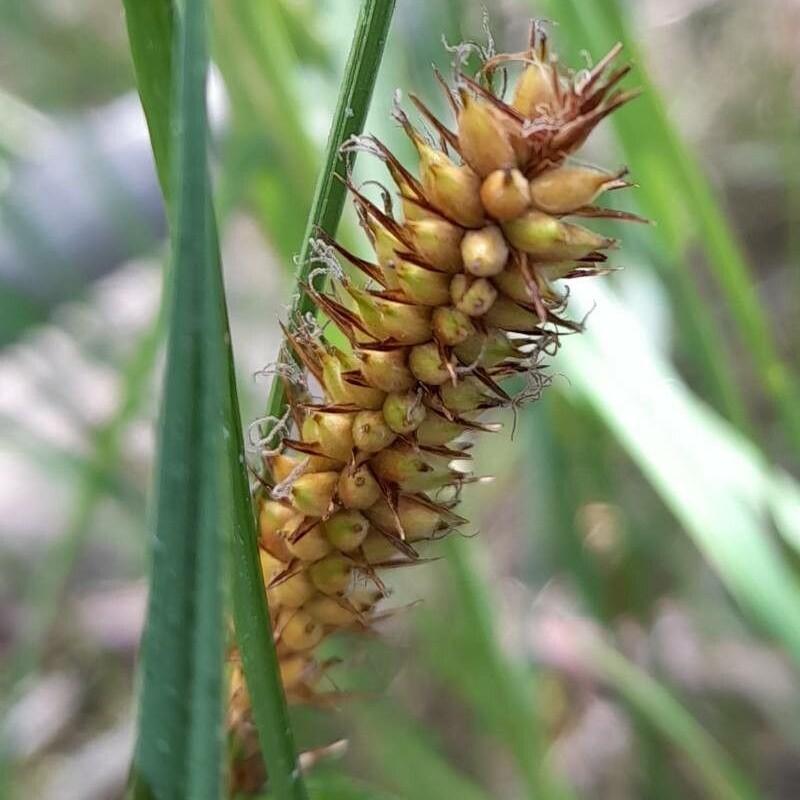
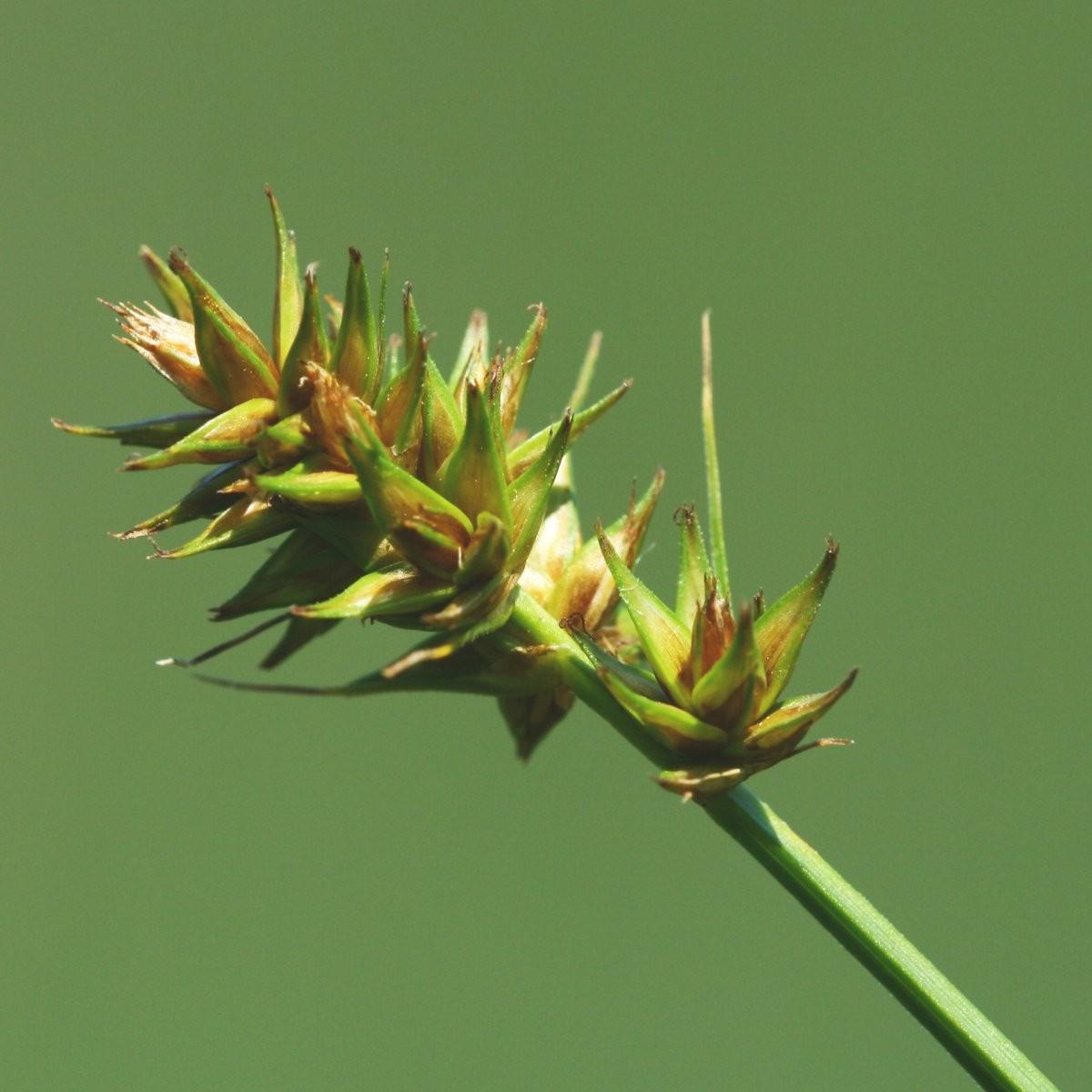
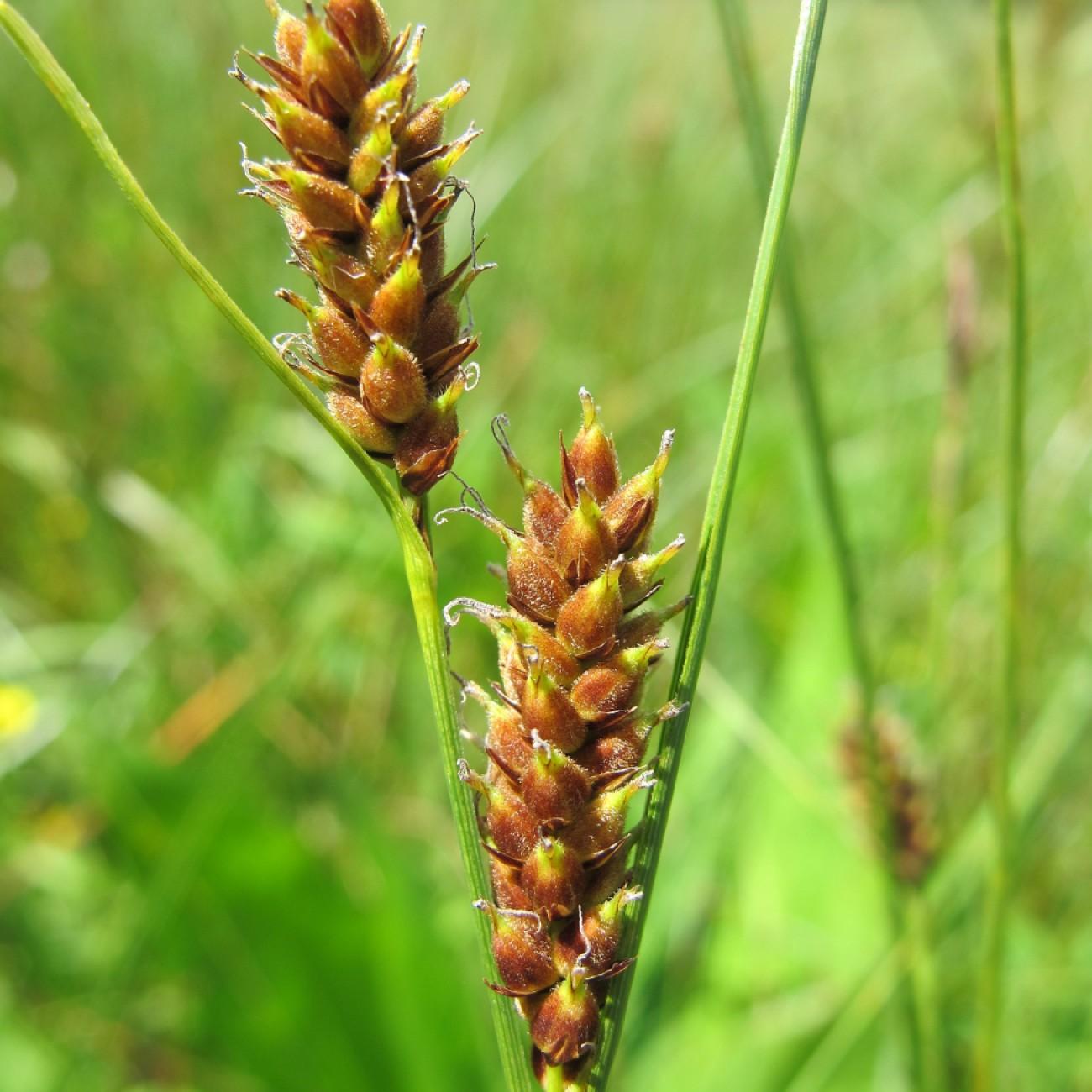
Hudson Bay Sedge is a low-growing, rhizomatous sedge that forms dense tufts of narrow, gray-green foliage adapted to consistently wet, cold environments. It thrives in marshes, shorelines, and wet meadows across its native arctic and subarctic range, where it is a dominant species in many wetland plant communities. Unlike many larger sedge species, its compact size makes it suitable for small water features and northern native garden designs.
Care Guide
Watering
Hudson Bay Sedge requires consistently moist to saturated soil, and can tolerate shallow standing water up to 2 inches deep for extended periods. Do not allow the soil to dry out completely; water frequently in dry conditions to maintain constant moisture levels.
Light
This sedge grows best in full sun to partial shade, with full sun exposure producing the most dense, vigorous clumps in cooler climates. In regions with warmer summer temperatures, provide light afternoon shade to prevent foliage scorch.
Soil
It prefers rich, loamy, acidic to neutral wetland soil with high organic matter content, and can tolerate silty or clay-heavy poorly drained substrates. Avoid well-drained, sandy, or gravelly soils that cannot retain consistent moisture.
Fertilizer
Fertilizer is rarely required in nutrient-rich wetland soils; apply a balanced, slow-release 10-10-10 fertilizer sparingly in early spring only if growth appears stunted or foliage is pale yellow. Avoid over-fertilization, which can promote excessive soft growth and reduce cold hardiness.
Temperature
Hudson Bay Sedge is extremely cold hardy, surviving winter temperatures as low as -40°F (-40°C) in USDA hardiness zones 2 through 7. It does not tolerate high heat and humidity well, and will decline in regions with prolonged summer temperatures above 85°F (29°C).
Pruning
Remove dead or brown foliage in late winter or early spring before new growth emerges to keep clumps looking tidy and improve air circulation. If grown in a garden setting, trim back spreading rhizomes annually in fall to prevent the plant from spreading beyond its desired bounds.
Propagation
The easiest method of propagation is division of established clumps in early spring just as new growth begins to appear, separating rhizome sections with at least 3-4 healthy foliage shoots each. It can also be grown from seed sown directly in moist, cold soil in late fall to allow for natural cold stratification over winter, though germination rates are often low.
Humidity
It tolerates high humidity levels common in wetland environments, and does not require supplemental humidity when grown in consistently moist soil in outdoor settings. Indoor cultivation is not recommended, as dry indoor air will cause rapid foliage desiccation.
Repotting
Hudson Bay Sedge is rarely grown in containers, but if planted in a water feature pot, repot every 2-3 years in early spring to refresh the soil and trim overgrown rhizomes. Use a heavy, loamy aquatic potting mix to prevent the pot from floating in standing water.
Uses & Symbolism
Hudson Bay Sedge is widely used for shoreline stabilization and wetland restoration projects, as its dense rhizome network prevents soil erosion and filters runoff pollutants. It provides valuable cover and food for waterfowl, small mammals, and native pollinators in northern ecosystems, and is a popular choice for native plant rain gardens and cold-climate water features.
Diseases & Pests
Hudson Bay Sedge is relatively pest and disease resistant, though it can develop fungal leaf spots and rust in overly warm, humid conditions with poor air circulation. Root rot may occur if the plant is grown in poorly aerated stagnant water, and aphids and spider mites may occasionally infest stressed foliage in dry conditions.
Related plants
Other plants you might like if you grow Hudson Bay Sedge.