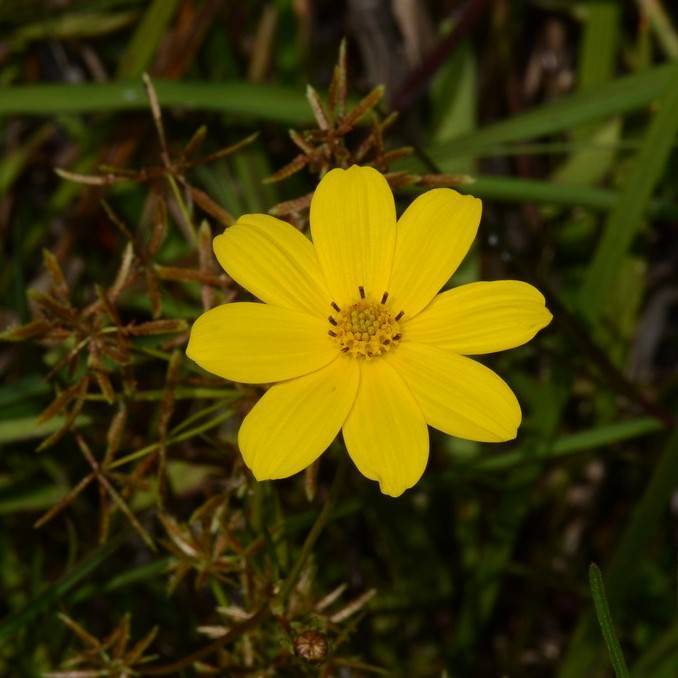
Crowned Beggarticks
Bidens coronata
Overview
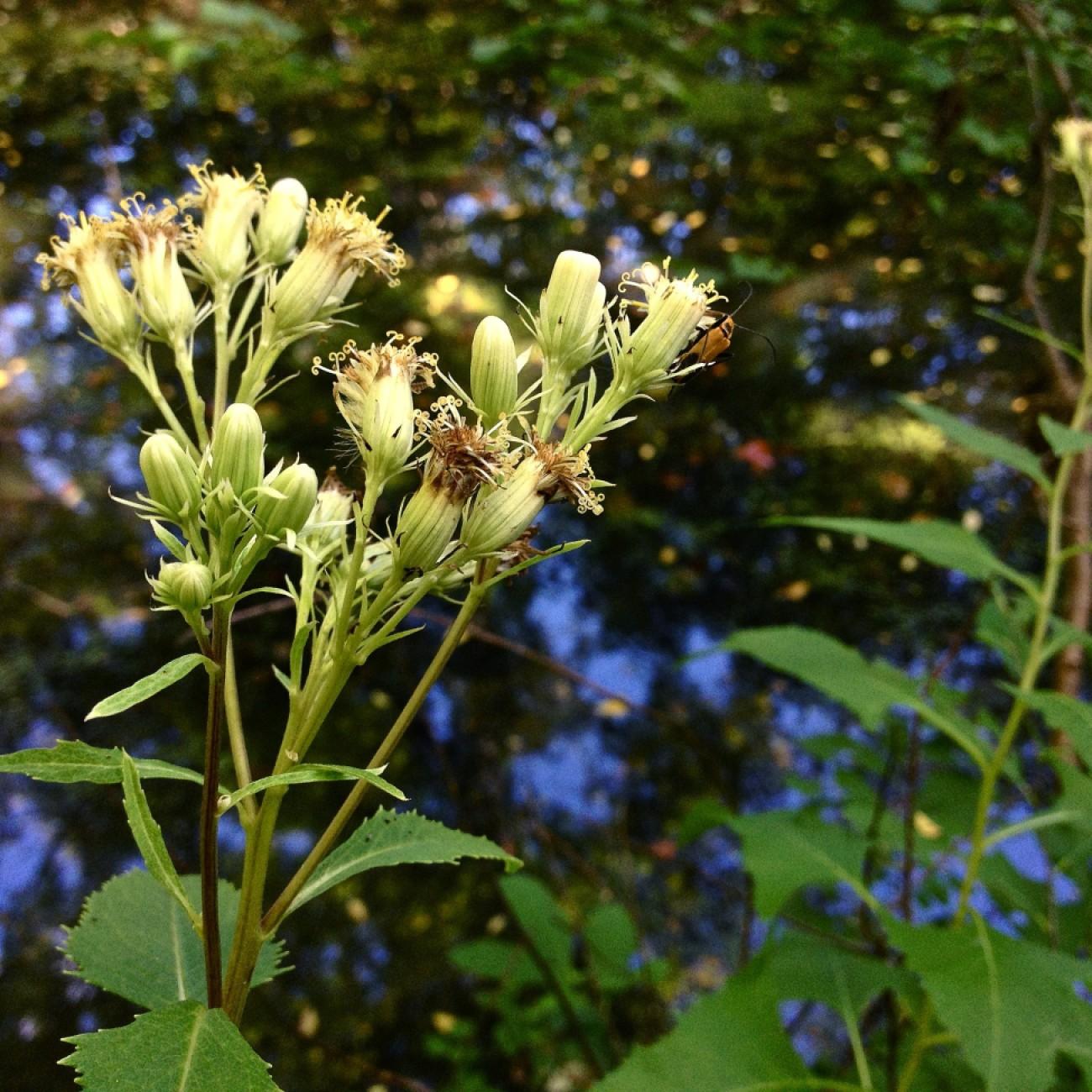
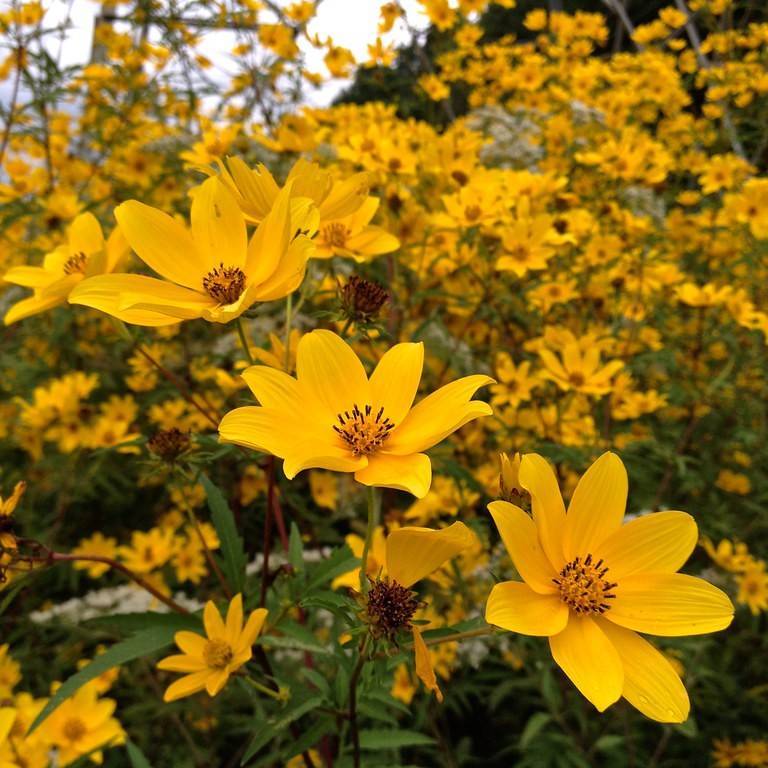
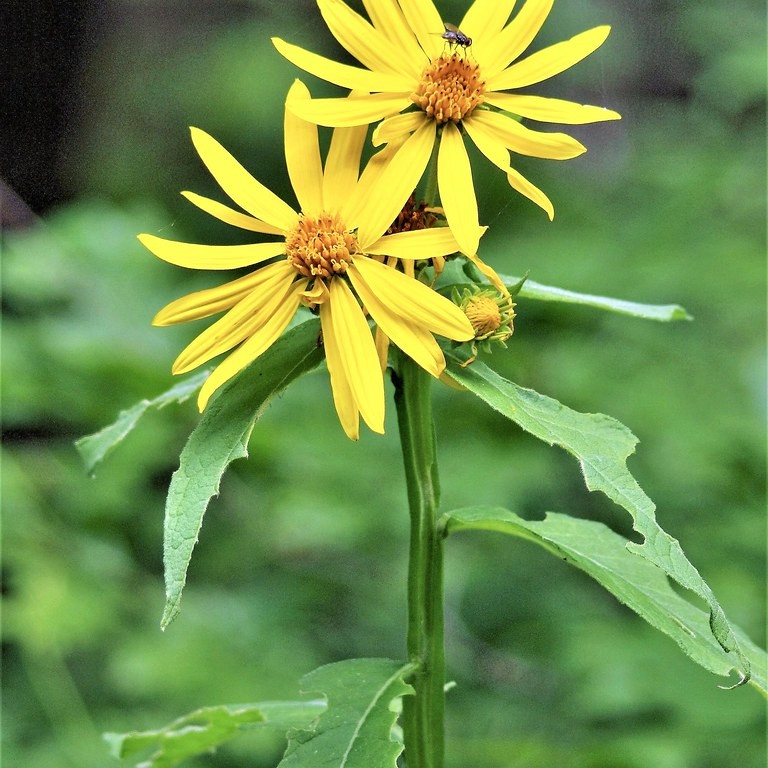
Native to marshes, stream banks, and damp meadows across eastern North America, crowned beggarticks is a fast-growing herbaceous annual in the aster family. It blooms from mid-summer to early fall, producing clusters of 1-2 inch wide bright yellow composite flowers that attract native bees, butterflies, and other pollinators. Its common name comes from its distinctive barbed seed burrs that cling to clothing and animal fur to aid in wide dispersal.
Care Guide
Watering
Crowned beggarticks thrives in consistently moist to wet soil, making it ideal for rain gardens or poorly drained landscape areas. Water regularly to keep soil saturated, especially during periods of drought, as it does not tolerate dry conditions well. Avoid letting the root zone dry out completely, as this will cause wilting and premature plant death.
Light
This plant grows best in full sun, receiving at least 6 hours of direct unfiltered sunlight daily for optimal flowering. It can tolerate partial shade, but will produce fewer blooms and develop a leggier, more sprawling growth habit in low-light conditions. Full sun exposure also helps reduce the risk of fungal foliar diseases by promoting good air circulation around foliage.
Soil
Crowned beggarticks prefers rich, loamy or sandy soil with a neutral to slightly acidic pH range of 6.0 to 7.5. It adapts well to heavy, poorly drained clay soils and even temporary shallow flooding, making it well-suited for wetland restoration projects. It can tolerate occasional compacted soil as long as moisture levels remain consistent.
Fertilizer
This hardy annual rarely requires supplemental fertilization, as it derives sufficient nutrients from average to rich garden soil. If grown in very poor, nutrient-depleted soil, apply a balanced slow-release 10-10-10 fertilizer once at the start of the growing season to support healthy growth. Over-fertilization will lead to excessive foliage production at the expense of flower blooms.
Temperature
Crowned beggarticks grows best in warm summer temperatures between 65°F and 85°F (18°C to 29°C). It is frost-sensitive and will die back immediately after the first hard fall frost in temperate regions. It can tolerate short periods of higher temperatures above 90°F (32°C) as long as soil moisture remains adequate.
Pruning
Pruning is generally unnecessary for crowned beggarticks, though you can deadhead spent flowers throughout the blooming season if you wish to reduce self-seeding. If plants become too sprawling, you can cut back up to one-third of their height in mid-summer to encourage a bushier, more compact growth habit. Remove all dead plant material in late fall after frost kills the foliage to prevent overwintering of pest or disease pathogens.
Propagation
Crowned beggarticks propagates easily from seed, which can be directly sown outdoors in early spring after the last frost date has passed. You can collect mature seed burrs from wild or garden plants in late fall, store them in a cool dry place over winter, and sow them the following spring. This plant also self-seeds readily in favorable growing conditions, often producing new volunteer plants year after year without intervention.
Humidity
This species tolerates a wide range of humidity levels, from moderate to very high, as it is adapted to wetland and riparian habitats. It does not require supplemental humidity when grown in garden settings, even in drier inland regions, as long as soil moisture requirements are met. Good air circulation around foliage helps prevent fungal issues in areas with consistently high humidity.
Repotting
Crowned beggarticks is rarely grown in containers, as its preference for consistently wet soil makes it better suited for in-ground wetland or rain garden plantings. If grown in a pot, use a deep container with drainage holes to accommodate its fibrous root system, and repot only if roots begin to emerge from the drainage holes during the growing season. At the end of the growing season, discard the annual plant and refresh the soil for the following year.
Uses & Symbolism
Crowned beggarticks is widely used in native pollinator gardens, rain gardens, and wetland restoration projects to support local bee, butterfly, and beneficial insect populations. Its ability to thrive in saturated soil makes it useful for erosion control along stream banks and in areas prone to seasonal flooding. While not a common ornamental, its bright yellow blooms add cheerful late-season color to naturalized landscape areas.
Diseases & Pests
Crowned beggarticks is relatively pest and disease resistant, though it can develop powdery mildew and leaf spot fungal diseases in areas with poor air circulation and prolonged high humidity. Aphids and spider mites may occasionally infest foliage, especially on plants grown in overly dry conditions or nutrient-depleted soil. Root rot can occur if plants are grown in standing water for extended periods beyond their normal tolerance.
Related plants
Other plants you might like if you grow Crowned Beggarticks.