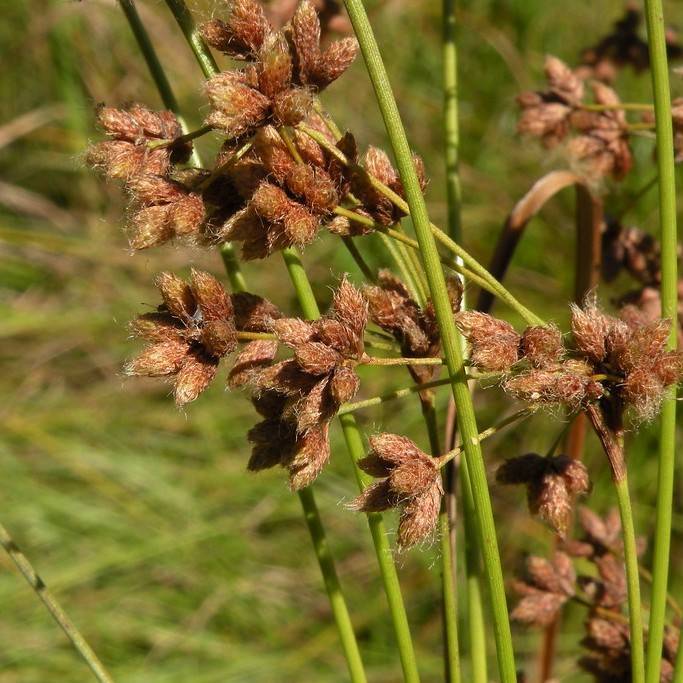
Green Bulrush
Scirpus atrovirens
Overview
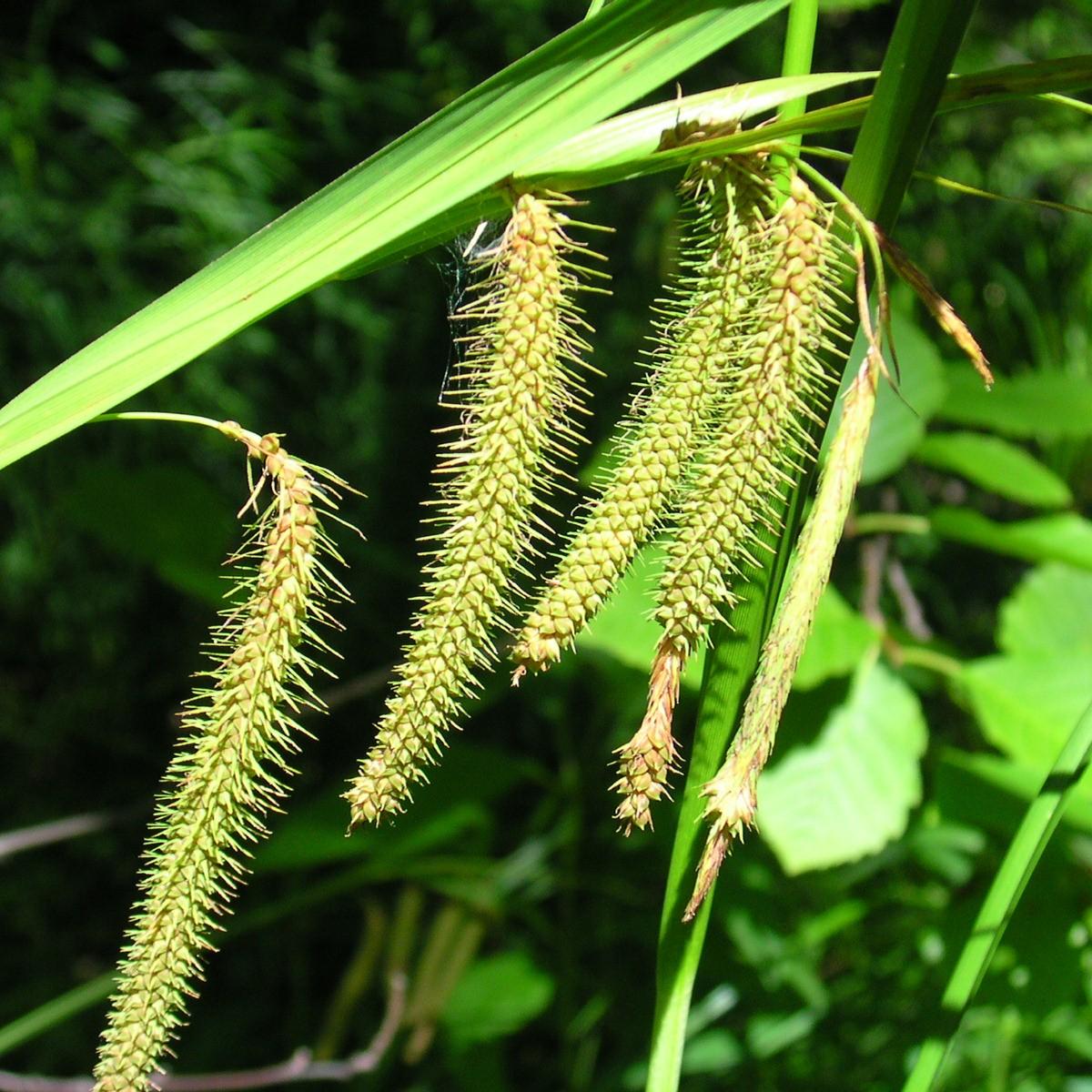
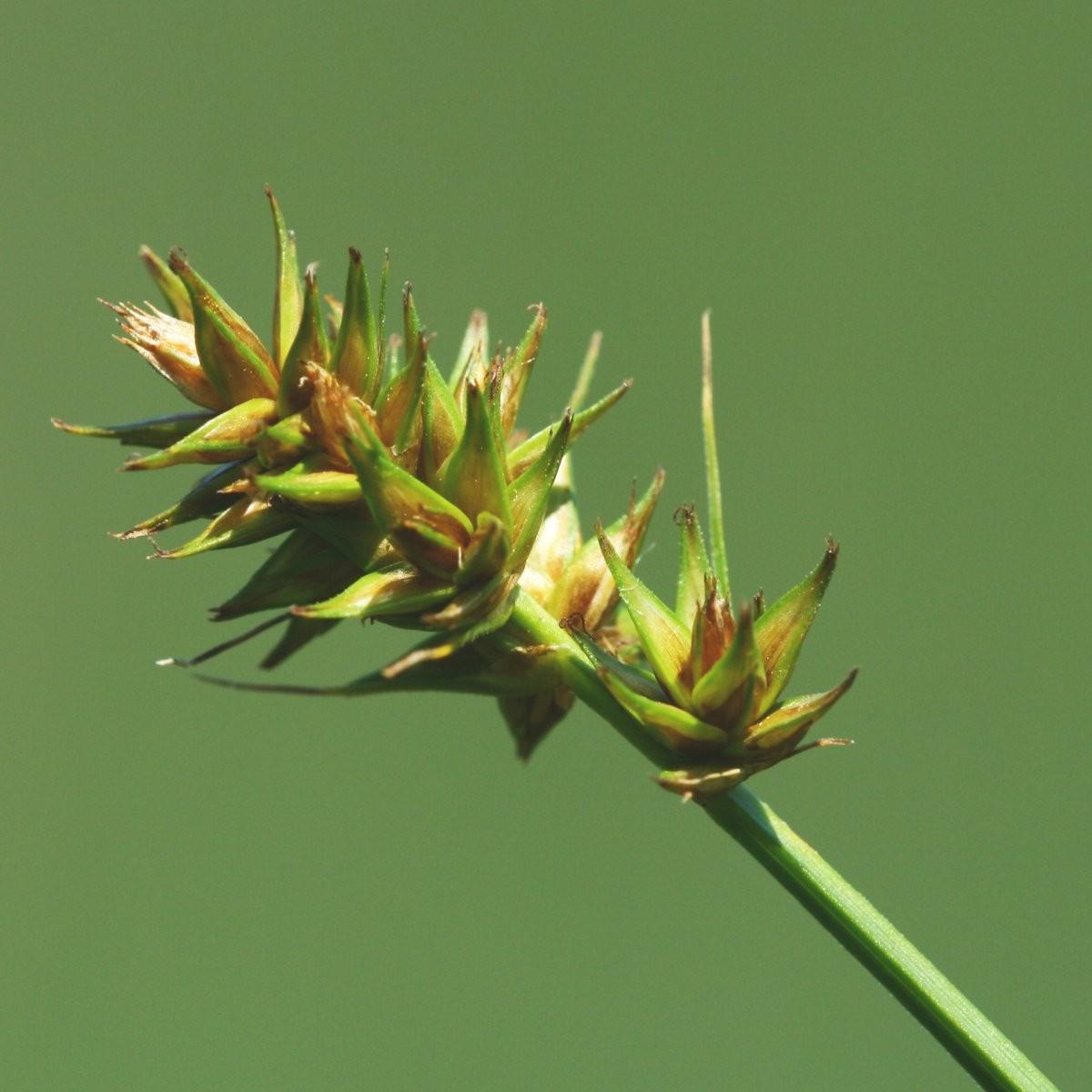
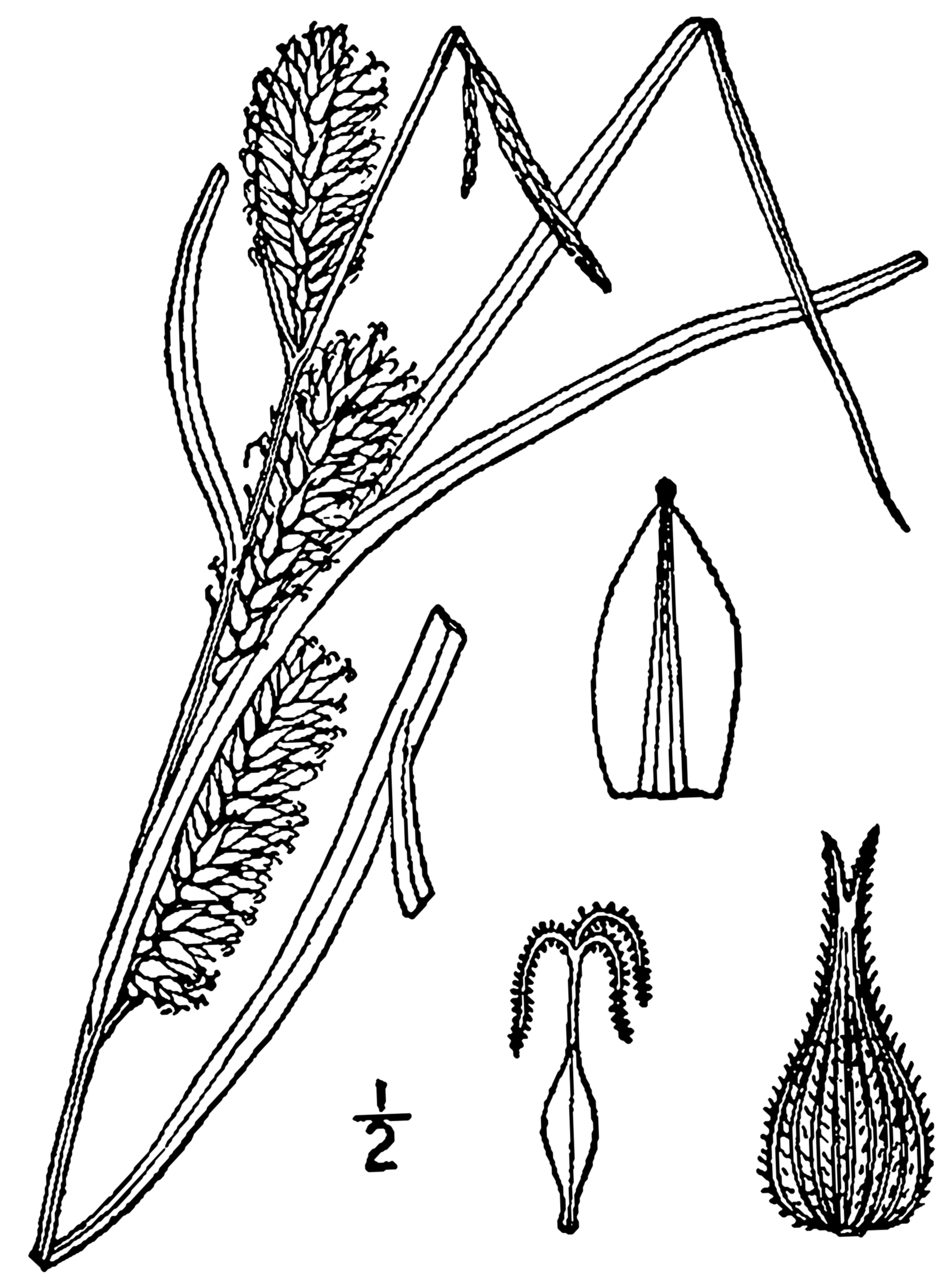
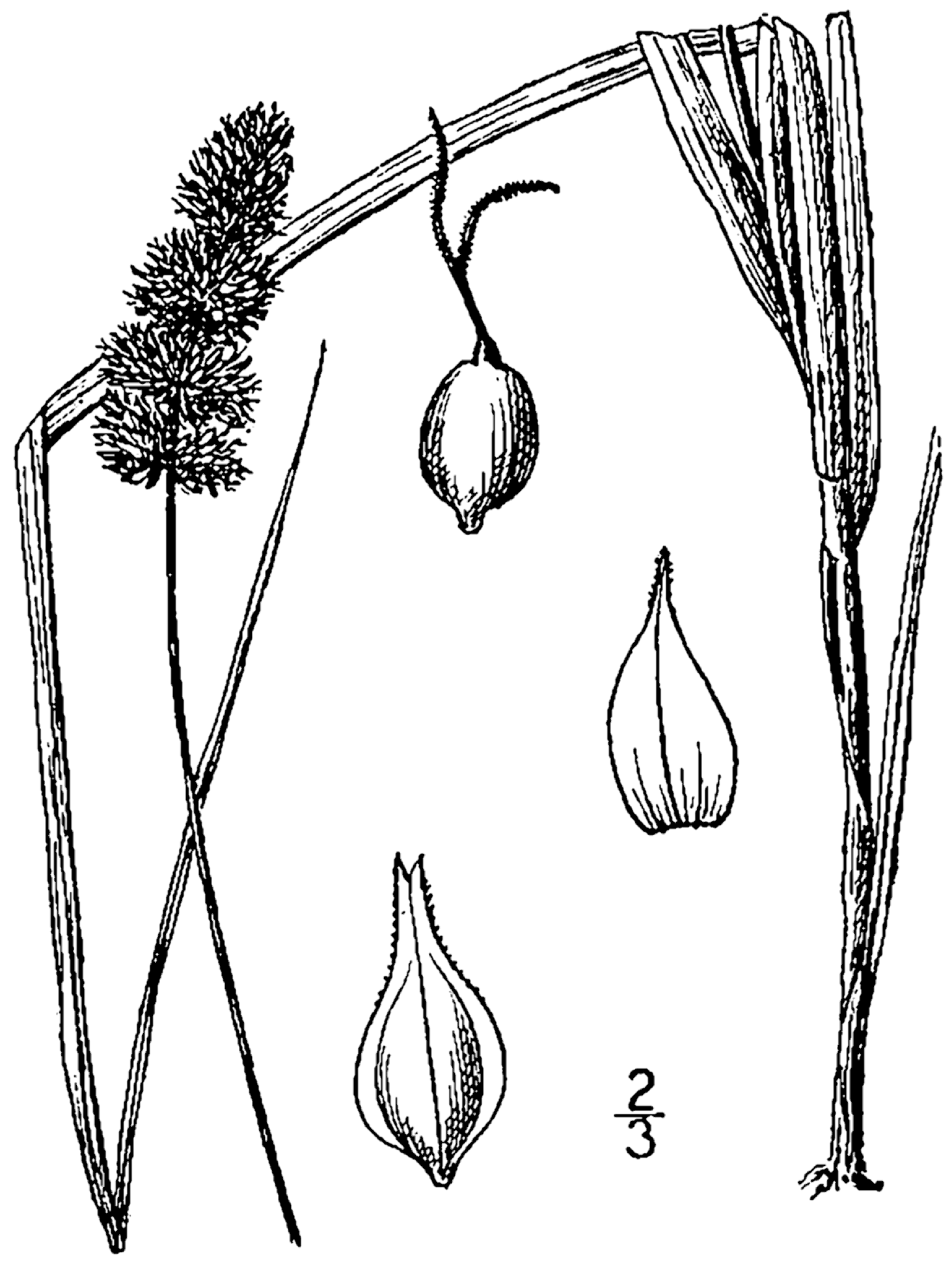
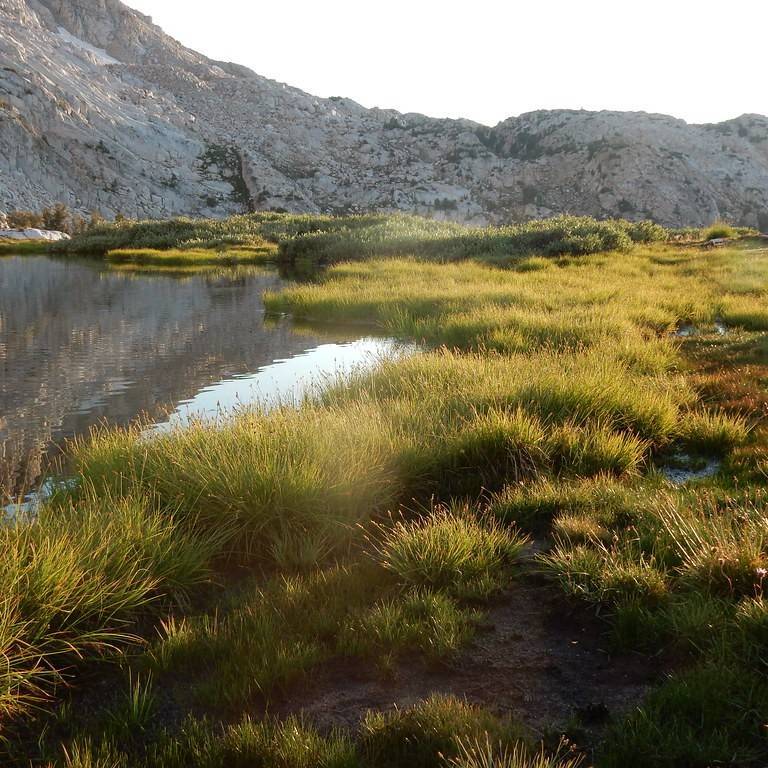
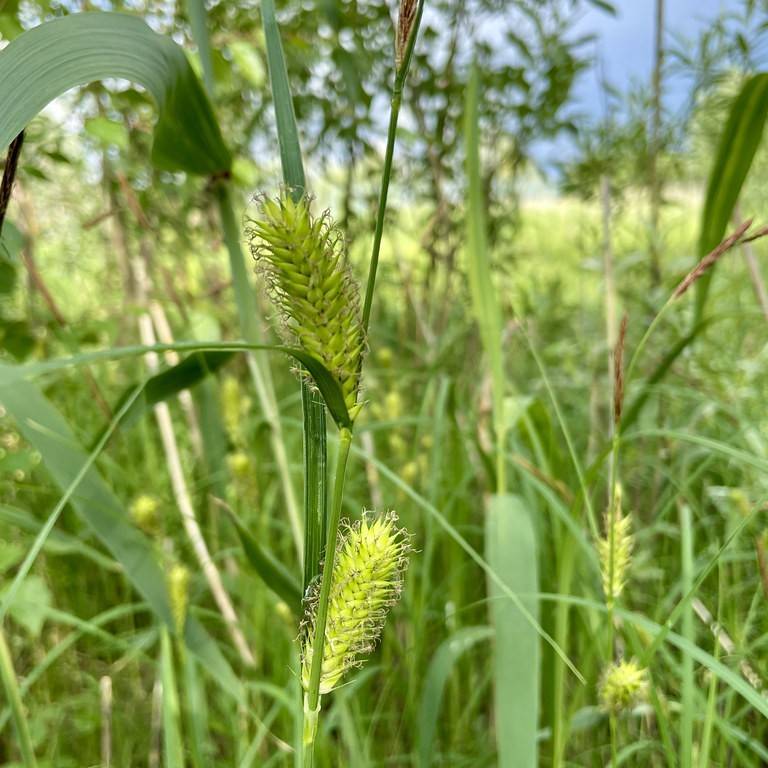
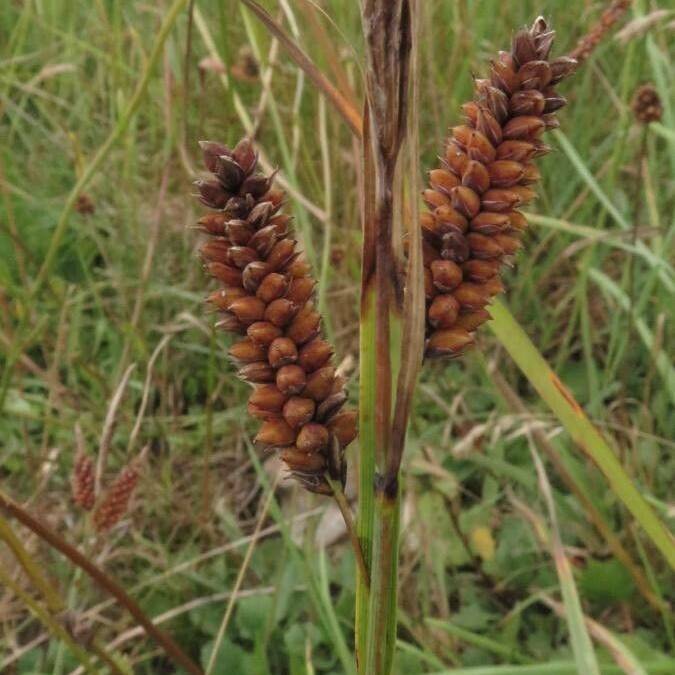
Green bulrush is a rhizomatous perennial sedge native to North American wetland habitats, including marshes, swamps, pond edges, and seasonally flooded meadows. It produces stiff, triangular stems lined with narrow, grass-like bright green leaves, and bears dense clusters of small, dark brown spikelet flowers from early to mid-summer. This plant is a keystone wetland species, supporting a wide range of native pollinators, birds, and aquatic wildlife, while also helping to stabilize shorelines and filter runoff.
Care Guide
Watering
Green bulrush requires consistently moist to saturated soil, and can tolerate standing water up to 6 inches deep for extended periods; never allow the soil to dry out completely, as drought will quickly stress and kill the plant. In garden settings, water deeply 2-3 times per week in dry weather to maintain saturated soil conditions, and position it in low-lying areas where water naturally accumulates.
Light
This species grows best in full sun, receiving 6 or more hours of direct sunlight daily, which supports robust clumping growth and abundant flower production. It can tolerate partial shade, though growth will be sparser, and it may produce fewer flower spikelets in low light conditions.
Soil
Green bulrush adapts to a wide range of wet soil types, including clay, loam, and muck, as long as the substrate remains consistently moist or saturated. It tolerates acidic to neutral pH levels, and even thrives in poorly drained, compacted wet soils that most other plants cannot survive in.
Fertilizer
Fertilization is rarely needed for green bulrush, as it can access sufficient nutrients from wetland soils, especially in its native habitat. If grown in poor, nutrient-depleted garden soil, apply a balanced slow-release fertilizer once per year in early spring before new growth emerges, avoiding high-nitrogen formulas that can promote excessive foliage growth at the expense of flowers.
Temperature
Green bulrush is extremely cold-hardy, thriving in USDA hardiness zones 3 through 9, and can tolerate winter temperatures as low as -40°F (-40°C) when its root system is protected by wet soil or mulch. It adapts to summer temperatures up to 95°F (35°C), as long as it has access to sufficient moisture to counteract heat stress.
Pruning
Prune back dead, brown foliage and spent flower stalks in late winter or early spring before new growth emerges to keep clumps looking tidy and encourage fresh, healthy leaf production. If clumps spread beyond their desired area, cut back rhizomes at the edge of the planting site in early spring to contain growth, as this species can be aggressive in optimal wet conditions.
Propagation
Green bulrush is most easily propagated by division in early spring, when dormant clumps are dug up, split into smaller sections with intact rhizomes and roots, and replanted immediately in moist soil. It can also be grown from seed, which should be sown on the surface of wet, saturated soil in fall or cold-stratified for 60 days before spring sowing to improve germination rates.
Humidity
This species thrives in high humidity levels typical of wetland environments, ranging from 60% to 90% relative humidity, which supports lush, healthy foliage growth. It can tolerate average garden humidity levels as long as its soil moisture requirements are consistently met, though very dry air may cause leaf tip browning in prolonged hot, arid conditions.
Repotting
If grown in containers for water gardens or patio displays, repot green bulrush every 2-3 years in early spring, before new growth begins, to refresh the soil and prevent root binding. Use a heavy, loamy potting mix designed for aquatic plants, and choose a wide, deep pot with drainage holes that can be submerged partially in water to maintain consistent soil saturation.
Uses & Symbolism
Green bulrush is widely planted in wetland restoration and rain garden projects to stabilize shorelines, prevent erosion, and filter excess nutrients and pollutants from stormwater runoff. It provides valuable habitat and food for native wildlife, including seed-eating birds, pollinating bees, and aquatic insects, and its dense clumps offer shelter for small amphibians and fish. It is also a popular ornamental plant for water gardens, pond edges, and bog gardens, adding texture and vertical interest to moist landscape sites.
Diseases & Pests
Green bulrush is largely resistant to most pests and diseases, though it may occasionally develop fungal leaf spot in prolonged, warm, humid conditions with poor air circulation around clumps. Root rot can occur if the plant is grown in poorly drained soil that is not consistently saturated, or if it is exposed to prolonged drought followed by overwatering. Aphids and spider mites may infest foliage during extended dry periods, but these pests can be easily controlled with a strong spray of water or insecticidal soap.
Related plants
Other plants you might like if you grow Green Bulrush.