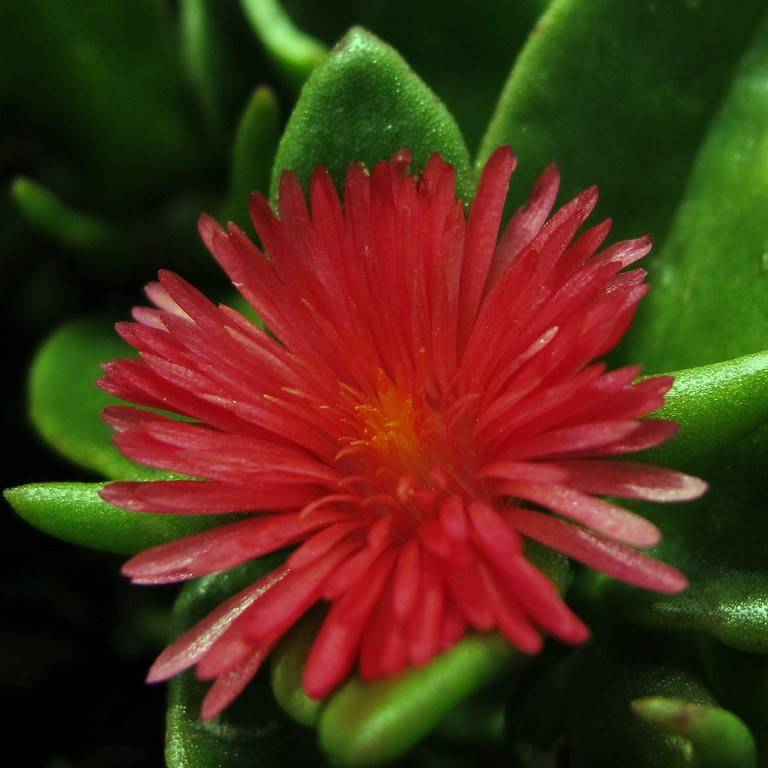
Heartleaf Iceplant
Mesembryanthemum cordifolium (syn. Aptenia cordifolia)
Overview
Heartleaf iceplant is a mat-forming succulent named for the glistening, water-storing cells on its foliage that resemble tiny ice crystals. It produces abundant small, vivid pink or purple daisy-shaped flowers that open in bright sunlight from spring through fall. Native to South Africa’s warm coastal areas, it thrives in hot, dry conditions and spreads quickly to form dense, weed-suppressing ground cover in suitable climates. It is also widely grown as a hanging houseplant or trailing container specimen for its low-maintenance care and attractive trailing habit.
Care Guide
Watering
Water thoroughly only when the top 1-2 inches of soil are completely dry, typically every 10-14 days in growing season, reducing to once a month in winter to prevent root rot. Avoid overhead watering to keep foliage dry, and ensure pots have ample drainage holes to prevent standing water around the root system.
Light
Thrives in full sun to partial shade, requiring at least 6 hours of direct sunlight daily to produce abundant flowers and maintain compact growth. Indoor specimens should be placed in a south or west-facing window; insufficient light will cause leggy growth and reduced flowering.
Soil
Requires sharply draining, low-nutrient soil with a neutral to slightly acidic pH between 6.0 and 7.0. A commercial cactus or succulent mix works well, or you can amend regular potting soil with 50% perlite or coarse sand to improve drainage and prevent water retention.
Fertilizer
Feed sparingly only once in early spring with a diluted balanced liquid fertilizer (10-10-10) at half the recommended strength to support new growth. Over-fertilizing will cause excessive soft, leggy growth and reduce flowering, so avoid feeding in summer and winter months when the plant’s growth slows.
Temperature
Prefers warm temperatures between 65-85°F (18-29°C) during the growing season, and can tolerate brief dips down to 30°F (-1°C) if kept dry, but is damaged by prolonged frost. Indoor plants should be kept away from cold drafts from windows or air conditioning units in winter to prevent leaf drop.
Pruning
Trim back leggy or overgrown stems in early spring to encourage bushier, more compact growth and promote more abundant flowering through the season. Remove spent flower heads regularly to extend the blooming period, and cut away any yellowed or rotting stems to improve air circulation around the plant.
Propagation
Easily propagated from stem cuttings taken in spring or summer; snip 3-4 inch healthy stem tips, allow the cut end to callous over for 1-2 days, then plant in moist, well-draining succulent soil. Cuttings root quickly in 2-3 weeks with minimal care, and can also be propagated by division of mature clumps during repotting.
Humidity
Adaptable to low to moderate humidity levels between 30-50%, making it well suited to average indoor household conditions. Avoid high humidity environments, as excess moisture in the air can cause fungal leaf spots and root rot, especially if the plant is not receiving sufficient sunlight.
Repotting
Repot every 2-3 years in early spring, only when the plant has outgrown its current container and roots are emerging from the drainage holes. Use a slightly larger pot with ample drainage, and take care not to damage the shallow, delicate root system during the repotting process.
Uses & Symbolism
Heartleaf iceplant is widely used as a drought-tolerant ground cover in xeriscapes, rock gardens, and sloped landscapes to control erosion and add seasonal color. It is a popular trailing houseplant for hanging baskets and window boxes, where its cascading stems and bright flowers create a lush, decorative display. In its native range, the fleshy leaves are occasionally eaten raw in salads, with a mild, salty, crisp flavor.
Diseases & Pests
Overwatering and poor drainage are the most common causes of root rot, the primary disease affecting heartleaf iceplant, which presents as yellowing, mushy stems and wilting foliage. Common pests include aphids, mealybugs, and spider mites, which tend to colonize the undersides of leaves and stem crevices; these can be controlled with neem oil or insecticidal soap applied at the first sign of infestation. Fungal leaf spots may occur in overly humid conditions or if foliage remains wet for extended periods, which can be prevented by watering at the base of the plant and ensuring good air circulation.
Related plants
Other plants you might like if you grow Heartleaf Iceplant.
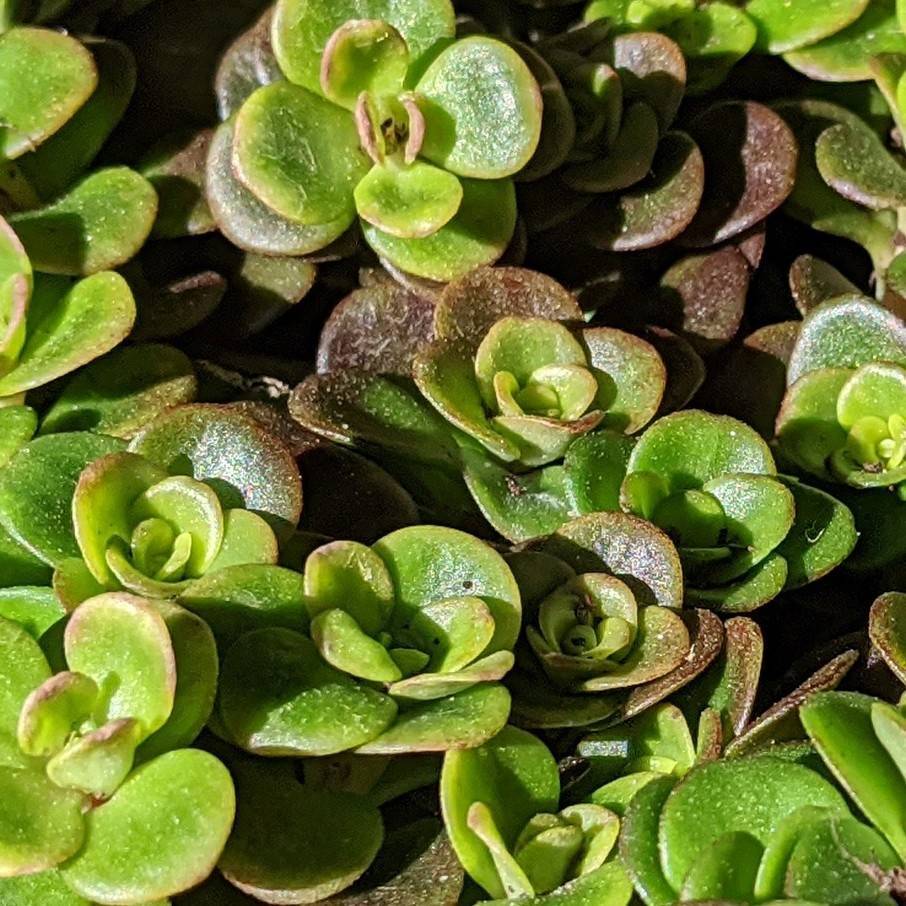
Chinese Sedum
Sedum tetractinum
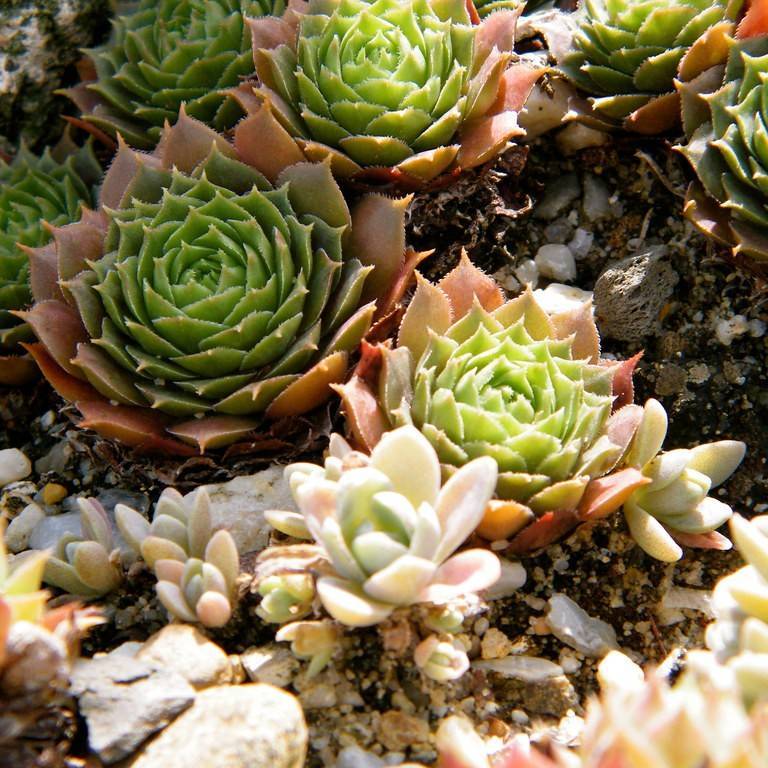
Hens And Chicks
Sempervivum tectorum
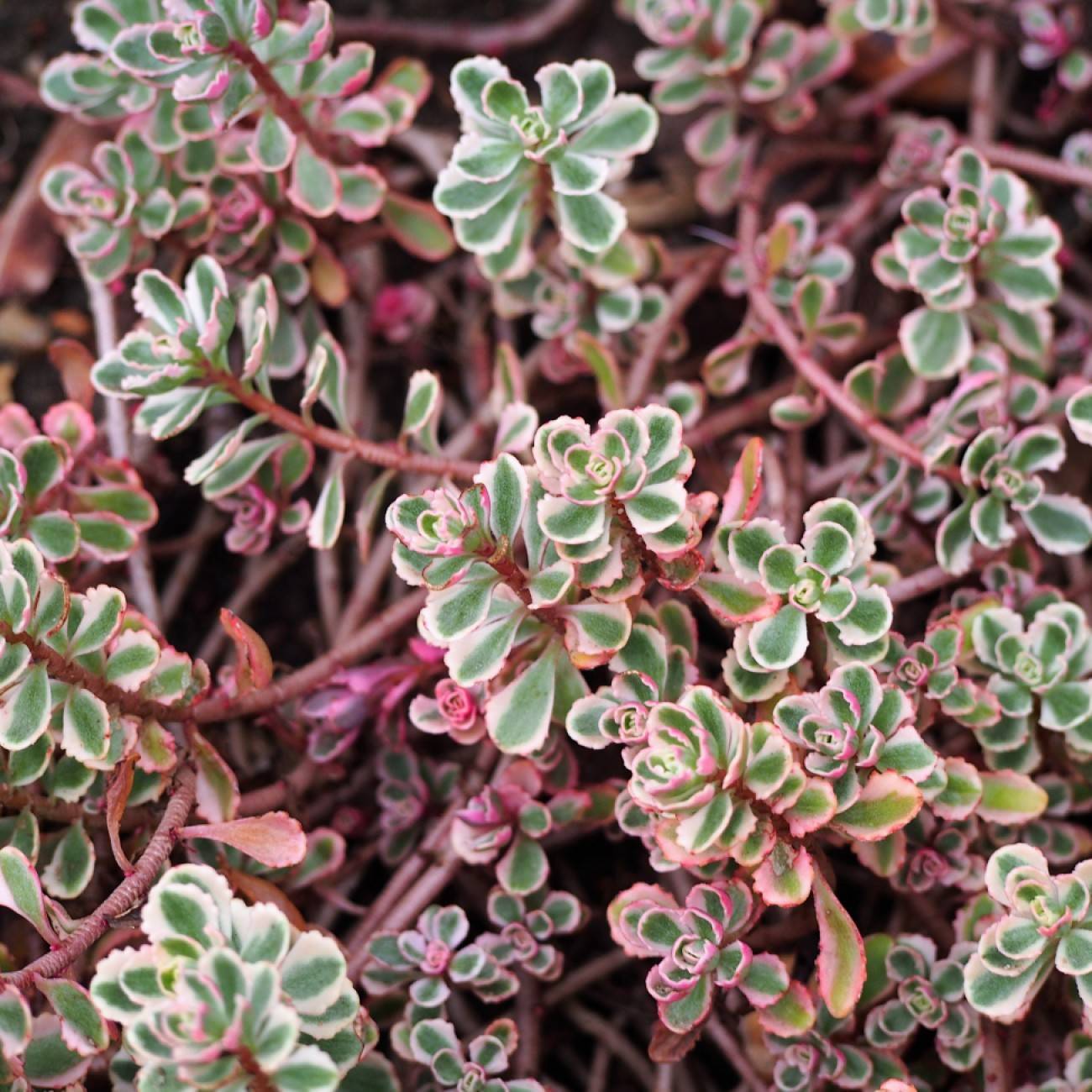
Caucasian Stonecrop
Phedimus spurius, formerly Sedum spurium
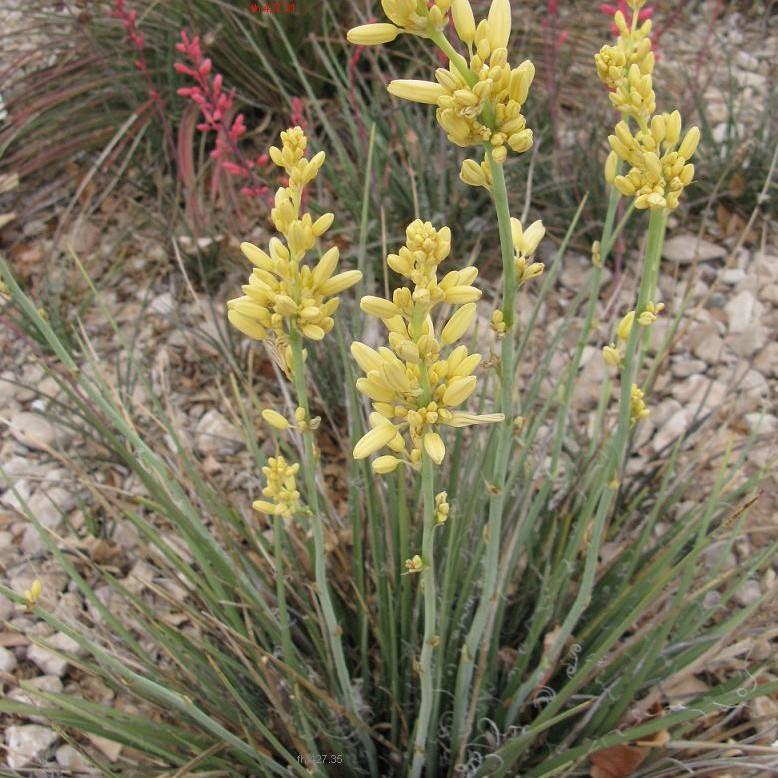
False Yucca
Hesperaloe parviflora
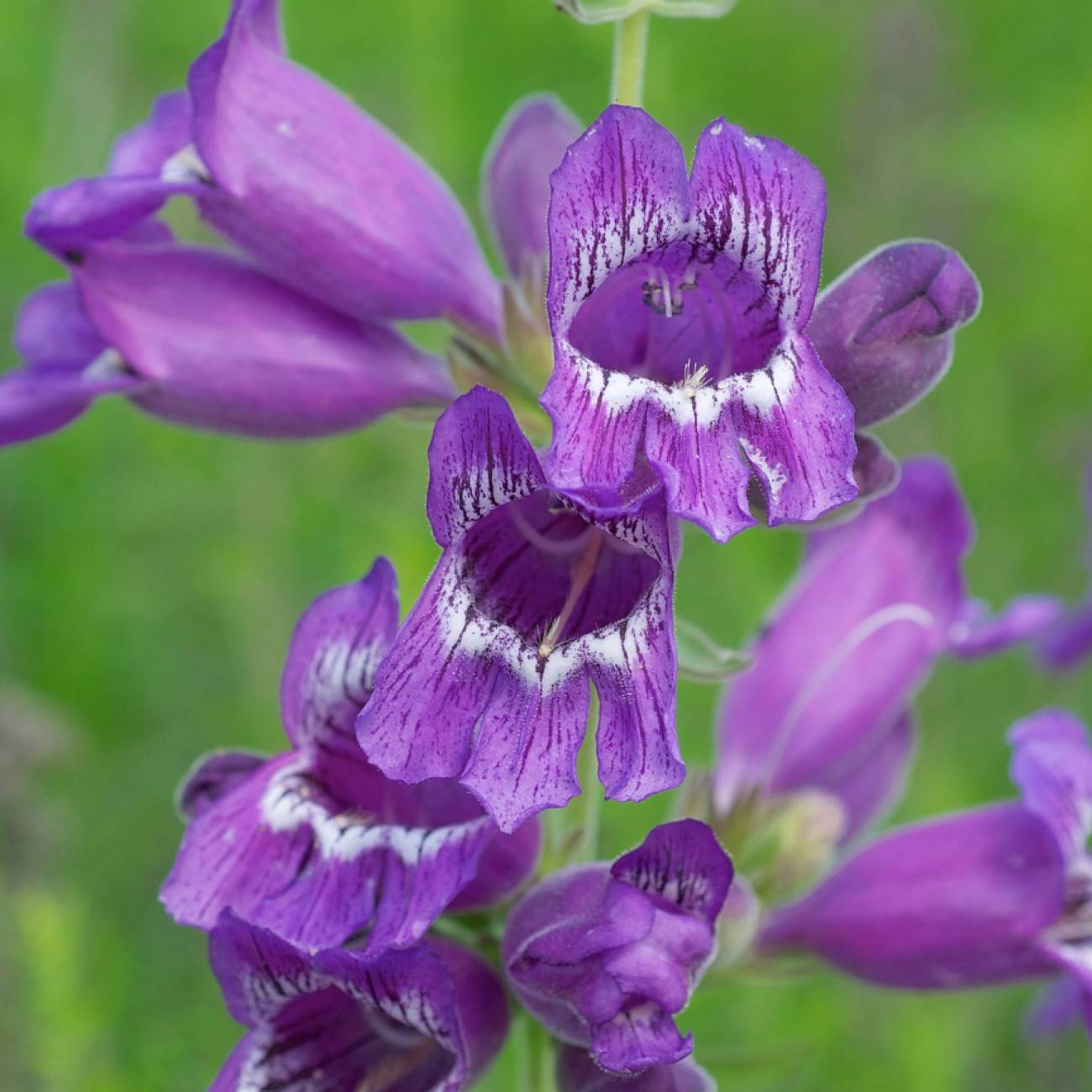
Dew Flower
Drosanthemum floribundum
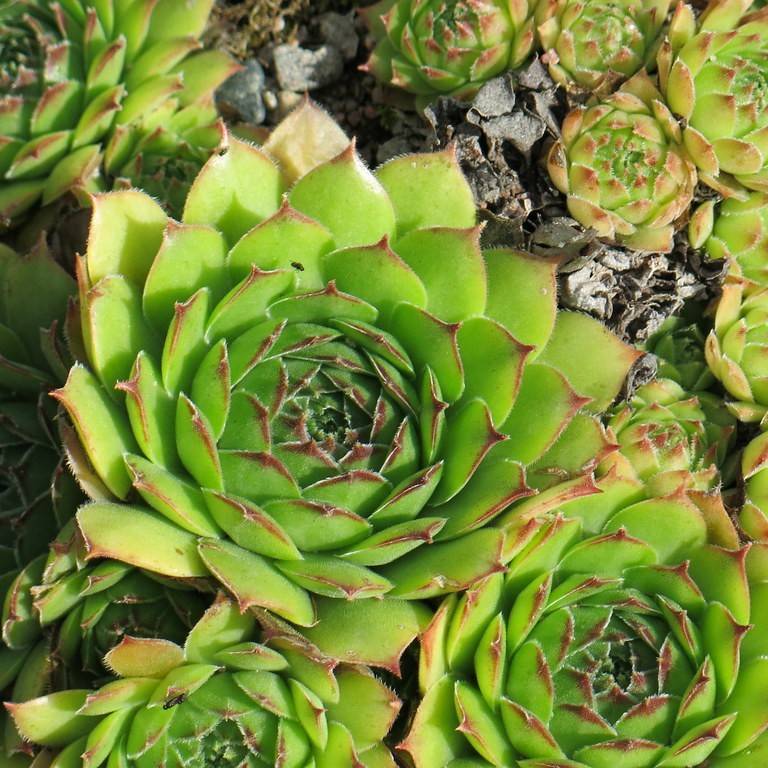
House Leek
Sempervivum tectorum
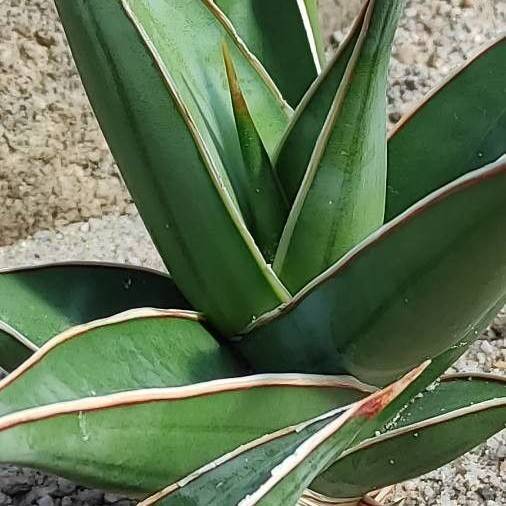
Blue Sansevieria
Sansevieria masoniana 'Blue' (syn. Dracaena masoniana 'Blue')
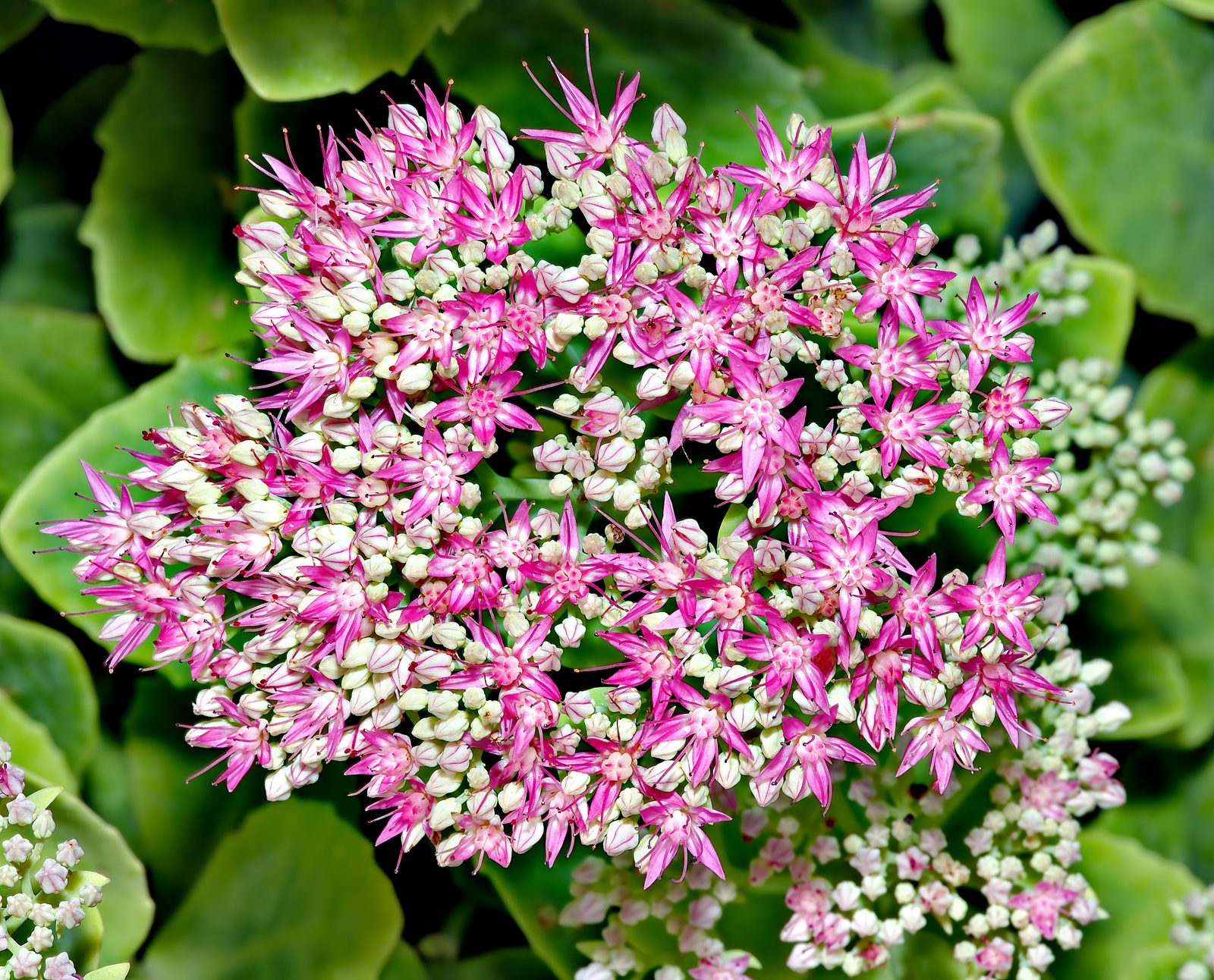
Hylotelephium
Hylotelephium spp.