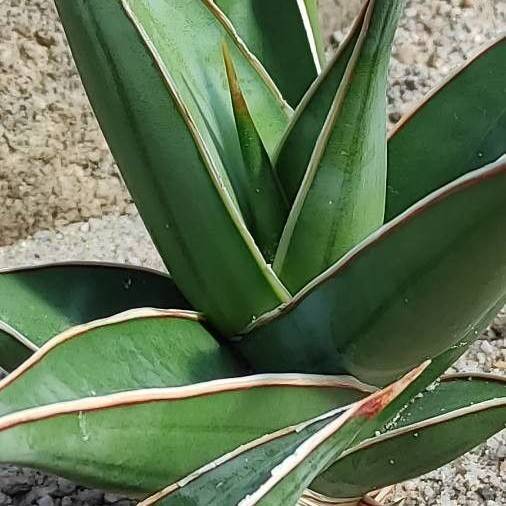
Blue Sansevieria
Sansevieria masoniana 'Blue' (syn. Dracaena masoniana 'Blue')
Overview
Blue Sansevieria, a cultivar of the popular snake plant species, is distinguished by its thick, broad leaves that bear a muted, powdery blue-gray hue and subtle dark green horizontal banding. Like other sansevierias, it is renowned for its ability to filter common indoor air pollutants including formaldehyde, benzene, and xylene, even during nighttime hours. Its rigid, upright growth habit makes it a striking vertical accent for homes, offices, and low-light spaces where few other plants thrive.
Care Guide
Watering
Blue Sansevieria is extremely drought-tolerant, storing water in its thick leaves and rhizomes. Allow the entire soil volume to dry out completely between waterings, and reduce watering to once every 4-6 weeks in the winter to avoid root rot.
Light
Thrives in a wide range of light conditions, from low indirect light to bright, filtered sunlight. Prolonged exposure to direct, intense midday sun may scorch the leaf tips and fade the distinctive blue foliage, so provide partial shade in hot climates.
Soil
Requires a fast-draining, porous soil mix to prevent waterlogging. A commercial cactus or succulent mix works well, or you can create your own by combining regular potting soil with perlite, coarse sand, or pumice in a 1:1 ratio.
Fertilizer
This is a light-feeding plant that rarely needs supplemental fertilization. Apply a diluted, balanced houseplant fertilizer once or twice a year during the spring and summer growing season, and avoid fertilizing entirely in fall and winter.
Temperature
Prefers average room temperatures between 60-85°F (15-29°C). It can tolerate brief dips down to 50°F (10°C) but will suffer damage if exposed to freezing temperatures or prolonged cold below 45°F (7°C).
Pruning
Pruning is rarely required, but you can remove yellowed, damaged, or dead leaves at the base with clean, sharp shears to maintain a tidy appearance. You may also trim off brown leaf tips if desired, cutting just above the damaged tissue to avoid harming healthy growth.
Propagation
Easiest to propagate via division of the rhizomatous root system during repotting, separating new offset pups that grow at the base of the parent plant. Leaf cuttings are also possible, though they may revert to the standard green leaf color and lose the blue cultivar trait.
Humidity
Adaptable to nearly all indoor humidity levels, from dry office air to moderately humid environments. No additional misting or humidity adjustments are required, making it ideal for arid climates and heated indoor spaces.
Repotting
Grows slowly and prefers to be slightly root-bound, so repot only once every 3-5 years, or when the rhizomes begin to push against the edges of the pot or break through the drainage holes. Choose a pot only 1-2 inches larger than the current one, and ensure it has adequate drainage holes.
Uses & Symbolism
Primarily grown as a low-maintenance ornamental houseplant, adding architectural interest and a cool blue tone to modern interiors, dark corners, and minimalist decor. It is a popular choice for commercial spaces and beginner plant owners due to its extreme tolerance of neglect, low light, and inconsistent watering. In traditional African medicine, related sansevieria species have been used topically to treat minor wounds and inflammation, though ingestion is not recommended.
Diseases & Pests
Generally very pest-resistant, but overwatering can lead to fungal root rot, the most common issue affecting this plant. Occasional pests include mealybugs and spider mites, which can be removed with a cotton swab dipped in rubbing alcohol or treated with neem oil.
Guides that mention Blue Sansevieria
Related plants
Other plants you might like if you grow Blue Sansevieria.
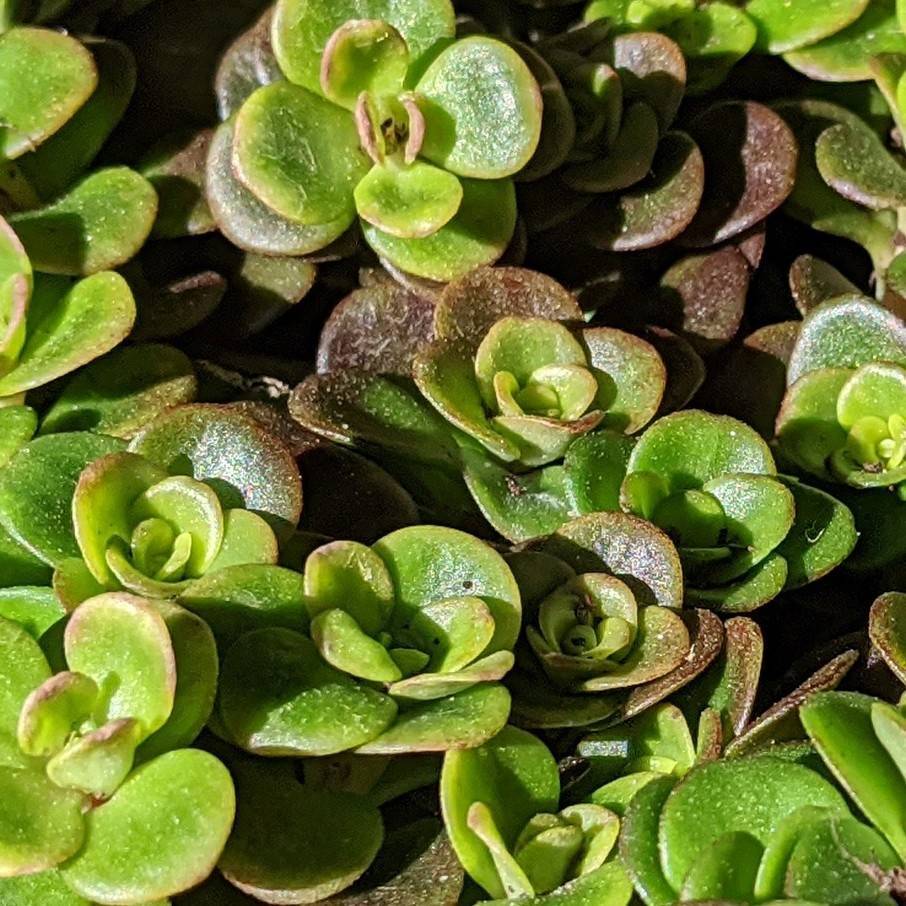
Chinese Sedum
Sedum tetractinum
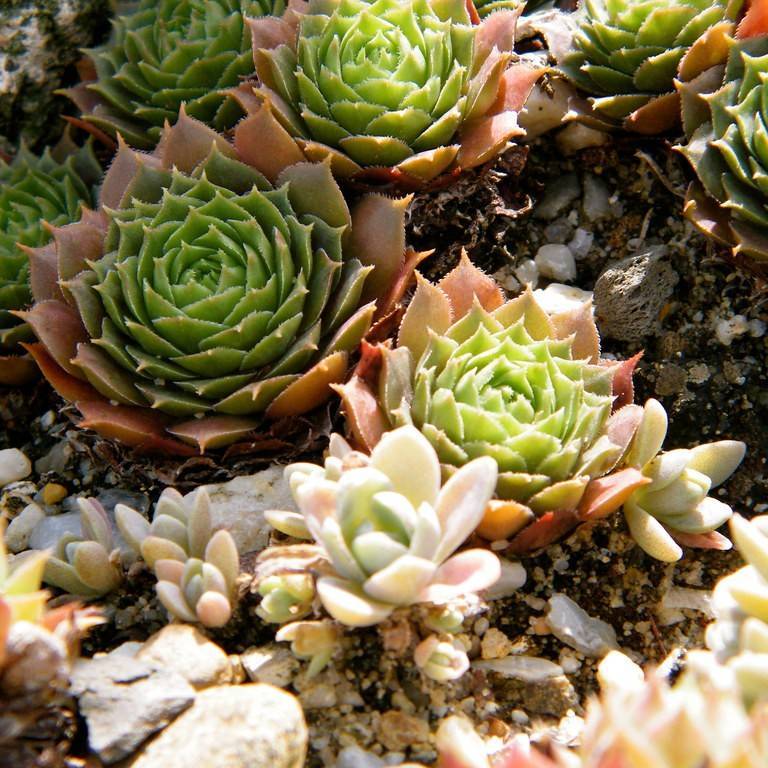
Hens And Chicks
Sempervivum tectorum
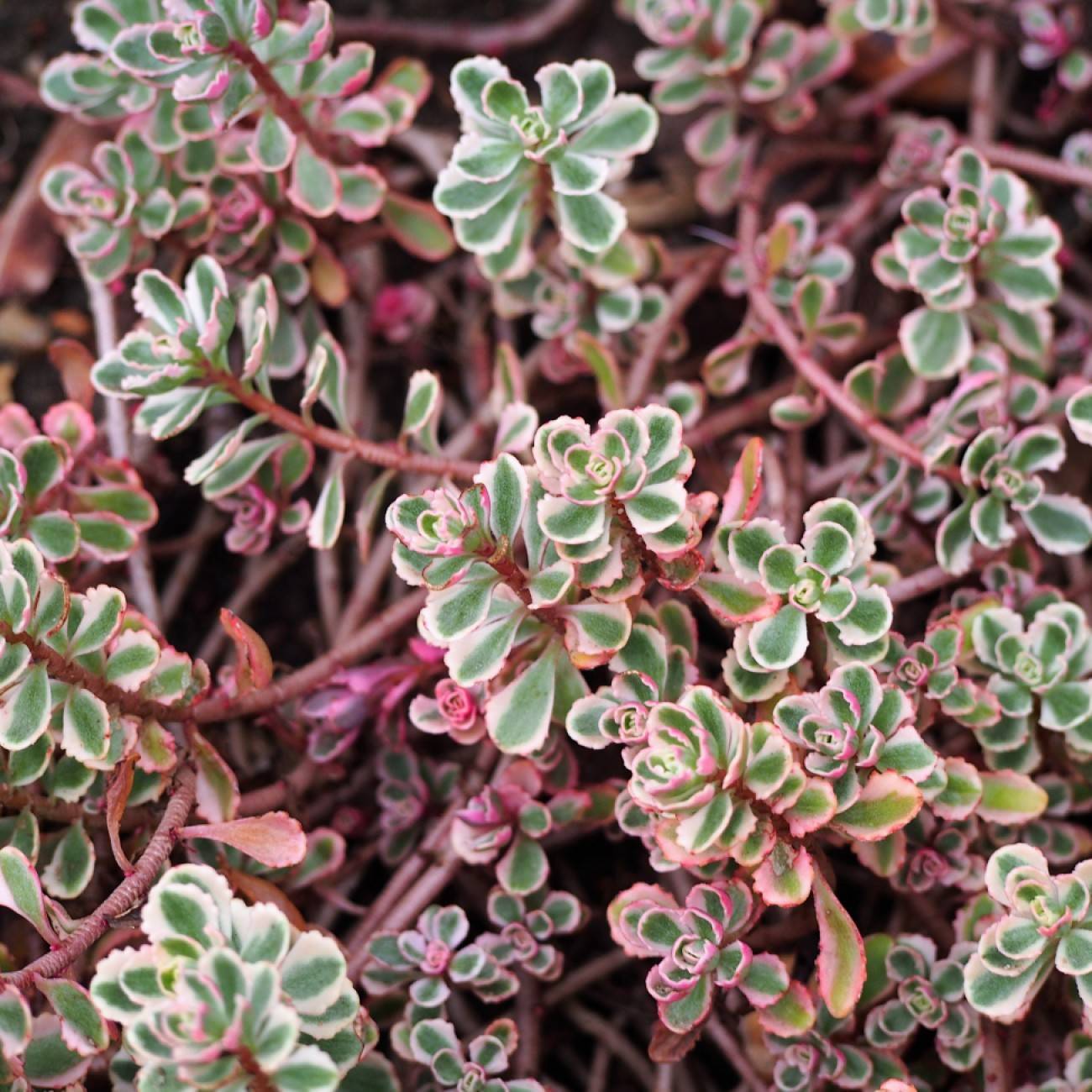
Caucasian Stonecrop
Phedimus spurius, formerly Sedum spurium
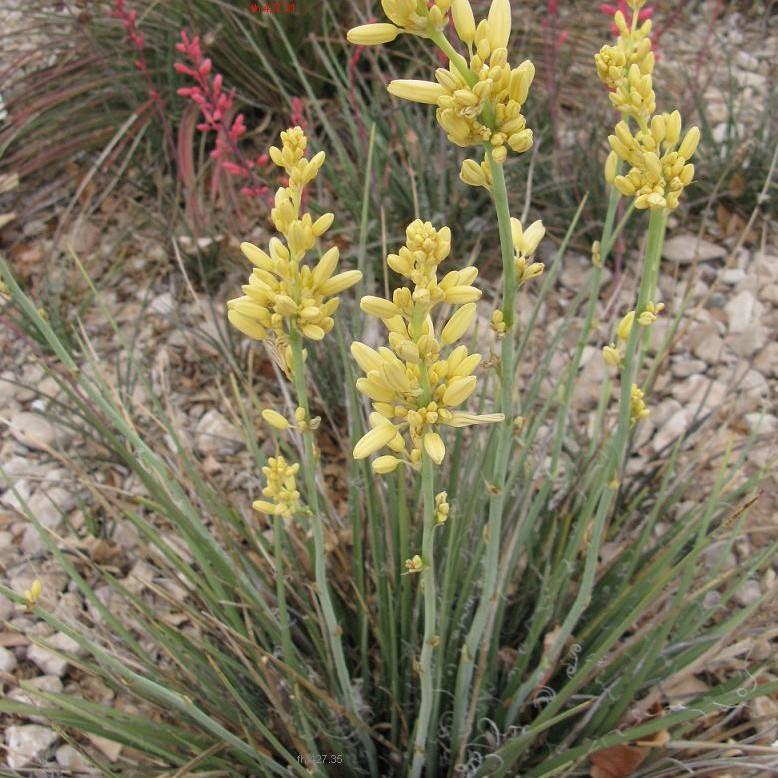
False Yucca
Hesperaloe parviflora
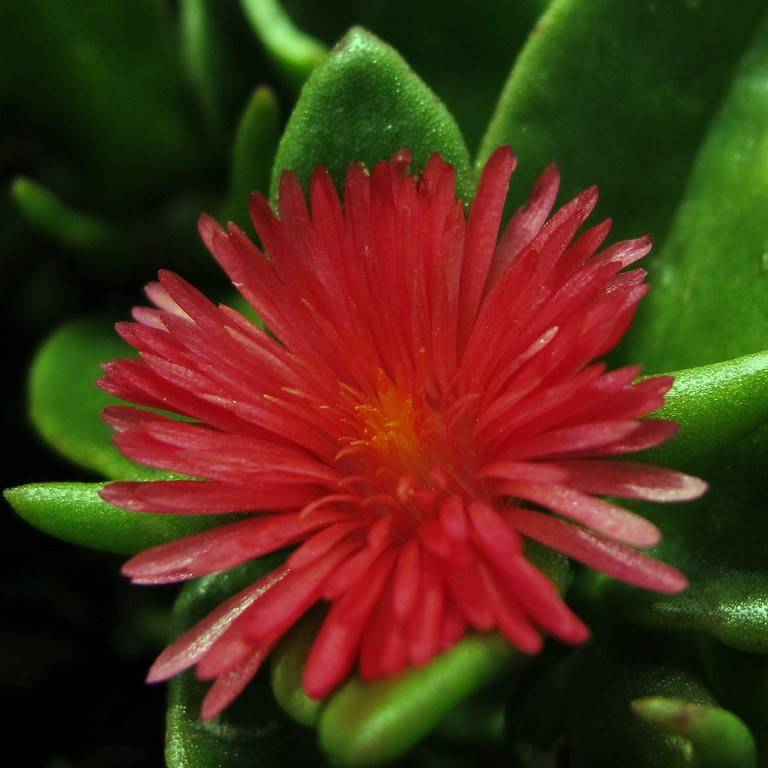
Heartleaf Iceplant
Mesembryanthemum cordifolium (syn. Aptenia cordifolia)
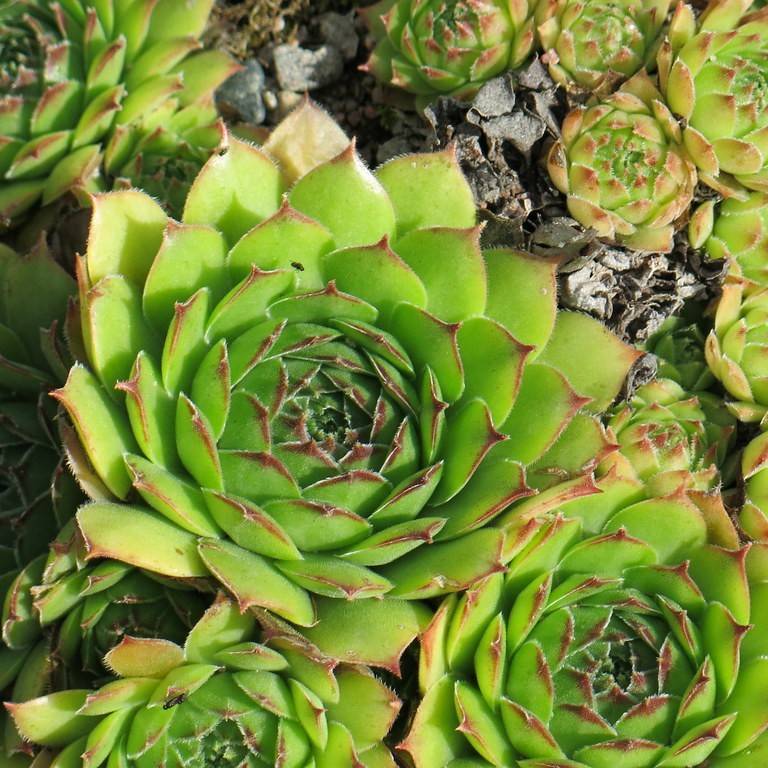
House Leek
Sempervivum tectorum
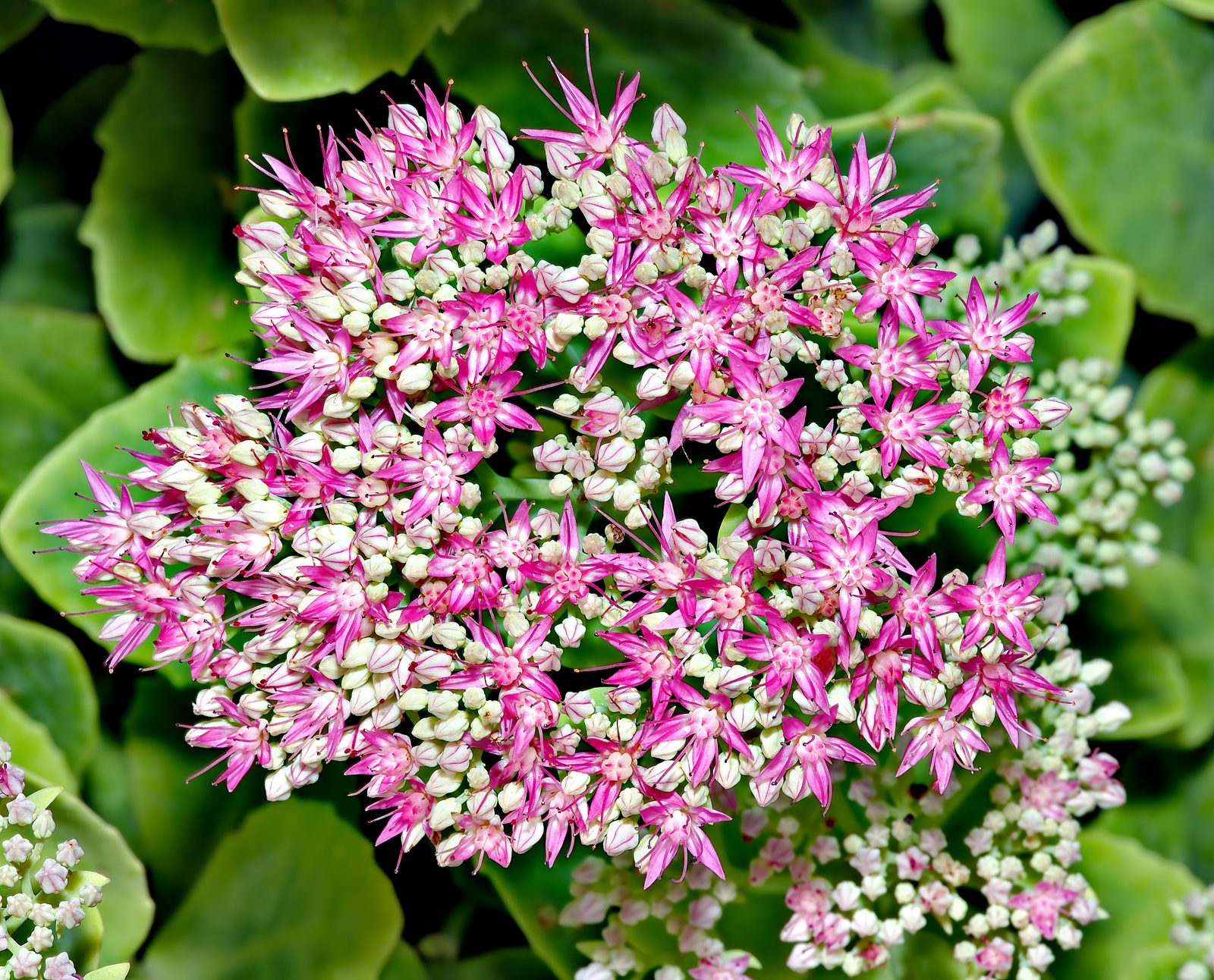
Hylotelephium
Hylotelephium spp.
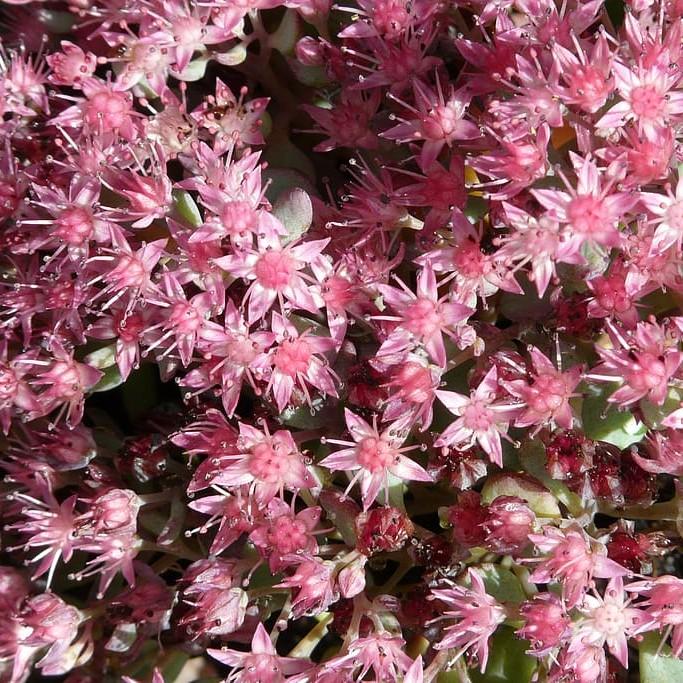
Autumn Stonecrop
Hylotelephium spectabile