Hop Tree
Ptelea trifoliata
Overview
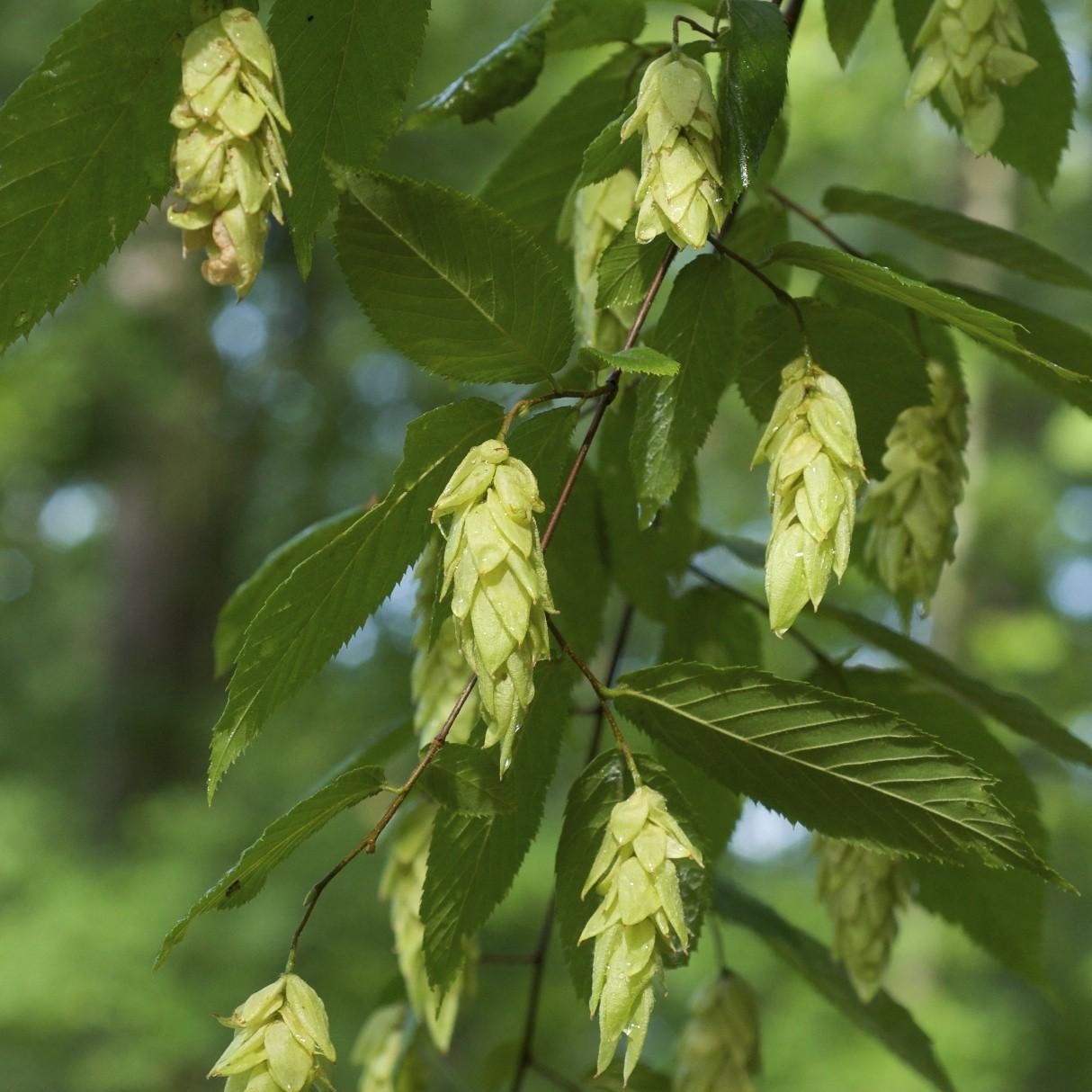
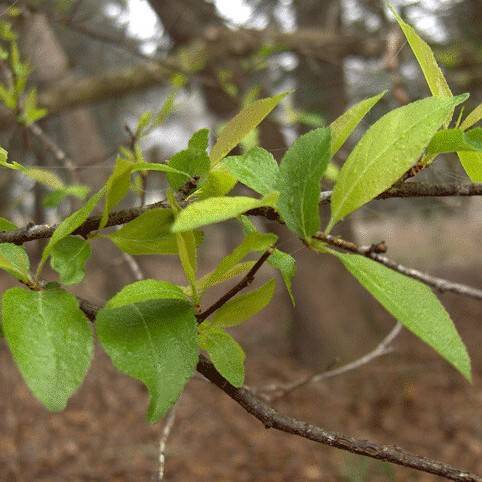
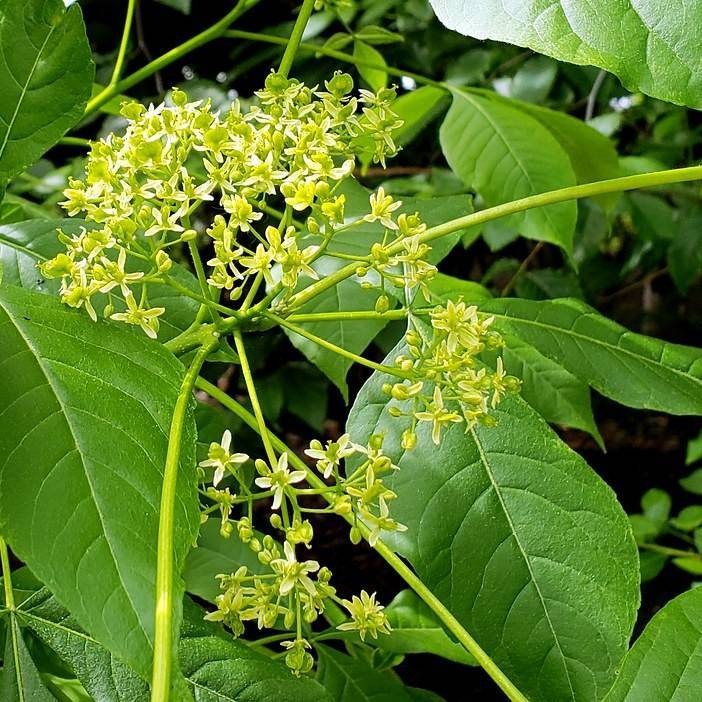
Hop tree, also called wafer ash, is a cold-hardy, adaptable member of the citrus family prized for its low-maintenance growth and wildlife value. Its glossy, three-parted leaves emit a citrusy aroma when crushed, and clusters of small, pale greenish-white flowers in spring support native bees and other pollinators. Round, flat, papery seed pods mature in late summer, persisting into winter to provide food for birds and small mammals.
Care Guide
Watering
Hop tree has moderate water needs, preferring consistently moist, well-drained soil during its establishment period. Once mature, it is highly drought-tolerant, requiring supplemental watering only during extended periods of extreme heat or prolonged dry spells. Avoid overwatering, as saturated soil can lead to root rot.
Light
This species thrives in full sun, which encourages denser foliage, more abundant flowering, and heavier seed production. It tolerates partial shade, though growth may become more leggy and bloom output reduced in low-light conditions. For indoor cultivation, provide bright, direct light for a minimum of 6 hours per day.
Soil
Hop tree adapts to a wide range of soil types, including sandy, loamy, clay, and even shallow, rocky soils, as long as drainage is adequate. It tolerates mildly acidic to alkaline pH levels, from 5.5 to 7.5, and can withstand occasional poor soil fertility. Amending heavy clay soils with organic matter before planting improves root establishment.
Fertilizer
Established hop trees rarely require regular fertilization, as they thrive in low to moderate soil fertility. Young specimens can benefit from a balanced, slow-release 10-10-10 fertilizer applied in early spring to support new growth. Over-fertilization leads to excessive, weak foliage growth that is more susceptible to pest damage.
Temperature
Hop tree is extremely cold-hardy, surviving winter temperatures as low as -40°F (-40°C) in USDA hardiness zones 3 through 9. It tolerates high summer temperatures up to 100°F (38°C) as long as it has adequate moisture during extreme heat. Sudden late spring frosts may damage new growth, but the plant typically recovers quickly.
Pruning
Prune hop tree in late winter or early spring before new growth emerges to maintain its desired shape and remove any dead, damaged, or crossing branches. It can be trained as a single-trunk small tree or left to grow as a multi-stemmed shrub, depending on preference. Avoid heavy pruning, as the plant blooms on old wood from the previous growing season.
Propagation
Hop tree is most commonly propagated from seed, which requires 3 months of cold stratification to break dormancy before sowing in spring. Softwood cuttings taken in early summer can also root successfully when treated with rooting hormone and kept in a humid, shaded environment. Suckers that form around the base of mature plants can be dug up and transplanted in early spring.
Humidity
Hop tree adapts well to a wide range of humidity levels, thriving in the moderate humidity of its native North American range as well as drier continental climates. It tolerates low humidity levels down to 30% without adverse effects, making it suitable for indoor cultivation in most home environments. High humidity levels do not harm the plant, as long as foliage remains dry to prevent fungal issues.
Repotting
Indoor hop tree specimens should be repotted every 2 to 3 years in early spring, moving to a container one size larger with drainage holes to prevent waterlogging. Use a well-draining potting mix amended with perlite or sand to improve aeration for the root system. After repotting, water thoroughly and place in a shaded location for 1 to 2 weeks to reduce transplant shock.
Uses & Symbolism
Historically, the bitter, hop-like seed pods of the hop tree were used as a substitute for hops in beer brewing by early North American settlers. It is widely planted as a low-maintenance ornamental tree in native plant gardens, hedgerows, and restoration projects for its pollinator and wildlife support. Some Indigenous North American communities used small, carefully prepared doses of the bark and roots for traditional medicinal purposes, though the plant’s toxicity makes internal use unsafe without expert guidance.
Diseases & Pests
Hop tree is relatively resistant to most pests and diseases, though it may occasionally be affected by scale insects, aphids, and spider mites, which can be controlled with horticultural oil or insecticidal soap. Fungal leaf spot and powdery mildew may occur in conditions of high humidity and poor air circulation, which can be prevented by spacing plants appropriately and avoiding overhead watering. Root rot is the most serious issue, occurring in poorly drained, waterlogged soil, so ensuring proper drainage is critical for long-term health.
Related plants
Other plants you might like if you grow Hop Tree.