Chinese Parasol
Firmiana simplex
Overview
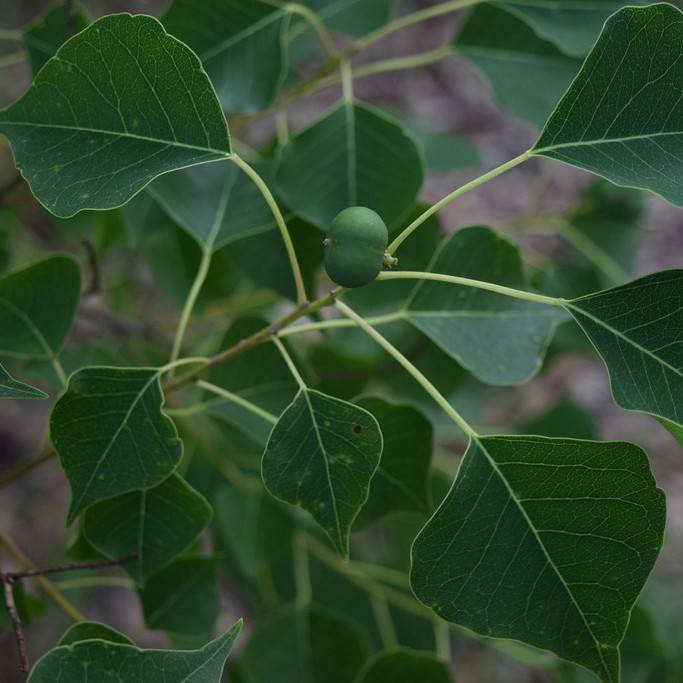
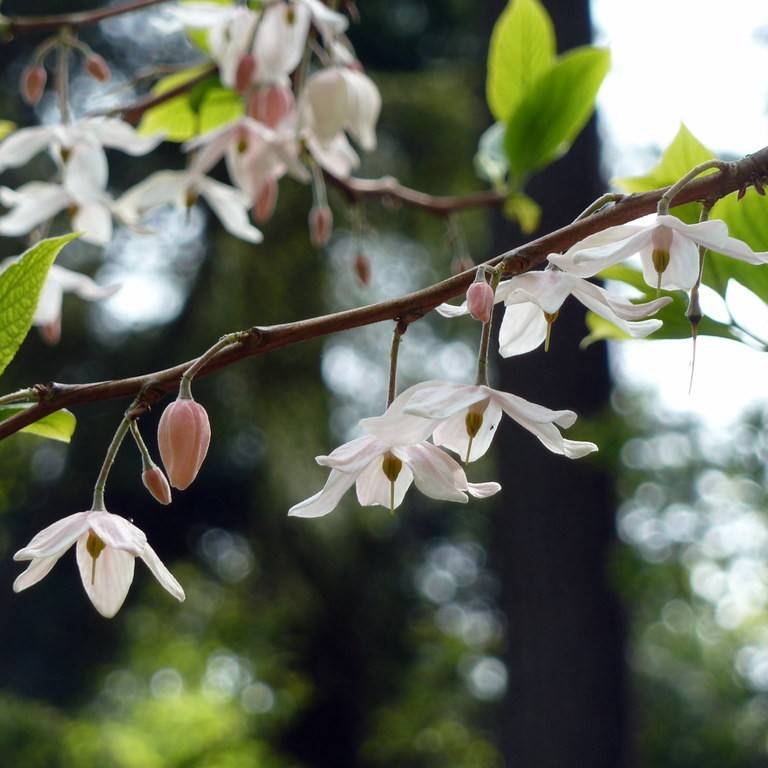
The Chinese Parasol tree, also called the phoenix tree, derives its common name from its broad, lobed leaves that can span up to 12 inches wide, creating dense, parasol-like shade when mature. It produces clusters of small, fragrant pale yellow flowers in summer, followed by distinctive papery, boat-shaped seed pods that split open to reveal round, pea-sized seeds. It is highly adaptable to disturbed sites, leading to it being classified as invasive in some warm regions of the United States, particularly the Southeast.
Care Guide
Watering
Water young Chinese Parasol trees regularly to keep the soil consistently moist but not waterlogged for the first 2-3 years as they establish their root systems. Once mature, the tree is highly drought tolerant, requiring supplemental watering only during extended periods of extreme heat or little rainfall. Avoid overwatering, as this can lead to root rot in poorly draining soils.
Light
Chinese Parasol trees thrive in full sun, requiring a minimum of 6 hours of direct, unfiltered sunlight daily to support vigorous growth and abundant flowering. It can tolerate partial shade, but growth will be slower, and the canopy will be less dense compared to trees grown in full sun conditions. Plant in an open, unshaded location to maximize its characteristic shade-producing canopy.
Soil
This tree adapts to a wide range of soil types, including sandy, loam, clay, and even poor, nutrient-deficient urban soils, as long as drainage is adequate. It prefers a neutral to slightly acidic soil pH between 6.0 and 7.5, but can tolerate mildly alkaline conditions as well. Avoid planting in heavy, permanently waterlogged soils, as this can cause root damage and stunted growth.
Fertilizer
Young trees benefit from a balanced, slow-release 10-10-10 NPK fertilizer applied once in early spring before new growth emerges to support healthy root and canopy development. Mature Chinese Parasol trees rarely require fertilization, as they can extract sufficient nutrients from most soil types without supplementation. Over-fertilization can lead to excessive, weak growth that is more prone to storm damage.
Temperature
Chinese Parasol trees grow best in temperate to subtropical climates, with an ideal temperature range of 65-90°F (18-32°C) during the active growing season. It is winter hardy to USDA zones 7 through 10, tolerating short periods of temperatures as low as 0°F (-18°C) once established. Young saplings should be protected from hard frosts in their first 2-3 years with mulch or frost cloth to prevent cold damage.
Pruning
Prune Chinese Parasol trees during the dormant winter season to remove dead, damaged, or crossing branches, and to shape the canopy for desired structure and airflow. Remove suckers that grow from the base of the trunk regularly to prevent the tree from developing a multi-stemmed growth habit if a single-trunk form is preferred. Avoid heavy pruning, as this can stimulate excessive, weak new growth that is prone to breakage in wind or storms.
Propagation
Chinese Parasol trees are most commonly propagated from seed, which germinates readily when sown in moist, well-draining potting mix in spring after a 30-day cold stratification period. They can also be propagated from semi-hardwood cuttings taken in late summer, treated with rooting hormone, and kept in high humidity until roots develop in 4-6 weeks. Note that trees grown from seed may take 5-7 years to reach flowering maturity, while cutting-grown specimens may flower earlier.
Humidity
This tree tolerates a wide range of humidity levels, thriving in both moderately dry and humid climates typical of its native East Asian range and introduced regions. It can handle low humidity levels common in urban environments, as well as high seasonal humidity in subtropical regions without developing leaf damage or disease. No supplemental humidity adjustments are needed for trees grown outdoors in suitable hardiness zones.
Repotting
Chinese Parasol trees are rarely grown in containers long-term, as their large size and extensive root systems make them unsuitable for prolonged pot culture. If growing as a young sapling in a container, repot annually in early spring before new growth begins, moving to a pot 2-3 inches larger than the previous one to accommodate root growth. Once the sapling reaches 6-8 feet tall, transplant it to a permanent outdoor location to avoid root binding and stunted growth.
Uses & Symbolism
Chinese Parasol trees are primarily planted as ornamental shade trees in parks, along streets, and in large residential landscapes, valued for their rapid growth, attractive foliage, and fragrant summer flowers. Its lightweight, soft wood is occasionally used for crafting small wooden items, furniture components, and paper pulp in its native range. Historically, the fibrous bark was used to make rope and cloth in traditional Chinese cultures, and the seeds have been used in limited traditional medicinal preparations, though their toxicity makes internal use unsafe without professional processing.
Diseases & Pests
Chinese Parasol trees are relatively pest and disease resistant, though they can occasionally be affected by aphids, scale insects, and spider mites, which suck sap from leaves and can cause yellowing or leaf drop if infestations are severe. Fungal diseases such as powdery mildew and leaf spot may develop in conditions of high humidity and poor airflow, causing unsightly blemishes on foliage but rarely leading to serious long-term damage. Root rot can occur in poorly draining, waterlogged soils, leading to wilting, yellowing leaves, and eventual tree death if the drainage issue is not corrected quickly.
Related plants
Other plants you might like if you grow Chinese Parasol.