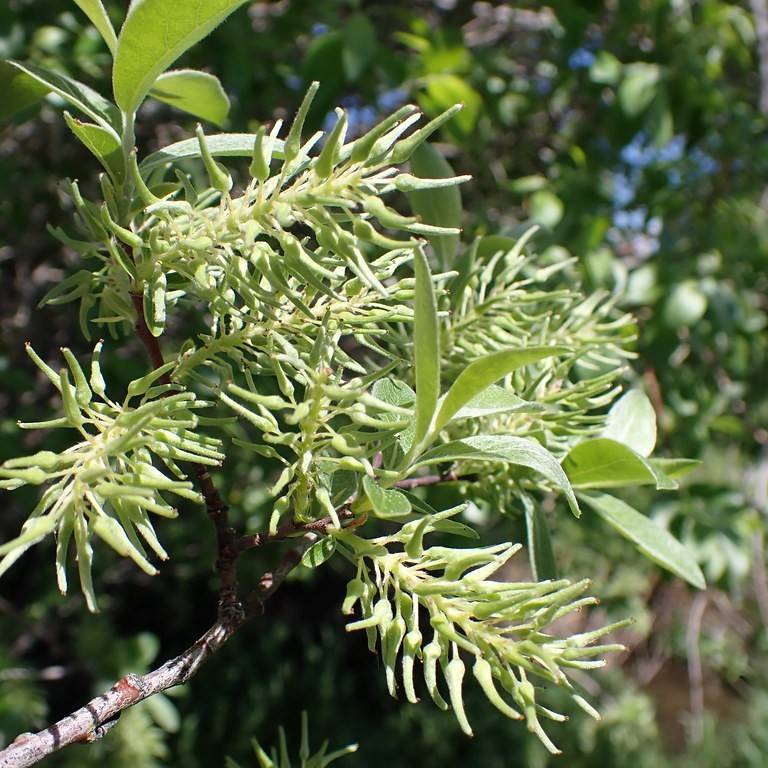
Bebb Willow
Salix bebbiana
Overview
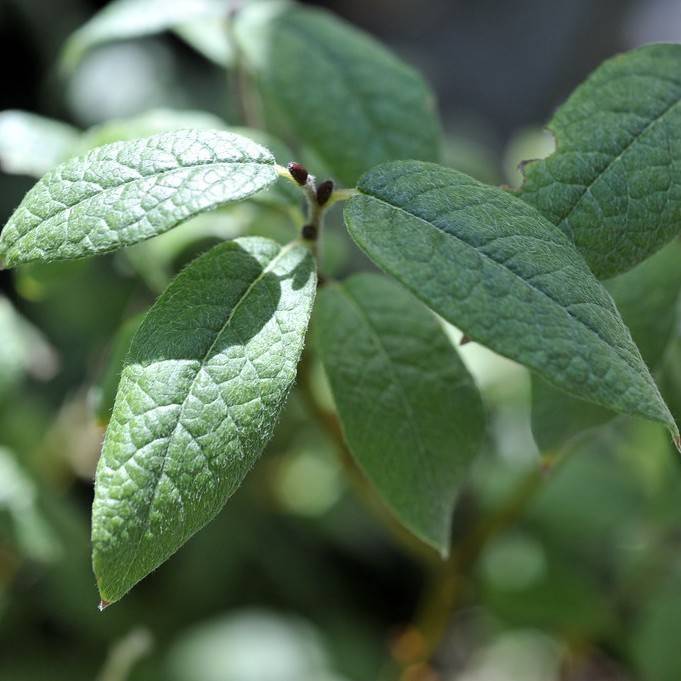
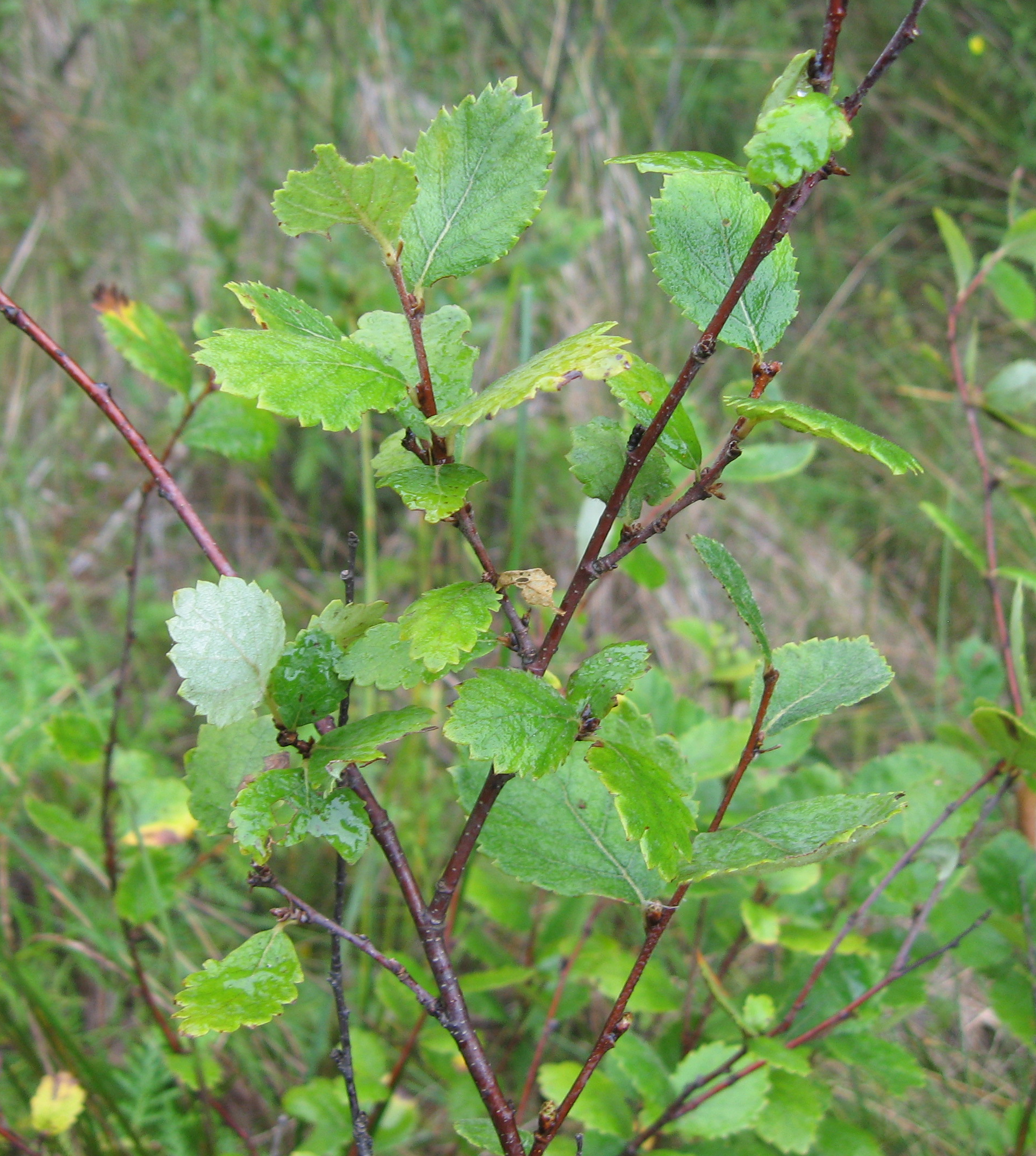
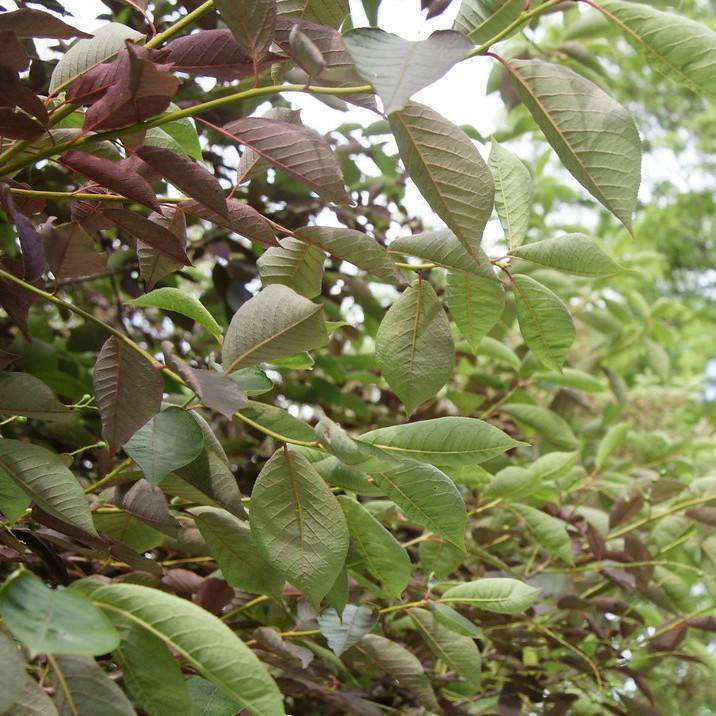
Bebb willow is a cold-hardy, deciduous woody plant that typically grows as a multi-stemmed shrub, occasionally forming a small single-trunk tree in favorable conditions. It thrives in wet, poorly drained soils including riparian zones, marshes, and bog edges, making it a keystone species for stabilizing vulnerable shorelines and wetland habitats. Its thin, gray-green leaves and slender, reddish-brown twigs are easy to identify, and it produces fuzzy catkins in early spring before foliage emerges. It is named after American botanist Michael Schuck Bebb, a leading 19th-century expert on willow species.
Care Guide
Watering
Bebb willow requires consistently moist to wet soil, and can tolerate periodic flooding and standing water for short durations; it is not drought-tolerant, so supplemental watering is needed during extended dry periods to prevent leaf drop and stress. Water deeply and frequently when first planted to establish a robust root system, then reduce frequency only once the plant is fully established, ensuring the root zone never dries out completely. Avoid letting soil dry out entirely, as this will cause rapid wilting and may damage young specimens.
Light
This species prefers full sun, requiring a minimum of 6 hours of direct, unfiltered sunlight daily to support vigorous growth and abundant catkin production. It can tolerate partial shade, but growth will be sparser, and it may be more susceptible to pest infestations in low-light conditions. Plant in an open, unshaded location for best performance, especially in cooler northern climates where sunlight intensity is lower.
Soil
Bebb willow adapts to a wide range of soil types including sand, loam, clay, and heavy muck, as long as moisture levels are consistently high. It tolerates alkaline, neutral, and slightly acidic pH levels, and can even grow in moderately saline soils common to some northern wetland areas. It does not require rich, fertile soil to thrive, and will grow well in low-nutrient, disturbed wet sites where many other woody plants cannot survive.
Fertilizer
Fertilization is rarely necessary for Bebb willow, as it can obtain sufficient nutrients from most native wetland soils. If grown in poor, severely depleted soil, apply a balanced, slow-release 10-10-10 fertilizer once per year in early spring just before new growth emerges, avoiding over-fertilization which can cause weak, leggy growth prone to breakage. Do not fertilize in late summer or fall, as this can stimulate new growth that will be damaged by early winter frost.
Temperature
This species is extremely cold-hardy, tolerating winter temperatures as low as -50°F (-45°C) in its native northern range. It grows best in USDA hardiness zones 2 through 7, and struggles in hot, humid climates south of zone 7 where summer temperatures consistently exceed 90°F (32°C) for extended periods. It is adapted to seasonal temperature fluctuations, requiring a period of cold winter dormancy to produce healthy new growth each spring.
Pruning
Prune Bebb willow in late winter or early spring while the plant is dormant, removing dead, damaged, or crossing branches to improve air circulation and maintain a desired shape. It tolerates heavy pruning or coppicing very well, and can be cut back almost to ground level every 2-3 years to encourage dense, bushy new growth ideal for wildlife cover or erosion control. Avoid pruning in late spring or early summer when catkins are present, as this will remove food sources for early pollinators.
Propagation
Bebb willow is most easily propagated from hardwood cuttings taken in late winter or early spring before new growth begins; cut 8-12 inch (20-30 cm) sections of healthy, 1-year-old wood, plant them directly in moist soil with at least 2 nodes buried, and keep consistently wet until roots form, usually within 4-6 weeks. It can also be grown from seed, but seeds remain viable for only a few weeks after ripening in late spring, and must be sown immediately on moist, bare soil to germinate successfully. Cuttings have an extremely high success rate, even when planted directly in their permanent location without rooting hormone or special treatment.
Humidity
Bebb willow thrives in moderate to high humidity levels common to its native wetland and riparian habitats, and tolerates ambient humidity levels between 40% and 80% with no additional care. It can tolerate lower humidity for short periods, but extended dry air will cause leaf browning at the edges and may increase stress on the plant. When grown in drier upland locations, regular misting or nearby water features can help maintain adequate humidity levels for healthy growth.
Repotting
Bebb willow is rarely grown in containers, as its extensive, fast-growing root system quickly outgrows even large pots and requires constant moisture that is difficult to maintain in container settings. If temporarily potted for propagation or transplanting, use a deep, wide pot with a well-draining but moisture-retentive potting mix, and repot annually in early spring before new growth begins, or plant directly in the ground as soon as possible to avoid root binding. Once planted in the landscape, it does not require transplanting, as it establishes a deep, extensive root system that is difficult to move without damaging the plant.
Uses & Symbolism
Bebb willow is widely planted for riparian restoration and erosion control, as its dense root system stabilizes shorelines and prevents soil loss along streams, lakes, and wetland edges. It provides critical habitat and food for wildlife, including early spring nectar for pollinators, twigs and buds for moose, deer, and rabbits, and nesting cover for numerous bird species. Historically, Indigenous peoples used its flexible branches for basket weaving and its bark, which contains salicin, for pain relief and fever reduction.
Diseases & Pests
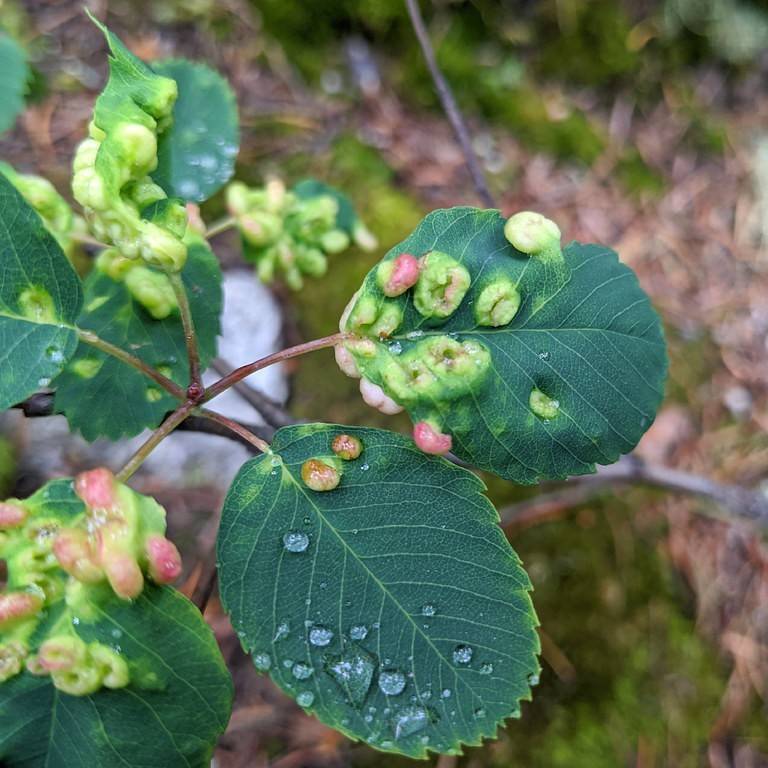
Bebb willow is susceptible to several common willow pests, including aphids, willow leaf beetles, and scale insects, which feed on foliage and can cause defoliation in heavy infestations, though healthy plants usually recover quickly. Fungal diseases such as willow blight, rust, and root rot can occur in overly saturated, poorly aerated soils, especially in warm, humid climates outside its native range. It is relatively resistant to most serious pest and disease pressures in its native northern habitats, and issues are rarely severe enough to require treatment for established, healthy specimens.
Related plants
Other plants you might like if you grow Bebb Willow.