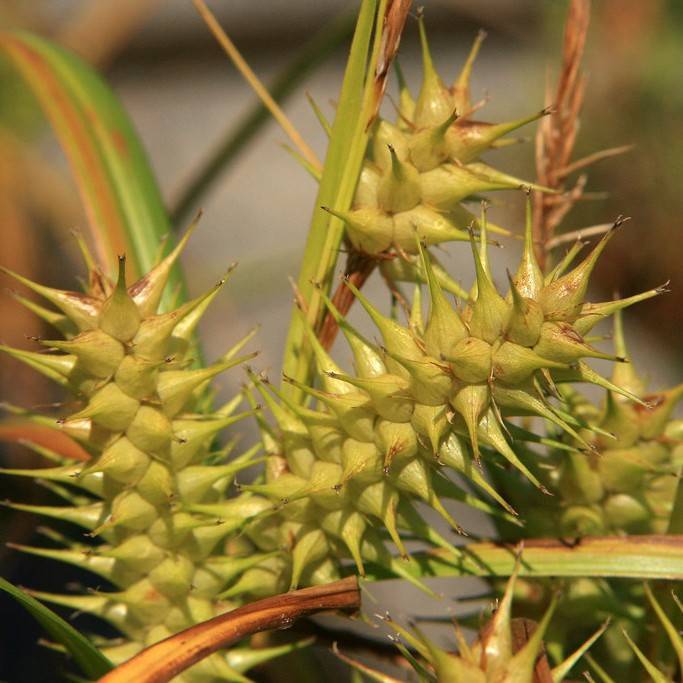
Hop Sedge
Carex lupulina
Overview
Hop sedge is a herbaceous perennial sedge native to marshes, swamps, wet meadows, and riparian zones across eastern and central North America. It produces dense, upright clumps of narrow, grass-like green foliage, and its most recognizable feature is its clustered, drooping seed heads that resemble common hop cones, appearing from late spring to mid-summer. It adapts well to consistently wet, poorly drained sites where many other plants struggle to thrive, making it a popular choice for rain gardens and wetland restoration projects.
Care Guide
Watering
Hop sedge requires consistently moist to wet soil, and can tolerate periodic shallow flooding of up to 6 inches for extended periods; never allow the soil to dry out completely, as this will cause foliage to yellow and die back. For potted specimens, water frequently to keep the growing medium saturated at all times, and consider placing the pot in a shallow tray of standing water to maintain consistent moisture levels.
Light
This plant grows best in full sun to partial shade, with full sun exposure encouraging denser foliage and more abundant seed head production in cooler climates. In regions with hot, intense summer sun, provide light afternoon shade to prevent leaf scorch and reduce excessive moisture loss from the soil.
Soil
Hop sedge thrives in heavy, poorly drained soils including clay, loam, and muck, with a preferred pH range of 5.0 to 7.0. It tolerates low-fertility, wet soils that are often unsuitable for most ornamental plants, but will perform better if the soil contains moderate levels of organic matter.
Fertilizer
Hop sedge has low nutrient requirements, and usually does not need supplemental fertilization when planted in its native wetland habitat or soil with moderate organic content. If grown in poor, sandy soil, apply a balanced, slow-release granular fertilizer once in early spring at half the recommended rate to avoid overfeeding, which can cause weak, floppy growth.
Temperature
This hardy sedge is adapted to USDA zones 3 to 9, tolerating winter temperatures as low as -40°F (-40°C) and summer highs up to 95°F (35°C) as long as sufficient moisture is available. Foliage dies back completely to the ground in winter in colder regions, and regrows from underground rhizomes in early spring once temperatures consistently rise above 50°F (10°C).
Pruning
Minimal pruning is required for hop sedge; cut back all dead foliage to 2-3 inches above the ground in late winter or early spring before new growth emerges to keep the clump looking tidy and encourage healthy new foliage. Remove any damaged, yellowed, or diseased leaves throughout the growing season as needed to maintain the plant’s appearance and prevent the spread of pathogens.
Propagation
Hop sedge is most easily propagated by division in early spring just as new growth begins, by digging up mature clumps and splitting them into smaller sections with at least 3-5 growing points each, then replanting immediately at the same depth as the original plant. It can also be grown from seed, which requires a 60-day period of cold stratification to break dormancy; sow seeds directly in moist soil in late fall or pre-treat and sow indoors in early spring for germination within 2-3 weeks.
Humidity
Hop sedge tolerates a wide range of humidity levels, but prefers moderate to high humidity consistent with its native wetland habitat, thriving in levels between 50% and 80%. It can tolerate average indoor humidity if grown as a potted houseplant, but will benefit from regular misting or placement on a pebble tray filled with water to boost ambient moisture if indoor air is very dry.
Repotting
Potted hop sedge should be repotted every 2-3 years in early spring before new growth starts, using a heavy, moisture-retentive potting mix amended with compost or peat moss to hold water. Choose a pot with drainage holes that is 1-2 inches larger than the current root ball, and consider using a plastic pot rather than terracotta to reduce moisture evaporation from the soil.
Related plants
Other plants you might like if you grow Hop Sedge.
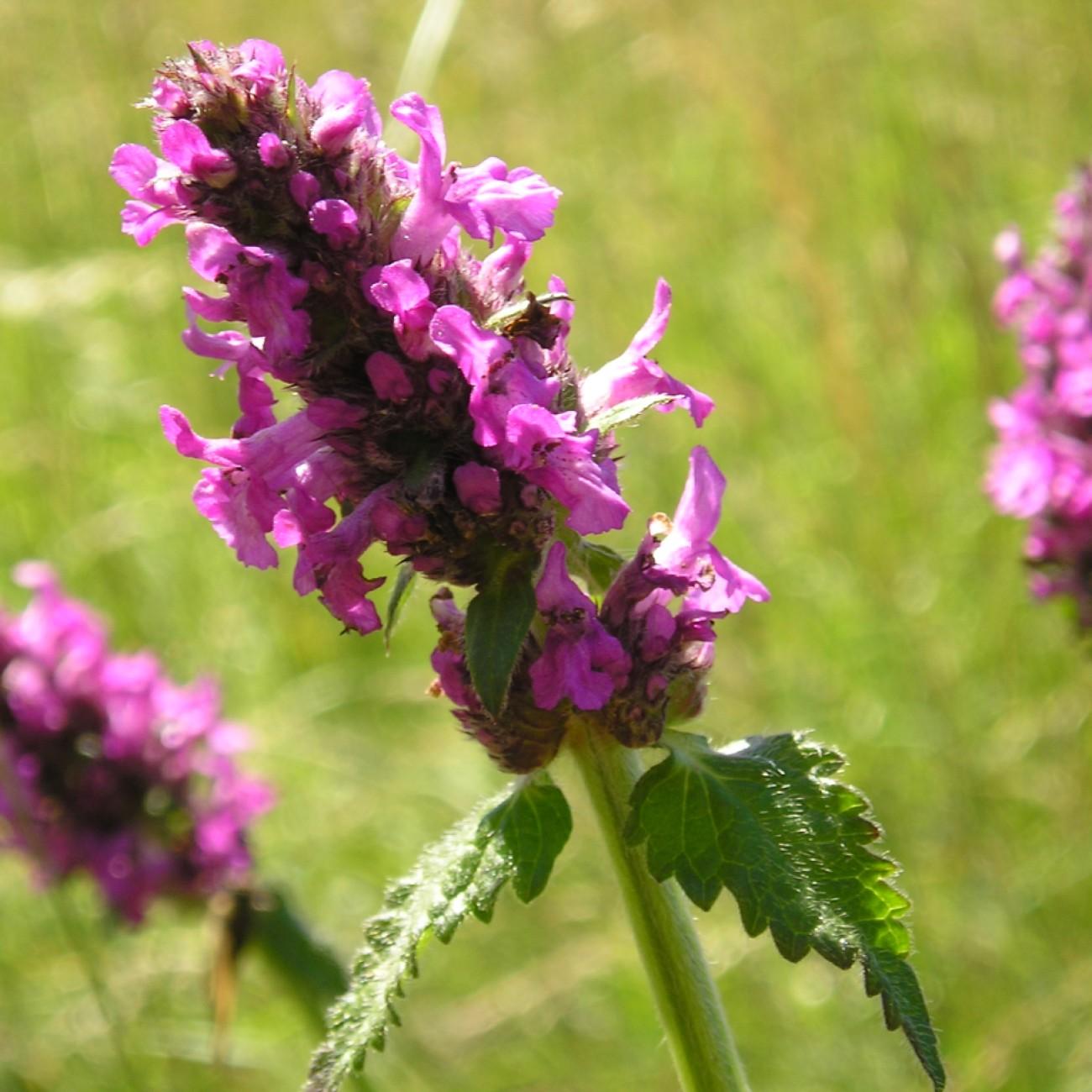
Alpine Betony
Betonica alpinum (syn. Stachys alpina)
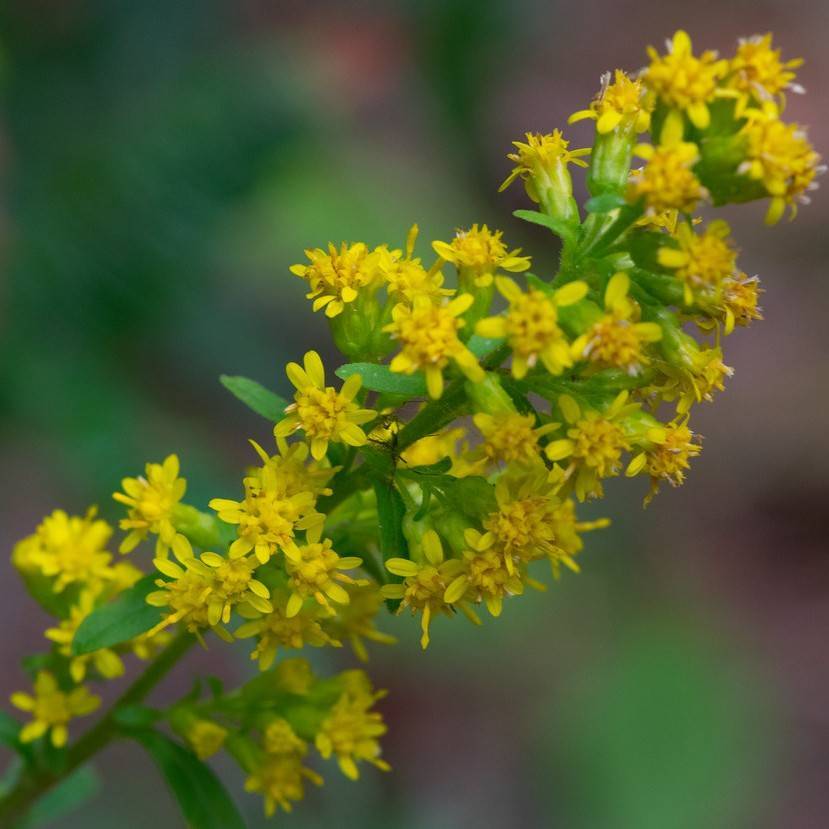
Elm Leaved Goldenrod
Solidago ulmifolia
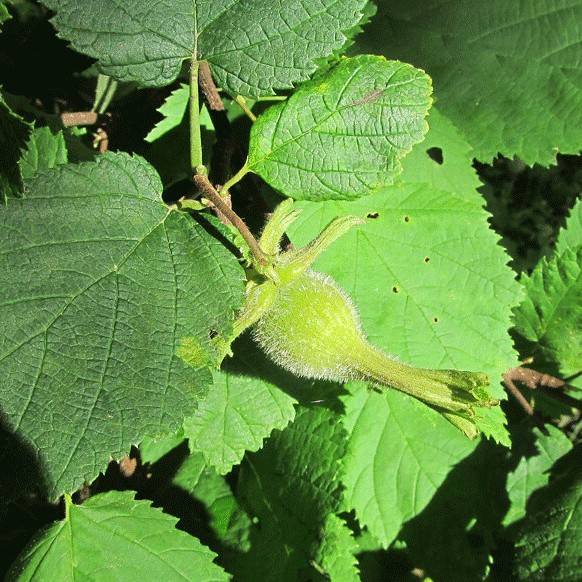
Beaked Hazel
Corylus cornuta
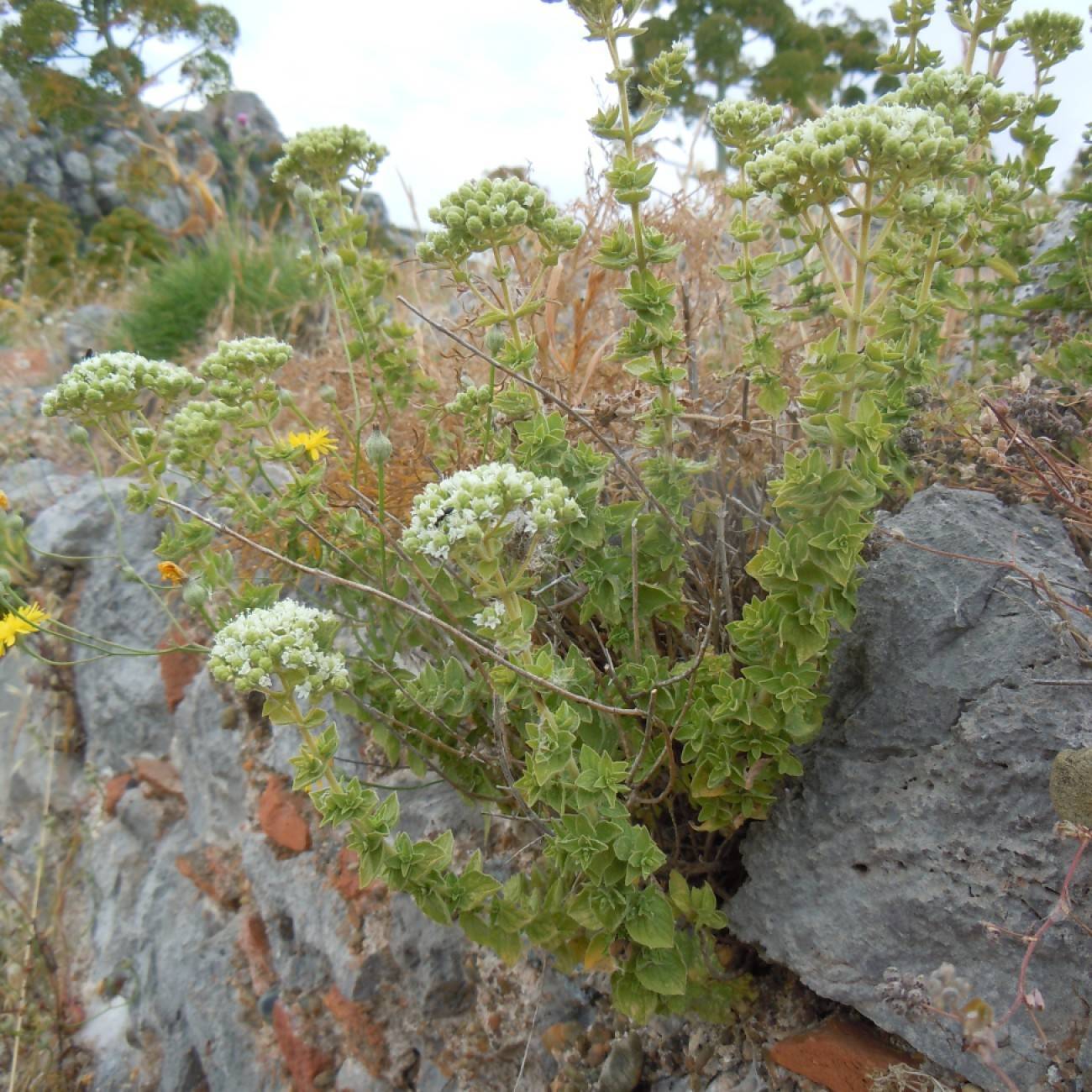
American Feverfew
Parthenium integrifolium
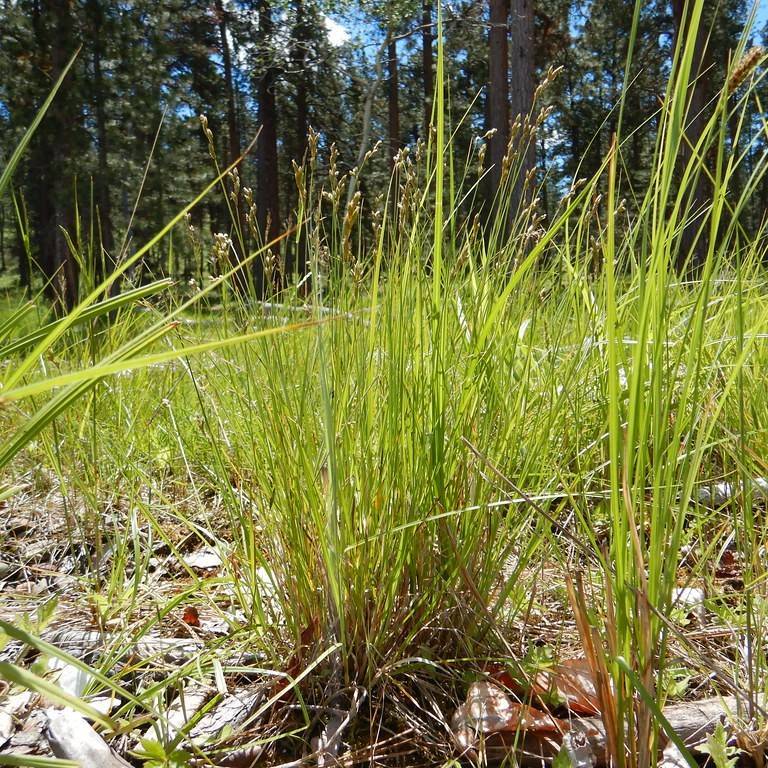
Connect Sedge
Carex connectens
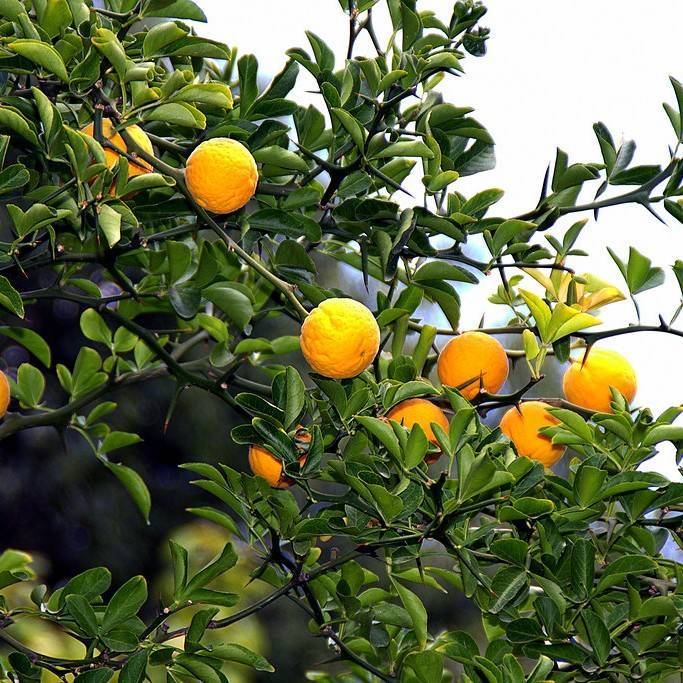
Hardy Orange
Poncirus trifoliata (syn. Citrus trifoliata)
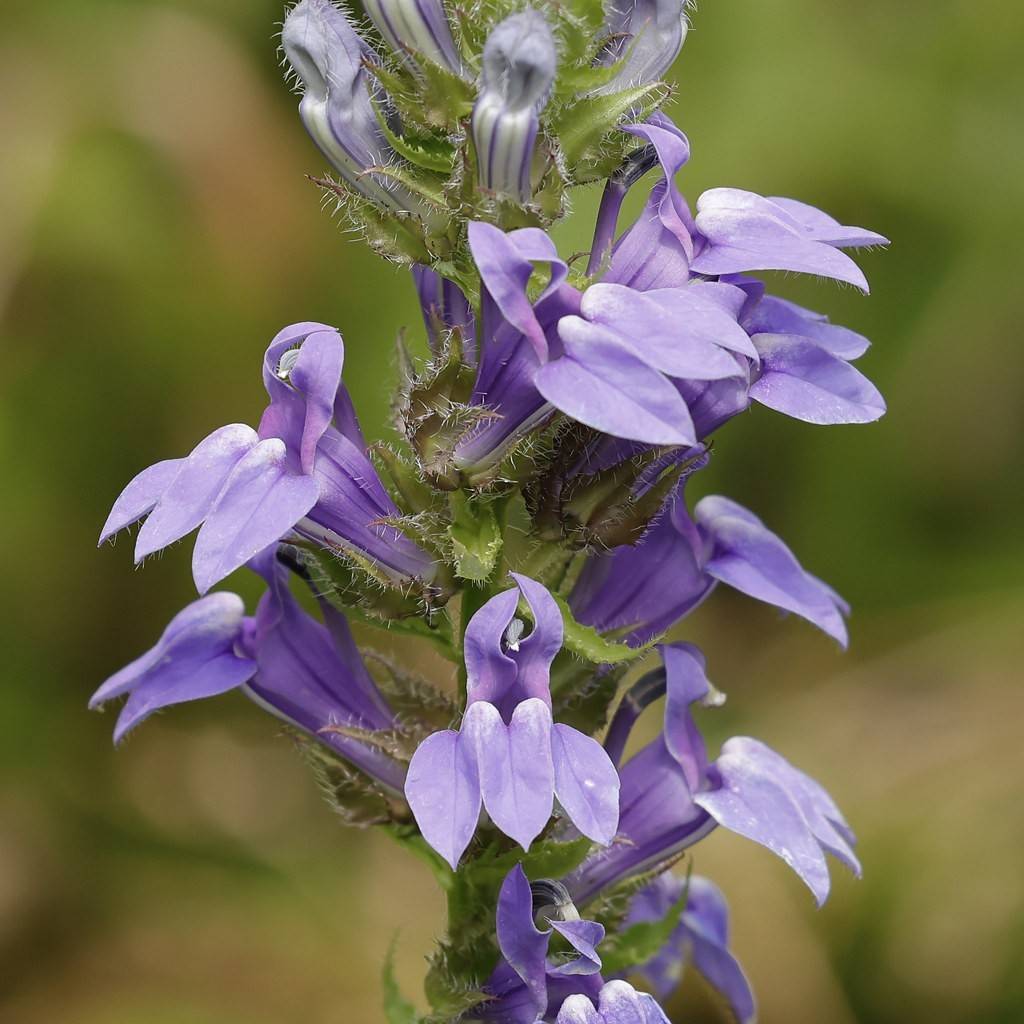
Great Blue Cardinal Flower
Lobelia siphilitica
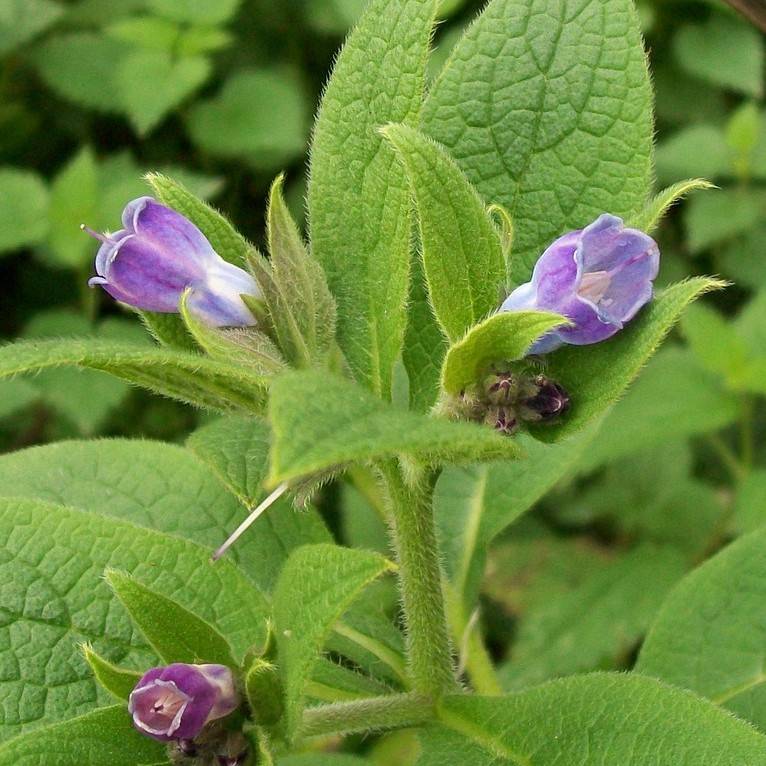
Comfrey
Symphytum officinale