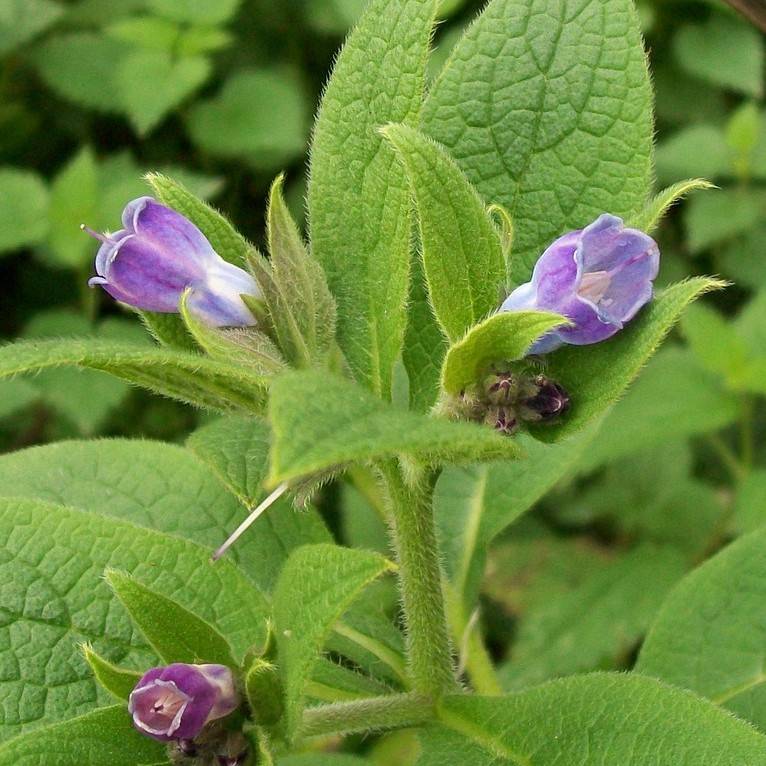
Comfrey
Symphytum officinale
Overview
Comfrey is a robust, clumping herb known for its deep, nutrient-mining roots and fuzzy, lance-shaped foliage that forms large mounds in moist, fertile soils. It produces drooping clusters of small, bell-shaped flowers in shades of purple, pink, or white from late spring to mid-summer, attracting pollinators like bees and butterflies. Historically, it has been used topically to support wound and bone healing, earning it the common nickname 'knitbone'.
Care Guide
Watering
Comfrey prefers consistently moist, well-drained soil, so water regularly during dry spells to prevent wilting, especially in the first year of establishment. Once established, it is moderately drought tolerant, though prolonged dry conditions may reduce foliage growth and flowering. Avoid overwatering or waterlogged conditions, which can cause root rot in poorly draining soils.
Light
Thrives in full sun to partial shade, with full sun exposure promoting the most vigorous foliage growth and abundant flowering. In hot, arid climates, partial afternoon shade helps prevent leaf scorch and reduces water requirements. Too much deep shade will result in leggy growth and reduced flower production.
Soil
Adaptable to a wide range of soil types, but grows best in rich, loamy, well-drained soil with a pH between 6.0 and 7.0. Its deep taproot can access nutrients and moisture from lower soil layers, making it tolerant of poorer, compacted soils where other plants struggle. Amend heavy clay or sandy soils with compost before planting to improve structure and nutrient content.
Fertilizer
Comfrey is a heavy feeder and benefits from an annual application of well-rotted compost or manure in early spring to support lush foliage growth. Additional fertilization is rarely needed, as its deep root system mines potassium, nitrogen, and phosphorus from subsoil layers naturally. Excess nitrogen fertilizer can lead to overly soft foliage that is more susceptible to pest damage.
Temperature
Hardy in USDA zones 3 through 9, tolerating winter temperatures as low as -40°F (-40°C) when established. It dies back to the ground in late fall after the first frost and re-emerges vigorously in early spring as soil temperatures warm. Extreme summer heat above 90°F (32°C) may cause temporary wilting, but plants recover quickly with adequate water.
Pruning
Cut back foliage to 2-3 inches above the soil line 2-3 times per growing season to encourage fresh, new leaf growth and prevent the plant from self-seeding aggressively. Remove spent flower stalks promptly if you do not want comfrey to spread to unwanted areas of the garden. Cut back all dead foliage in late fall after it dies back to keep the planting area tidy and reduce overwintering pest habitats.
Propagation
Most commonly propagated by root cuttings taken in late fall or early spring, when the plant is dormant; 2-3 inch root segments planted 2 inches deep will establish quickly in moist soil. It can also be propagated by division of mature clumps in early spring before new growth emerges, separating sections with at least one growing point and a portion of the taproot. Seed propagation is less common, as seeds require cold stratification to germinate, and many cultivated comfrey varieties are sterile and do not produce viable seed.
Humidity
Tolerates a wide range of humidity levels, thriving in average temperate humidity between 40% and 70%. High humidity combined with poor air circulation may increase the risk of foliar fungal diseases like powdery mildew. It has no special humidity requirements, making it adaptable to most outdoor growing conditions.
Repotting
Comfrey is rarely grown in containers long-term due to its deep taproot, but if potted, repot every 1-2 years in early spring into a larger container with fresh, nutrient-rich potting mix. Choose a deep container at least 12 inches wide and deep to accommodate the taproot and prevent the plant from becoming root-bound too quickly. When repotting, trim back any overly long or damaged roots to encourage healthy new growth.
Related plants
Other plants you might like if you grow Comfrey.
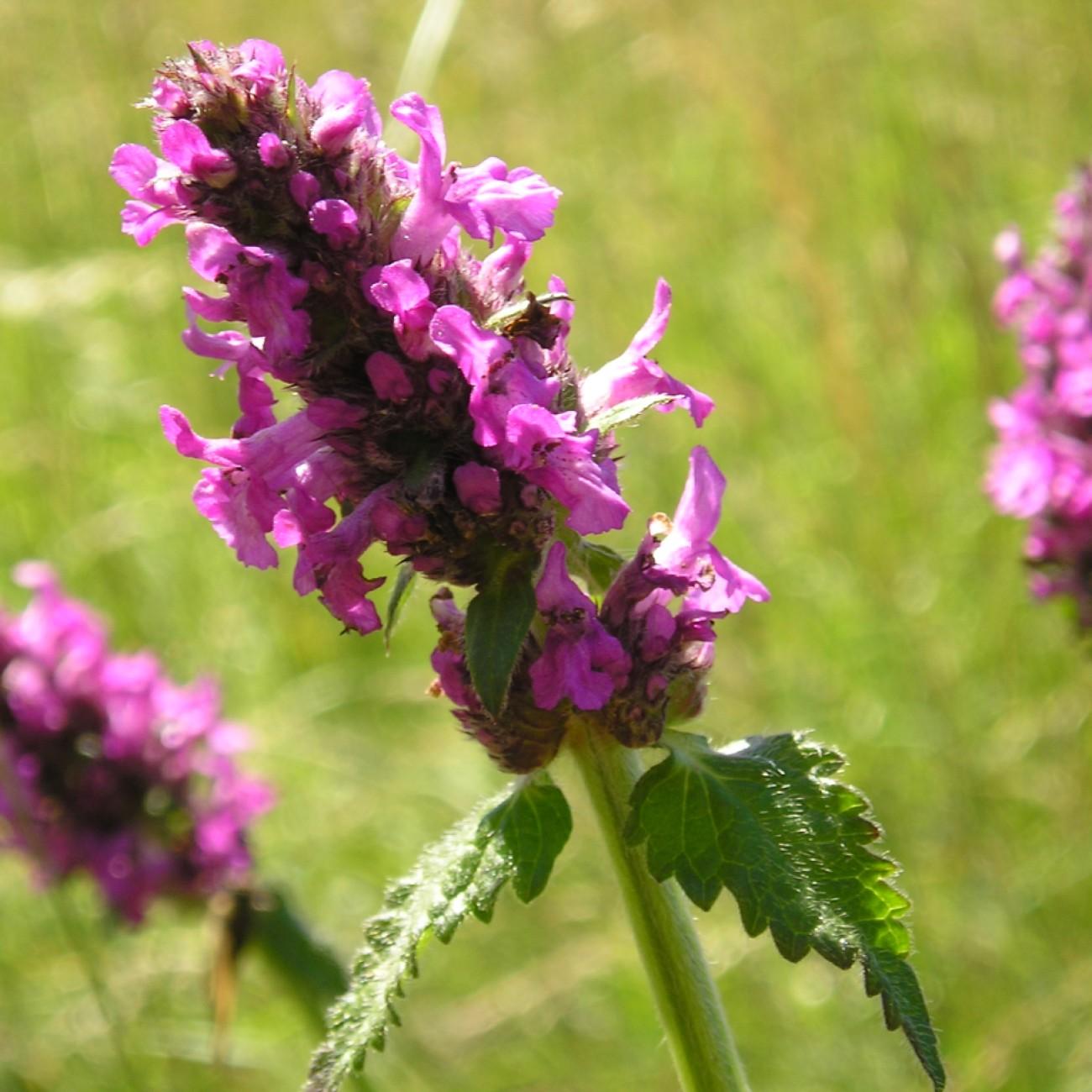
Alpine Betony
Betonica alpinum (syn. Stachys alpina)
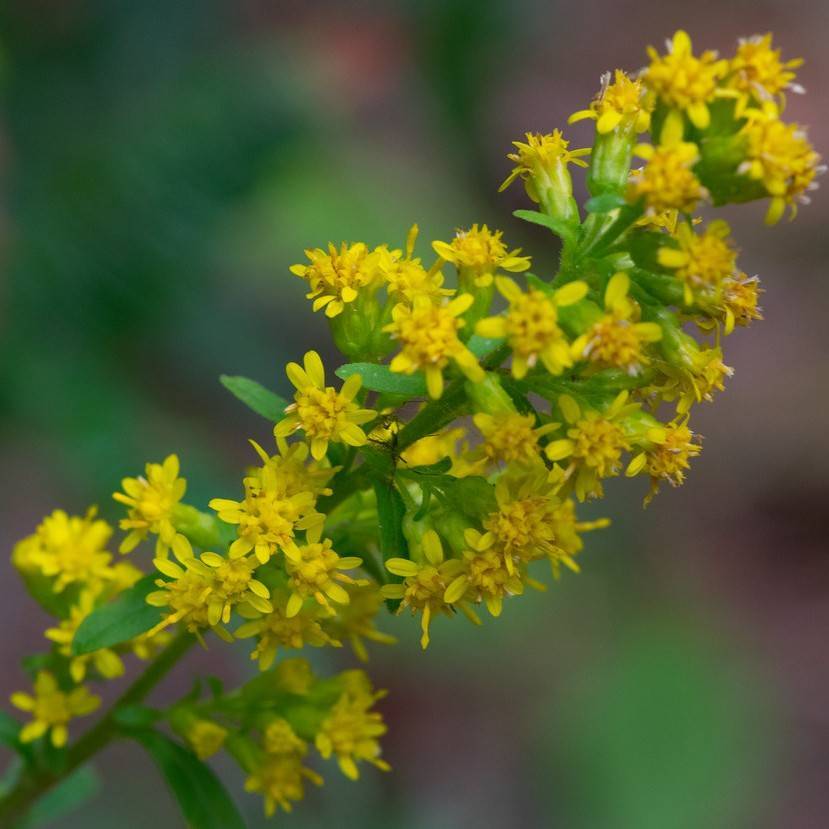
Elm Leaved Goldenrod
Solidago ulmifolia
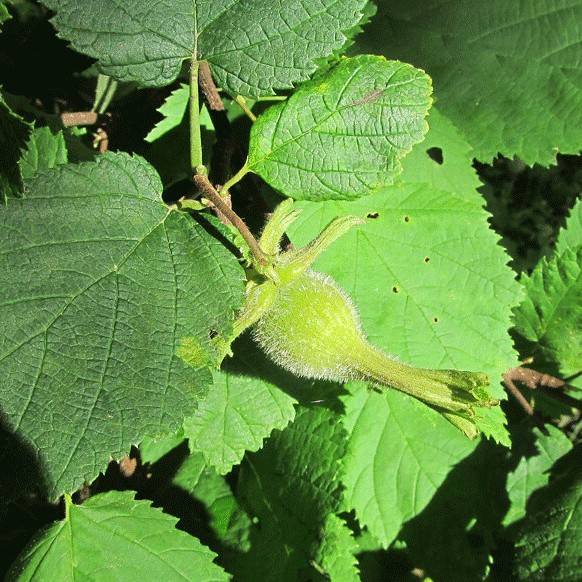
Beaked Hazel
Corylus cornuta
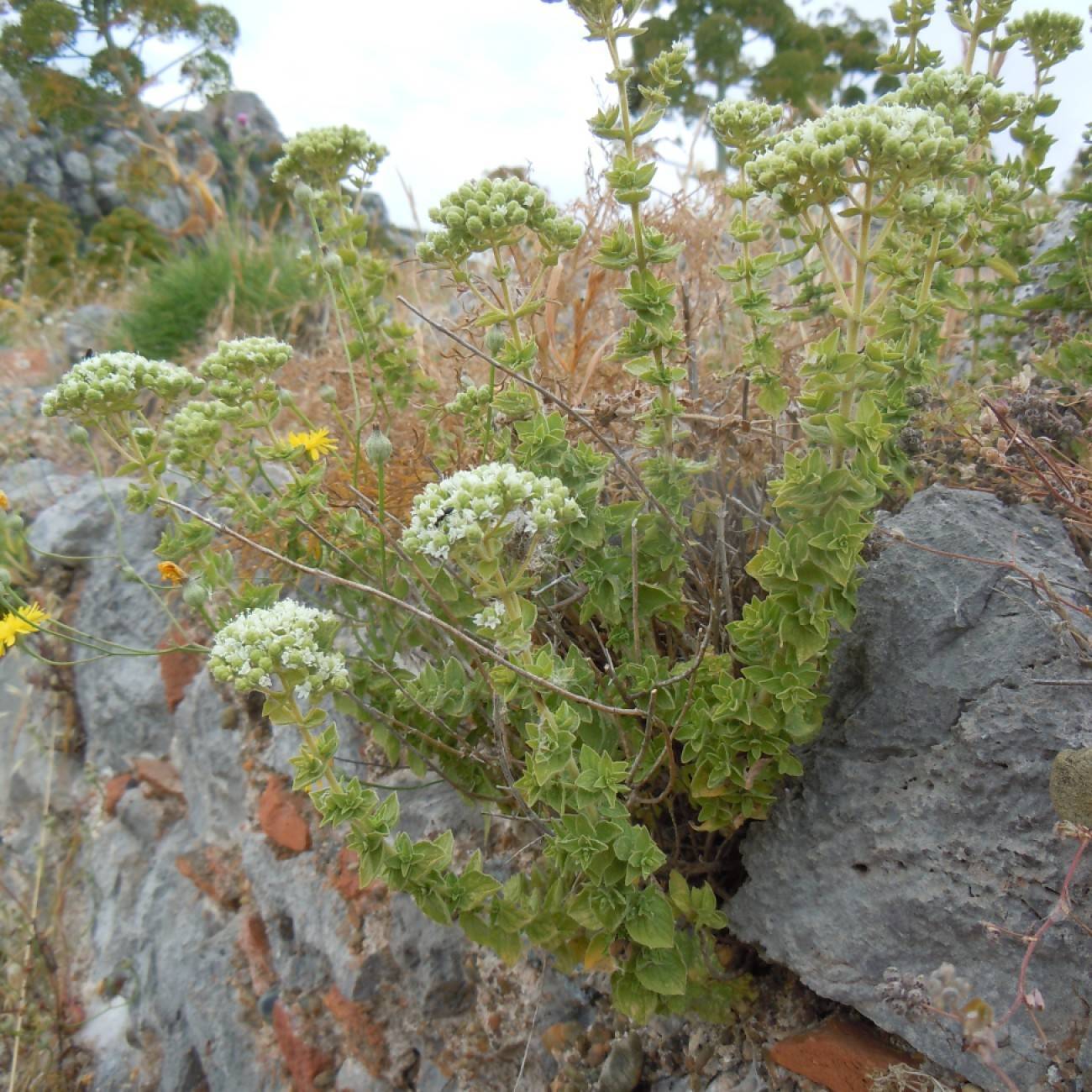
American Feverfew
Parthenium integrifolium
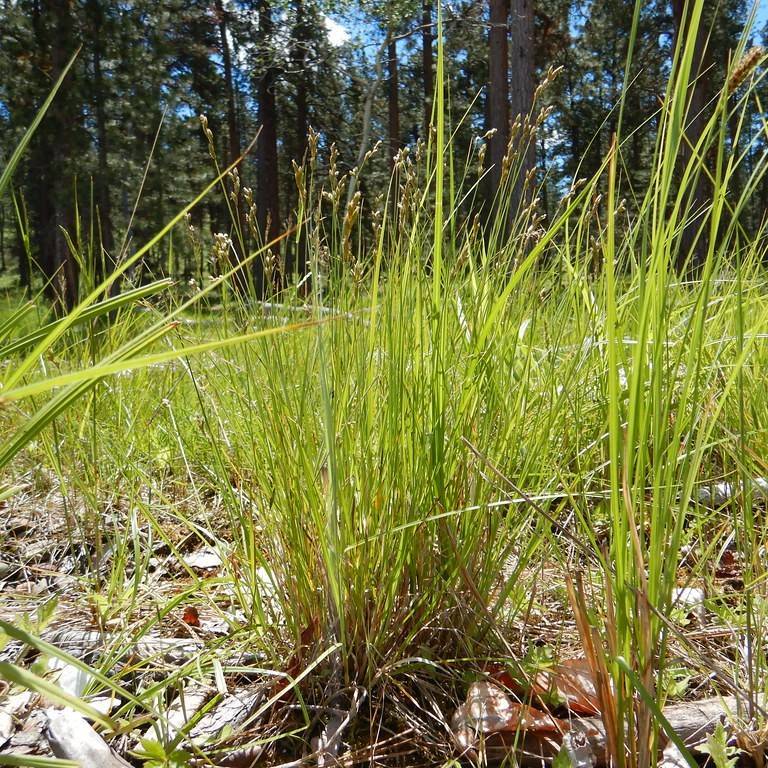
Connect Sedge
Carex connectens
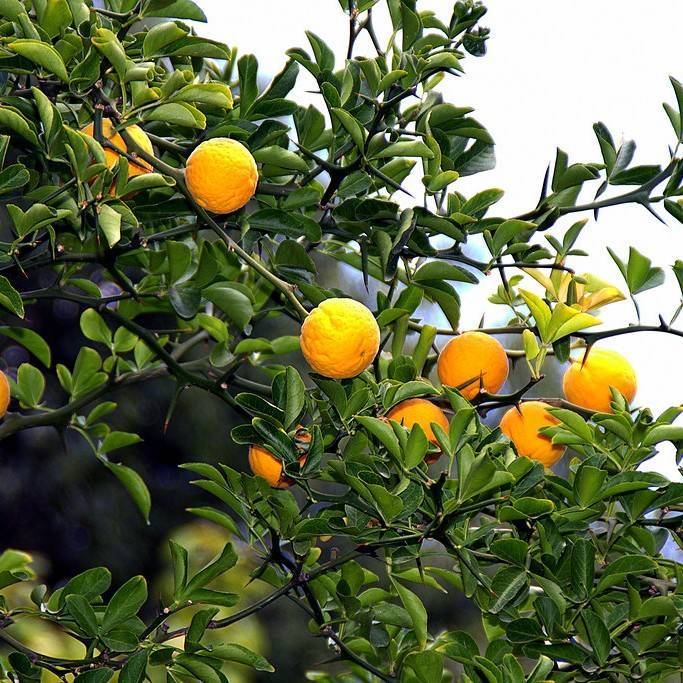
Hardy Orange
Poncirus trifoliata (syn. Citrus trifoliata)
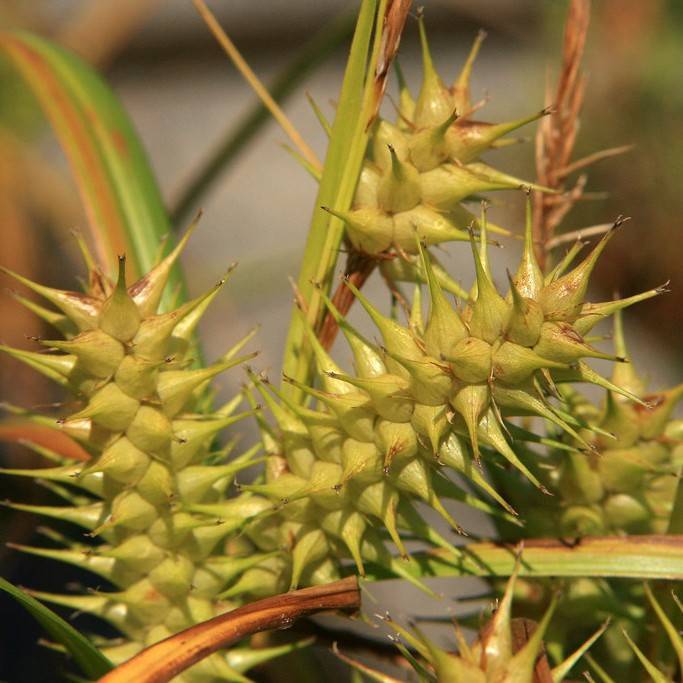
Hop Sedge
Carex lupulina
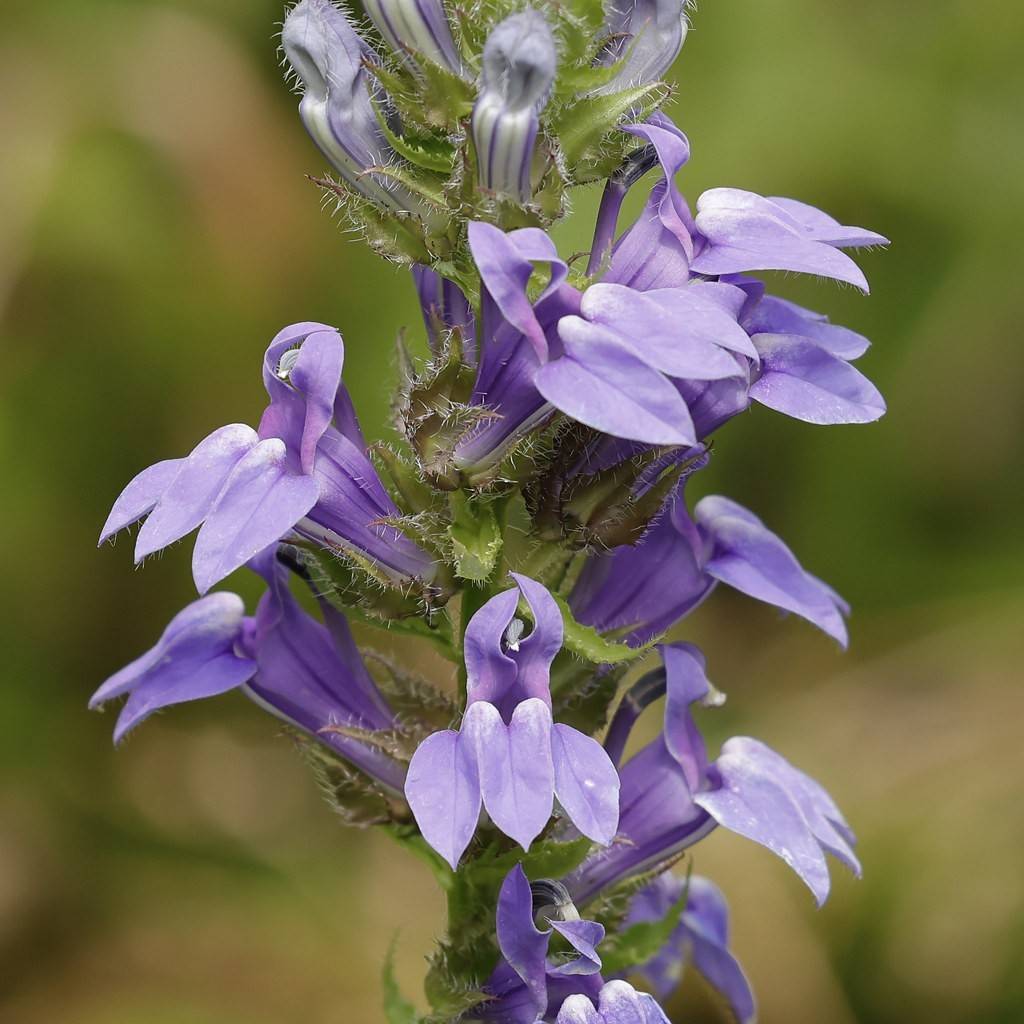
Great Blue Cardinal Flower
Lobelia siphilitica