Alpine Betony
Betonica alpinum (syn. Stachys alpina)
Overview
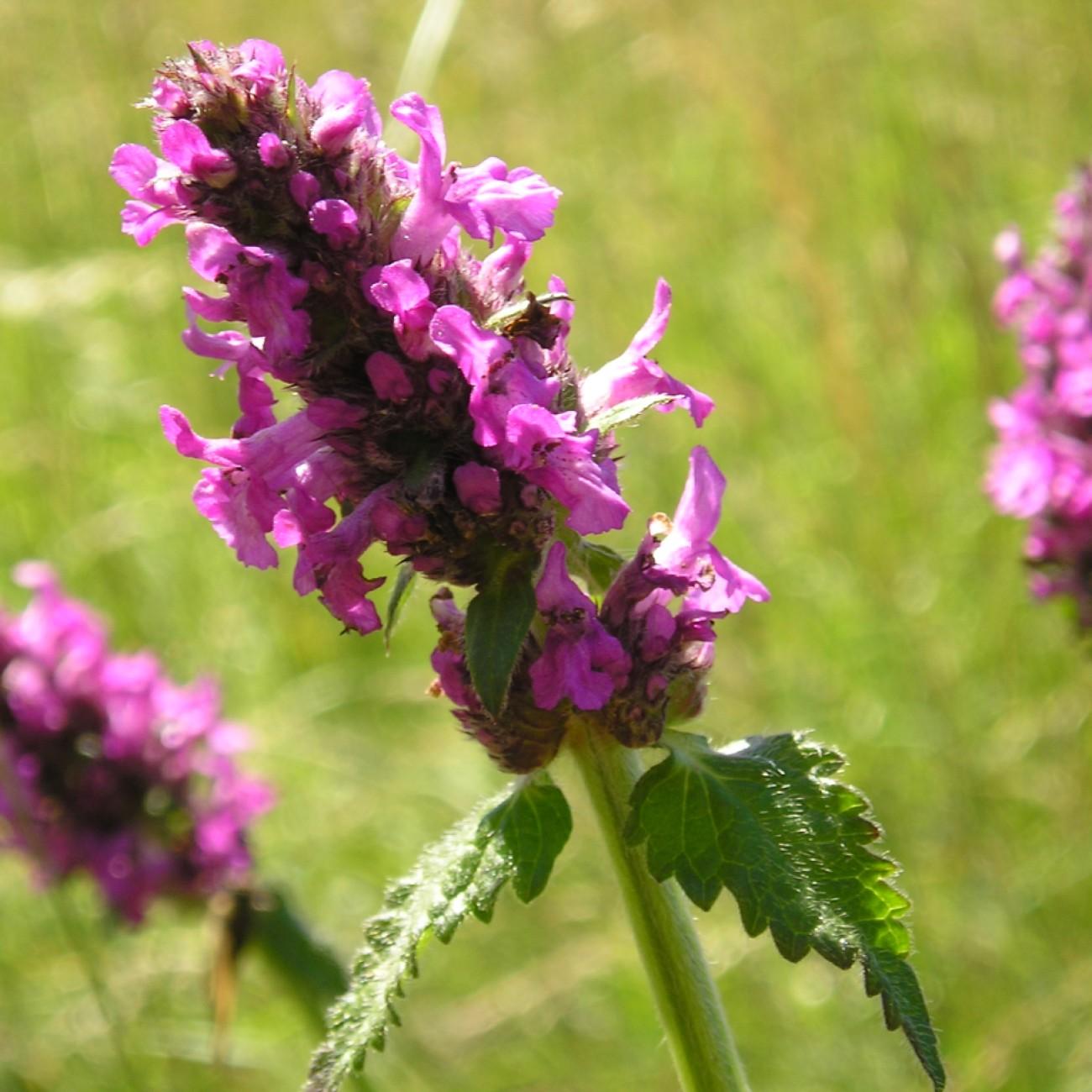
Alpine betony is a low-growing, clump-forming herb native to high elevation mountain habitats across southern and central Europe, where it thrives in rocky meadows and open woodland edges. It produces dense, upright spikes of two-lipped, pale pink to lilac-purple flowers that bloom from early to mid-summer, attracting bumblebees, butterflies, and other native pollinators. Its textured, oval, slightly toothed green leaves form a low basal rosette that remains semi-evergreen in mild winter climates, adding year-round ground cover interest to garden beds.
Care Guide
Watering
Alpine betony prefers consistently moist but well-drained soil, tolerating short periods of drought once established; avoid overwatering or waterlogged conditions, which can cause root rot. Water deeply when the top 1 to 2 inches of soil feel dry, reducing frequency in winter when the plant is semi-dormant. In alpine or rock garden settings, natural rainfall is often sufficient, but supplemental watering may be needed during extended hot, dry spells.
Light
This species grows best in full sun to partial shade, with light afternoon shade recommended in regions with hot summer sun to prevent leaf scorch. In its native mountain habitat, it receives bright, filtered light, so it can tolerate dappled shade under deciduous trees, though flowering may be less abundant in very low light conditions. For maximum bloom production, position plants where they receive at least 6 hours of direct sunlight daily.
Soil
Alpine betony requires well-drained, moderately fertile soil with a neutral to slightly alkaline pH, mimicking the rocky, loamy soils of its native mountain range. It tolerates poor, stony soils well, making it an ideal choice for rock gardens, crevice gardens, and gravel beds, as long as drainage is excellent. Heavy clay soils should be amended with grit, sand, or organic matter to improve drainage before planting.
Fertilizer
This low-maintenance plant has minimal fertilizer needs, thriving in low to moderately fertile soil without regular feeding. A light application of balanced, slow-release granular fertilizer in early spring is sufficient for most garden settings; over-fertilization will cause leggy growth and reduced flowering. If grown in very poor, sandy soil, a second light application of diluted liquid fertilizer can be applied at the start of the blooming season, but this is rarely necessary.
Temperature
Alpine betony is extremely cold-hardy, tolerating winter temperatures as low as -30°F (-34°C), suitable for USDA hardiness zones 4 through 8. It prefers cool summer temperatures between 60°F and 75°F (15°C to 24°C), and may struggle in prolonged high heat above 85°F (29°C), where it benefits from afternoon shade and extra moisture. In regions with hot, humid summers, ensure excellent air circulation around plants to prevent fungal issues.
Pruning
Prune back spent flower spikes after blooming to encourage a possible second flush of flowers and prevent unwanted self-seeding in garden beds. In late autumn or early spring, cut back any dead or damaged foliage to the base of the plant to promote fresh, healthy new growth. No regular heavy pruning is required, though clumps can be thinned every 3 to 4 years if they become overcrowded.
Propagation
Alpine betony is most easily propagated by division in early spring or late autumn, when the plant is dormant; dig up mature clumps, separate them into smaller sections with healthy roots and foliage, and replant immediately at the same depth. It can also be grown from seed sown directly outdoors in autumn, or sown indoors in spring after a 4-week cold stratification period to break seed dormancy. Softwood cuttings taken from new growth in late spring can also root successfully when placed in moist, well-drained potting mix under indirect light.
Humidity
This species prefers average to low humidity levels, typical of its native high-elevation mountain habitats, and tolerates dry air well. It can struggle in high humidity environments above 70%, especially when combined with warm temperatures, so ensure adequate air circulation around plants to prevent foliar fungal diseases. No extra humidity is required for indoor or container-grown specimens.
Repotting
Container-grown alpine betony should be repotted every 2 to 3 years in early spring, before new growth emerges, using a well-drained, loamy potting mix amended with grit or perlite to improve drainage. Choose a pot with multiple drainage holes that is only 1 to 2 inches larger than the current root ball, as overly large pots can hold excess moisture and cause root rot. After repotting, water lightly and place the plant in a partially shaded location for 1 to 2 weeks to allow roots to establish.
Related plants
Other plants you might like if you grow Alpine Betony.