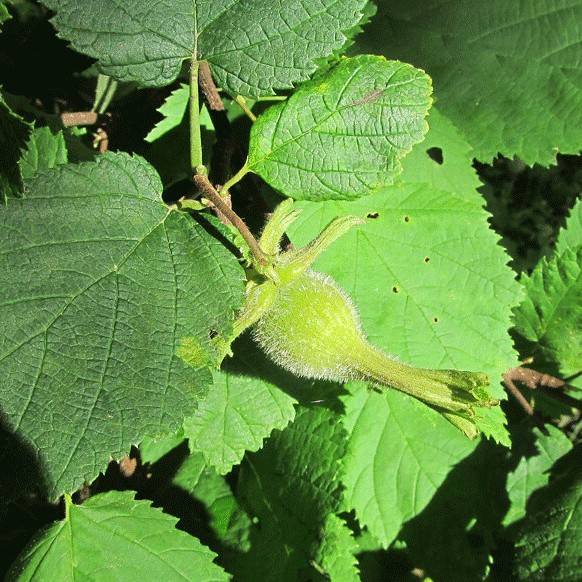
Beaked Hazel
Corylus cornuta
Overview
Beaked hazel is a thicket-forming deciduous shrub recognizable by its serrated, oval green leaves that turn soft yellow in autumn, and its unique, elongated, beak-like husks that enclose its small, sweet nuts. It is monoecious, producing pale yellow male catkins and small red female flowers in late winter to early spring before foliage emerges. Adaptable to a wide range of habitats, it thrives in forest understories, woodland edges, and disturbed sites, forming dense thickets that provide shelter for small wildlife.
Care Guide
Watering
Beaked hazel has moderate water needs, preferring consistently moist, well-drained soil; water deeply once per week during prolonged dry spells to prevent drought stress, reducing frequency in cool, wet seasons. Established shrubs are moderately drought-tolerant, requiring only occasional supplemental water once root systems are fully developed after 2-3 years of growth. Avoid overwatering or allowing roots to sit in saturated soil, as this can lead to root rot and reduced nut production.
Light
This shrub grows best in full sun to partial shade, with full sun exposure encouraging the heaviest nut yields and densest foliage growth. It can tolerate full shade, though flowering and fruiting will be significantly reduced, and growth may become leggy as the plant stretches toward light sources. In hotter southern portions of its range, dappled afternoon shade helps prevent leaf scorch during peak summer heat.
Soil
Beaked hazel adapts to a wide range of soil types, including sandy loam, clay, and rocky substrates, as long as drainage is good. It prefers slightly acidic to neutral soil with a pH range of 5.5 to 7.5, though it can tolerate mildly alkaline conditions as well. Amending heavy clay soil with compost or leaf mold at planting time improves drainage and provides organic matter to support healthy root development.
Fertilizer
Established beaked hazel shrubs have low fertilizer needs, thriving with a single application of balanced, slow-release 10-10-10 fertilizer in early spring before new growth emerges. Young shrubs benefit from a light topdressing of well-rotted compost around the root zone each fall to boost soil fertility without overstimulating late, frost-prone growth. Avoid high-nitrogen fertilizers, as these can promote excessive leaf growth at the expense of flower and nut production.
Temperature
Beaked hazel is exceptionally cold-hardy, tolerating winter temperatures as low as -40°F (-40°C) in USDA hardiness zones 3 through 8. It requires a minimum of 800-1200 hours of winter chill below 45°F (7°C) to break dormancy and produce consistent flower and nut yields each year. Summer temperatures above 90°F (32°C) may cause leaf scorch if the plant is not adequately watered, especially in full sun locations.
Pruning
Prune beaked hazel in late winter while the shrub is dormant, removing dead, damaged, or crossing branches to improve air circulation and light penetration throughout the canopy. To encourage new, productive growth and maintain a manageable size, remove up to one-third of the oldest, woodiest stems at ground level every 2-3 years. If growing for nut production, thin out excess suckers to limit the shrub to 5-7 main stems, which reduces overcrowding and improves yield.
Propagation
Beaked hazel is most easily propagated by digging up and transplanting root suckers that grow around the base of established shrubs in late winter or early spring before new growth starts. It can also be grown from fresh, stratified seed: collect ripe nuts in late summer, remove the husks, and cold-stratify them in moist sand for 3-6 months at 32-40°F (0-4°C) before sowing in spring. Softwood cuttings taken in early summer can root successfully when treated with rooting hormone and kept in a humid, shaded environment until roots develop.
Humidity
Beaked hazel adapts well to a wide range of humidity levels, thriving in the moderate to high humidity of its native forest habitats as well as the drier conditions of upland and prairie edge sites. It has no special humidity requirements when grown outdoors, though young cuttings or newly transplanted shrubs benefit from occasional misting to prevent leaf desiccation until they are established. Very low indoor humidity (below 30%) can cause leaf browning if grown as a potted specimen, though it is rarely cultivated indoors.
Repotting
Beaked hazel is rarely grown in containers long-term, as its extensive root system and large mature size make it better suited to in-ground planting. If growing a young shrub in a pot temporarily, repot it every 1-2 years in early spring before new growth emerges, using a well-draining potting mix and moving to a container 2-3 inches larger than the previous one. Ensure containers have adequate drainage holes to prevent waterlogging, and limit pot growth to no more than 3-4 years before transplanting the shrub to a permanent in-ground location.
Related plants
Other plants you might like if you grow Beaked Hazel.
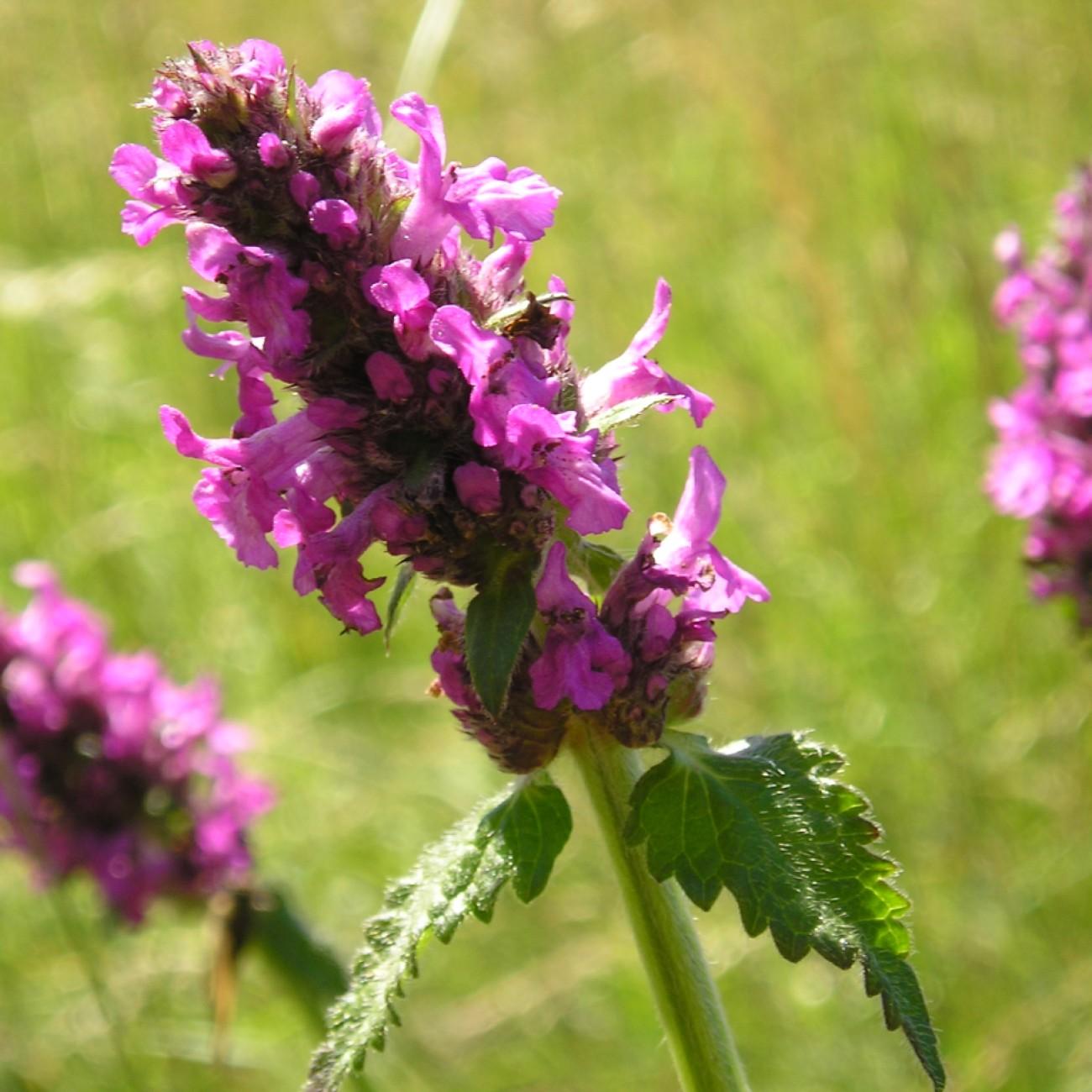
Alpine Betony
Betonica alpinum (syn. Stachys alpina)
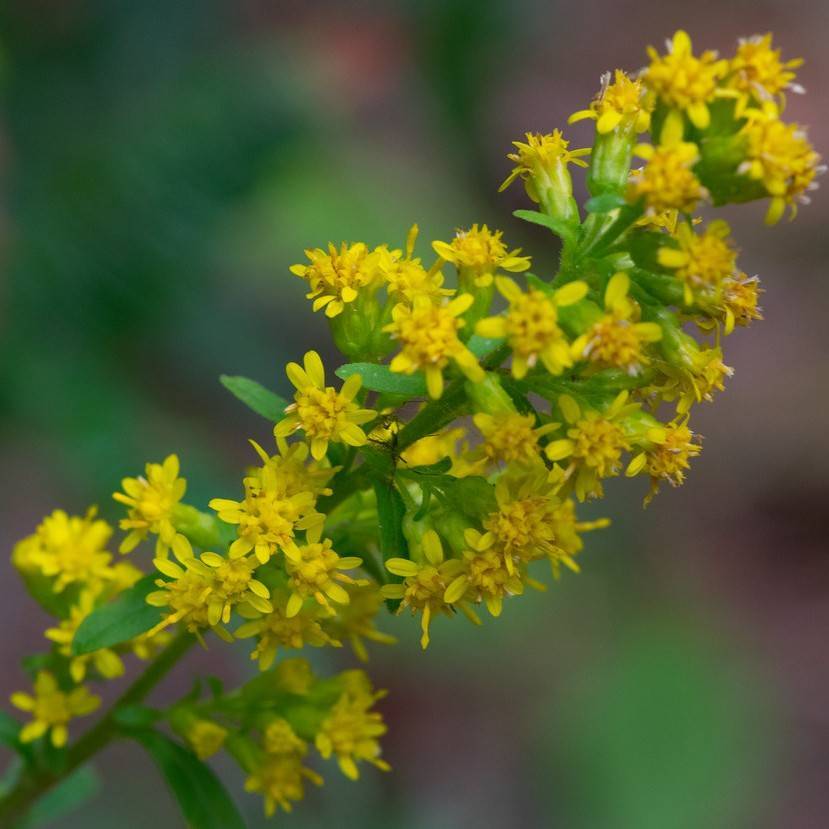
Elm Leaved Goldenrod
Solidago ulmifolia
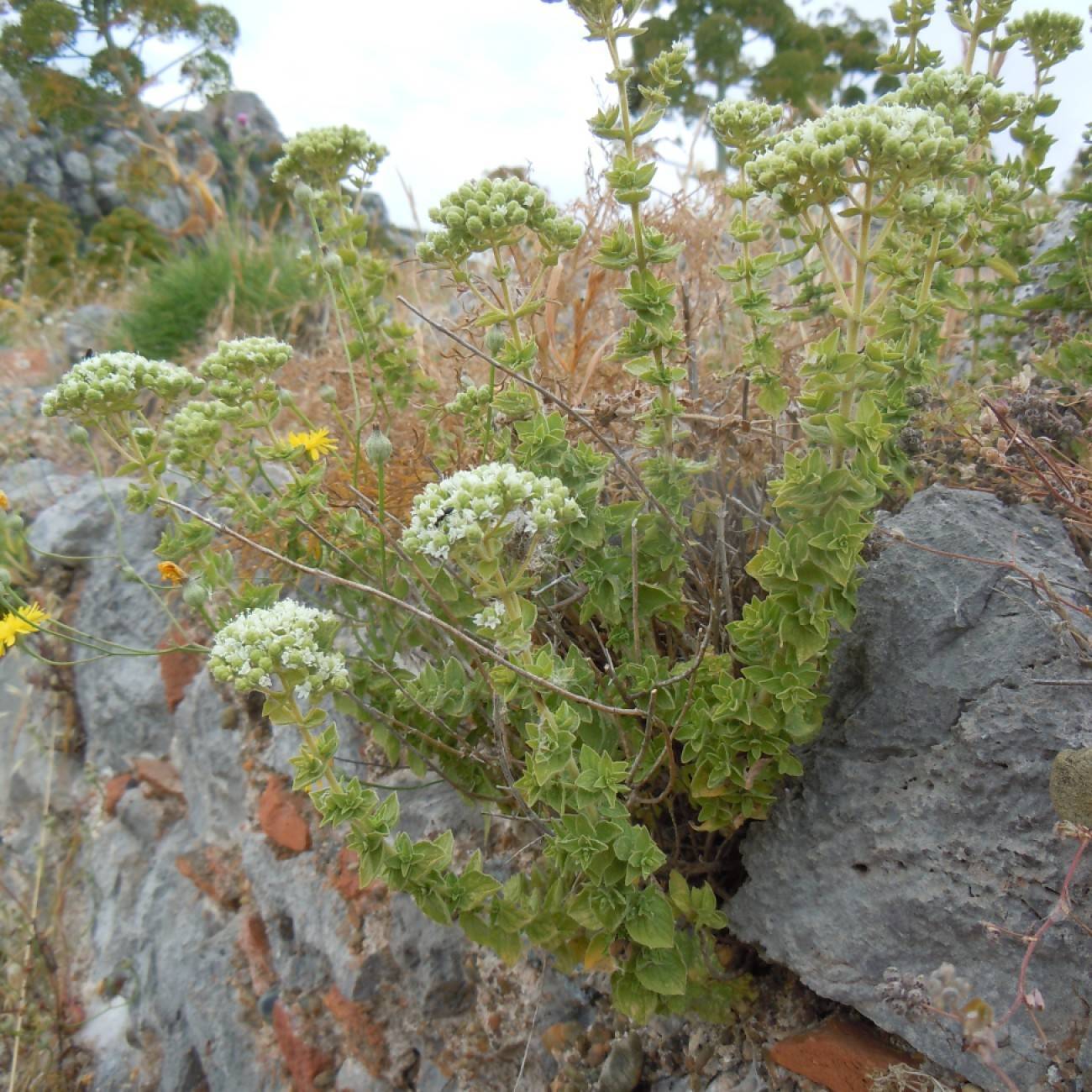
American Feverfew
Parthenium integrifolium
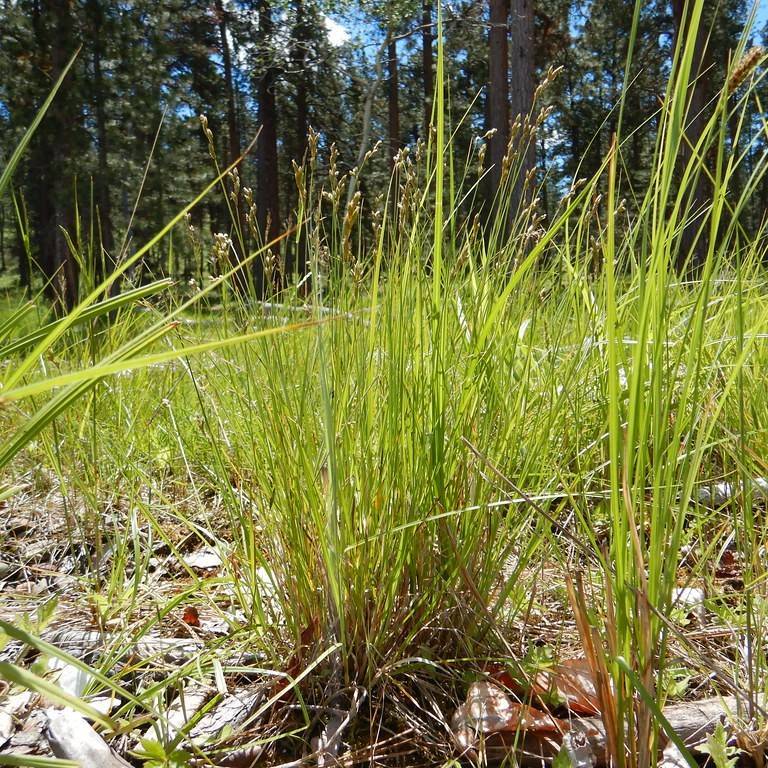
Connect Sedge
Carex connectens
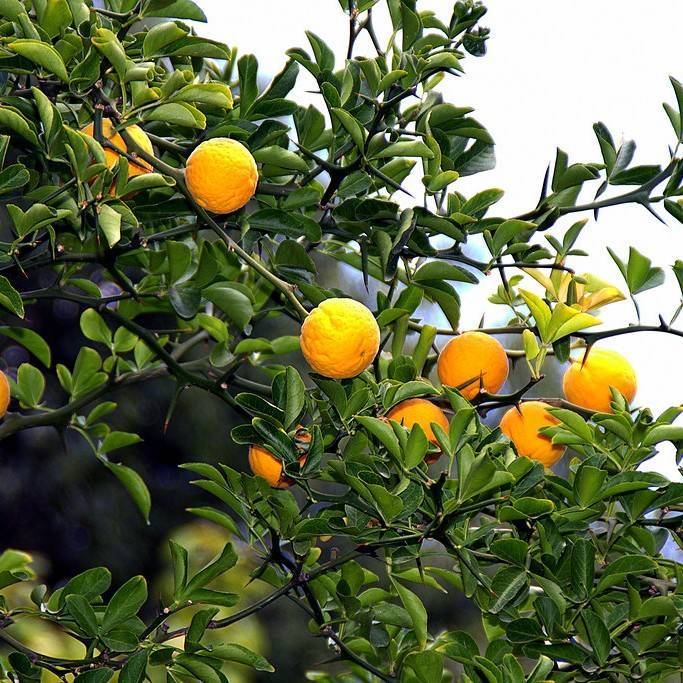
Hardy Orange
Poncirus trifoliata (syn. Citrus trifoliata)
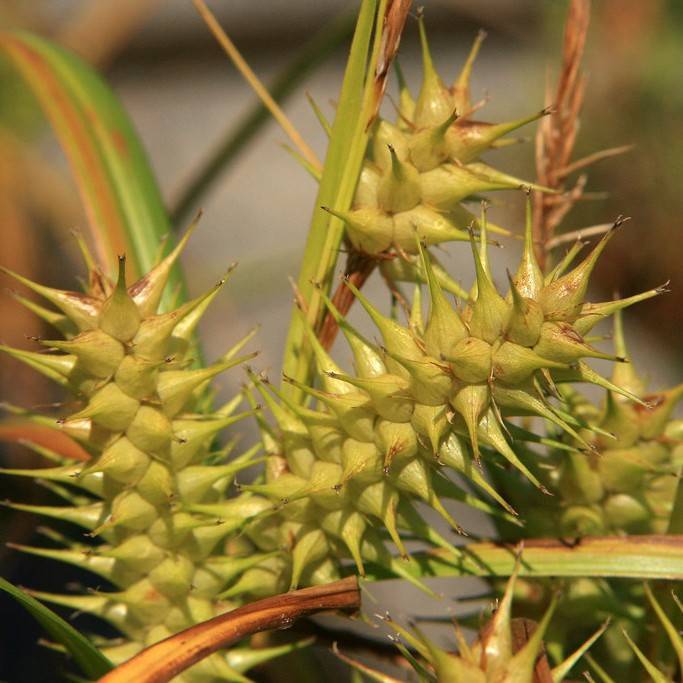
Hop Sedge
Carex lupulina
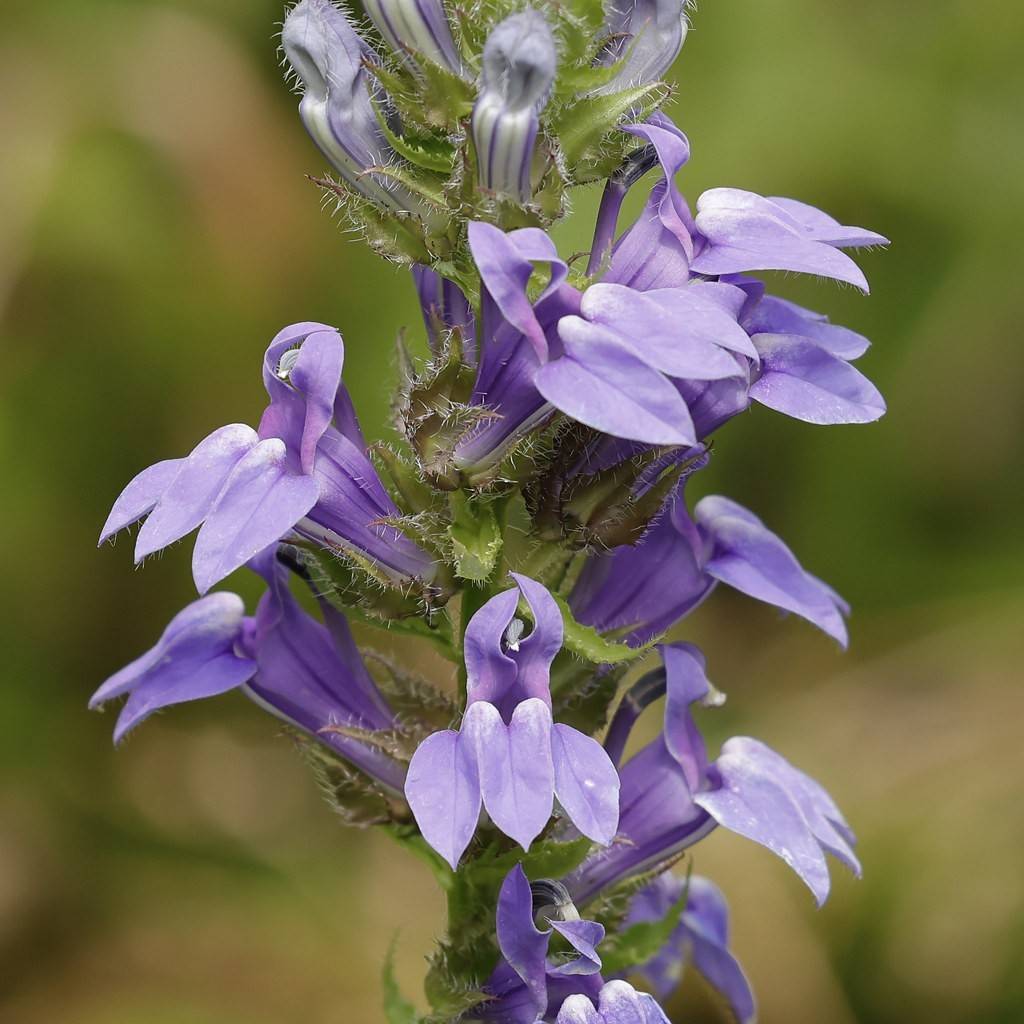
Great Blue Cardinal Flower
Lobelia siphilitica
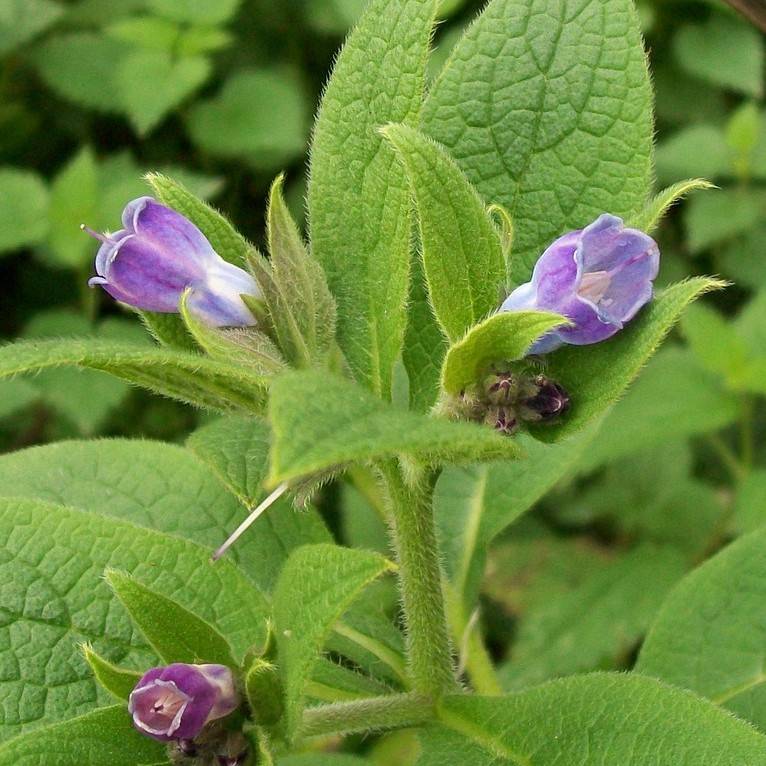
Comfrey
Symphytum officinale