American Feverfew
Parthenium integrifolium
Overview
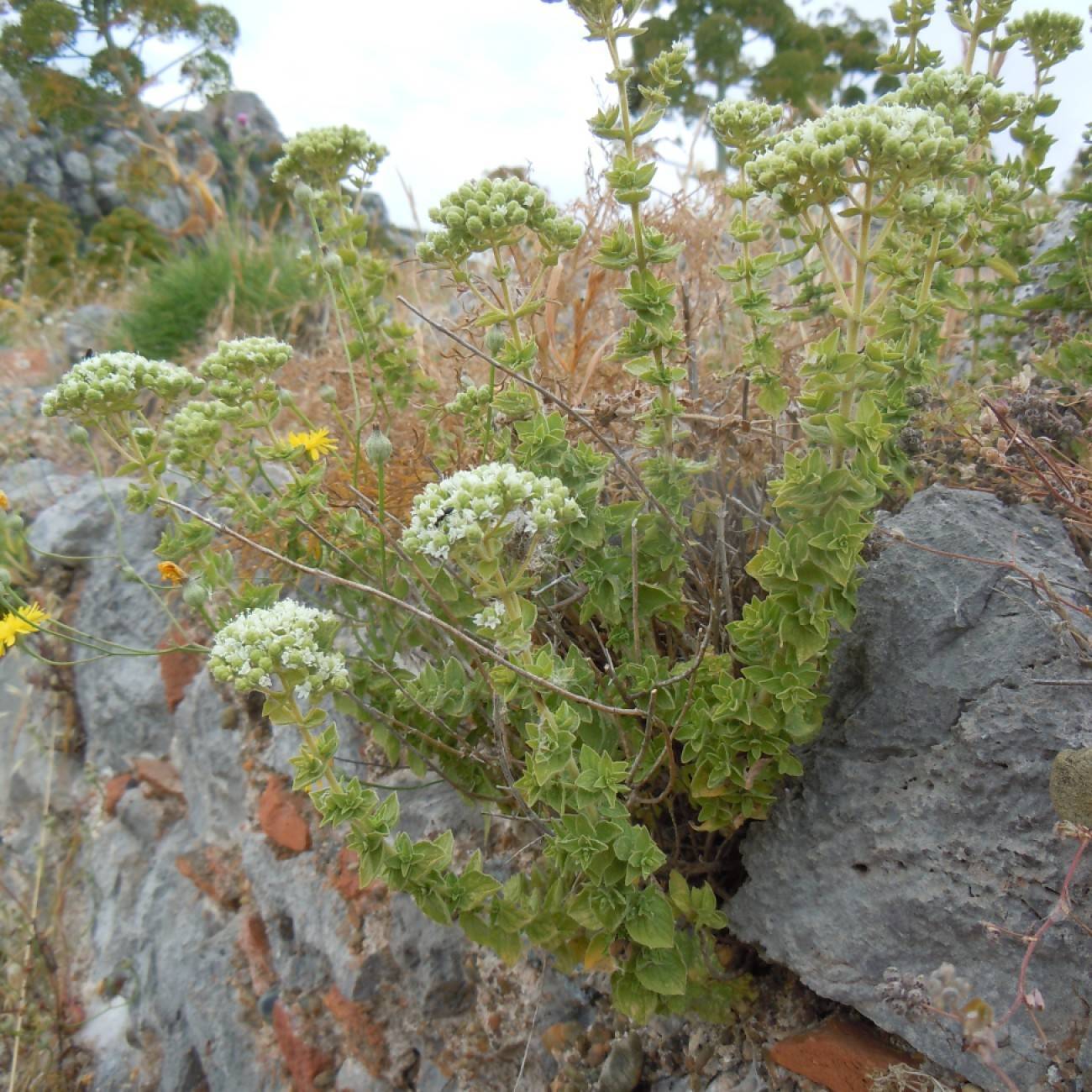
American feverfew, also called wild quinine, is a hardy herbaceous perennial that forms dense clumps of rough, lance-shaped green leaves reaching up to 12 inches long. From early summer to early fall, it produces flat-topped clusters of tiny, creamy white daisy-like flowers that attract a wide range of pollinators including bees, butterflies, and beneficial wasps. It is naturally adapted to prairies, meadows, open woodlands, and roadsides, making it a low-maintenance choice for native plant gardens and pollinator habitats.
Care Guide
Watering
American feverfew is highly drought-tolerant once established, requiring only occasional deep watering during extended periods of dry, hot weather. Overwatering or consistently soggy soil will quickly lead to root rot, so allow the top 2 to 3 inches of soil to dry out completely between waterings. Newly planted specimens need regular, light watering for the first 2 to 3 months to help them develop a robust root system.
Light
This plant thrives in full sun, which encourages the sturdiest growth and most abundant flowering, requiring a minimum of 6 hours of direct sunlight per day. It can tolerate partial shade, though plants grown in shadier conditions may become leggy, flop over, and produce fewer flower clusters. In regions with extremely hot, intense summer sun, light afternoon shade will prevent leaf scorch without impacting bloom performance.
Soil
American feverfew adapts to a wide range of soil types, including poor, rocky, dry, and clay soils, as long as the site has excellent drainage. It prefers a neutral to slightly alkaline soil pH between 6.5 and 7.5, though it will tolerate mildly acidic conditions as well. Avoid heavy, waterlogged soils, as this species is highly susceptible to root rot in saturated growing medium.
Fertilizer
This low-maintenance perennial rarely requires fertilization, as it thrives in even poor, low-nutrient soils without supplemental feeding. Over-fertilization will cause excessive, leggy foliage growth at the expense of flower production and may lead to floppy stems that require staking. If grown in extremely depleted garden soil, apply a thin layer of compost around the base of the plant in early spring for a gentle, slow-release nutrient boost.
Temperature
American feverfew is extremely cold-hardy, suitable for USDA growing zones 3 through 8, and can tolerate winter temperatures as low as -40°F (-40°C). It adapts well to summer heat up to 100°F (38°C) as long as it has adequate drainage, though prolonged extreme heat may cause temporary wilting that resolves once temperatures cool. It requires a period of cold winter dormancy to regrow vigorously the following spring, so it is not suited to tropical or subtropical climates without cold winters.
Pruning
Minimal pruning is required for American feverfew; spent flower clusters can be deadheaded throughout the blooming season to encourage additional flower production and prevent unwanted self-seeding. In late fall or early spring, cut back the entire plant to 2 to 3 inches above the soil line to remove dead, brown foliage and make room for new spring growth. If plants become leggy or floppy mid-season, you can shear them back by one-third to encourage bushier, more compact regrowth.
Propagation
American feverfew is most easily propagated by seed, which can be sown directly outdoors in fall for cold stratification, or started indoors 8 to 10 weeks before the last expected spring frost after 30 days of cold, moist stratification. Mature clumps can also be divided in early spring or late fall, splitting the root ball into 2 to 3 smaller sections and replanting them immediately at the same depth they were originally growing. It will also self-seed readily in ideal growing conditions, with volunteer seedlings easy to transplant to new locations when they are 2 to 3 inches tall.
Humidity
This species tolerates a wide range of humidity levels, from dry continental climates to moderately humid eastern North American environments, with no special humidity requirements. High humidity combined with poor air circulation can increase the risk of foliar fungal diseases, so space plants 18 to 24 inches apart to allow for good airflow around foliage. Avoid overhead watering, which can leave moisture on leaves and create favorable conditions for fungal growth in humid conditions.
Repotting
American feverfew is rarely grown in containers, as it develops a deep, extensive taproot that can become cramped in pots, leading to reduced vigor and flowering. If grown in a container, use a deep pot at least 12 inches wide and 18 inches deep with plenty of drainage holes, filled with a well-draining, sandy potting mix. Repot only when the plant becomes root-bound, indicated by roots growing out of the drainage holes or stunted growth, and do so in early spring before new growth emerges.
Related plants
Other plants you might like if you grow American Feverfew.