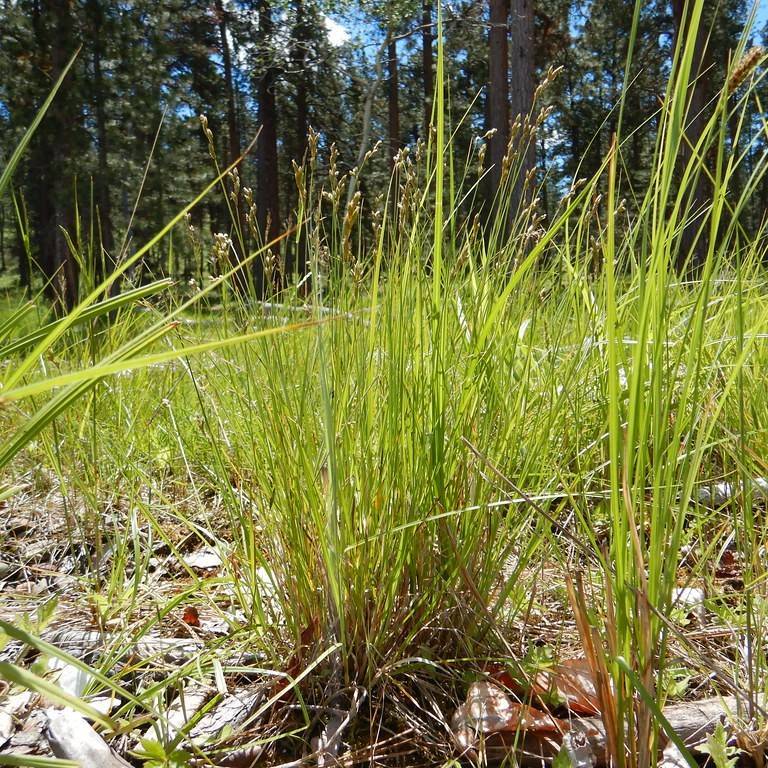
Connect Sedge
Carex connectens
Overview
Connect sedge is a low-maintenance, grass-like perennial native to wet woodland edges, stream banks, and swampy areas of eastern North America. It forms dense, spreading clumps of narrow, soft green foliage that stays semi-evergreen in mild winter climates, providing year-round ground cover. Unlike many ornamental grasses, it thrives in partially shaded, moist conditions, making it a versatile choice for challenging low-light, damp garden spots.
Care Guide
Watering
Connect sedge prefers consistently moist to wet soil, so water regularly to keep the root zone from drying out, especially during periods of drought. It can tolerate temporary standing water, making it suitable for rain gardens or areas with poor drainage, but avoid letting potted specimens sit in stagnant water for extended periods to prevent root rot. During winter, reduce watering frequency as the plant enters dormancy, only adding water if the soil becomes completely dry.
Light
This sedge grows best in partial to full shade, receiving 2-6 hours of indirect or dappled sunlight per day. It can tolerate brief periods of direct morning sun, but intense afternoon sunlight will scorch its delicate foliage, leading to yellowing or browning leaf tips. When grown indoors, place it in a bright north or east-facing window with filtered light to support healthy growth.
Soil
Connect sedge thrives in rich, loamy, well-draining soil with a slightly acidic to neutral pH between 5.5 and 7.0. It adapts well to clay, sandy, or silty soils as long as they retain moisture, and can even grow in shallow water up to 2 inches deep for short periods. For potted specimens, use a peat-based potting mix amended with perlite or compost to improve water retention while preventing compaction.
Fertilizer
Fertilize connect sedge once annually in early spring, just as new growth emerges, using a balanced, slow-release granular fertilizer with an NPK ratio of 10-10-10. Avoid over-fertilizing, as this can lead to overly lush, floppy growth that is more susceptible to pest damage. Potted specimens can be given a diluted liquid fertilizer every 6-8 weeks during the growing season, but skip feeding entirely during the winter dormant period.
Temperature
Connect sedge is hardy in USDA zones 5 through 9, tolerating winter temperatures as low as -20°F (-29°C) when planted outdoors. It prefers mild growing temperatures between 60-80°F (15-27°C), and will go dormant and die back to the ground in areas with sustained freezing temperatures. When grown indoors, it adapts well to average household temperatures, but should be kept away from cold drafts from windows or heating vents that can dry out foliage.
Pruning
Prune connect sedge once annually in late winter or early spring, before new growth emerges, by cutting back dead or brown foliage to 2-3 inches above the soil line to encourage fresh, healthy growth. Remove any yellowed or damaged leaves throughout the growing season to maintain a tidy appearance and improve air circulation around the clump. If the plant spreads beyond its desired area, you can dig up and divide outer clumps to control its size.
Propagation
The most common and successful method of propagating connect sedge is by division in early spring or late fall, when the plant is not actively growing. Dig up an established clump, gently separate it into smaller sections with a sharp, sterile knife, ensuring each section has a healthy portion of roots and foliage, then replant the divisions at the same depth they were growing originally. It can also be grown from seed, but seeds require a 3-month cold stratification period to germinate, and seedlings take 2-3 years to reach mature size, making division the preferred method for home gardeners.
Humidity
Connect sedge prefers moderate to high humidity levels between 50-70%, similar to its native wetland habitat. In dry indoor environments, mist the foliage regularly with room-temperature water, place the pot on a tray filled with pebbles and water, or use a humidifier to maintain adequate moisture levels around the plant. Low humidity can cause leaf tips to brown, so monitor moisture levels closely during winter when indoor heating dries out the air.
Repotting
Potted connect sedge should be repotted every 2-3 years in early spring, just as new growth begins, to refresh the soil and prevent root binding. Choose a pot that is 1-2 inches larger in diameter than the current one, with drainage holes to prevent waterlogging, and use a moisture-retentive potting mix amended with compost. When repotting, gently loosen tangled roots and remove any dead or rotted root sections before placing the plant in its new container.
Related plants
Other plants you might like if you grow Connect Sedge.
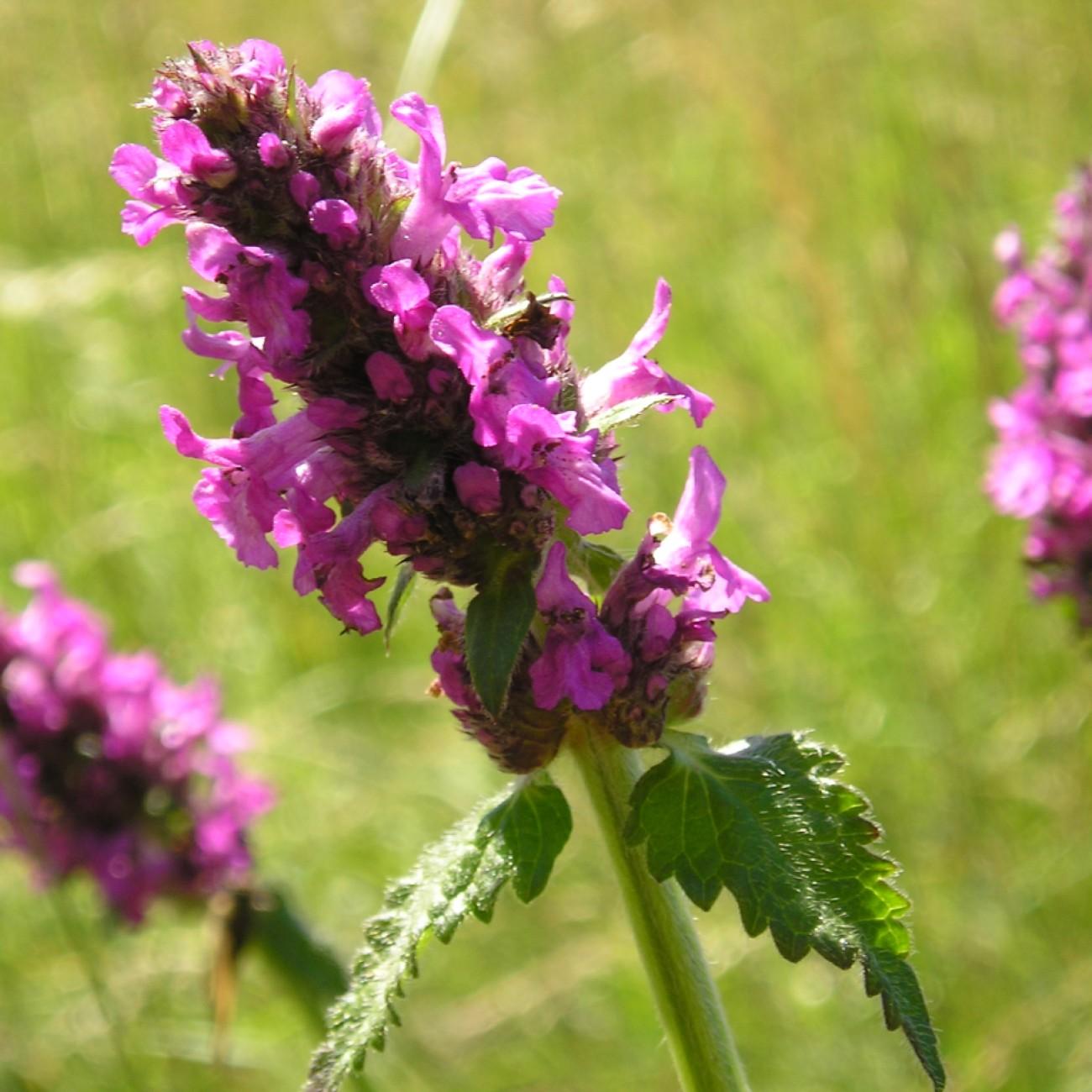
Alpine Betony
Betonica alpinum (syn. Stachys alpina)
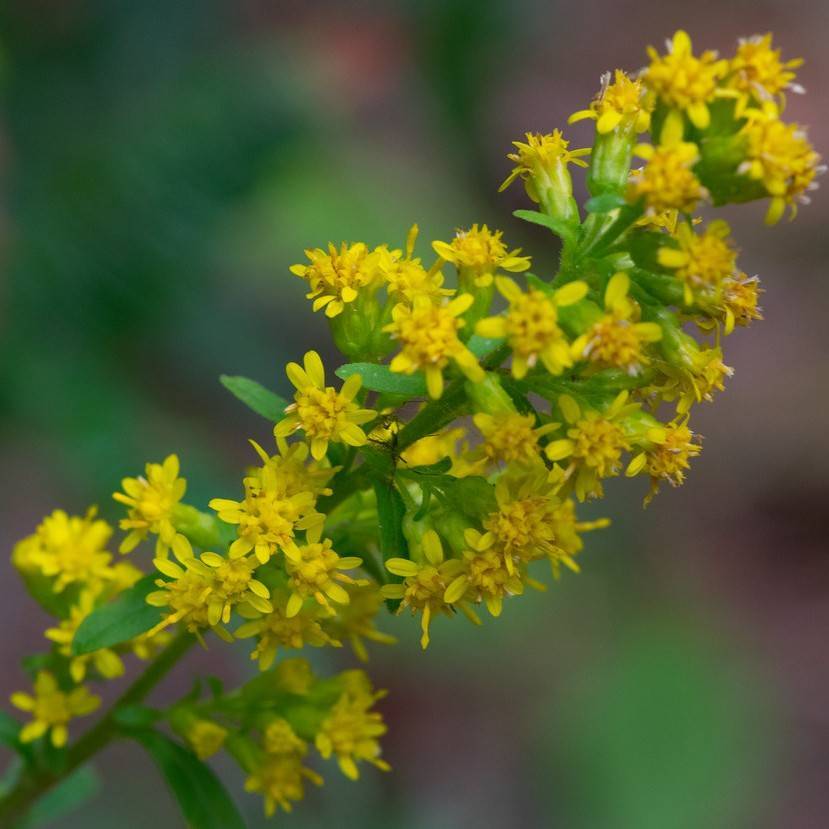
Elm Leaved Goldenrod
Solidago ulmifolia
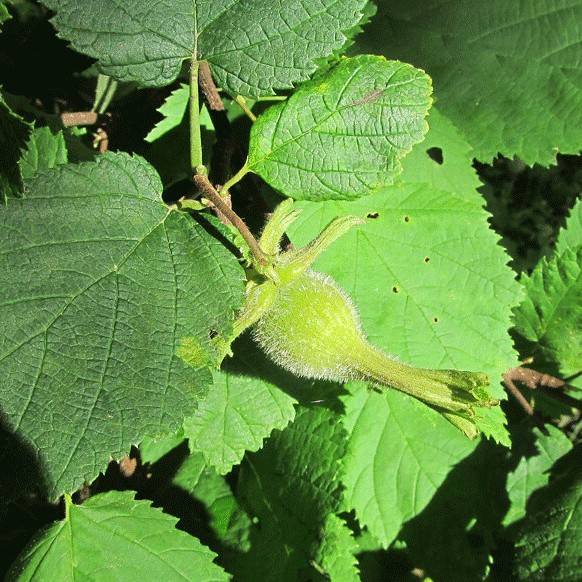
Beaked Hazel
Corylus cornuta
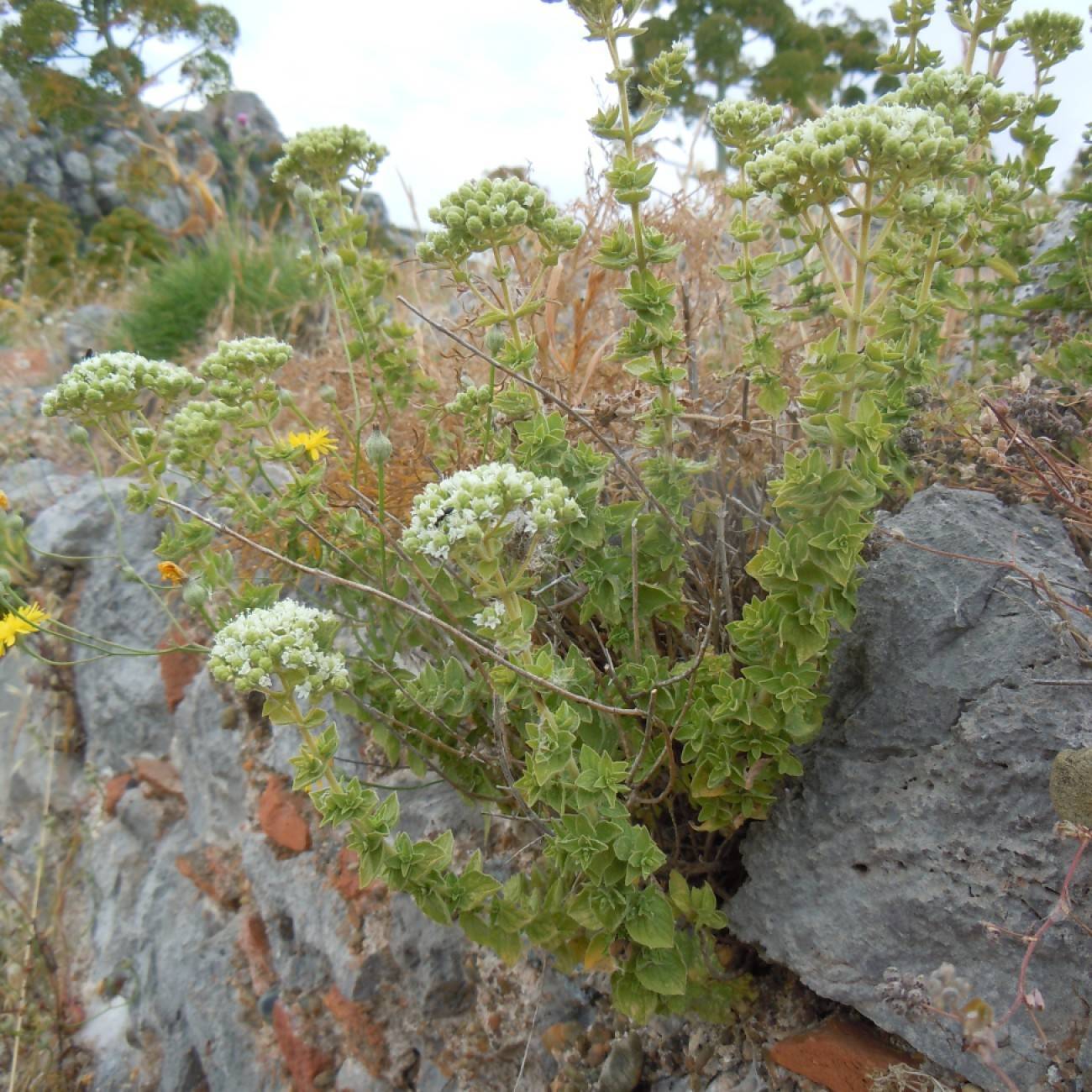
American Feverfew
Parthenium integrifolium
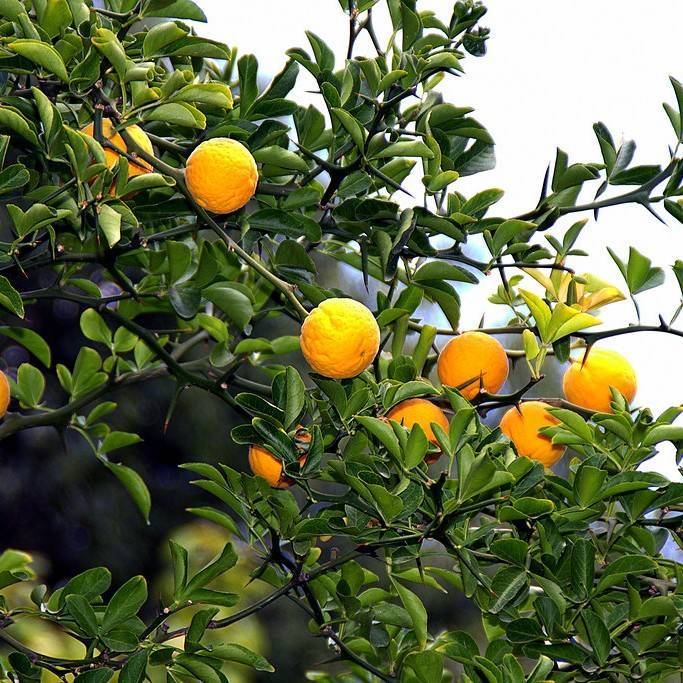
Hardy Orange
Poncirus trifoliata (syn. Citrus trifoliata)
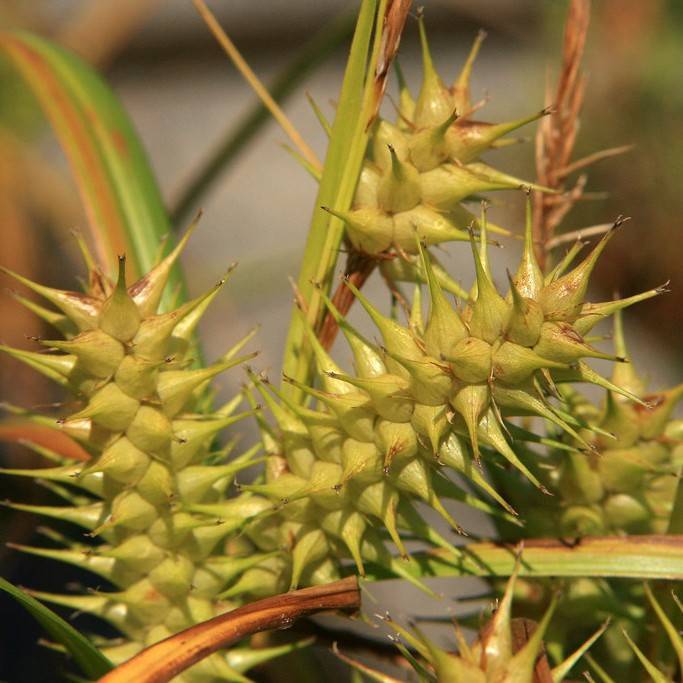
Hop Sedge
Carex lupulina
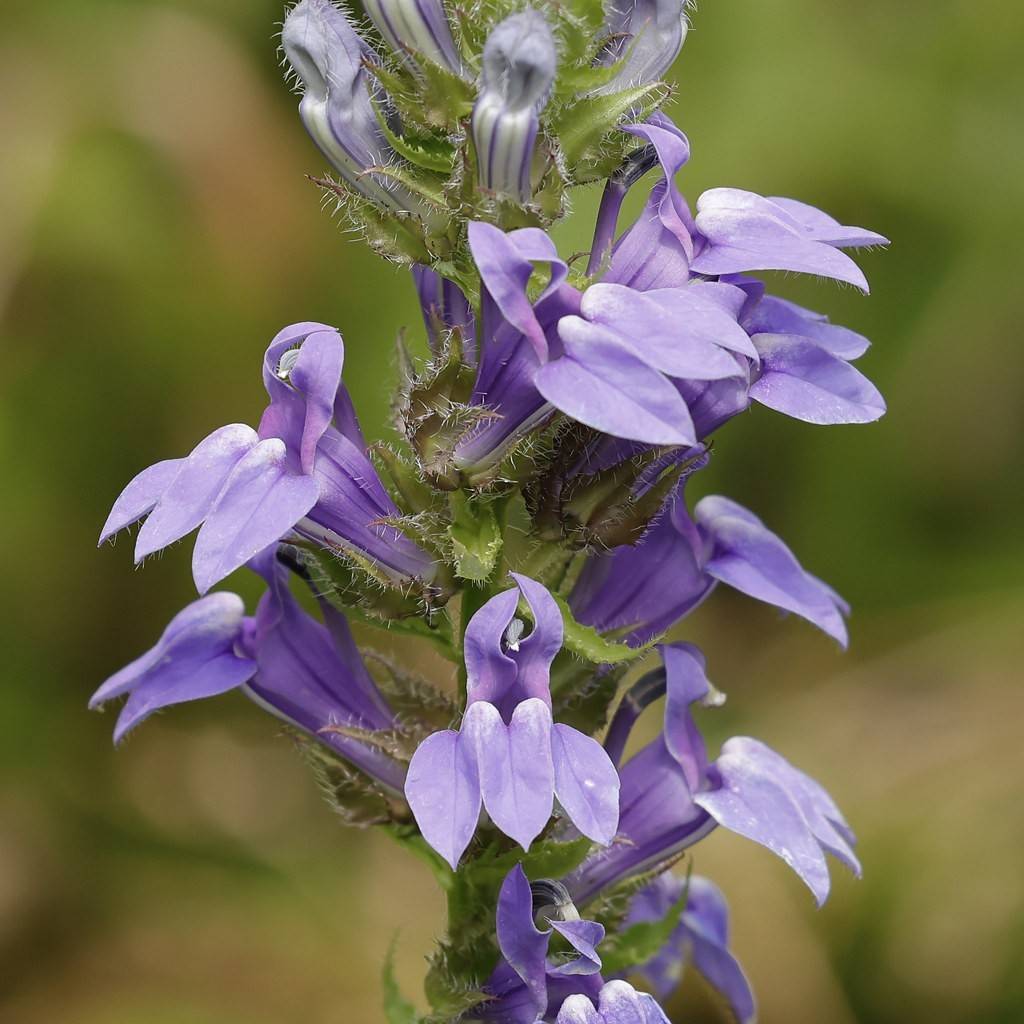
Great Blue Cardinal Flower
Lobelia siphilitica
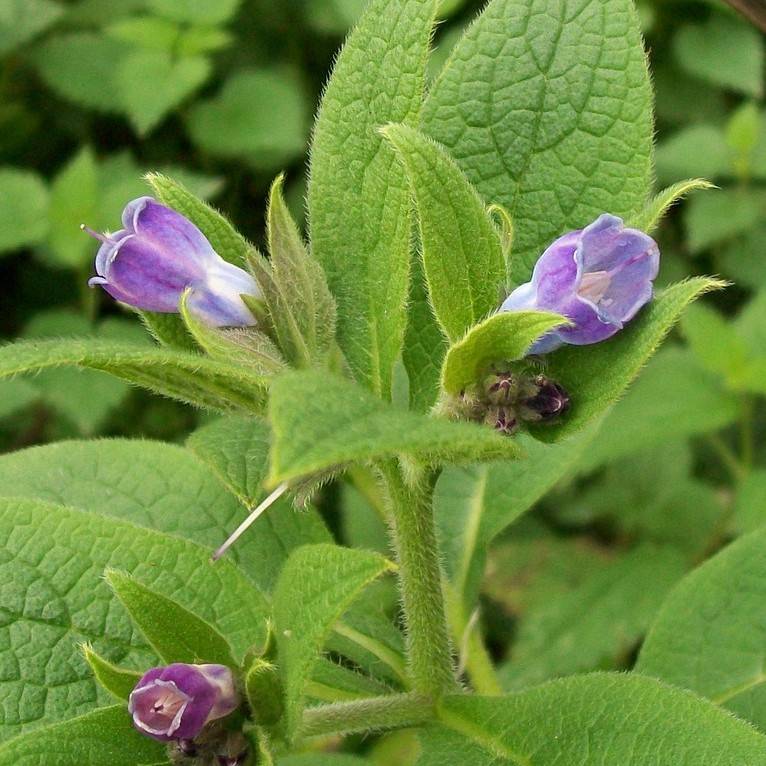
Comfrey
Symphytum officinale