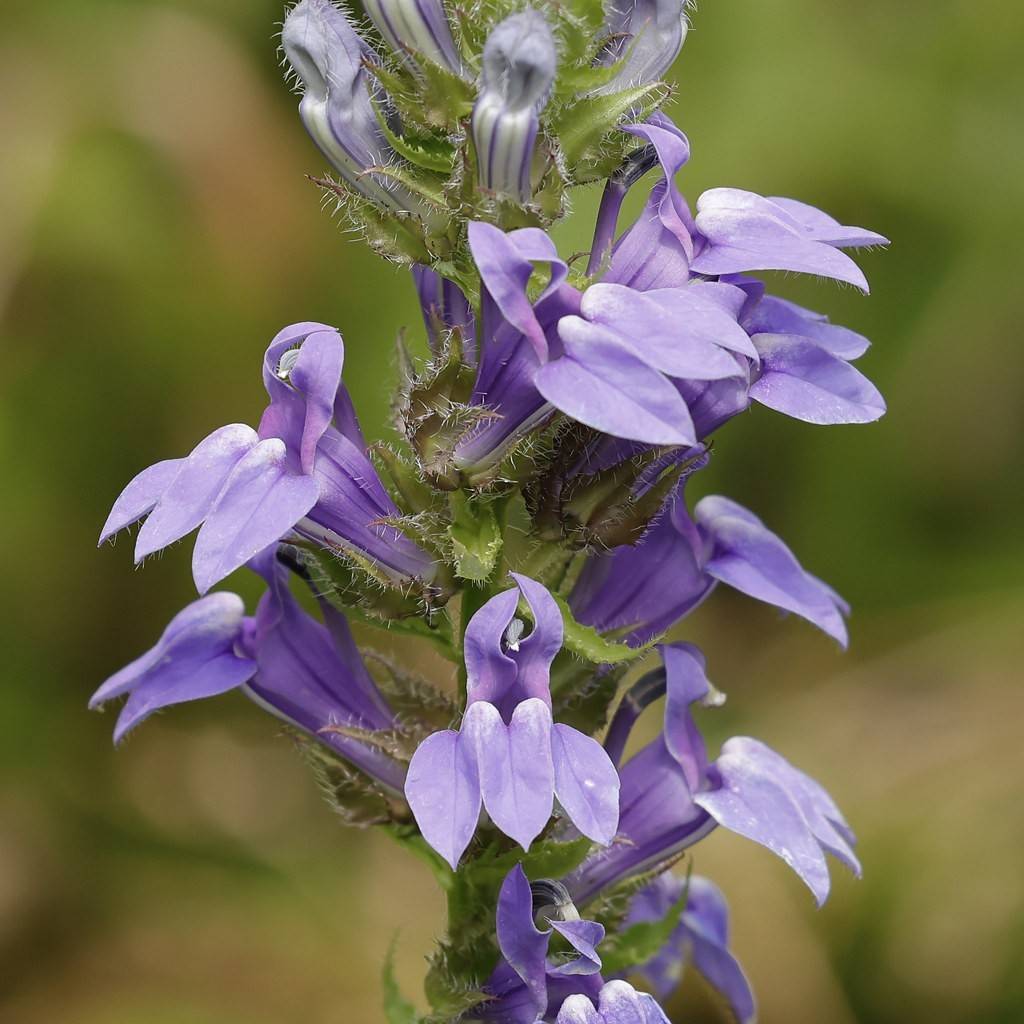
Great Blue Cardinal Flower
Lobelia siphilitica
Overview
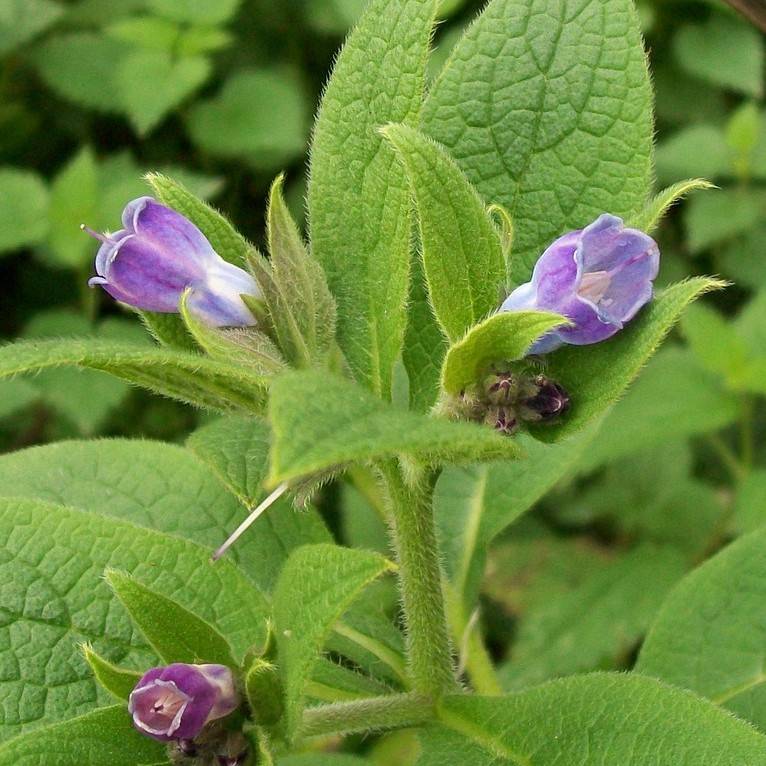
Great Blue Cardinal Flower, a close relative of the red cardinal flower Lobelia cardinalis, is a herbaceous perennial adapted to wet, sunny habitats like streambanks, wet meadows, and swamp edges across its native range. Its tall, upright spikes of two-lipped, bright blue flowers bloom from mid to late summer, standing out against its lance-shaped, serrated green foliage. Though short-lived in some garden conditions, it readily self-seeds to maintain consistent presence in suitable growing areas.
Care Guide
Watering
Requires consistently moist, even wet soil; never allow the root zone to dry out completely, as drought stress will cause wilting, leaf drop, and premature death. Water deeply 2-3 times per week in dry periods, and supplemental watering may not be needed in areas with regular rainfall or in naturally boggy planting sites. Avoid overhead watering to reduce the risk of foliar fungal diseases.
Light
Thrives in full sun to partial shade, with full sun producing the most abundant flower spikes in cool, moist climates. In regions with hot, intense summer sun, provide afternoon shade to prevent leaf scorch and reduce soil moisture loss. Too much deep shade will result in leggy growth and reduced flowering.
Soil
Prefers rich, humus-heavy, well-draining soil with a neutral to slightly acidic pH between 6.0 and 7.0, though it tolerates heavier clay soils as long as moisture levels stay consistent. Amending planting sites with compost or well-rotted leaf mold will improve water retention and nutrient content to support healthy growth. It can tolerate occasional temporary flooding, making it suitable for rain gardens and bioswale plantings.
Fertilizer
Apply a balanced, slow-release 10-10-10 fertilizer in early spring as new growth emerges, to support robust stem and flower development. Avoid over-fertilizing, as excess nitrogen will promote lush, leggy foliage growth at the expense of blooms and may make stems more prone to flopping. Organic alternatives like compost tea or fish emulsion can be applied every 4-6 weeks during the growing season for a gentler nutrient boost.
Temperature
Grows best in temperatures between 60-85°F (15-29°C), and is hardy in USDA zones 3-9, tolerating winter lows down to -40°F (-40°C) when roots are insulated with a layer of mulch. High summer temperatures are tolerated well as long as soil moisture remains consistent and plants are protected from intense midday sun in warmer zones. Frost will kill back above-ground foliage in fall, but roots will regrow the following spring.
Pruning
Deadhead spent flower spikes after blooming to encourage a secondary, smaller flush of flowers later in the season, and to prevent unwanted self-seeding if spreading is not desired. Cut back all dead foliage to ground level in late fall or early spring before new growth emerges, to reduce overwintering sites for pests and diseases. Stake taller stems in exposed, windy locations to prevent flopping during heavy rain or bloom periods.
Propagation
Most commonly propagated by seed, which requires 60 days of cold stratification to germinate; sow seeds outdoors in fall or stratify indoors in refrigerated moist sand before spring sowing. Division of established clumps can be done in early spring before new growth starts, by separating root sections with at least one growing point and replanting immediately at the same depth as the original plant. Stem cuttings taken from young, non-flowering shoots in late spring can be rooted in moist, well-draining potting mix under high humidity.
Humidity
Tolerates average to high humidity levels between 40-80%, which is typical of its native wetland habitats. Low indoor humidity below 30% will cause leaf browning and stunted growth if grown as a potted houseplant, so regular misting or a pebble tray may be needed in dry indoor environments. Outdoor plants rarely require humidity adjustments in their native growing regions.
Repotting
If grown in containers, repot every 1-2 years in early spring before new growth emerges, using a rich, moisture-retentive potting mix amended with peat moss or coconut coir. Choose a pot with drainage holes at least 2 inches wider than the previous container to accommodate root growth, and avoid planting too deeply to prevent root rot. Container-grown plants will require more frequent watering than in-ground specimens, as potting mix dries out faster.
Related plants
Other plants you might like if you grow Great Blue Cardinal Flower.