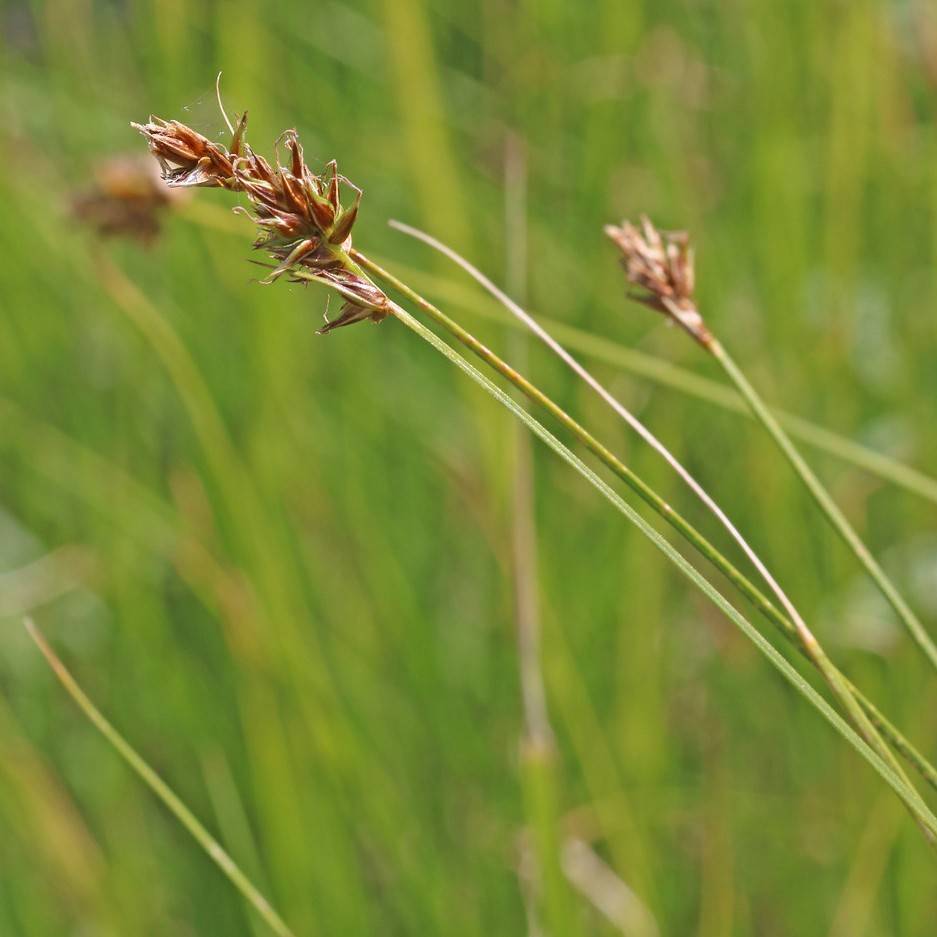
Hood's Sedge
Carex hoodii
Overview
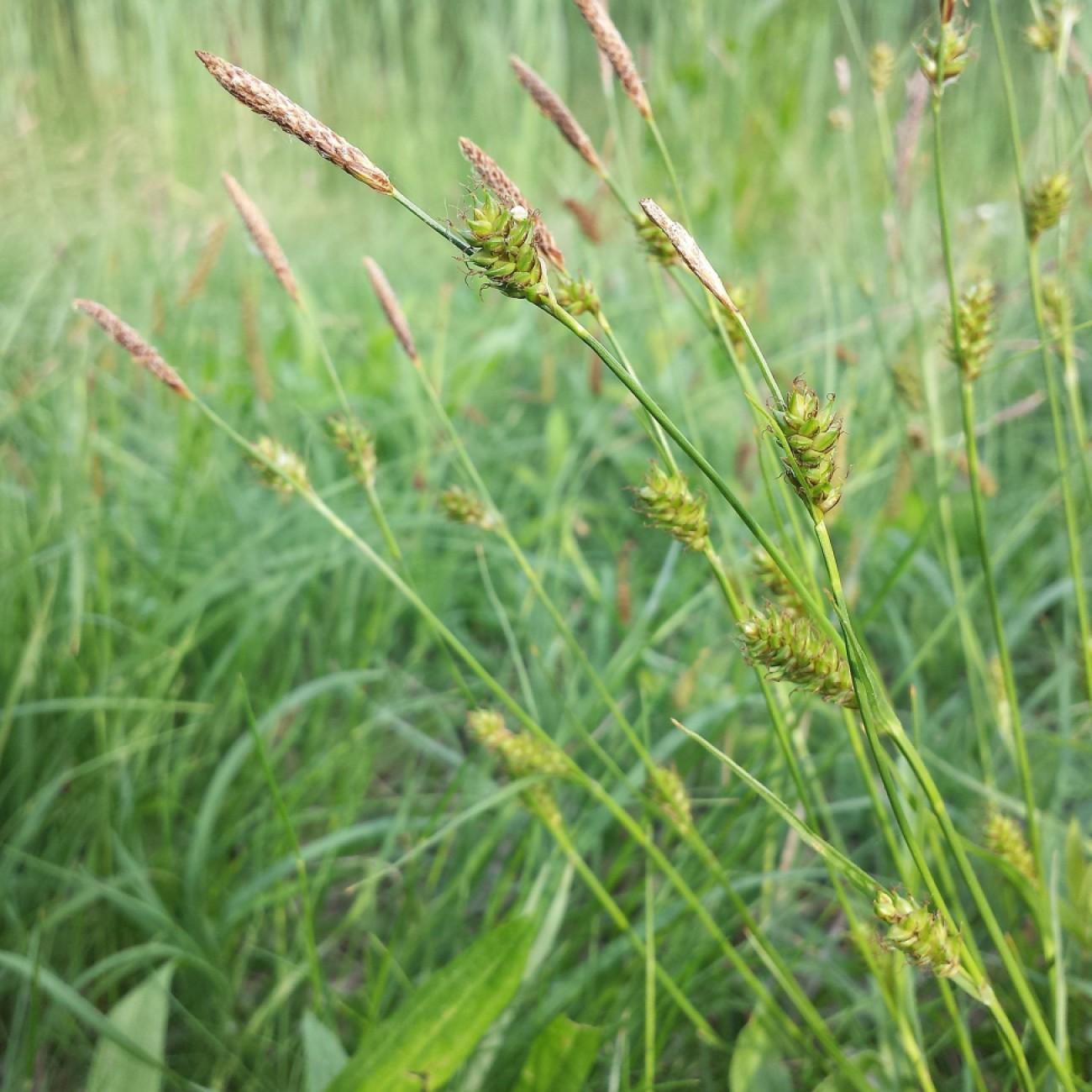
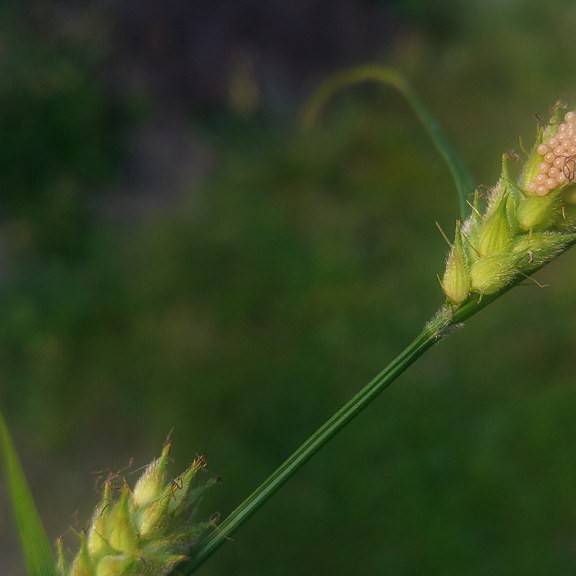
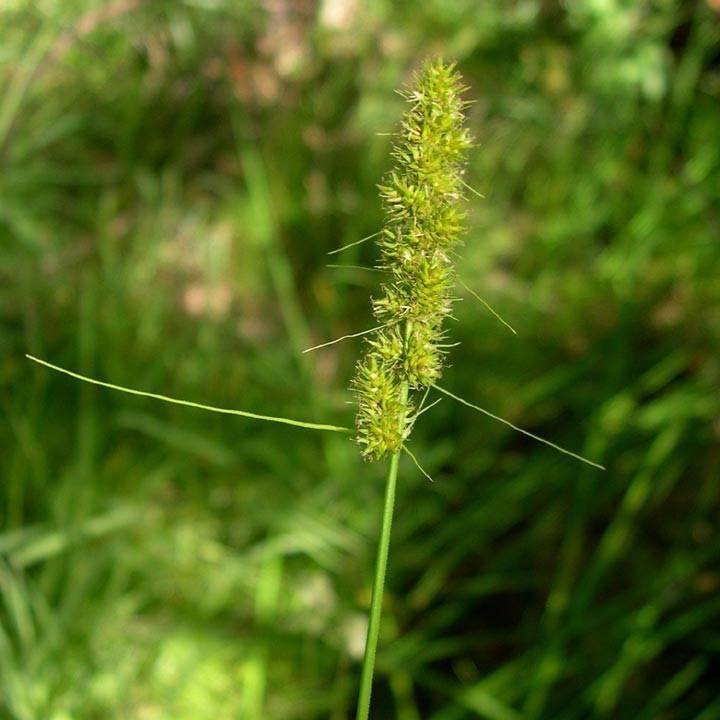
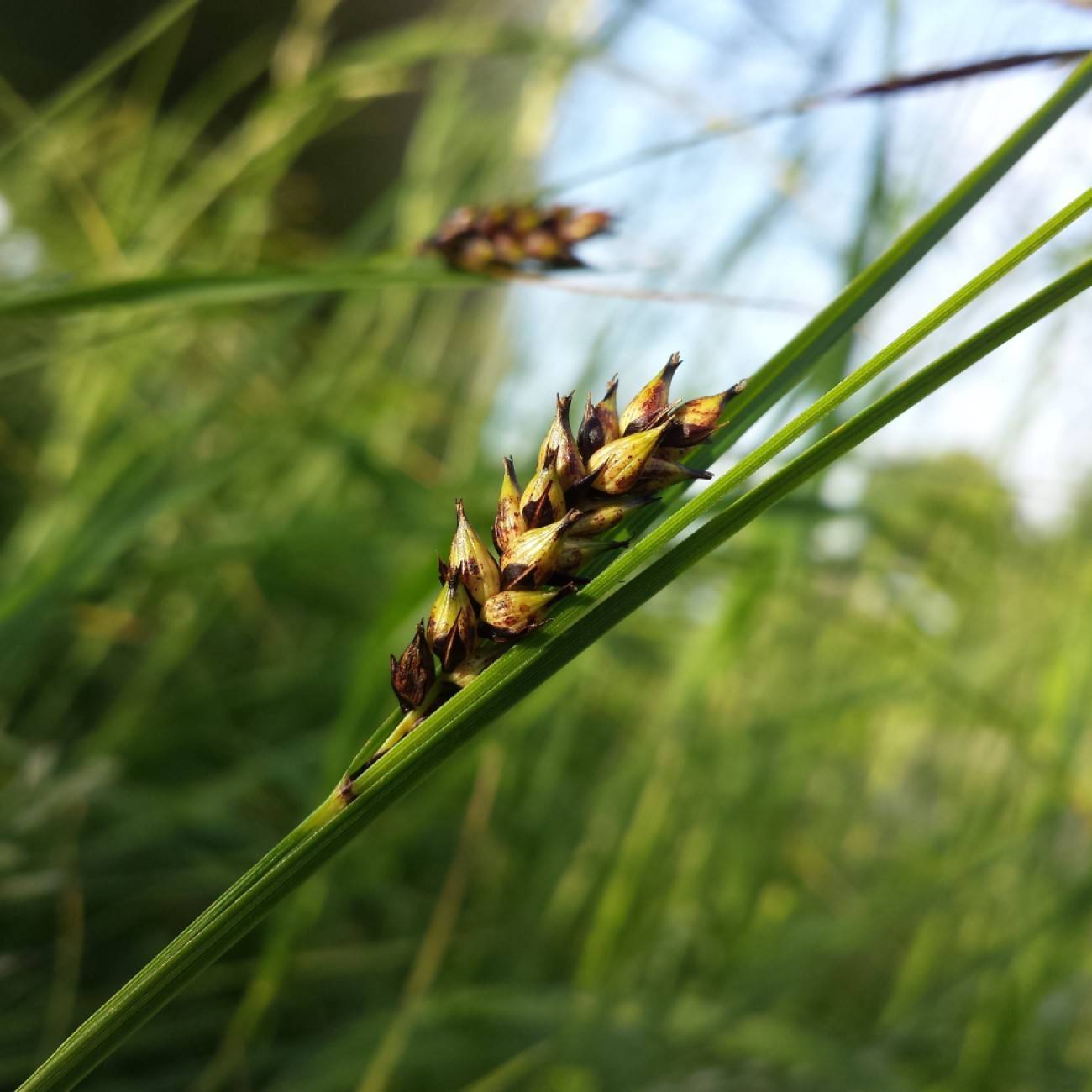
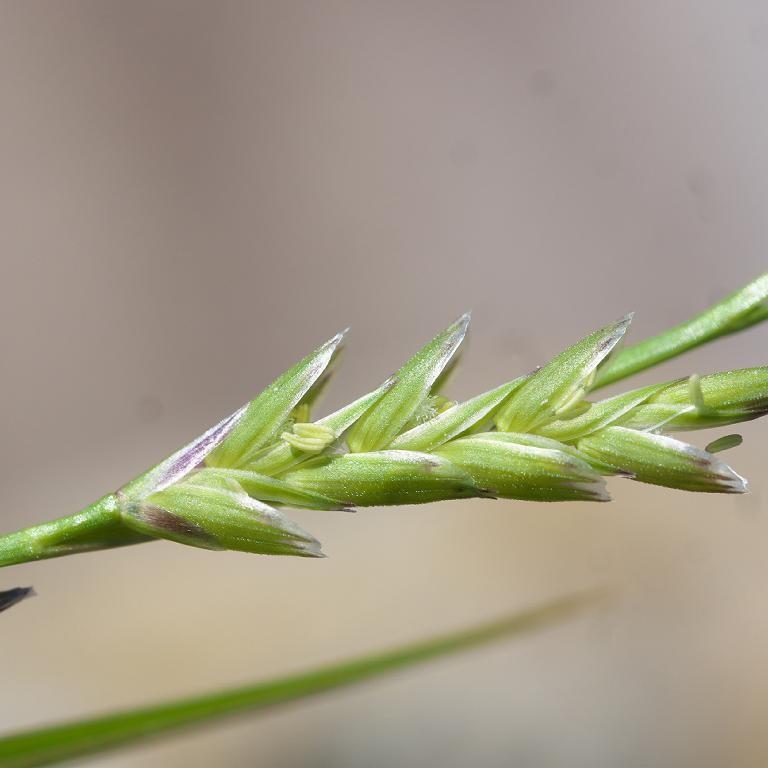
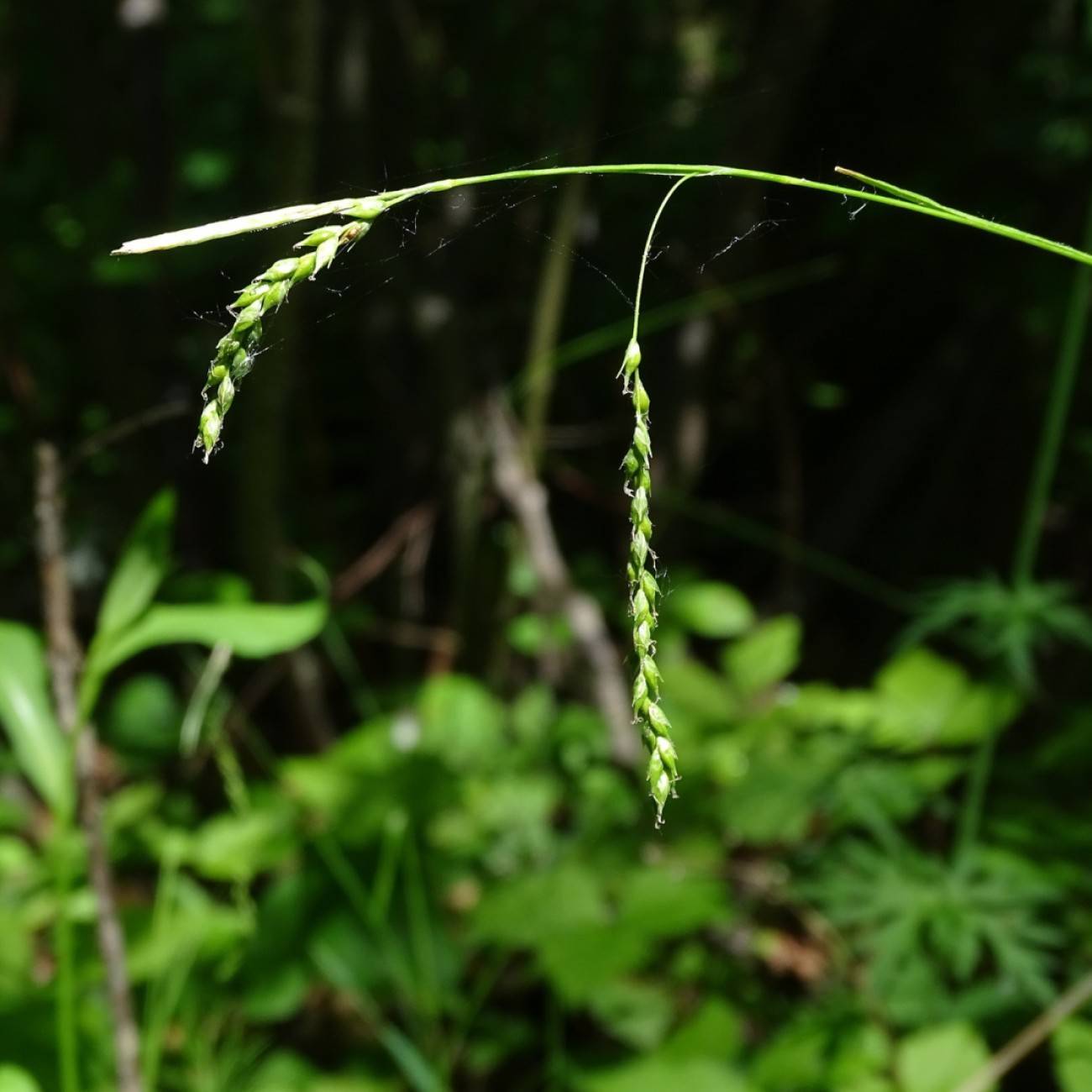
Carex hoodii, commonly called Hood's Sedge, is a cool-season perennial in the sedge family that forms dense, upright clumps of fine, narrow green foliage. It thrives in open, dry to moderately moist habitats including prairies, meadows, open woodlands, and rocky slopes across its native western North American range. In late spring to early summer, it produces inconspicuous, narrow brown spikelets that add subtle textural interest to planting schemes. This hardy sedge is adapted to a wide range of conditions, making it a versatile choice for low-water and native plant gardens.
Care Guide
Watering
Hood's Sedge is highly drought tolerant once established, requiring only occasional supplemental water during prolonged hot, dry periods. Overwatering or planting in poorly drained, waterlogged soil can lead to root rot, so allow the top several inches of soil to dry out between waterings. Newly planted specimens need regular, light watering for the first 2 to 3 months to help establish a strong root system.
Light
This sedge performs best in full sun to partial shade, tolerating full sun in cooler regions and benefiting from afternoon shade in areas with intense summer heat. Too much deep shade will cause the clumps to become sparse and leggy, reducing their ornamental value and erosion control efficacy. When grown indoors, place it in a bright location with direct morning sun and indirect afternoon light for optimal growth.
Soil
Hood's Sedge adapts to a wide range of soil types, including sandy, loamy, rocky, and even clay soils, as long as drainage is good. It prefers a neutral to slightly alkaline soil pH, though it can tolerate slightly acidic conditions as well. Avoid heavy, compacted soils that hold standing water for extended periods, as this will damage the plant's root system.
Fertilizer
This low-maintenance sedge rarely requires fertilization, especially when planted in its native range in reasonably fertile soil. If growth is particularly sparse or pale, apply a balanced, slow-release granular fertilizer in early spring at half the recommended rate for ornamental grasses. Over-fertilization will encourage excessive, floppy growth and reduce the plant's natural drought tolerance.
Temperature
Hood's Sedge is extremely cold hardy, tolerating temperatures as low as -40°F (-40°C) and thriving in USDA hardiness zones 3 through 8. It prefers cool spring and fall growing conditions, going partially dormant during the hottest summer months in regions with prolonged high temperatures. Extreme heat combined with drought may cause leaf browning, which can be trimmed back to encourage fresh new growth as conditions cool.
Pruning
Minimal pruning is required for Hood's Sedge; cut back the entire clump to 2 to 3 inches above the soil line in late winter or early spring before new growth emerges to remove dead foliage and encourage fresh, upright growth. Remove any brown or damaged leaves throughout the growing season as needed to maintain a neat appearance. Avoid pruning back more than one-third of the foliage during the active growing season, as this can stress the plant.
Propagation
Hood's Sedge is most easily propagated by division in early spring or late fall, when the plant is semi-dormant. Dig up mature clumps, gently separate them into smaller sections with a sharp knife, ensuring each section has a healthy portion of roots and foliage, then replant immediately at the same depth as the original plant. It can also be grown from seed sown directly outdoors in fall or cold-stratified for 60 to 90 days and sown in spring for higher germination rates.
Humidity
This sedge tolerates a wide range of humidity levels, thriving in the dry to moderate humidity common across its native western North American range. It does not require extra humidity when grown indoors, making it well-suited to typical household air conditions. Excessively high humidity combined with poor air circulation can increase the risk of fungal leaf spot diseases, so ensure good airflow around plants in humid environments.
Repotting
When grown in containers, Hood's Sedge only needs repotting every 2 to 3 years, when it becomes root bound and growth slows. Repot in early spring before new growth starts, using a well-draining potting mix and a container with drainage holes that is 1 to 2 inches larger in diameter than the previous pot. After repotting, water lightly and keep the plant in partial shade for a week to help it adjust to its new container.
Uses & Symbolism
Hood's Sedge is widely used in native plant gardens, xeriscapes, and rain gardens for its drought tolerance, erosion control capabilities, and ability to support local pollinators and wildlife, including small birds that feed on its seeds. It is an excellent choice for roadside plantings, meadow restorations, and slope stabilization projects due to its hardy, adaptable nature and dense clumping root system. While not a traditional edible, some Indigenous groups historically used the tough foliage of Carex species for weaving baskets and mats.
Diseases & Pests
Hood's Sedge is relatively pest and disease resistant, though it may occasionally be affected by fungal leaf spot or rust in conditions of high humidity and poor air circulation. Aphids and spider mites may infest stressed plants, especially when grown indoors, and can be controlled with insecticidal soap or a strong stream of water. Overwatering or poorly drained soil is the most common cause of health issues, leading to root rot that can kill the plant if not addressed promptly.
Related plants
Other plants you might like if you grow Hood's Sedge.