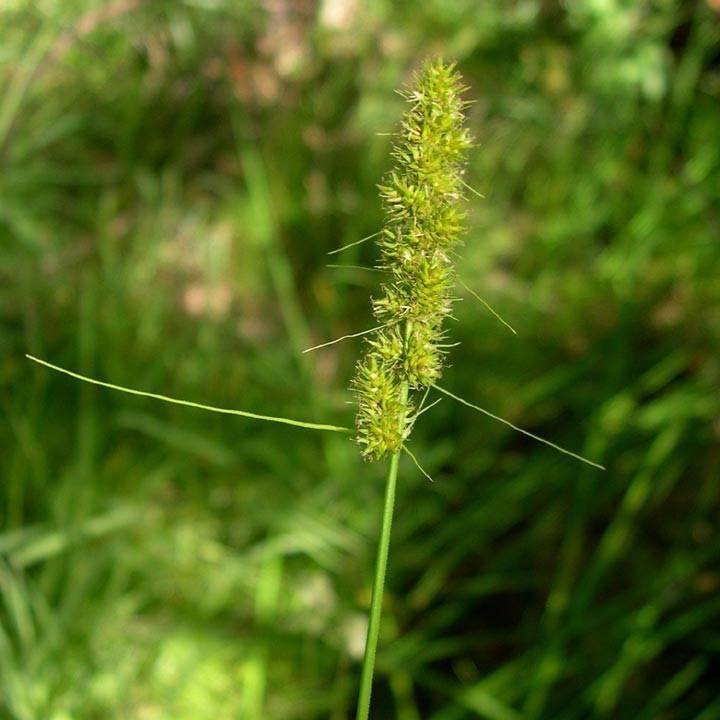
Blunt Broom Sedge
Carex tribuloides
Overview
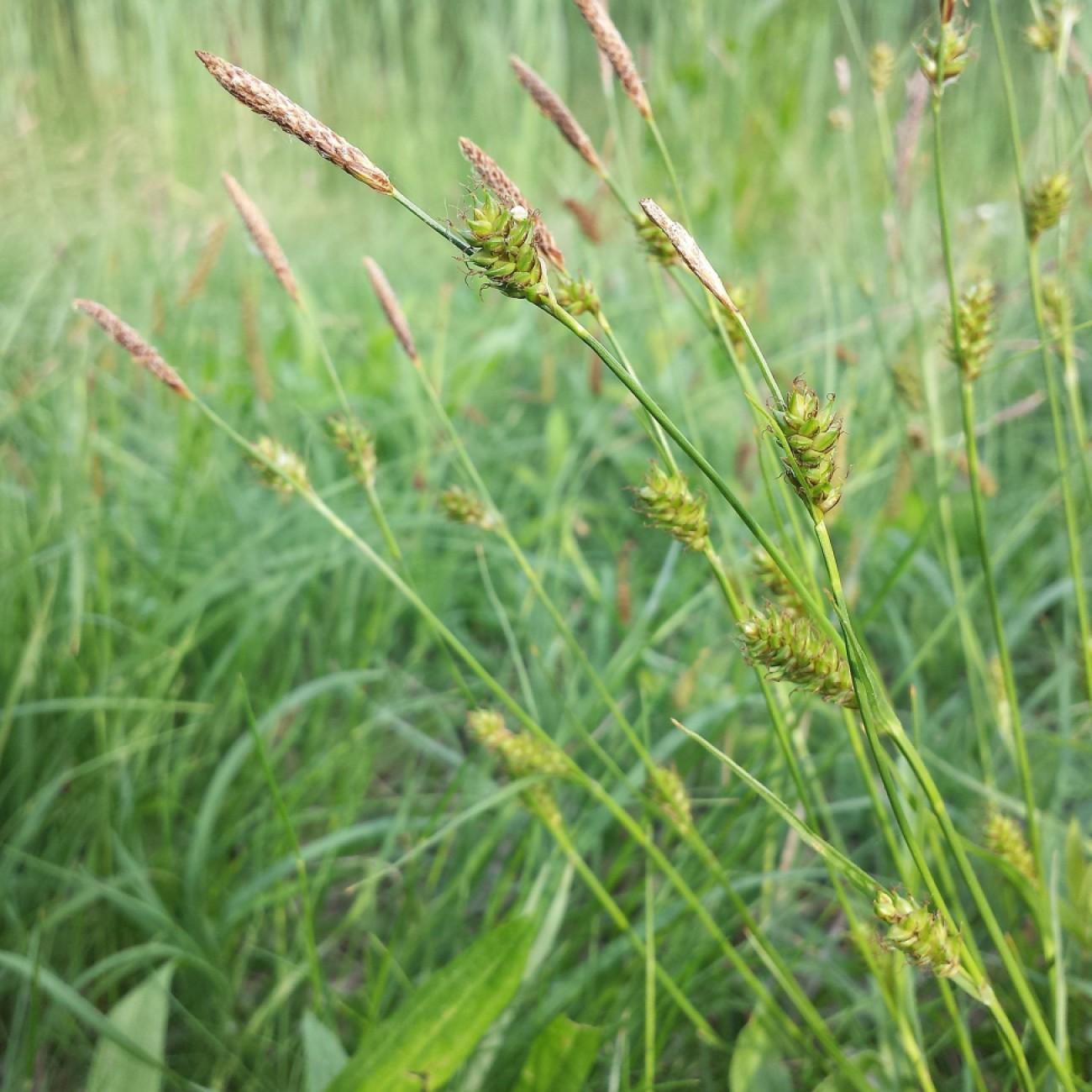
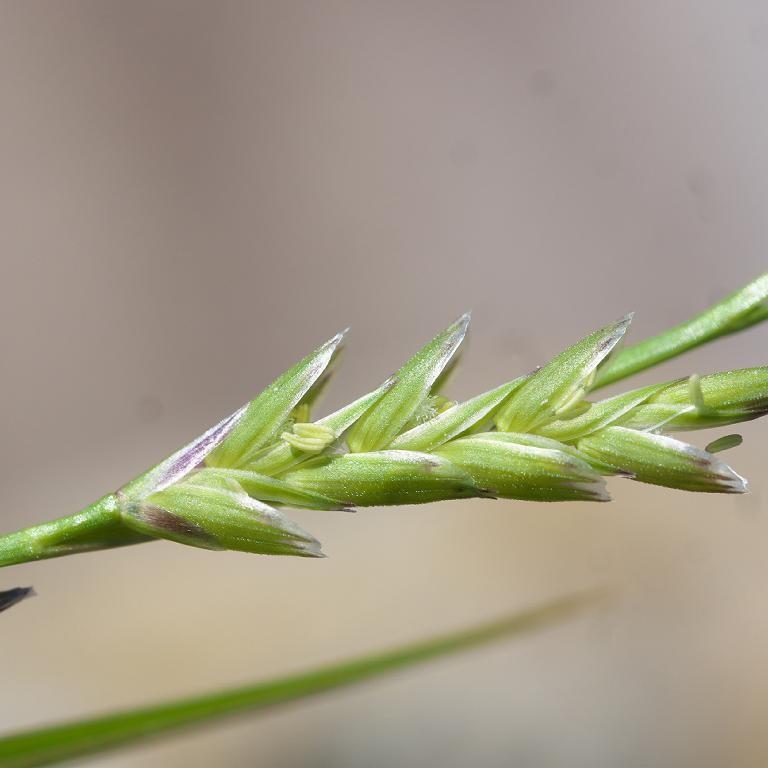
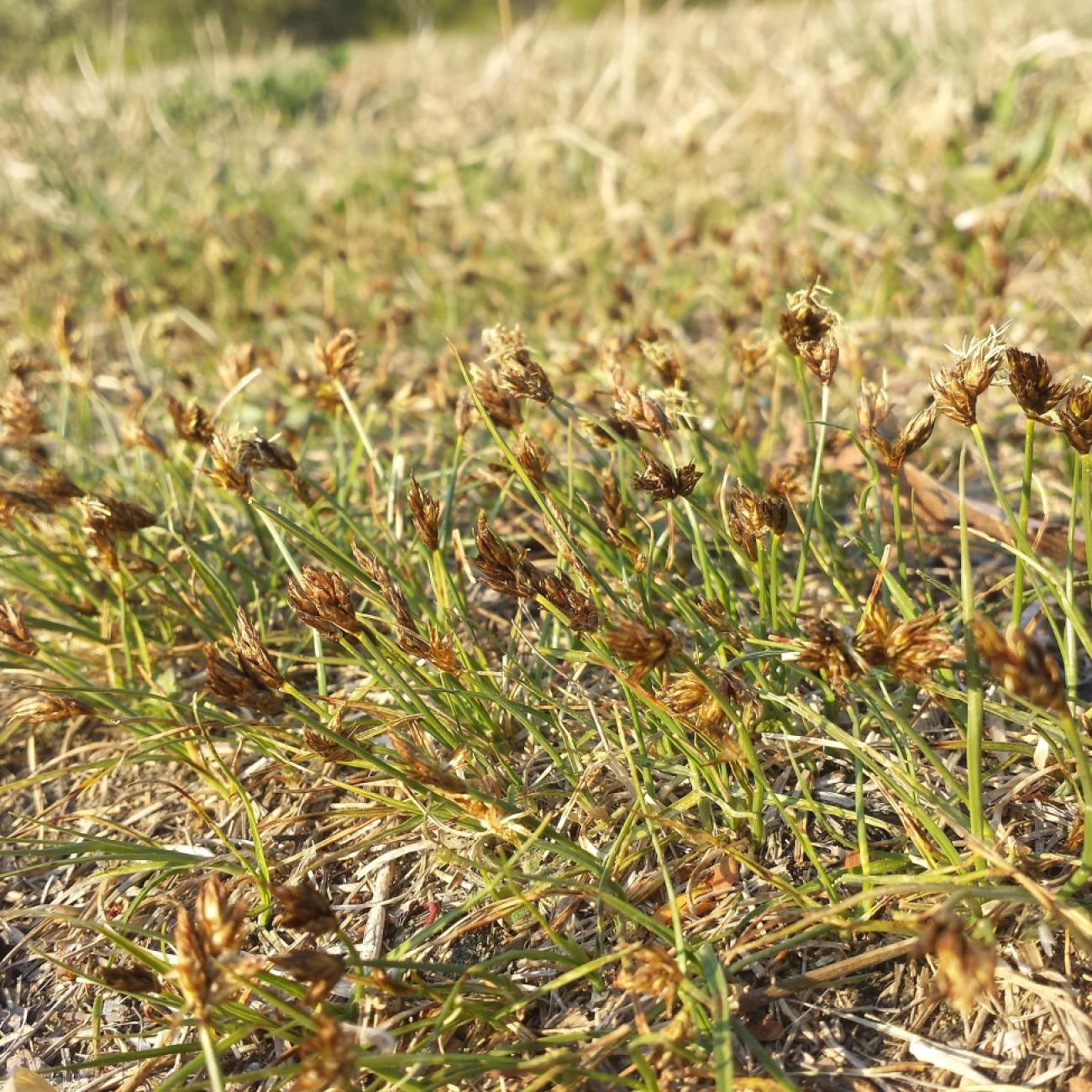
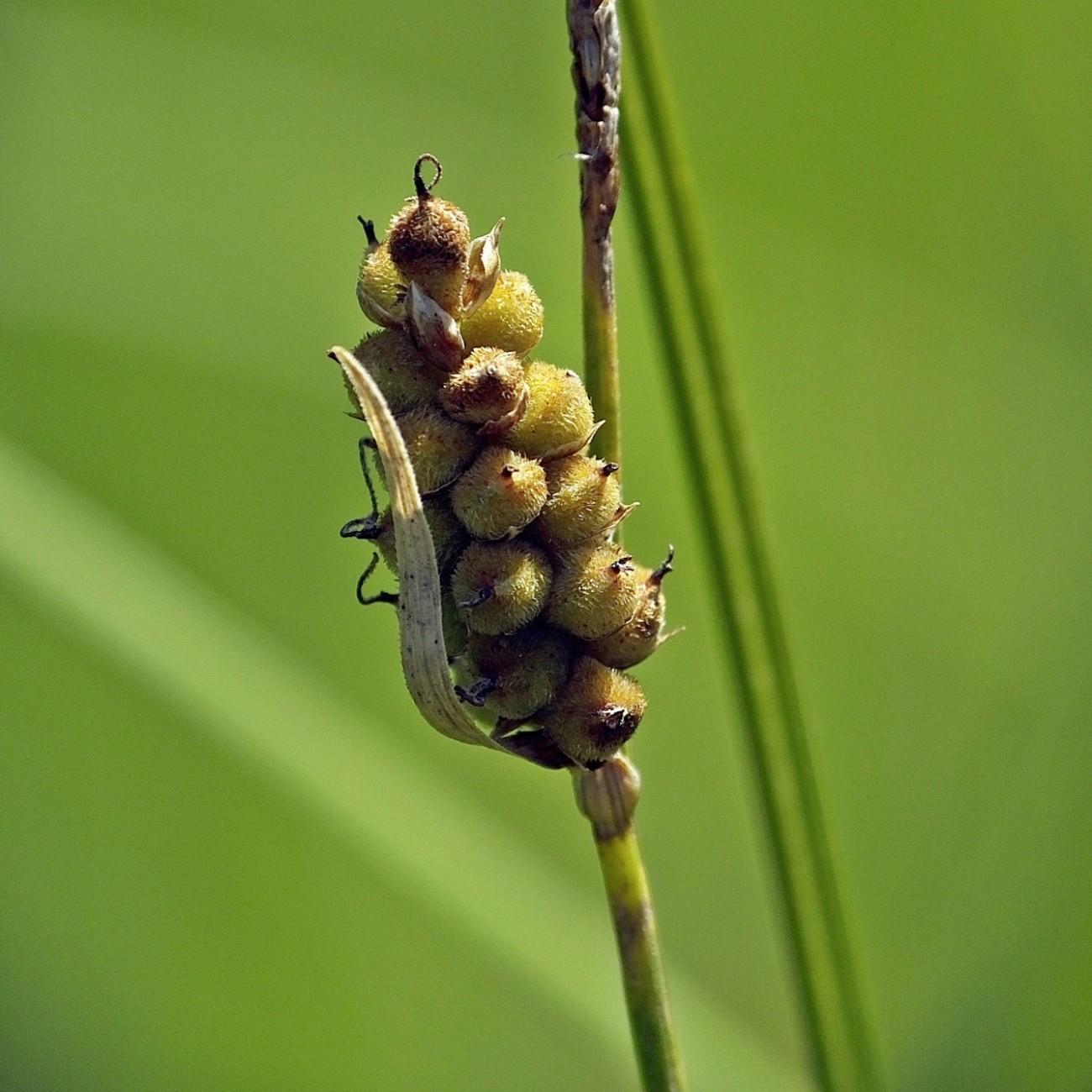
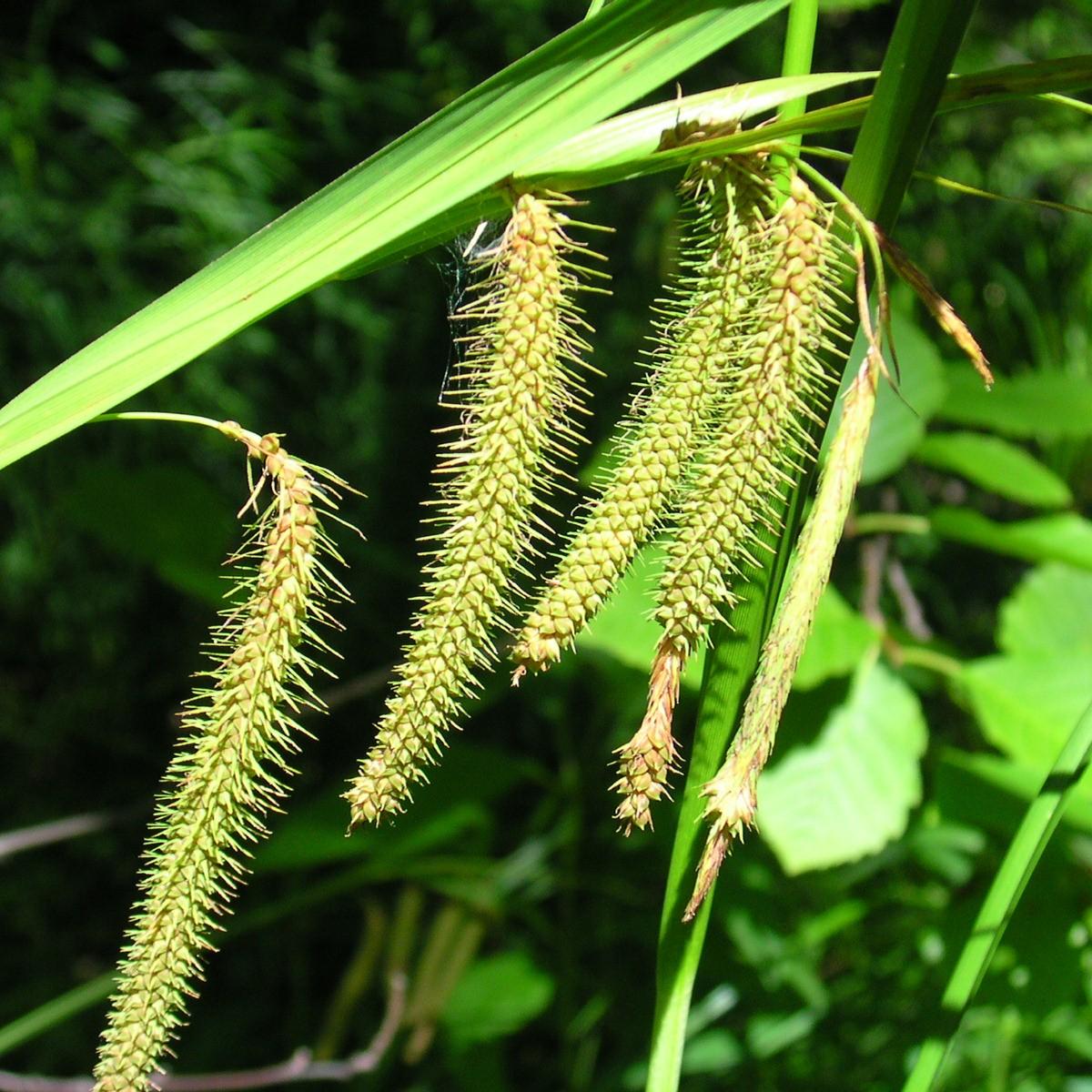
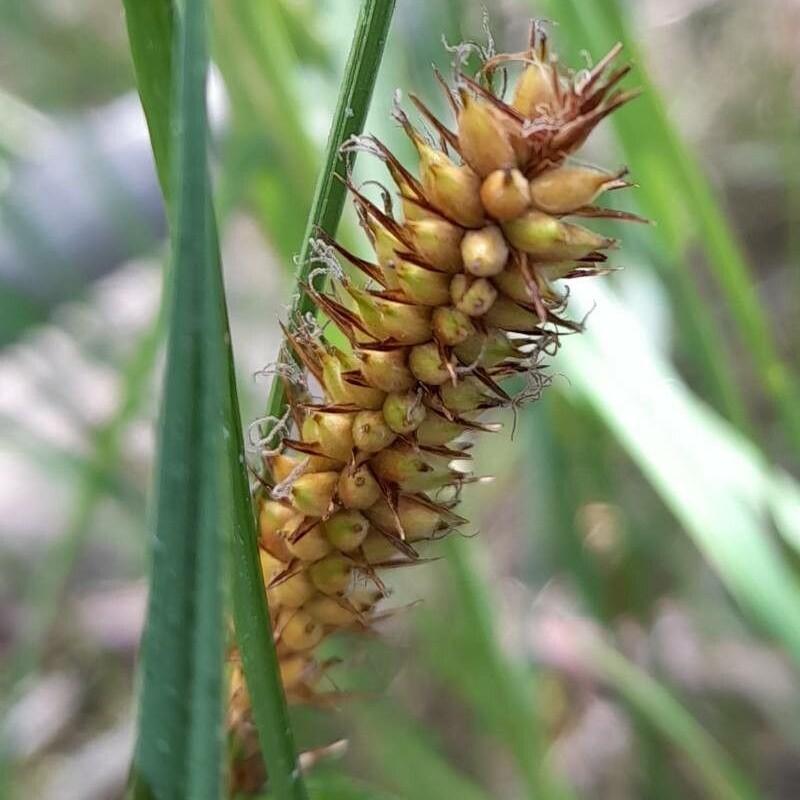
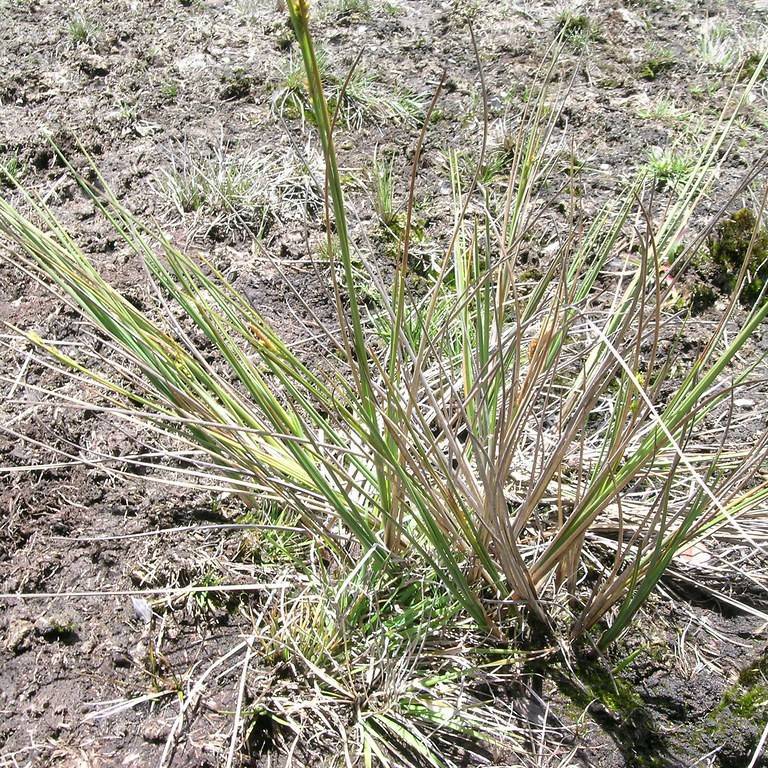
Blunt broom sedge is a clumping, grass-like perennial native to moist, low-lying habitats across eastern North America, including swamps, wet meadows, and riparian zones. It produces slender, arching medium-green foliage that forms dense tufts, with small, brown, blunt-tipped seed spikes appearing in late spring to early summer that support local pollinators and seed-eating birds. This adaptable sedge is highly valued for erosion control in wet areas and as a low-maintenance native ornamental for naturalized landscapes.
Care Guide
Watering
Blunt broom sedge thrives in consistently moist to wet soil, tolerating periodic flooding and standing water up to 6 inches deep for short durations. Water regularly to keep soil from drying out completely, especially when planted in upland garden settings; it can handle brief dry spells once fully established. Reduce supplemental watering in winter when the plant is dormant, as overly saturated cold soil may damage root systems.
Light
This sedge grows best in full sun to partial shade, performing optimally with 4-6 hours of direct sunlight daily. In warmer southern portions of its range, it benefits from afternoon shade to prevent foliage scorch during peak summer heat. It can tolerate full shade, though it may produce fewer seed spikes and have a looser, more open growth habit in low-light conditions.
Soil
Blunt broom sedge adapts to a wide range of soil types, including sandy loam, silt, clay, and mucky wetland soils, with a preferred pH range of 5.0 to 7.0. It tolerates poorly drained, low-fertility soils that many other ornamental plants cannot survive in, making it ideal for challenging wet garden spots. For container growth, use a moisture-retentive potting mix amended with compost to support consistent water access.
Fertilizer
This native sedge rarely requires fertilization, as it thrives in low-fertility natural soils. If planted in extremely nutrient-poor upland soil, apply a thin layer of compost around the base of the clump in early spring to provide gentle, slow-release nutrients. Avoid high-nitrogen synthetic fertilizers, which can encourage overly lush growth that is susceptible to pest damage and flopping.
Temperature
Blunt broom sedge is hardy in USDA zones 3 to 8, tolerating winter temperatures as low as -40°F (-40°C) without protection. It handles summer heat well within its native range, though prolonged temperatures above 90°F (32°C) in dry conditions may cause leaf tip browning. Winter dormancy is normal in colder regions, with foliage dying back to the ground and regrowing rapidly in early spring.
Pruning
Prune back dead, brown foliage to 2-3 inches above the soil line in late winter or early spring before new growth emerges, to keep clumps looking tidy and allow sunlight to reach emerging shoots. Remove any damaged or diseased foliage throughout the growing season as needed to maintain plant health. It does not require regular deadheading, as spent seed spikes provide food for wildlife and add winter interest to the landscape.
Propagation
Blunt broom sedge is most easily propagated by division in early spring just as new growth begins, or in early fall before the first frost: dig up mature clumps, separate into smaller sections with intact roots, and replant immediately at the same depth as the original plant. It can also be grown from seed, which requires a 60-day cold stratification period to break dormancy before sowing in moist soil in spring. Direct sowing of seed in fall allows natural cold stratification over winter, with germination occurring the following spring.
Humidity
This species thrives in moderate to high humidity levels common in its native wetland habitats, tolerating humidity levels between 50% and 90% without issue. It can adapt to average household humidity if grown as a container houseplant, though it will benefit from occasional misting if indoor air is excessively dry. Low humidity for extended periods may cause leaf tip browning, which can be mitigated by placing the pot on a tray filled with pebbles and water to boost ambient moisture.
Repotting
Container-grown blunt broom sedge should be repotted every 2-3 years in early spring before new growth emerges, when roots begin to grow through the drainage holes or become pot-bound. Use a slightly larger pot with drainage holes, and refresh the potting mix with compost to support moisture retention and nutrient availability. After repotting, water thoroughly to settle the soil around the roots and reduce transplant shock.
Uses & Symbolism
Blunt broom sedge is widely used in wetland restoration projects, riparian buffer plantings, and rain gardens to stabilize soil, reduce erosion, and filter stormwater runoff before it enters local waterways. It is planted as a low-maintenance native ornamental in naturalized landscapes, wildlife gardens, and bog gardens, where its dense foliage provides cover for small amphibians and invertebrates, and its seed heads feed songbirds and small mammals. It can also be grown as a container plant for patios or water feature edges, where its arching foliage adds soft texture to water-wise plantings.
Diseases & Pests
Blunt broom sedge has very few serious pest or disease issues, though it may occasionally be affected by rust fungal spots on foliage in excessively humid, poorly ventilated conditions, which can be treated by removing affected leaves and improving air flow around the plant. Root rot may occur if the plant is grown in poorly drained, heavy soil in upland settings with prolonged overwatering, so ensure planting sites allow for adequate moisture movement even if wet. Aphids and spider mites may infest stressed plants, which can be controlled with a strong spray of water or insecticidal soap applications as needed.
Related plants
Other plants you might like if you grow Blunt Broom Sedge.