Hammer Sedge
Carex hirta
Overview
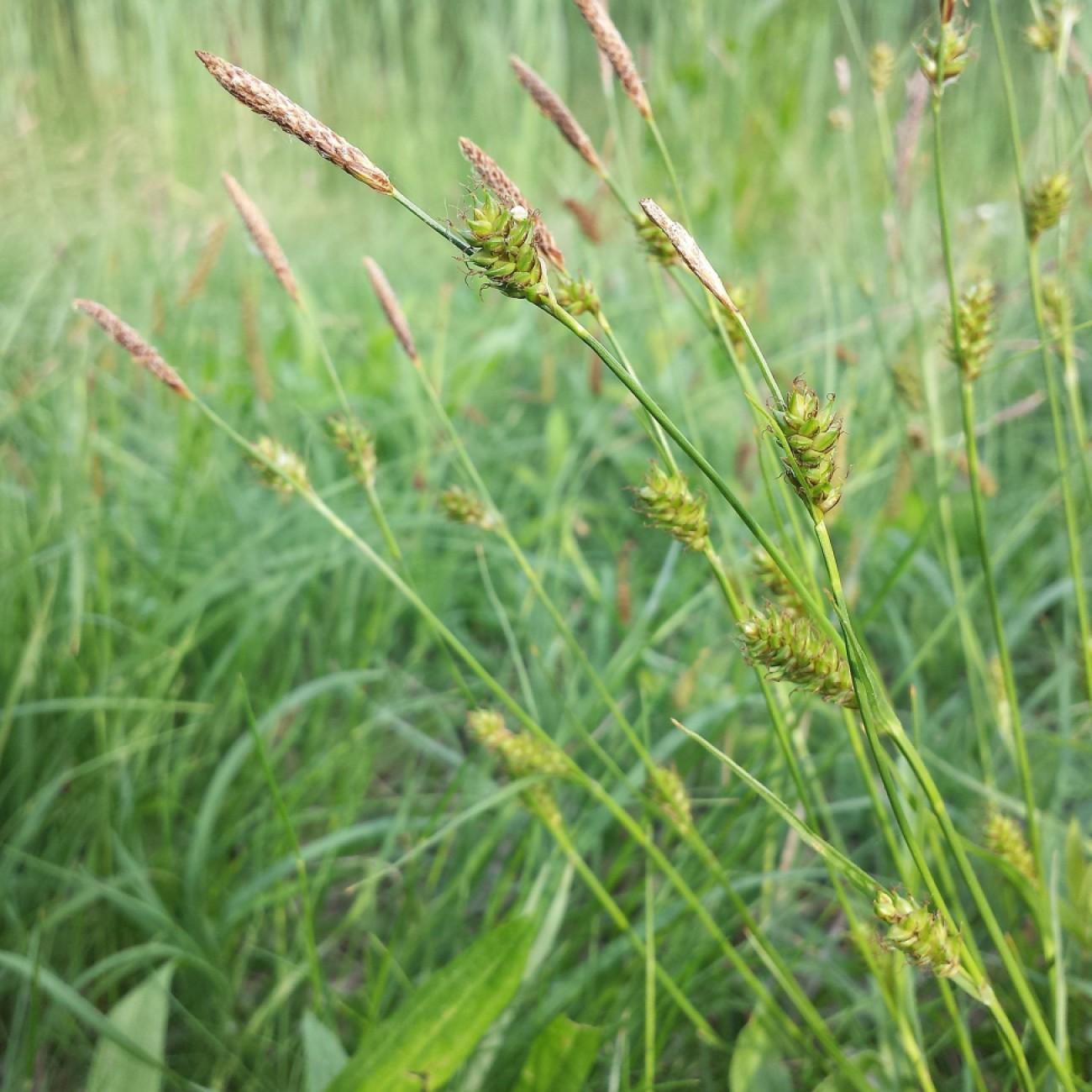
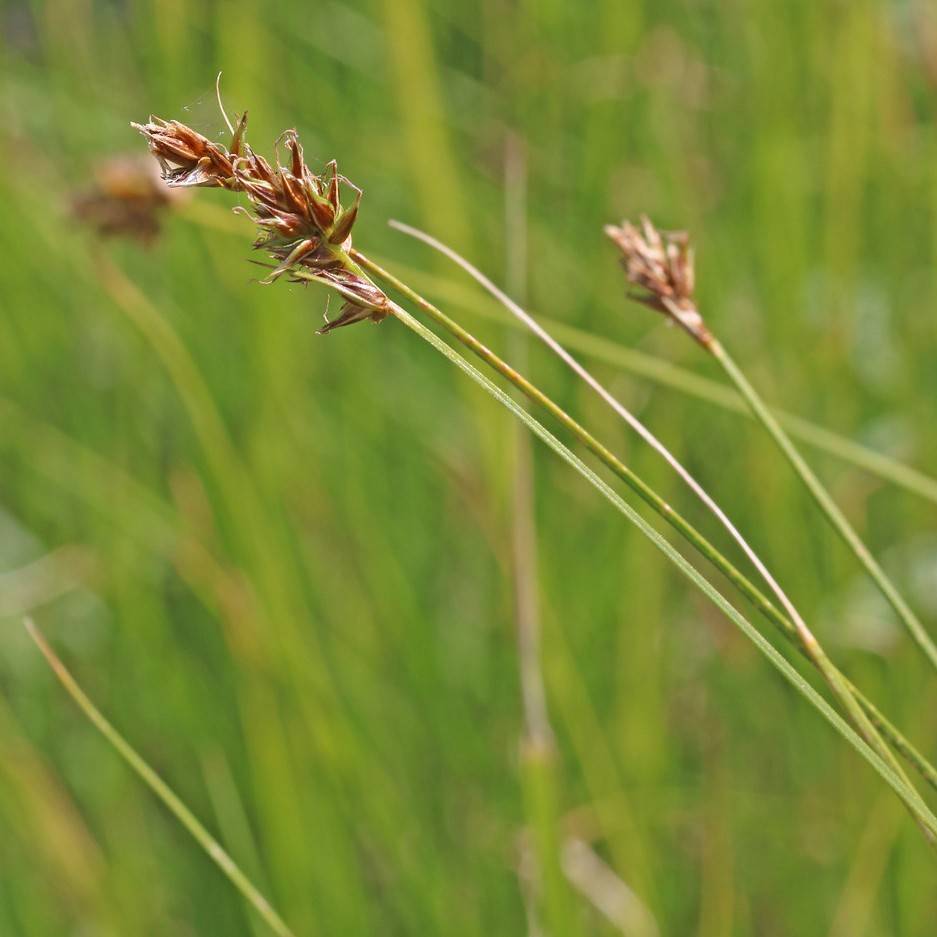
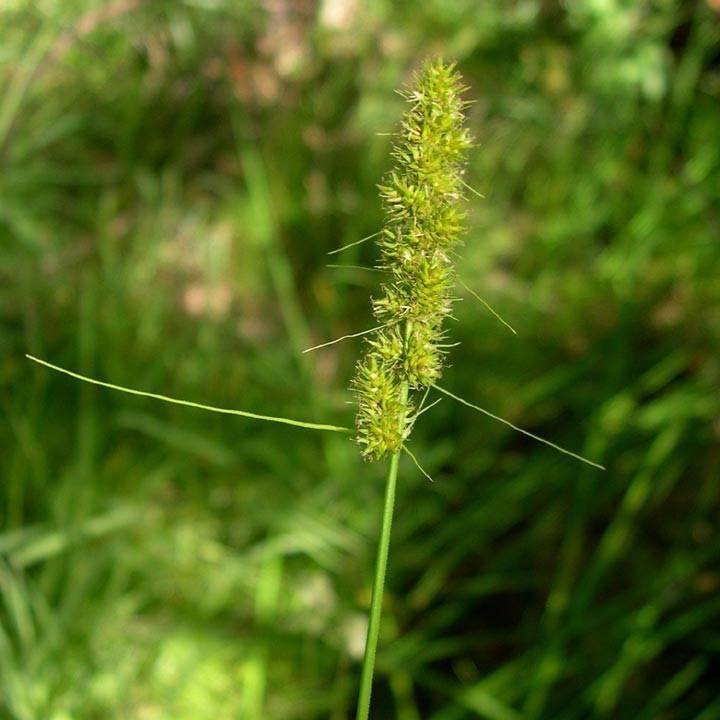
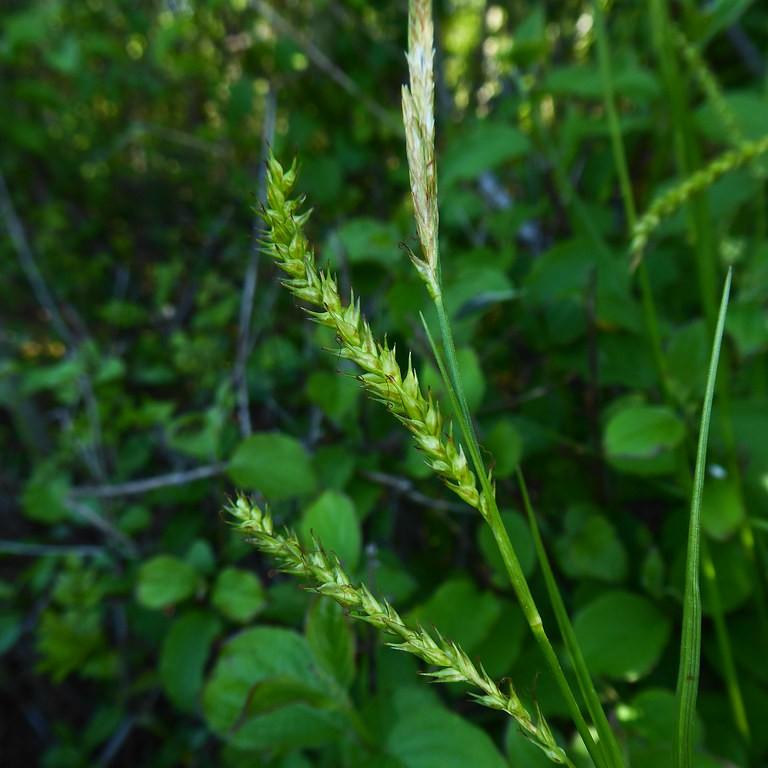
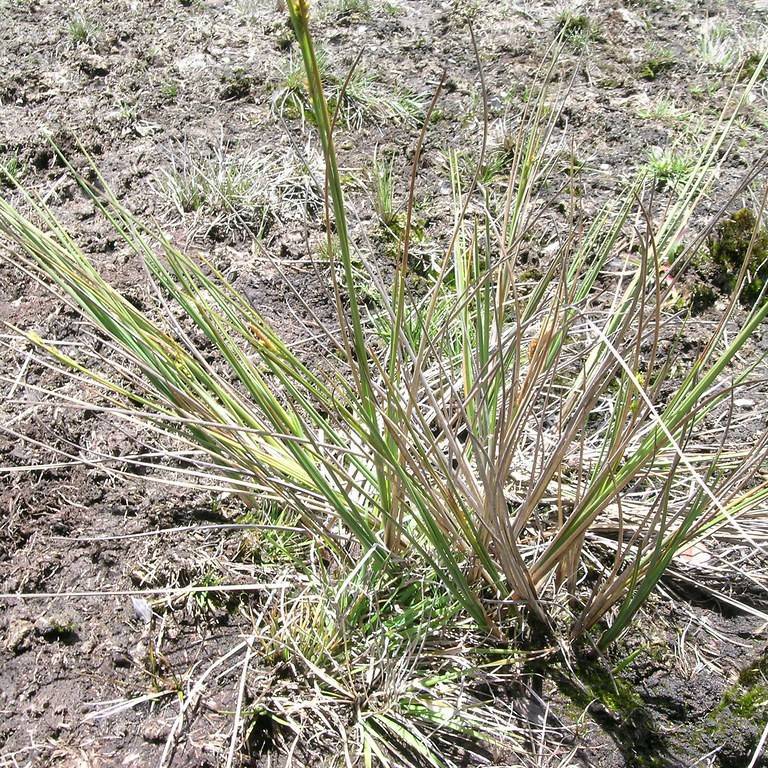
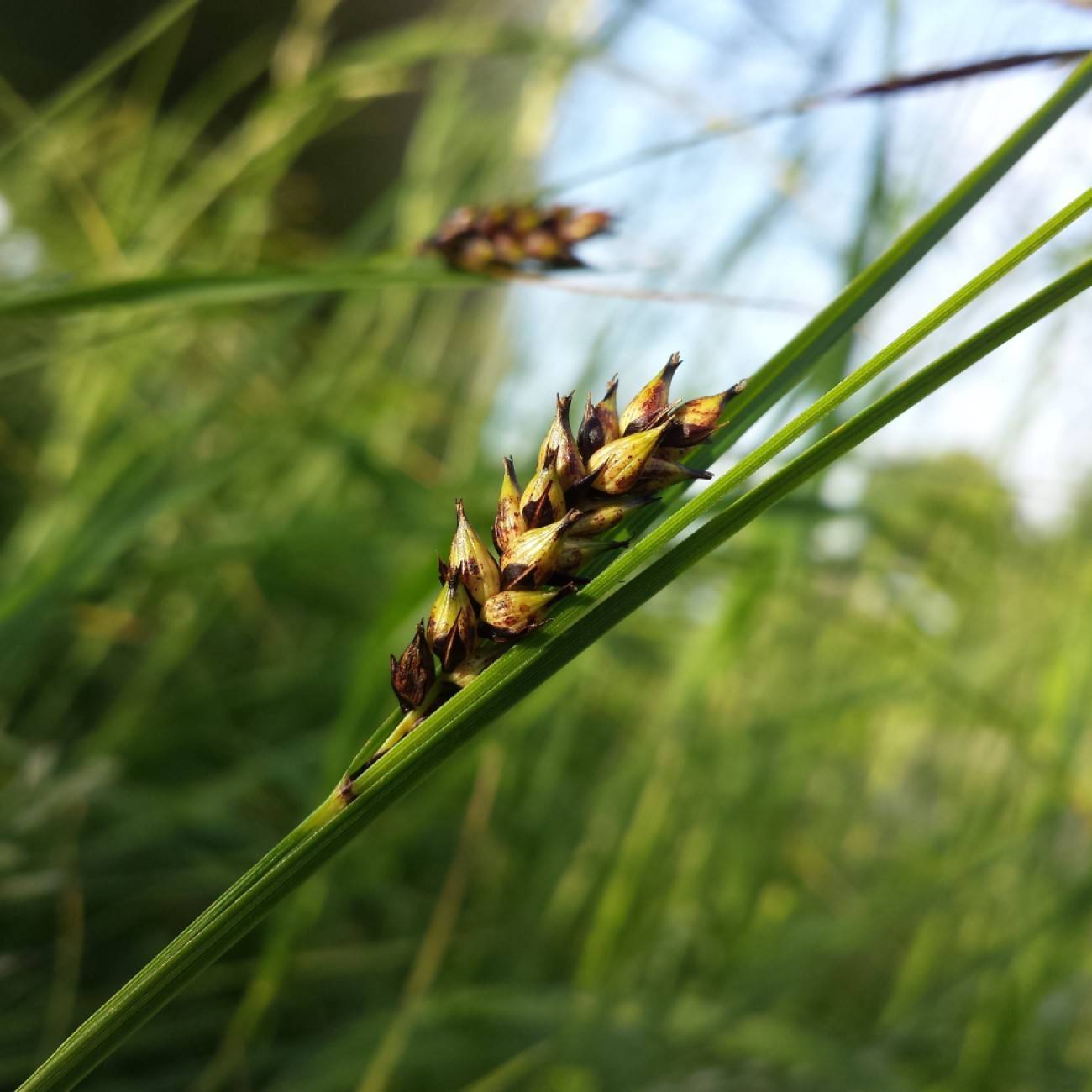
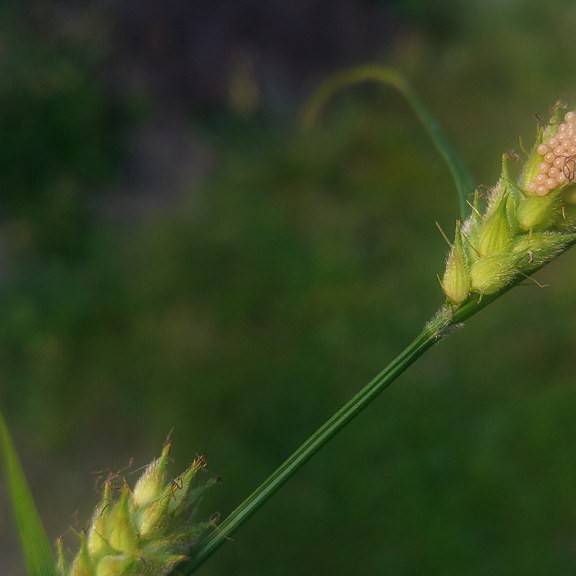
Hammer sedge, named for its distinctive flattened, fuzzy seed heads that resemble hammer heads, is a hardy herbaceous perennial in the sedge family. It forms dense tufts of narrow, slightly hairy green foliage, thriving in a wide range of habitats from moist meadows to roadside ditches. Though sometimes considered a weed in agricultural areas, it is valued for erosion control and as a low-maintenance ornamental for naturalistic landscapes.
Care Guide
Watering
Tolerates both consistently moist and moderately dry conditions; water regularly during establishment to encourage deep root growth. Once established, it only requires supplemental watering during extended periods of drought, as it is highly drought-tolerant. Avoid overwatering in poorly draining soils to prevent root rot.
Light
Grows best in full sun to partial shade, producing the most abundant seed heads when receiving at least 6 hours of direct sunlight daily. It can tolerate full shade, though growth will be sparser and flowering may be reduced. In extremely hot climates, provide afternoon shade to prevent foliage scorch.
Soil
Adaptable to a wide range of soil types, including sandy, loamy, and heavy clay soils, as well as soils with poor fertility. It thrives in neutral to slightly alkaline pH levels, though it can tolerate mildly acidic conditions as well. Good drainage is preferred, but it will handle periodic waterlogging without issue.
Fertilizer
Requires very little fertilization, as it grows well in low-nutrient soils. If grown in extremely poor soil, apply a balanced, slow-release fertilizer once in early spring at half the recommended rate to support new growth. Over-fertilization will cause excessive, leggy foliage growth and reduce the plant’s natural compact form.
Temperature
Hardy in USDA zones 4 through 8, tolerating winter temperatures as low as -30°F (-34°C) without protection. It withstands summer temperatures up to 90°F (32°C) with adequate moisture, though foliage may go dormant during prolonged extreme heat. Frost will kill back above-ground growth, which regrows readily in spring.
Pruning
Cut back old foliage to 2-3 inches above the soil line in late winter or early spring before new growth emerges to keep the clump looking neat. Remove spent seed heads if you wish to prevent self-seeding, though volunteer seedlings are easy to pull if they spread beyond desired areas. No regular pruning is required during the growing season unless you want to maintain a specific height.
Propagation
Easily propagated by dividing mature clumps in early spring or fall, separating the root mass into smaller sections and replanting immediately at the same depth they were growing. It can also be grown from seed, sown directly outdoors in fall or cold-stratified for 60 days before sowing in spring. Seedlings grow quickly, often reaching mature size within their first growing season.
Humidity
Tolerates a wide range of humidity levels, from dry continental climates to humid coastal regions, with no special requirements. High humidity does not negatively impact the plant, as long as the soil is not kept waterlogged for extended periods. Low indoor humidity is also well-tolerated if grown as a potted houseplant.
Repotting
If grown in containers, repot every 2-3 years in early spring to refresh the soil and prevent root binding, selecting a pot only 1-2 inches larger than the current root ball. Use a standard all-purpose potting mix with good drainage for container growing. Trim back any overgrown or damaged roots during repotting to encourage healthy new growth.
Uses & Symbolism
Hammer sedge is widely used for erosion control on stream banks, slopes, and disturbed sites, as its dense root system holds soil effectively. It is also planted in rain gardens, naturalistic meadows, and wildlife habitats, where its seed heads provide food for small birds and its foliage offers cover for beneficial insects. In some regions, it is used as a low-maintenance, drought-tolerant groundcover that requires less mowing than traditional turf grass.
Diseases & Pests
Hammer sedge is largely pest and disease resistant, with no major common issues. It may occasionally be affected by rust fungus in extremely humid, poorly ventilated conditions, which causes small orange spots on foliage; this can be treated by removing affected leaves and improving air circulation. Aphids and spider mites may infest stressed plants, but these can be controlled with a strong spray of water or insecticidal soap.
Related plants
Other plants you might like if you grow Hammer Sedge.