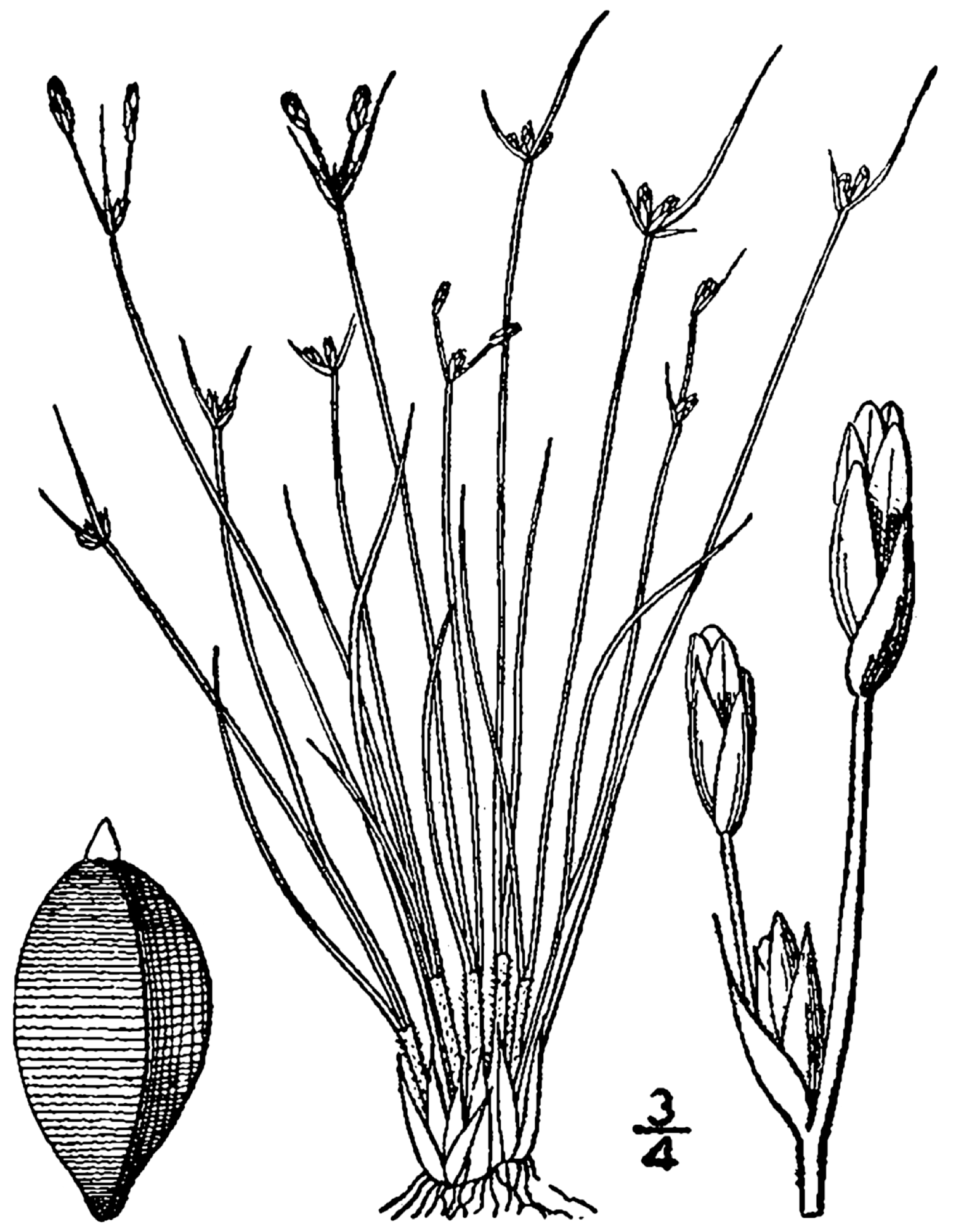
Densetuft Hairsedge
Bulbostylis capillaris
Overview
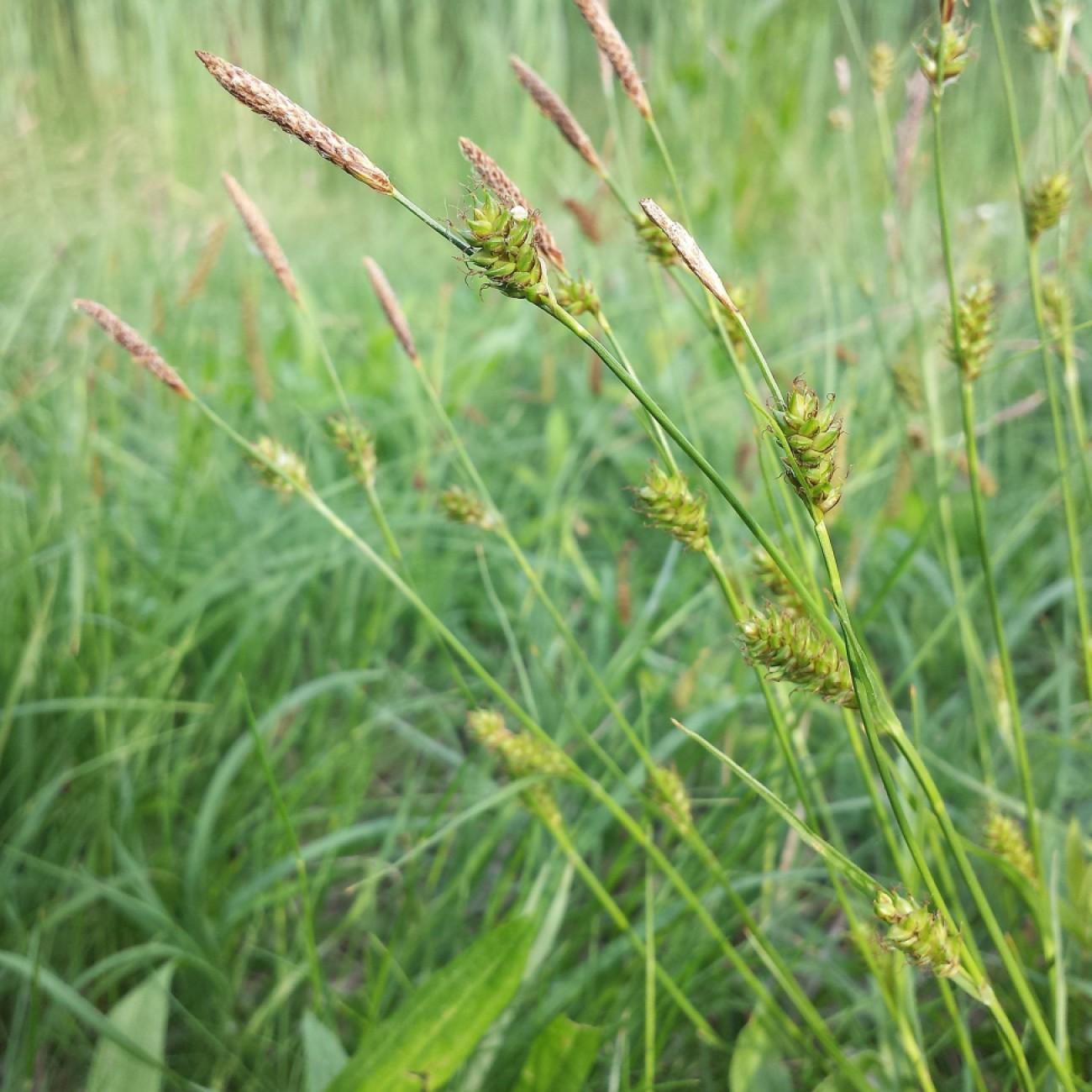
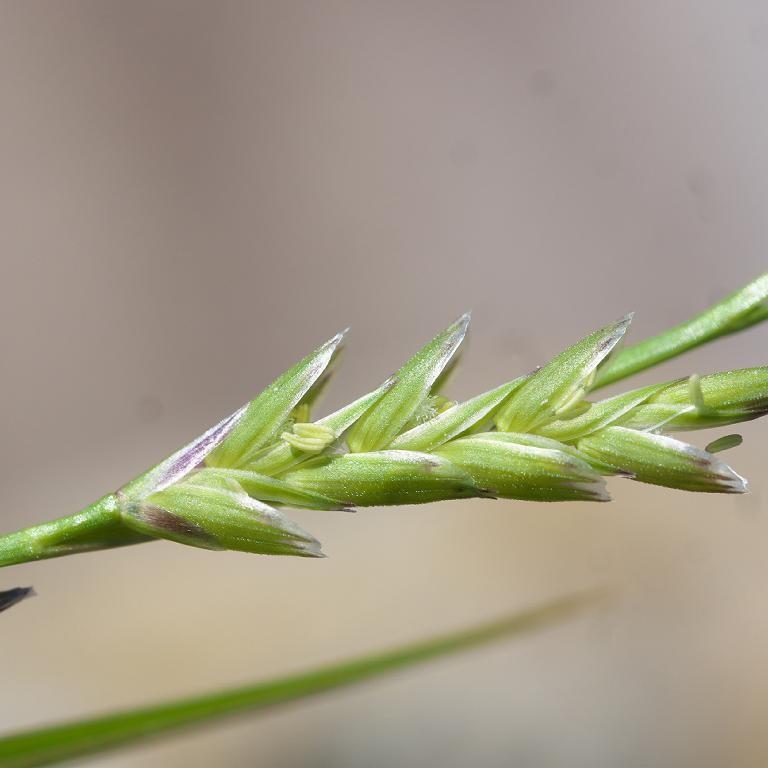
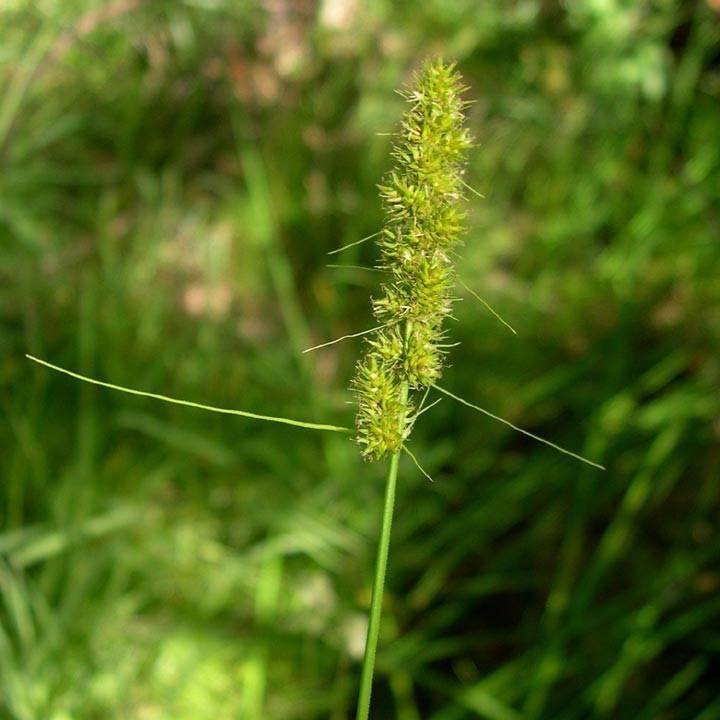
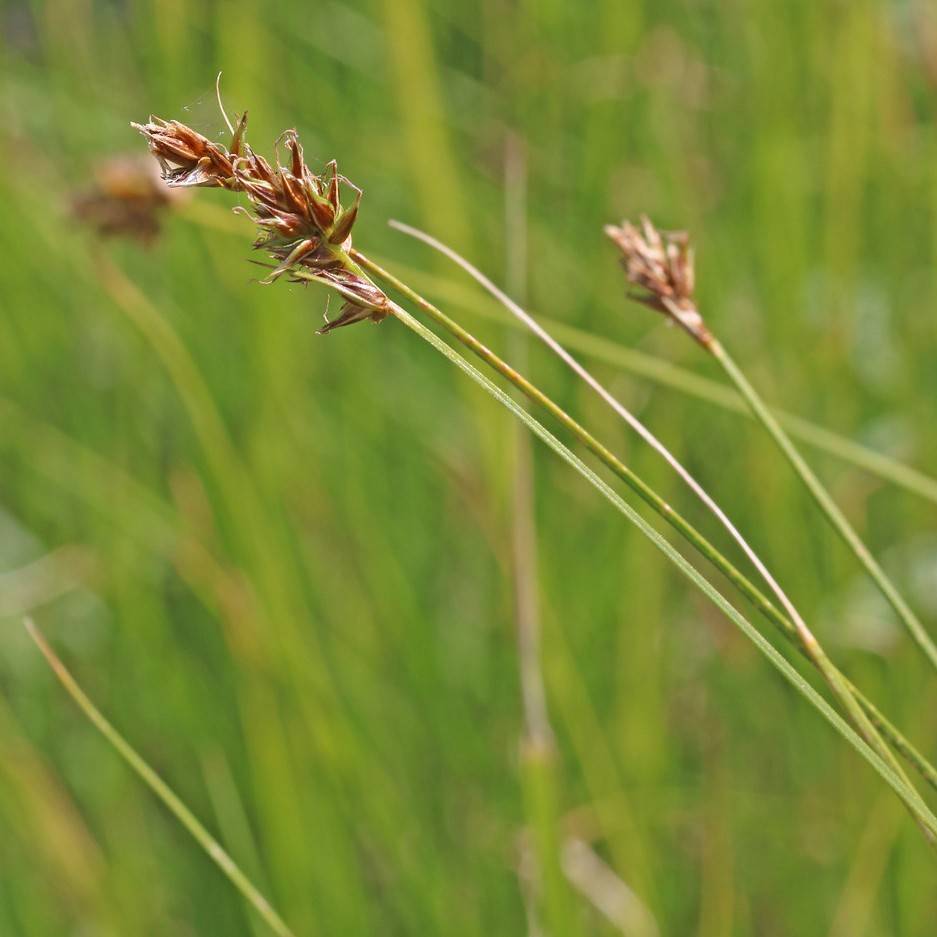
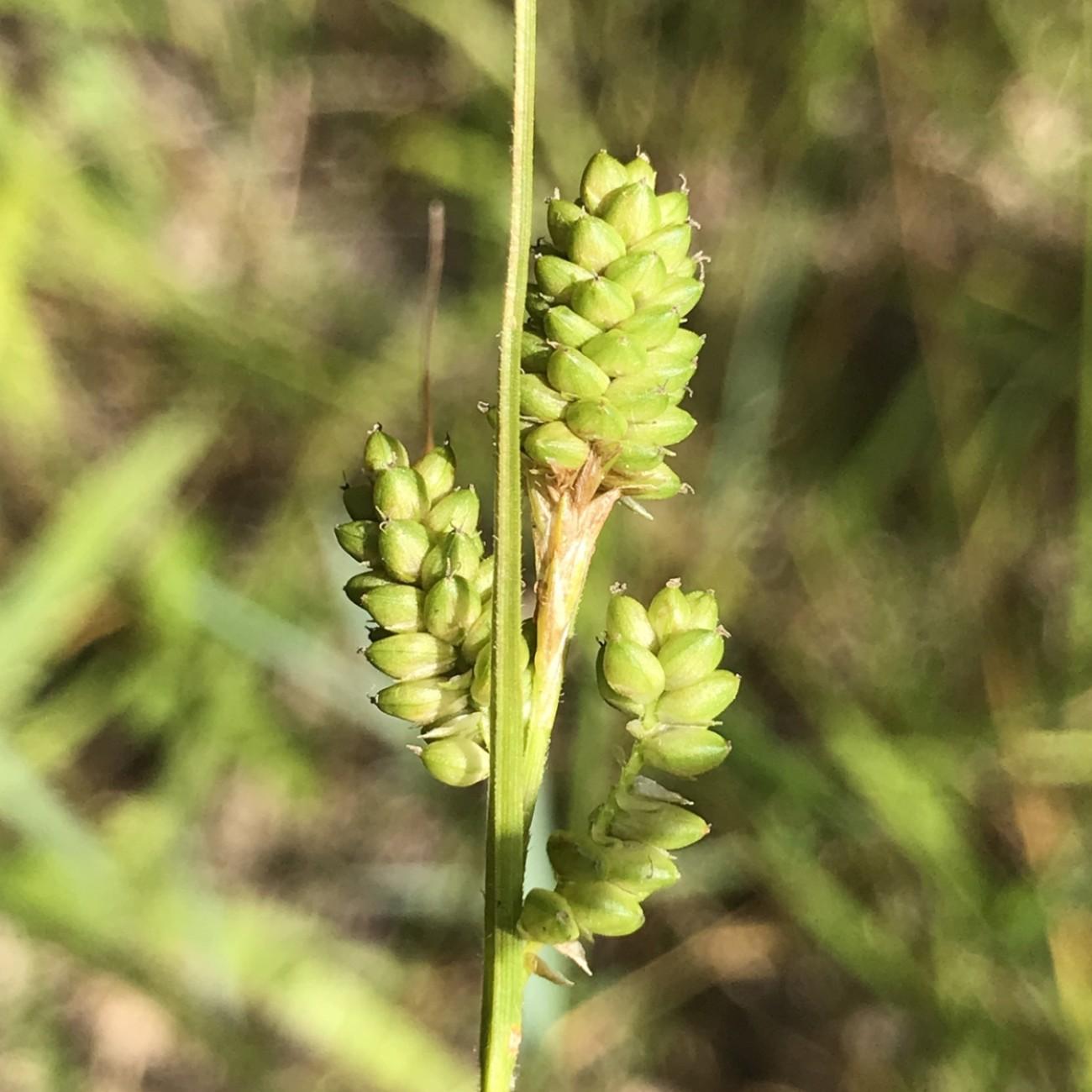
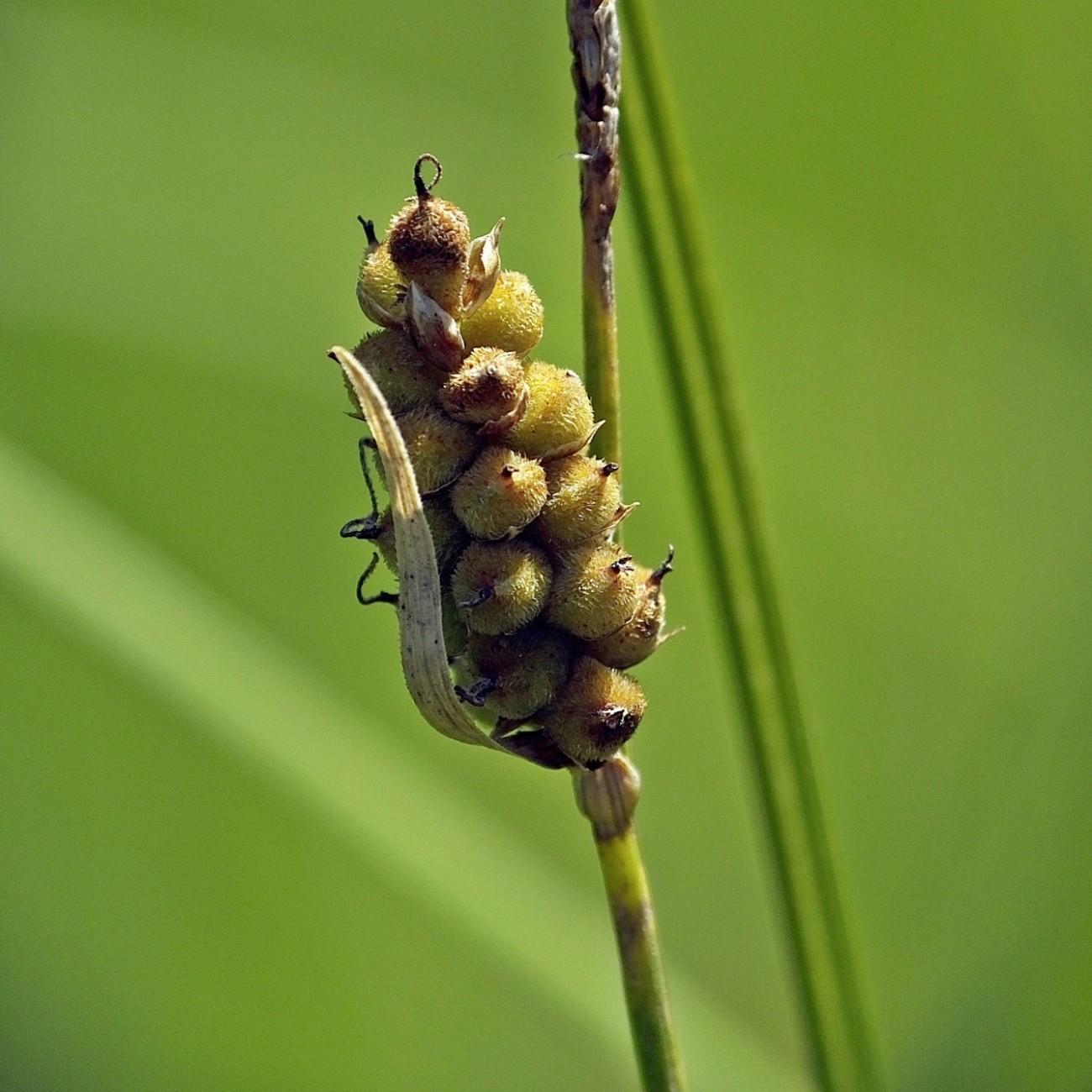
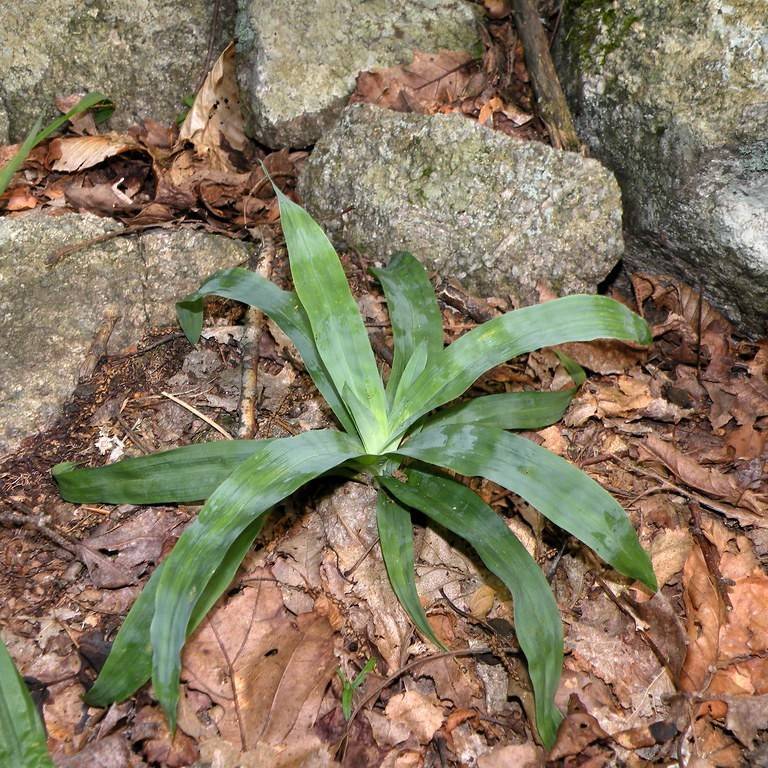
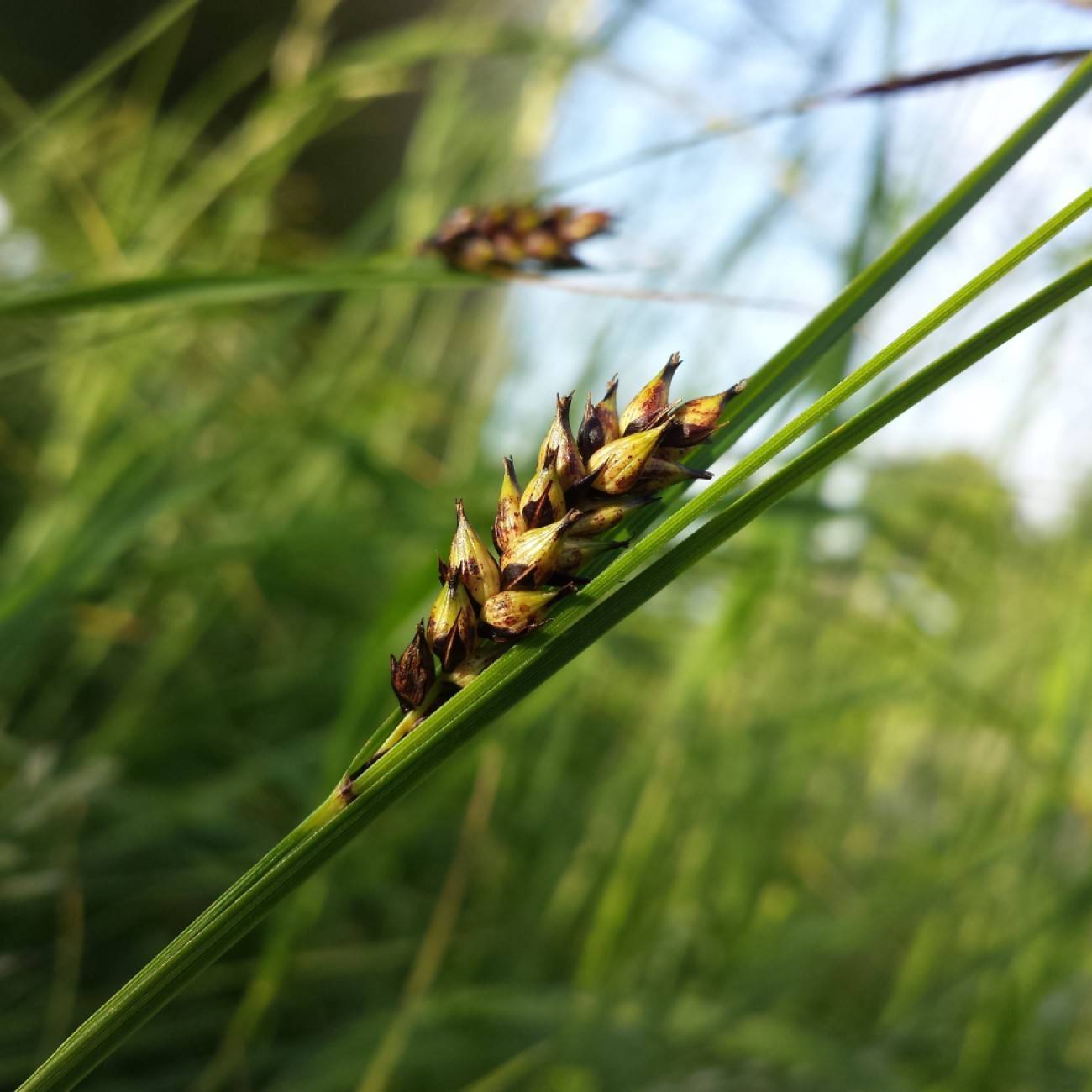
Densetuft hairsedge is a delicate, clump-forming sedge that produces dense tufts of thin, thread-like green foliage that spreads low across the ground. It bears tiny, inconspicuous brown spikelets at the tips of its stems from mid-summer to early fall, with seed heads that persist into late autumn. Adaptable to a wide range of wet habitats, it is often one of the first species to colonize disturbed moist soils, making it a valuable pioneer plant for ecological restoration projects.
Care Guide
Watering
Densetuft hairsedge thrives in consistently moist to wet soil, tolerating seasonal flooding and shallow standing water for short periods. Water regularly to prevent the soil from drying out completely, especially in sunny, well-drained sites where moisture evaporates quickly. It can survive short periods of drought once established, but prolonged dryness will cause foliage to brown and the plant to die back prematurely.
Light
This species grows best in full sun to partial shade, with optimal foliage density and seed production in locations that receive at least 6 hours of direct sunlight daily. It can tolerate deep shade in moist woodland edges, but growth will be sparser and flowering will be significantly reduced. Avoid planting in full, unfiltered sun in extremely hot, arid regions unless consistent moisture is provided.
Soil
Densetuft hairsedge is adaptable to most soil types, including sand, loam, clay, and nutrient-poor disturbed soils, as long as moisture levels are consistent. It prefers a neutral to slightly acidic pH range between 5.5 and 7.5, but can tolerate mildly alkaline conditions as well. It does not require highly fertile soil, and will even grow in compacted or sandy substrates where other plants struggle to establish.
Fertilizer
This low-maintenance sedge rarely requires supplemental fertilization, as it thrives in low-nutrient soils naturally. If planted in extremely poor, sandy soil, a light application of balanced, slow-release fertilizer in early spring can boost initial growth, but over-fertilization will cause leggy, sparse foliage. Avoid high-nitrogen fertilizers, which can promote excessive leaf growth at the expense of flowering and seed production.
Temperature
Densetuft hairsedge is adapted to a wide temperature range, growing well in USDA hardiness zones 3 through 9 as an annual. It can tolerate light frosts in early spring and late fall, but sustained freezing temperatures will kill the foliage and terminate its growth cycle. Optimal growth occurs between 60°F and 85°F (15°C and 29°C), with growth slowing significantly during extended periods of heat above 90°F (32°C) if moisture is limited.
Pruning
Pruning is generally unnecessary for densetuft hairsedge, as its small, clumping habit maintains a neat form naturally. If foliage becomes brown or unsightly late in the season, you can trim back dead stems to ground level, but this is not required for plant health. As an annual, it will die back completely at the end of the growing season, and dead foliage can be removed in late fall or early spring to make way for new seedlings.
Propagation
Densetuft hairsedge propagates readily from seed, which is produced in large quantities and self-sows freely in suitable moist habitats. To propagate intentionally, collect mature seed heads in late fall after they have turned brown, and sow seeds directly on the surface of moist, bare soil in early spring, as light is required for germination. It can also be propagated by dividing established clumps in early spring, though seed propagation is far more common for large-scale restoration projects.
Humidity
This species tolerates a wide range of humidity levels, from moderate inland conditions to high humidity in coastal wetland habitats. It does not require supplemental humidity when grown in garden settings, as long as soil moisture remains consistent. Very low humidity combined with dry soil will cause foliage to desiccate quickly, so regular watering is needed in arid, low-humidity regions.
Repotting
Repotting is rarely required, as densetuft hairsedge is an annual that completes its life cycle in a single growing season. If grown in containers, plant in a deep pot with drainage holes to accommodate its shallow, fibrous root system, and use a standard potting mix amended with sand to improve drainage. There is no need to repot during its growing season, as it will die back at the end of the year and can be replaced with new seedlings the following spring.
Uses & Symbolism
Densetuft hairsedge is widely used in wetland restoration and stormwater management projects, as its dense root system stabilizes soil, reduces erosion, and filters pollutants from runoff. It provides valuable habitat and food for small wetland wildlife, including songbirds that eat its abundant small seeds, and pollinators that visit its inconspicuous flowers. It is also planted as a low-growing, low-maintenance ground cover in moist garden beds, rain gardens, and around the edges of ponds and water features.
Diseases & Pests
Densetuft hairsedge is relatively pest and disease resistant, with few common issues when grown in its preferred moist, well-ventilated habitats. Overly wet, stagnant conditions with poor air circulation can lead to fungal leaf spot or root rot, which can be prevented by avoiding overwatering and planting in sites with good drainage. It may occasionally be affected by aphids or spider mites in dry, hot conditions, which can be controlled with a strong spray of water or insecticidal soap if infestations become severe.
Related plants
Other plants you might like if you grow Densetuft Hairsedge.