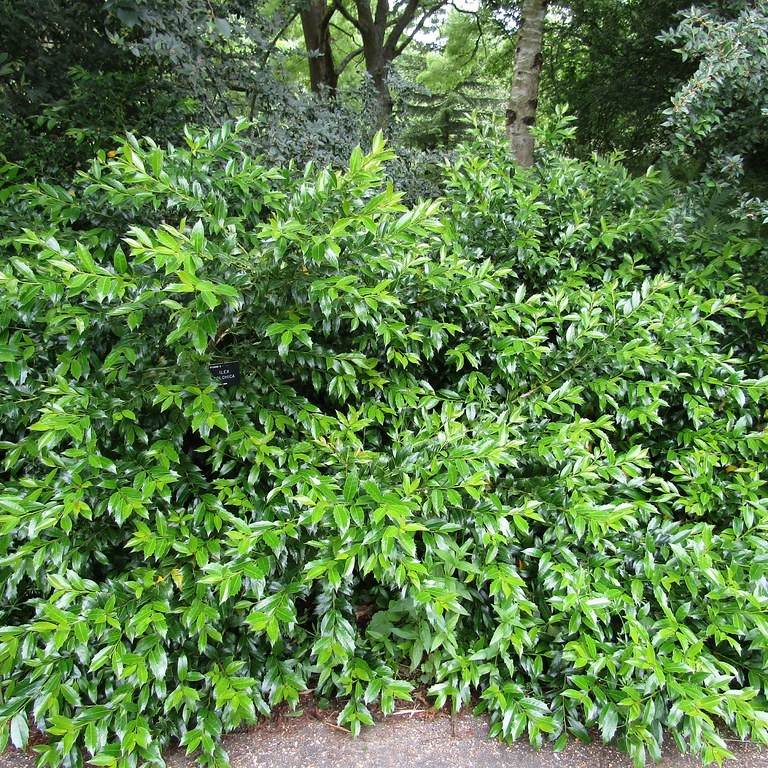
Black Sea Holly
Eryngium x tripartitum
Overview
Black Sea Holly is a herbaceous perennial hybrid prized for its dramatic, architectural form and long-lasting unique blooms. It produces stiff, jagged dark green leaves with sharp spines, topped by rounded, metallic dark purple-blue flower heads surrounded by spiky, similarly colored bracts from mid to late summer. A hardy, low-maintenance plant, it thrives in poor, dry soils where many other ornamentals struggle, making it a favorite for xeriscaping and low-effort garden designs.
Care Guide
Watering
Water newly planted Black Sea Holly regularly for the first growing season to establish a deep root system, keeping soil evenly moist but not waterlogged. Once established, it is extremely drought tolerant, requiring only occasional watering during extended periods of extreme heat or no rainfall, as overwatering will quickly cause root rot. Avoid overhead watering to reduce the risk of foliar fungal diseases, directing water at the base of the plant if needed.
Light
Black Sea Holly requires full sun, meaning a minimum of 6 hours of direct unfiltered sunlight per day, to produce the most vibrant flower color and sturdy, upright stems that do not flop. It will tolerate very light partial shade, but plants grown in shadier conditions will become leggy, produce fewer blooms, and may develop weaker stems that require staking. Avoid planting in locations with afternoon shade in temperate climates, as this will diminish bloom intensity.
Soil
This plant adapts to a wide range of soil types, including poor, sandy, rocky, and low-nutrient soils, as long as the medium has excellent drainage. It thrives in neutral to slightly alkaline soil pH, but will tolerate mildly acidic conditions, and will not survive in heavy, waterlogged clay soils that stay saturated for long periods. Amending heavy soils with coarse sand or gravel before planting will improve drainage enough to support healthy growth.
Fertilizer
Black Sea Holly has very low nutrient requirements and rarely needs supplemental fertilization, as overly rich soil will cause leggy, weak growth and reduce flowering intensity. If grown in extremely nutrient-poor sandy or rocky soil, apply a small amount of balanced slow-release granular fertilizer in early spring at half the recommended rate for general ornamentals. Avoid using high-nitrogen fertilizers entirely, as these will promote excessive foliage growth at the expense of blooms.
Temperature
It is hardy in USDA zones 4 through 9, tolerating winter lows down to -30°F (-34°C) and summer highs up to 90°F (32°C) without issue. It prefers temperate, dry summer conditions, and may struggle in areas with high humidity combined with extended periods of above 95°F (35°C) heat, which can cause foliar stress. Winter dormancy is triggered by consistent cold temperatures, and dead top growth can be left in place through winter to provide insulating protection for the root crown.
Pruning
Minimal pruning is required for Black Sea Holly; spent flower heads can be cut back in late fall if desired for a tidier winter appearance, or left in place to provide winter interest and food for seed-eating birds. In early spring, cut back all dead top growth to 2-3 inches above the soil line before new growth emerges to make room for fresh stems. Wear thick gloves when pruning, as the sharp spines on leaves and stems can easily pierce skin.
Propagation
Black Sea Holly is most easily propagated by root cuttings taken in late winter while the plant is fully dormant, as seed collected from hybrid plants will not grow true to the parent type. To take root cuttings, dig up a small section of thick, healthy root, cut it into 2-3 inch segments, and plant horizontally in well-draining potting mix, keeping it lightly moist until new shoots emerge in spring. Division of mature clumps is not recommended, as the plant has a deep taproot that does not tolerate disturbance well.
Humidity
This plant prefers low to moderate humidity levels between 30% and 60%, which are typical of its native temperate European and Caucasian habitats. It struggles in high humidity environments above 70% combined with warm temperatures, as these conditions increase the risk of powdery mildew and root rot. Ensure plants are spaced adequately to provide good air circulation around foliage, which helps reduce humidity buildup and prevent fungal issues.
Repotting
Black Sea Holly is rarely grown in containers long-term, as its deep taproot requires ample space to grow, and it prefers to remain undisturbed. If grown in a pot, choose a deep container at least 12 inches in diameter to accommodate the taproot, and repot only when roots are visibly growing out of the drainage holes, which will typically occur every 2-3 years. Repot in early spring before new growth emerges, handling the root ball carefully to avoid damaging the taproot, and use a fast-draining cactus or succulent potting mix to reduce rot risk.
Uses & Symbolism
Black Sea Holly is a popular ornamental plant for xeriscape gardens, rock gardens, coastal landscapes, and pollinator borders, where its spiky form and unique dark blue blooms provide textural contrast to softer perennials. Its long-lasting, stiff flower stems are highly valued for cut flower arrangements, both fresh and dried, retaining their color and shape for months when dried properly. The flowers are extremely attractive to bees, butterflies, and other beneficial pollinators, while its spiny foliage deters deer and rabbits from browsing in areas with high pest pressure.
Diseases & Pests
Black Sea Holly is largely pest and disease resistant when grown in suitable conditions, with the most common issue being root rot caused by overwatering or poorly draining soil. In high humidity conditions with poor air circulation, it may develop powdery mildew on foliage, which can be treated with neem oil or fungicidal sprays and prevented by adequate spacing between plants. Aphids may occasionally colonize young new growth in spring, but they can be easily removed with a strong jet of water or treated with insecticidal soap if infestations are severe.
Related plants
Other plants you might like if you grow Black Sea Holly.
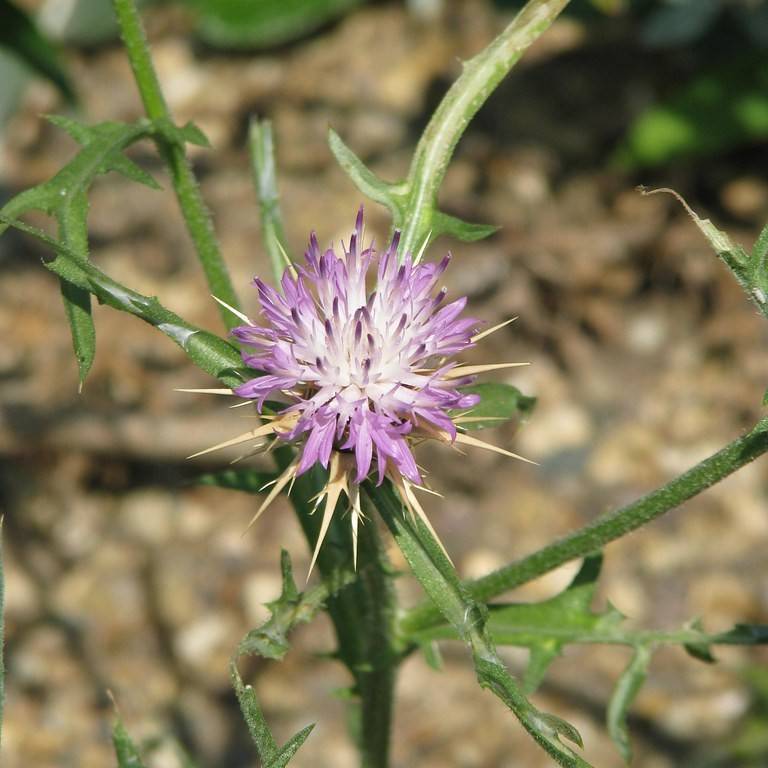
Big Head Purple Star Thistle
Centaurea macrocephala
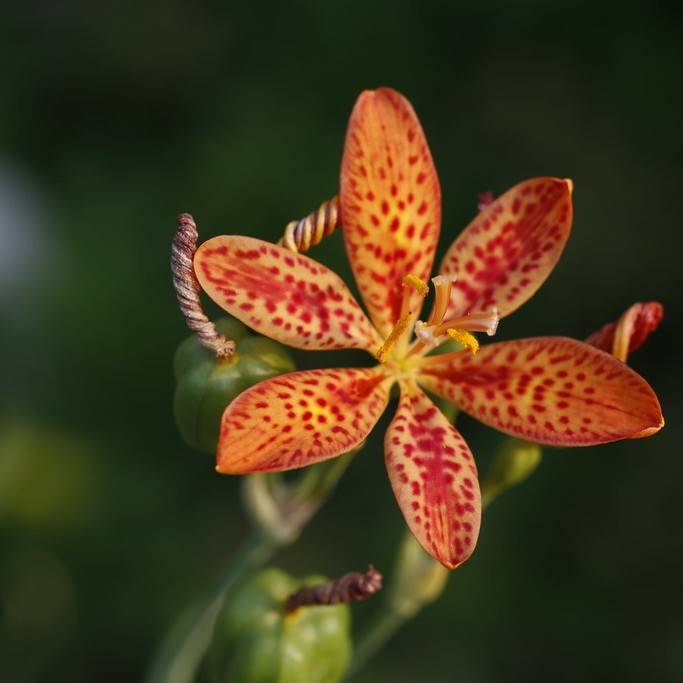
Blackberry Lily
Iris domestica (syn. Belamcanda chinensis)
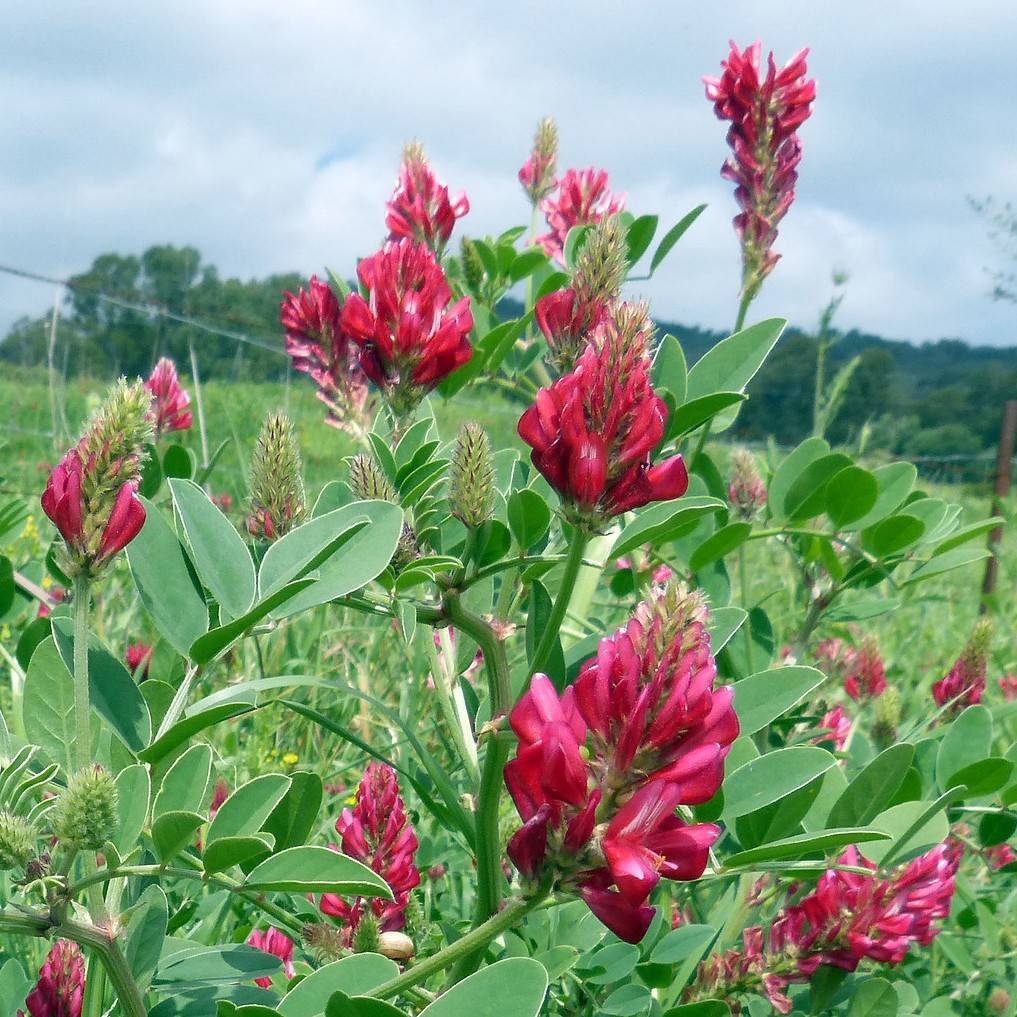
French Honeysuckle
Hedysarum coronarium
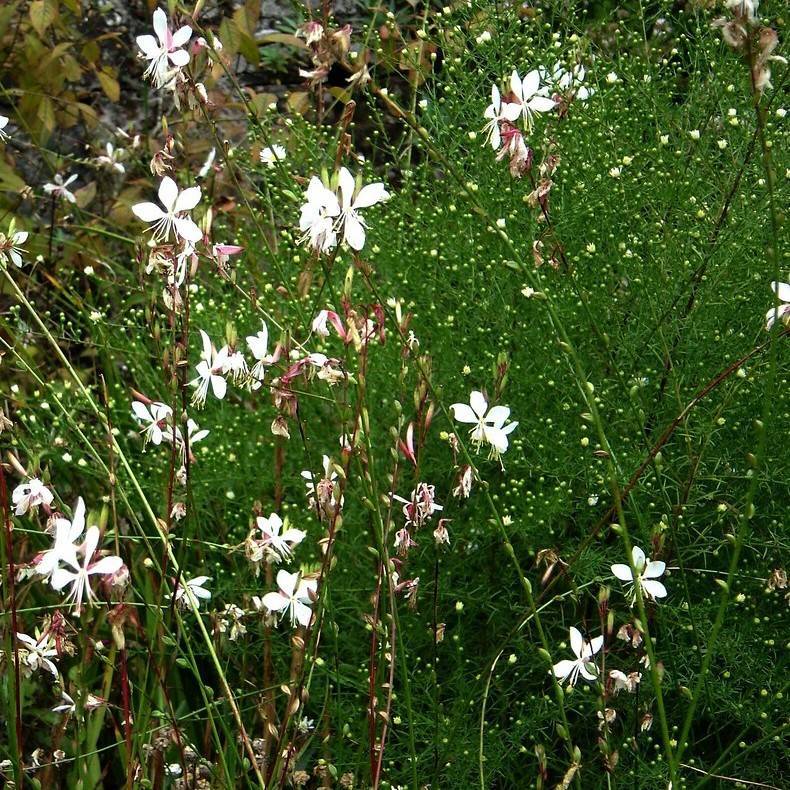
Gaura
Oenothera lindheimeri
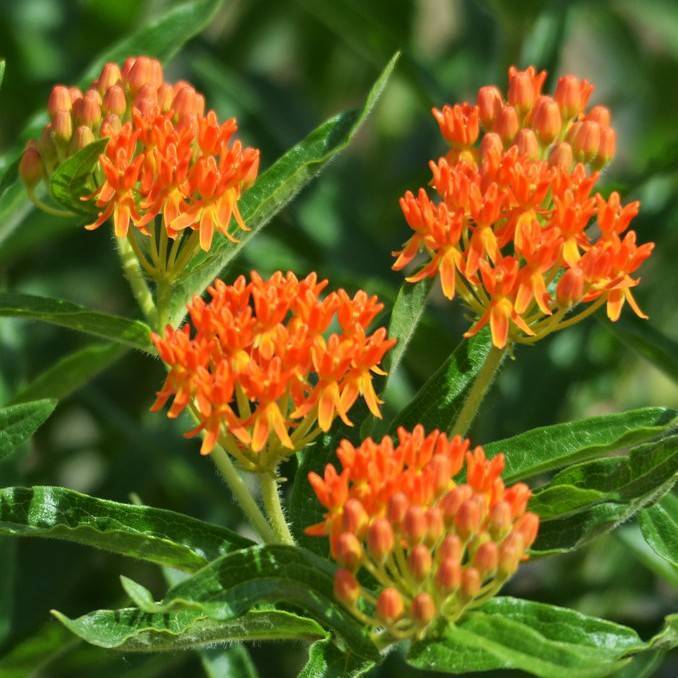
Butterfly Milkweed
Asclepias tuberosa
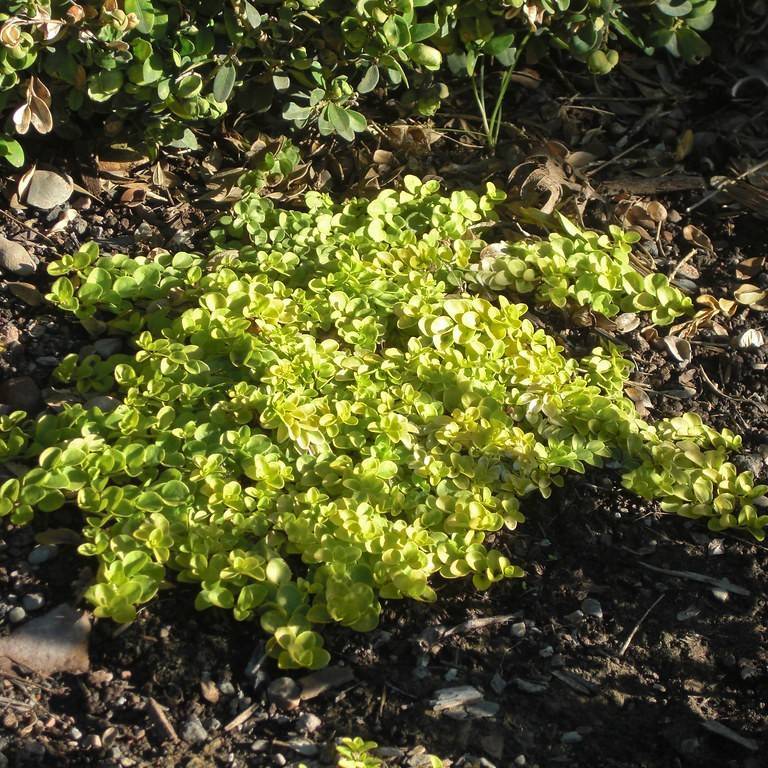
Creeping Speedwell
Veronica filiformis
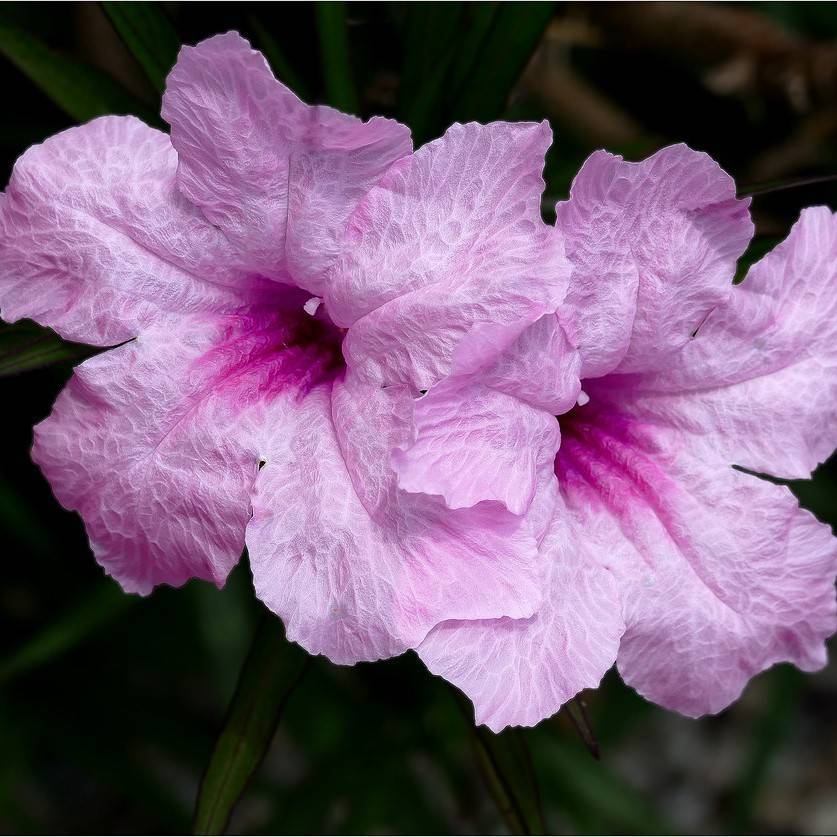
Dwarf Ruellia
Ruellia simplex 'Katie'
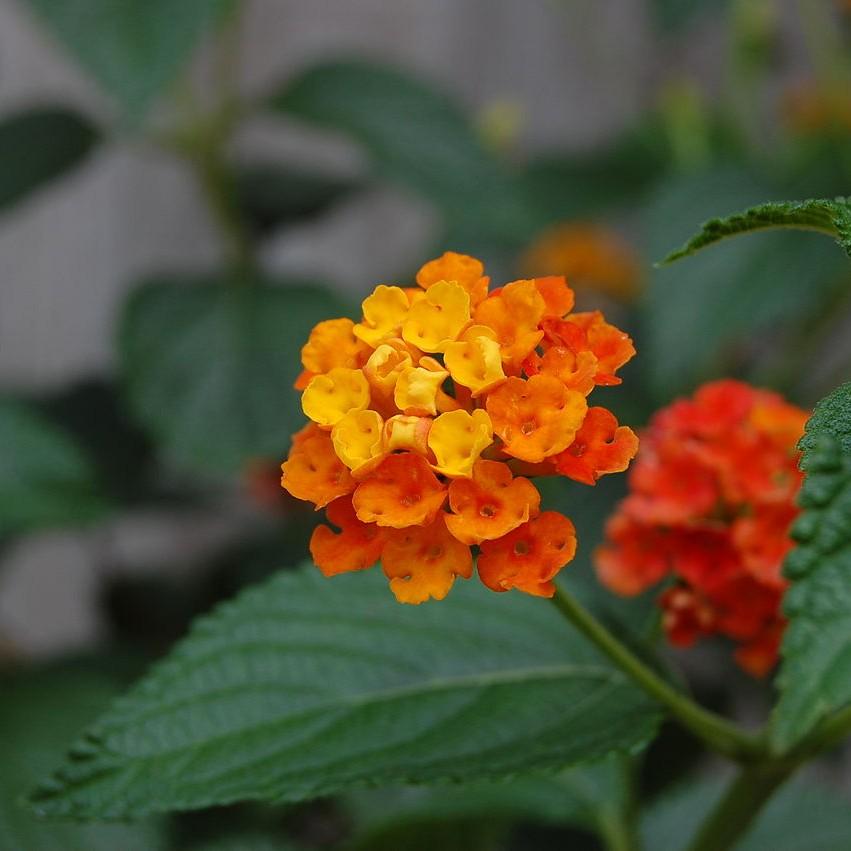
Lantana
Lantana camara