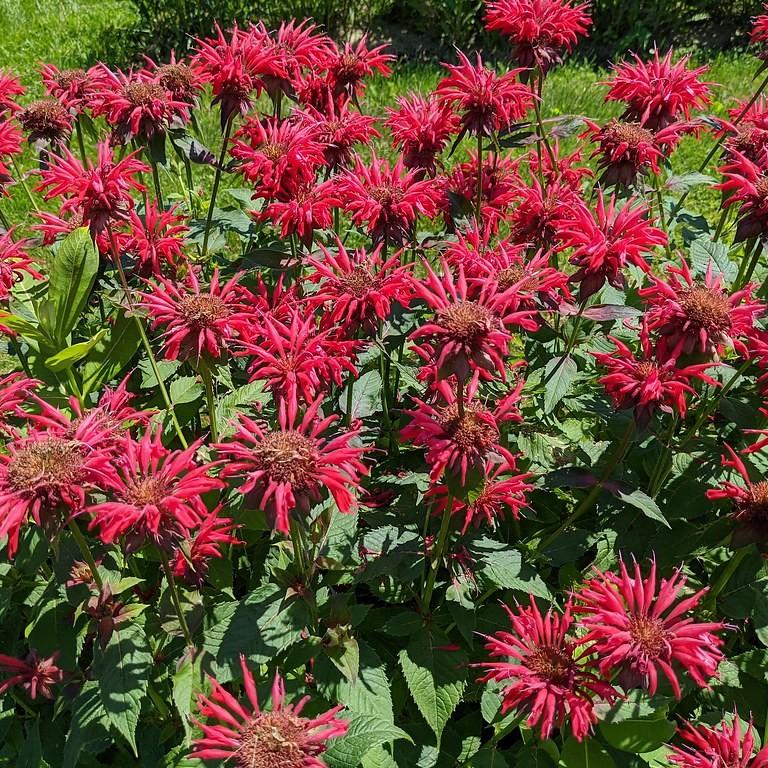
Bee Balm
Monarda didyma
Overview
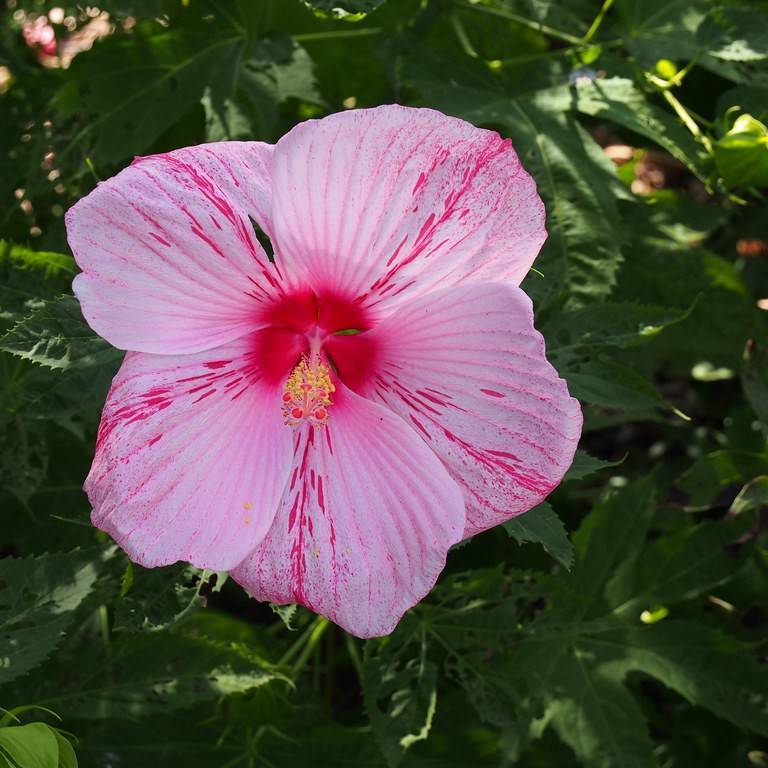
Bee balm, also called wild bergamot or Oswego tea, produces dense, whorled clusters of tubular red, pink, purple, or white blooms atop square, mint-family stems from mid to late summer. Its aromatic, serrated foliage releases a citrusy, oregano-like scent when crushed, making it deer-resistant and highly attractive to bees, butterflies, and hummingbirds. A staple of native pollinator gardens, it thrives in meadows, rain gardens, and perennial borders across temperate regions. The plant earned its common name from its historic use as a topical remedy for bee stings by Indigenous North American communities.
Care Guide
Watering
Bee balm prefers consistently moist, well-drained soil; water deeply once per week, providing roughly 1 inch of water, to keep root zones evenly damp and prevent drought stress. Avoid overhead watering to reduce foliar disease risk, directing water directly to the base of the plant instead. Reduce watering frequency in fall and winter once the plant goes dormant, only watering during extended dry spells.
Light
This species grows best in full sun, receiving 6 or more hours of direct sunlight daily, which encourages maximum bloom production and sturdy, upright growth. It can tolerate partial shade, particularly in hot southern climates, though plants grown in shadier spots may become leggy, produce fewer flowers, and have increased susceptibility to powdery mildew. Avoid planting in deep, full shade, as this will severely limit flowering and may cause plant decline over time.
Soil
Bee balm adapts to a wide range of soil types but performs best in rich, loamy, well-drained soil with a slightly acidic to neutral pH between 6.0 and 7.0. It tolerates clay soil as long as drainage is adequate; amend heavy clay with compost or aged manure to improve structure and prevent waterlogging, which can cause root rot. Adding a 2-inch layer of organic mulch around the base of the plant will help retain soil moisture, regulate root temperature, and suppress weed growth.
Fertilizer
Feed established bee balm plants in early spring with a balanced, slow-release 10-10-10 fertilizer, sprinkled around the root zone and watered in thoroughly to support new growth. Avoid over-fertilizing, as excess nitrogen can promote lush, dense foliage that is more prone to powdery mildew and reduces flowering. Potted bee balm may benefit from a diluted liquid balanced fertilizer once per month during the active growing season to replenish nutrients leached from container soil.
Temperature
Bee balm is hardy in USDA zones 4 through 9, tolerating winter temperatures as low as -30°F (-34°C) when fully established and dormant. It thrives in average summer temperatures between 65°F and 85°F (18°C to 29°C), though it may show signs of heat stress, including wilting foliage, during extended periods above 90°F (32°C). In regions with extreme summer heat, provide afternoon shade to prevent leaf scorch and reduce moisture loss.
Pruning
Pinch back the tips of young bee balm stems in late spring when plants are 6-12 inches tall to encourage bushier, more compact growth and increase flower bud production. Deadhead spent bloom clusters regularly throughout the flowering season to extend the bloom period and prevent unwanted self-seeding in the garden. Cut back all stems to 2-3 inches above the soil line in late fall after the first hard frost, or leave seed heads intact over winter to provide food for native bird species.
Propagation
Bee balm is most commonly propagated by root division, done in early spring or late fall every 2-3 years to control spread, reduce overcrowding, and improve airflow. Dig up the entire root clump, separate it into smaller sections with at least 2-3 healthy shoots and a portion of the root system, and replant divisions 18-24 inches apart at the same depth they were originally growing. It can also be grown from seed sown directly outdoors in fall or started indoors 8-10 weeks before the last spring frost, though seed-grown plants may not retain the exact flower color of the parent cultivar.
Humidity
Bee balm prefers moderate to high humidity levels between 40% and 70%, typical of its native eastern North American habitat. Poor air circulation in high-humidity environments increases the risk of powdery mildew, so space plants 18-24 inches apart to allow airflow around foliage and avoid planting in sheltered, stagnant spots. Indoor potted bee balm may benefit from occasional misting with room-temperature water if indoor humidity drops below 40% during winter heating months.
Repotting
Potted bee balm should be repotted every 1-2 years in early spring before new growth emerges, to refresh depleted soil and accommodate expanding root systems. Choose a container at least 2 inches larger in diameter than the current pot, with drainage holes to prevent waterlogging, and use a rich, well-draining potting mix amended with compost. If roots are tightly bound, gently loosen the outer root ball before repotting to encourage new root growth into the fresh soil.
Uses & Symbolism
Bee balm leaves and flowers are edible, with a bright, citrus-mint flavor perfect for steeped teas, salads, jellies, and as a garnish for cold drinks; Indigenous communities historically used the plant to treat colds, sore throats, and minor skin irritations. It is a staple of pollinator and native wildlife gardens, supporting bees, butterflies, hummingbirds, and seed-eating birds, while its deer-resistant, aromatic foliage makes it ideal for low-maintenance borders and rain gardens. Cut flower arrangements often include bee balm blooms for their vibrant color, long vase life, and pleasant scent.
Diseases & Pests
The most common issue affecting bee balm is powdery mildew, a fungal disease that appears as a white, powdery coating on foliage, typically in humid conditions with poor air circulation; prevent it by spacing plants adequately, avoiding overhead watering, and choosing mildew-resistant cultivars. Common pests include spider mites, thrips, and aphids, which can be controlled with insecticidal soap, neem oil, or by introducing beneficial predatory insects like ladybugs. Root rot may occur in waterlogged, poorly drained soil, so avoid overwatering and amend heavy soil with organic matter to improve drainage before planting.
Related plants
Other plants you might like if you grow Bee Balm.