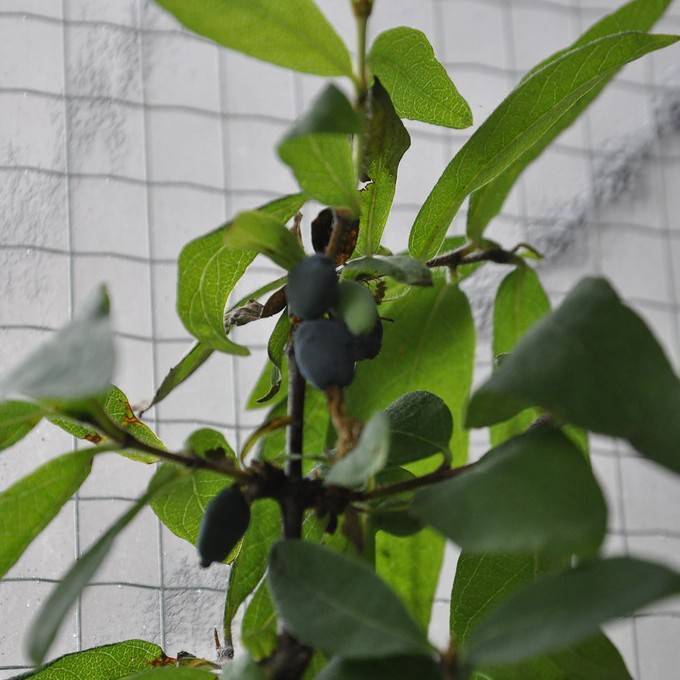
Honeyberry
Lonicera caerulea var. edulis
Overview
Honeyberry, also called haskap, is a fruiting subspecies of blue honeysuckle adapted to cold climates, tolerating winter temperatures as low as -40°F (-40°C). It produces small, pale yellow tubular flowers in early spring, followed by elongated blue berries that ripen 2-3 weeks before strawberries, making it one of the earliest edible fruit harvests of the growing season. The berries have a sweet, tangy flavor reminiscent of blueberries, raspberries, and honey, with a soft, juicy texture.
Care Guide
Watering
Honeyberry prefers consistently moist, well-drained soil, especially during fruit development; water deeply once per week in dry periods, avoiding overwatering that can lead to root rot. Established plants have moderate drought tolerance, but prolonged dryness will reduce fruit size and yield. Reduce watering frequency in fall as the plant enters dormancy to prevent new, frost-susceptible growth.
Light
Grow honeyberry in full sun, defined as 6-8 hours of direct sunlight daily, to maximize fruit production and overall plant vigor. It can tolerate partial shade, but yields will be lower, and plants may develop a more sparse, leggy growth habit. In regions with extremely hot afternoon sun, light dappled shade during the hottest part of the day can prevent leaf scorch.
Soil
Honeyberry thrives in well-drained, loamy or sandy loam soil with a slightly acidic to neutral pH between 5.5 and 7.0, though it can tolerate slightly alkaline conditions better than many other berry crops. Avoid heavy, waterlogged clay soils, as this species is highly susceptible to root rot in saturated conditions. Amend poor soils with well-rotted compost or aged manure prior to planting to improve drainage and nutrient content.
Fertilizer
Apply a balanced, slow-release 10-10-10 fertilizer in early spring just before new growth emerges, following label rates to avoid over-fertilization that can promote excessive vegetative growth over fruit production. Avoid fertilizing after mid-summer, as this can stimulate new growth that will be damaged by early fall frosts. A top-dressing of 2-3 inches of well-rotted compost around the base of the plant each spring can also supply sufficient nutrients for healthy growth.
Temperature
Honeyberry is extremely cold-hardy, thriving in USDA hardiness zones 2 through 7, with winter dormancy requiring at least 800-1200 hours of temperatures below 45°F (7°C) to break dormancy and produce fruit. Spring flowers are tolerant of light frosts down to 20°F (-7°C), making them less susceptible to late spring frost damage than many other early fruiting crops. In regions with hot summers above 90°F (32°C), plants may experience leaf scorch and reduced fruit quality, so afternoon shade is recommended in these areas.
Pruning
Prune honeyberry in late winter or early spring while the plant is still dormant, removing dead, damaged, or crossing branches to improve air circulation and light penetration. For the first 3 years after planting, minimal pruning is needed beyond removing weak growth to establish a strong, open framework. Mature plants (4+ years old) benefit from removing 1-2 of the oldest, thickest stems each year to encourage new, fruit-bearing growth, as the highest yields are produced on 2-3 year old wood.
Propagation
Honeyberry is most commonly propagated from softwood cuttings taken in early summer, using 4-6 inch long stem tips with the lower leaves removed, dipped in rooting hormone and placed in a well-drained propagating mix under high humidity. It can also be propagated from seed, but seed-grown plants will not come true to the parent cultivar, and may take 3-4 years to produce fruit. Suckers that emerge from the base of established plants can be dug up and transplanted in late winter or early spring for easy home propagation.
Humidity
Honeyberry prefers moderate humidity levels between 40% and 60%, typical of its native cool temperate habitat. Good air circulation around the plant is important to prevent fungal foliar diseases in high humidity conditions. It can tolerate dry air for short periods, but prolonged low humidity combined with high temperatures may cause leaf wilting and reduce fruit juiciness.
Repotting
Honeyberry grown in containers should be repotted every 2-3 years in late winter while dormant, using a slightly larger pot with drainage holes and a well-drained, acidic potting mix formulated for berry crops. Gently loosen the root ball before repotting to encourage root growth into the new soil, and water thoroughly after repotting to settle the soil around the roots. For mature container plants that have reached their desired size, root prune by removing 1-2 inches of outer root mass each repotting cycle and replace the top layer of soil with fresh potting mix to refresh nutrients without increasing pot size.
Related plants
Other plants you might like if you grow Honeyberry.
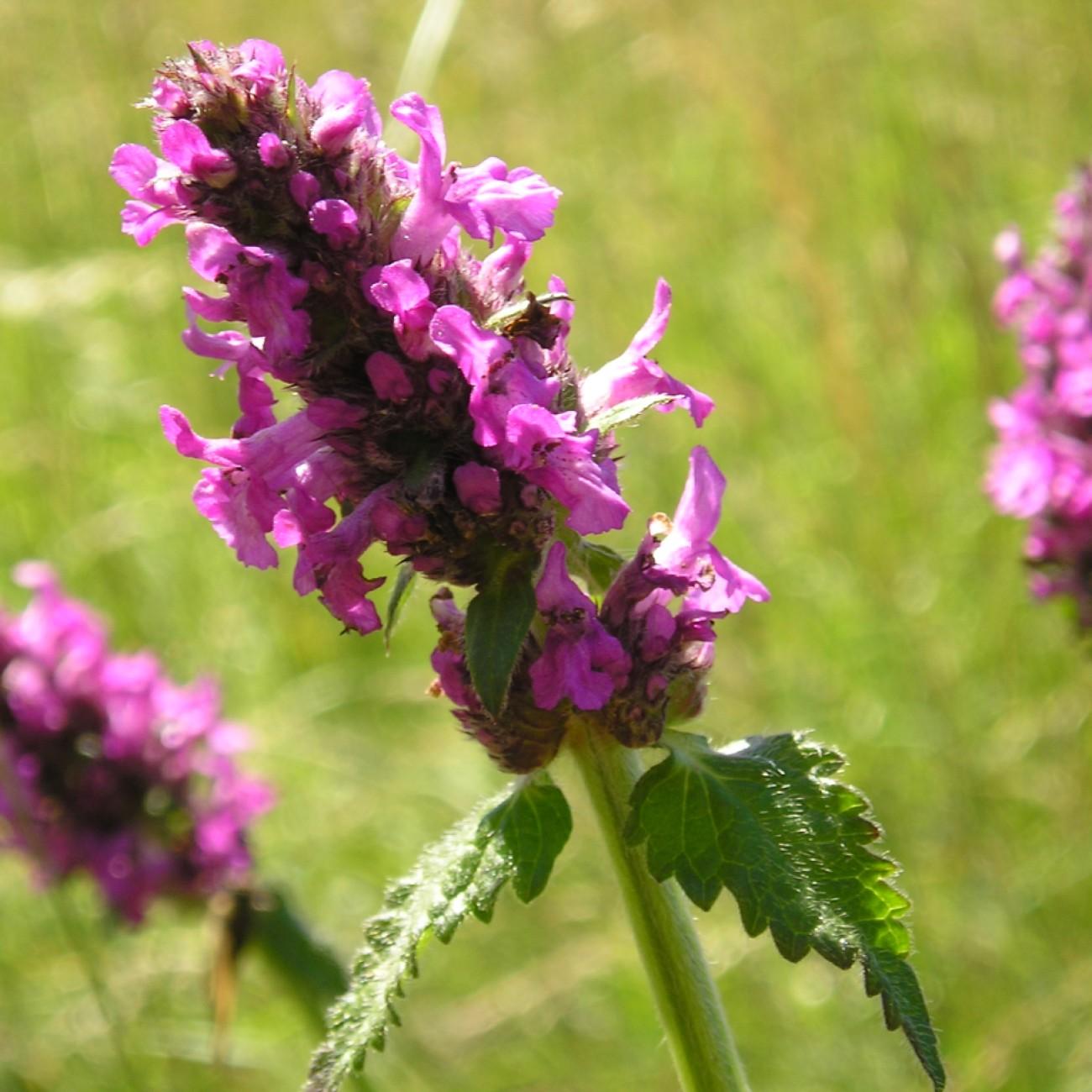
Alpine Betony
Betonica alpinum (syn. Stachys alpina)
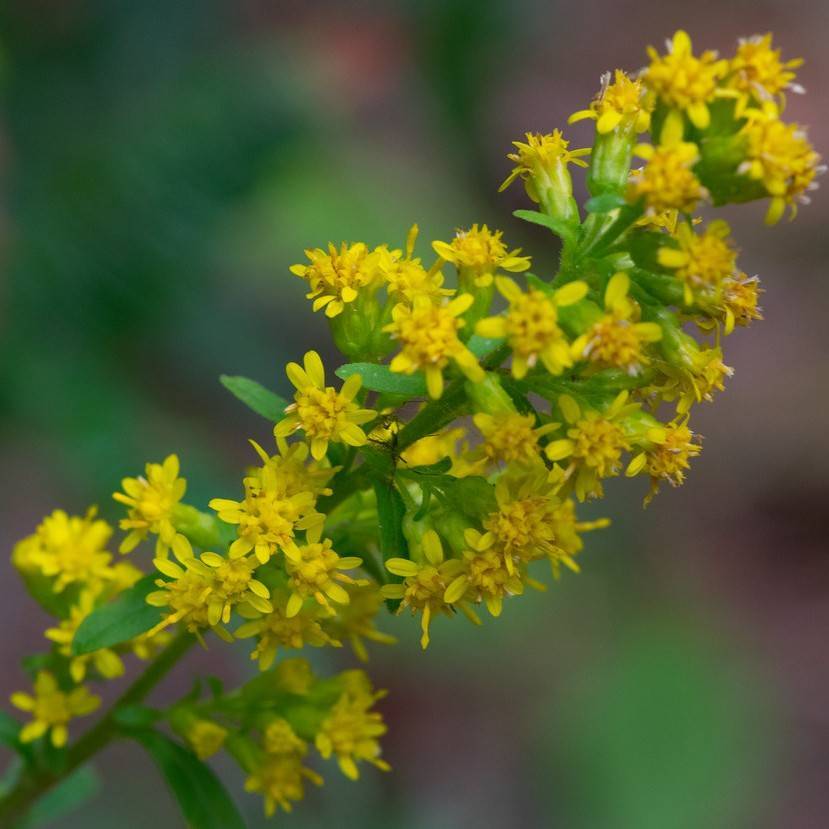
Elm Leaved Goldenrod
Solidago ulmifolia
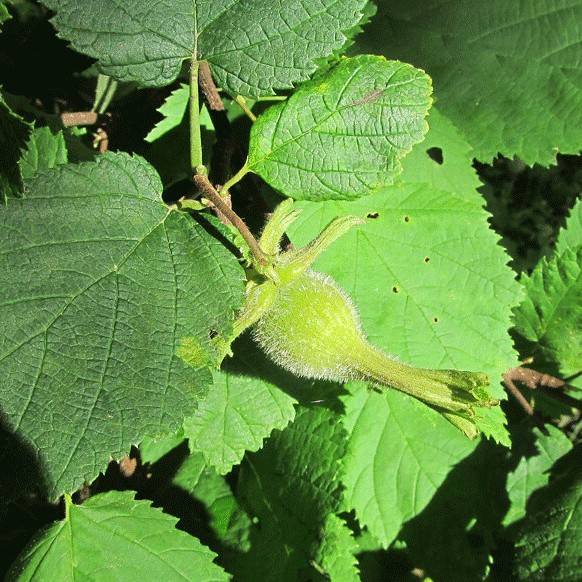
Beaked Hazel
Corylus cornuta
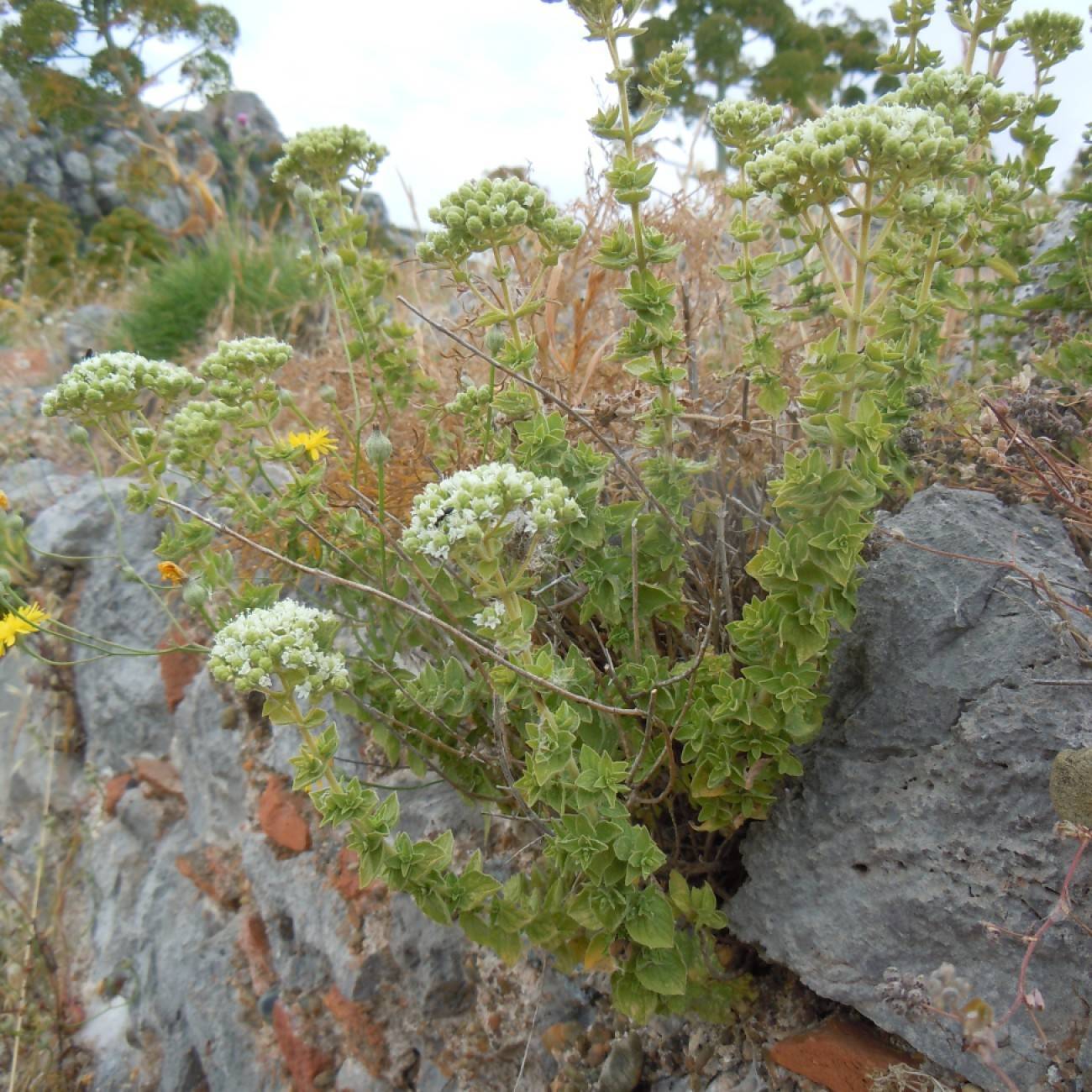
American Feverfew
Parthenium integrifolium
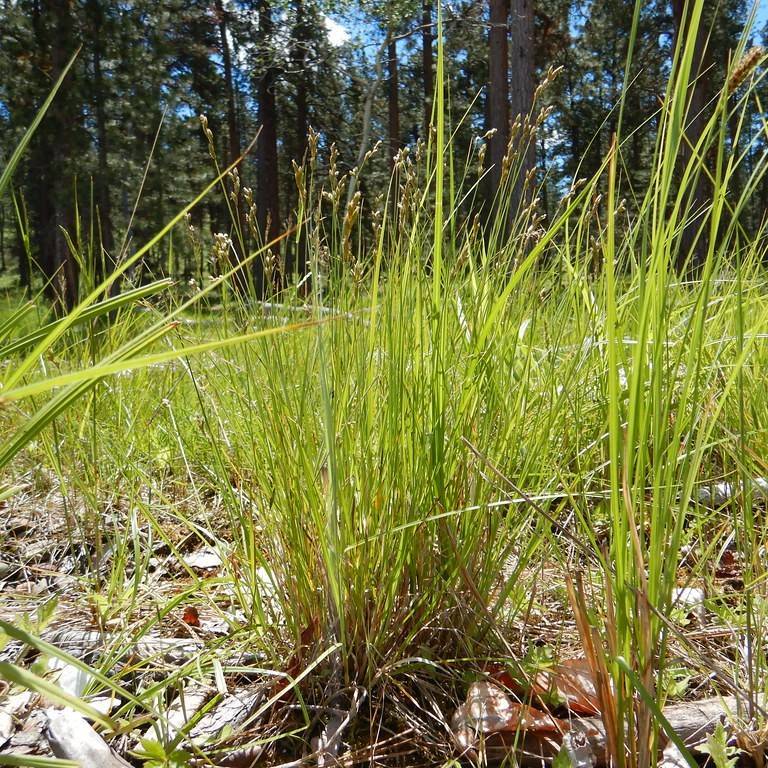
Connect Sedge
Carex connectens
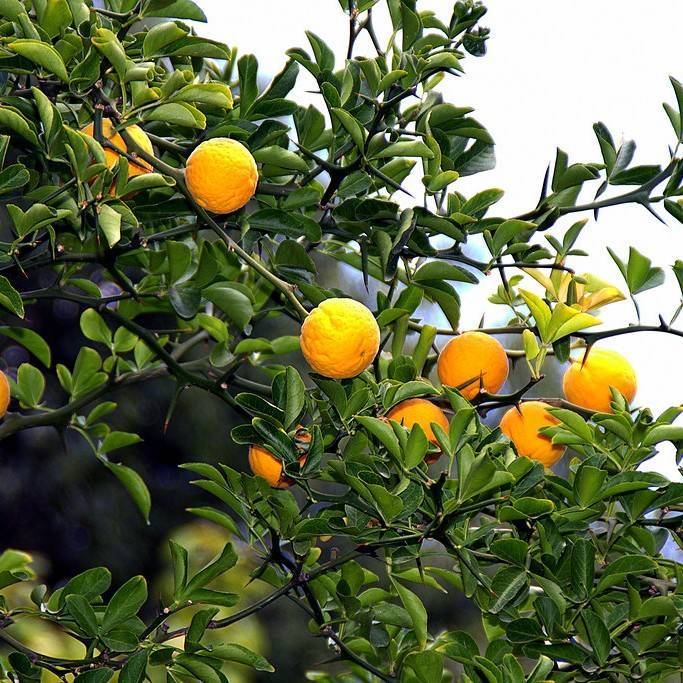
Hardy Orange
Poncirus trifoliata (syn. Citrus trifoliata)
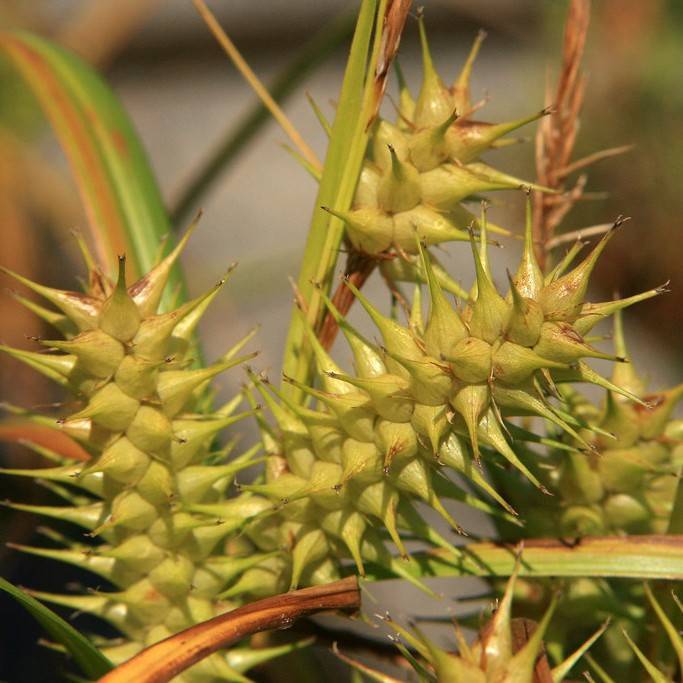
Hop Sedge
Carex lupulina
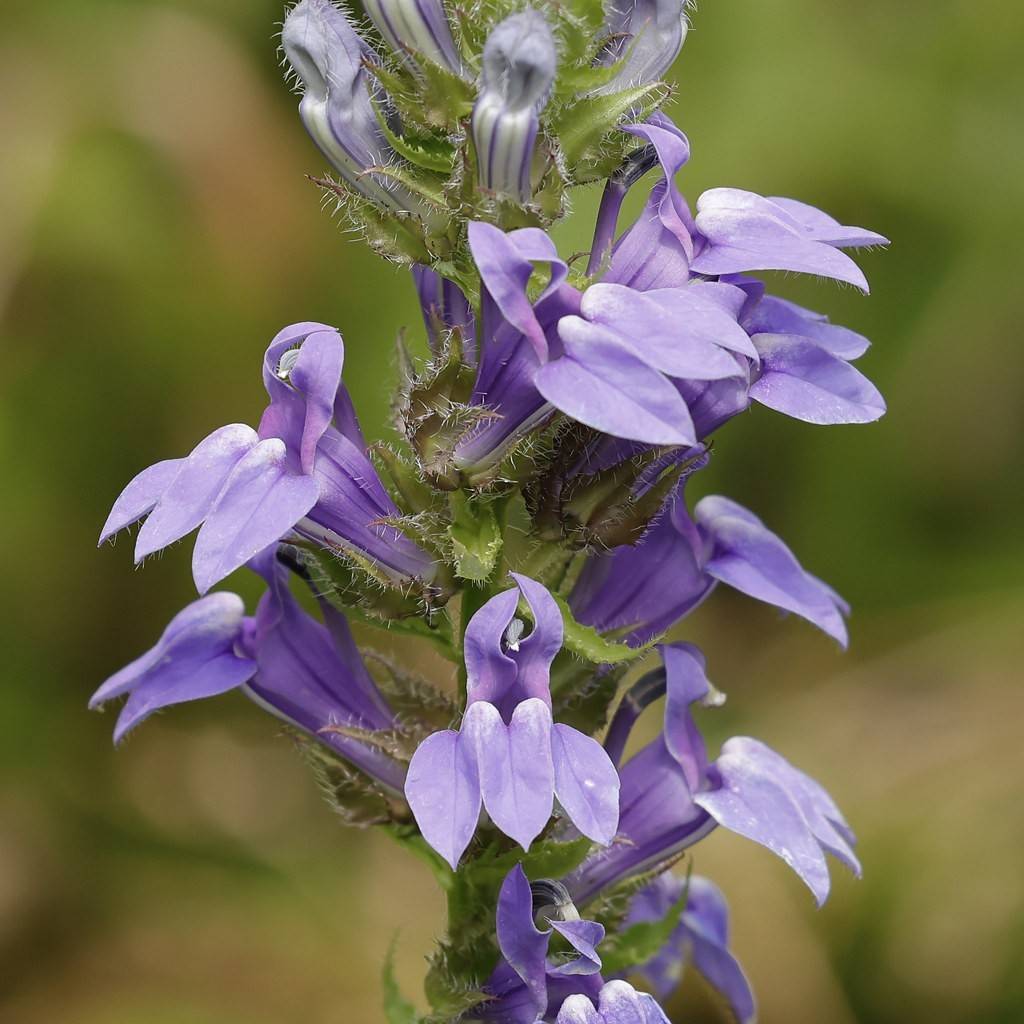
Great Blue Cardinal Flower
Lobelia siphilitica