Honey Locust
Gleditsia triacanthos
Overview
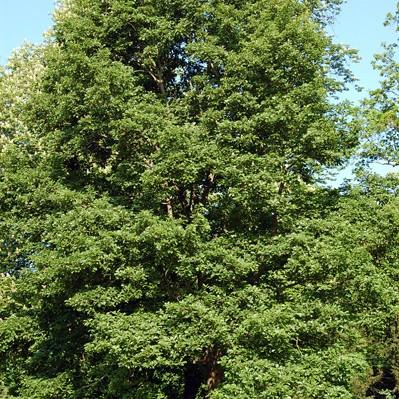
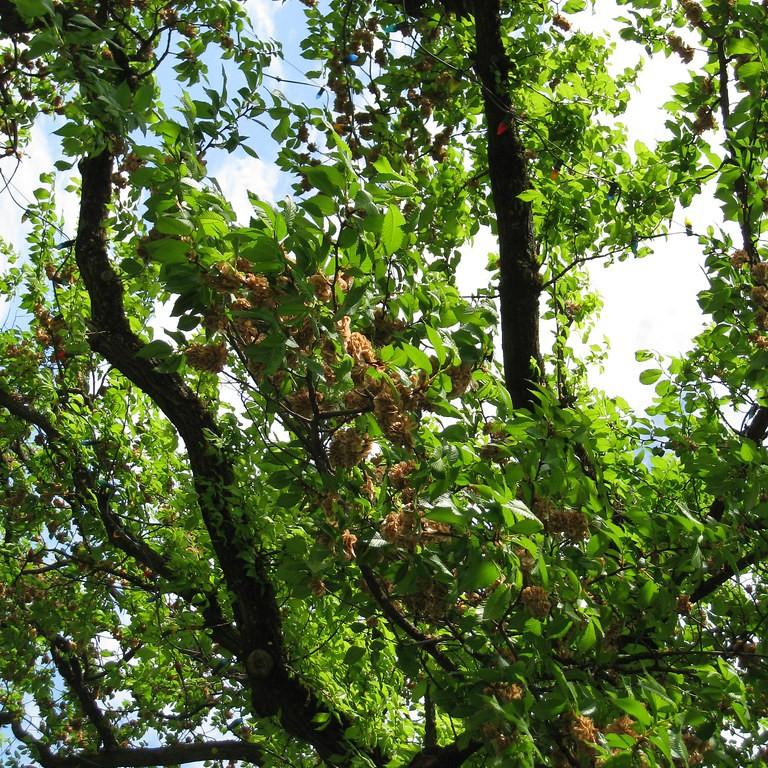
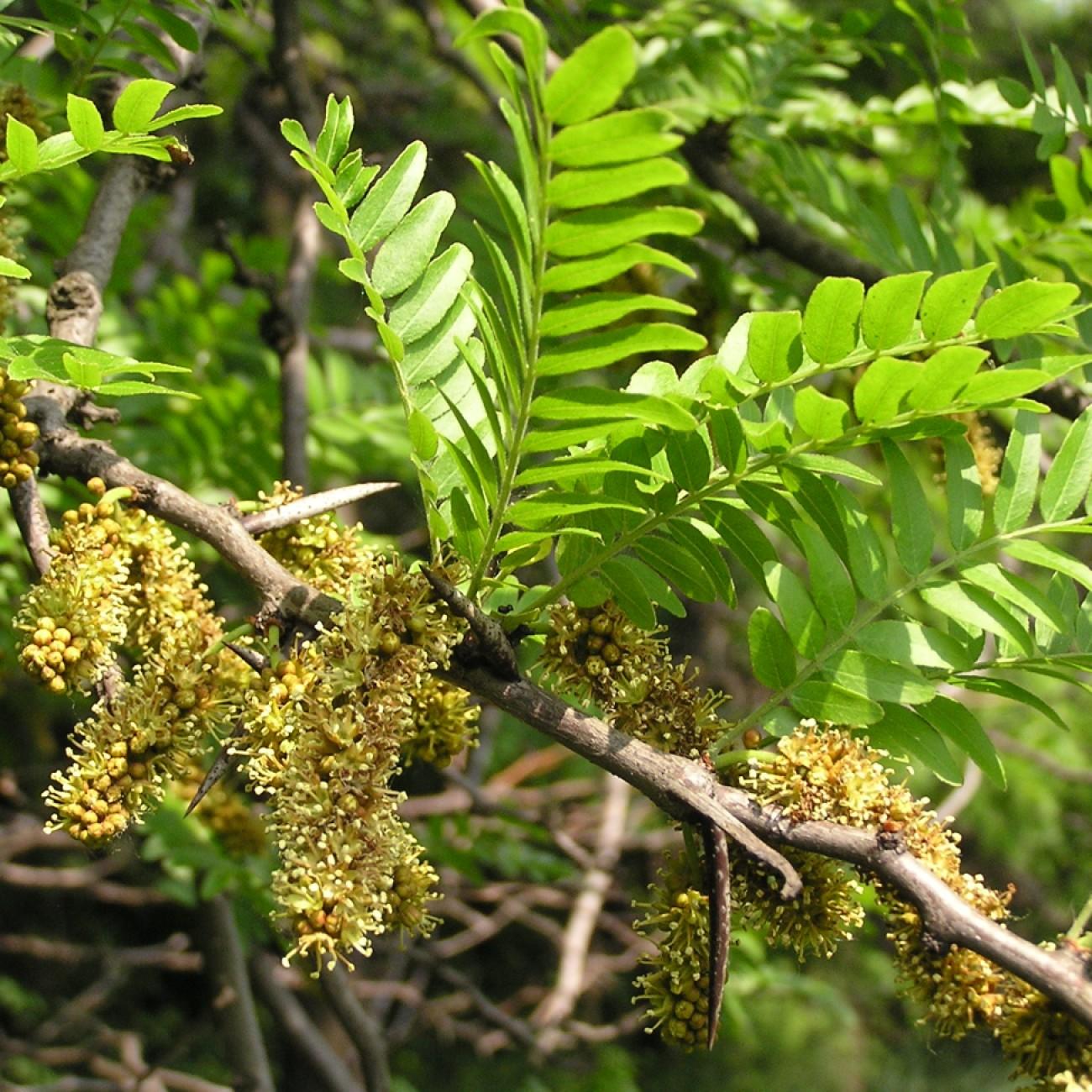
Honey locust is a large deciduous tree recognizable by its feathery, pinnately compound leaves that cast dappled shade, and its long, twisted, brown seed pods that mature in fall. Wild specimens feature sharp, branched thorns up to 12 inches long on their trunks and branches, though popular thornless cultivars like 'Sunburst' and 'Shademaster' are widely planted for landscaping. It is highly adaptable to poor soils, drought, and road salt, making it a common choice for urban street plantings and erosion control projects.
Care Guide
Watering
Honey locust is highly drought-tolerant once established, requiring only occasional deep watering during extended periods of extreme heat or dryness. Newly planted trees need regular, consistent watering for the first 1-2 years to support root development, allowing the top 2-3 inches of soil to dry out between waterings to avoid root rot. Overwatering, especially in poorly drained sites, is the most common issue for this species, so avoid supplemental irrigation in normal rainfall conditions for mature specimens.
Light
Honey locust thrives in full sun, requiring a minimum of 6 hours of direct, unfiltered sunlight daily to reach its full growth potential and develop a dense, healthy canopy. It can tolerate very light, dappled shade for short periods, but prolonged shade will lead to sparse foliage, stunted growth, and increased susceptibility to pest infestations. For urban plantings, choose open sites with no overhead obstructions to ensure the tree receives adequate sun exposure throughout the growing season.
Soil
This adaptable tree grows well in a wide range of soil types, including sandy, loamy, clay, compacted, and alkaline soils, as long as the site has reasonable drainage to prevent standing water around the root zone. It tolerates a pH range from 6.0 to 8.0, and even handles mild salinity from road deicing salts, making it ideal for roadside plantings in cold climates. Amending heavy clay soils with organic matter at planting time can improve drainage and support faster root establishment, but it is not required for the tree to survive.
Fertilizer
Mature honey locust trees rarely require fertilization, as they are efficient at accessing nutrients from even poor quality soils. Young, actively growing trees can benefit from a balanced, slow-release 10-10-10 fertilizer applied in early spring before new leaf growth emerges, to support healthy canopy and root development. Avoid fertilizing after mid-summer, as this can stimulate late, tender new growth that is vulnerable to damage from early fall frost events.
Temperature
Honey locust is cold hardy in USDA zones 3 through 9, tolerating winter temperatures as low as -40°F (-40°C) and summer highs up to 100°F (38°C) without significant stress. It is well-adapted to the temperature fluctuations of continental North American climates, handling both sudden cold snaps and extended heatwaves with ease. Newly planted young trees may benefit from a layer of mulch around the base in their first 2 winters to insulate shallow root systems from extreme temperature swings.
Pruning
Prune honey locust during the dormant season in late winter or early spring, before new bud break, to minimize sap bleeding and reduce the risk of disease transmission through open wounds. Remove dead, damaged, crossing, or diseased branches annually to maintain a strong, open canopy structure, and trim any low-hanging branches as needed for clearance in street or landscape settings. Thorned varieties require heavy gloves and protective gear for pruning to avoid injury from the sharp, rigid thorns, and all cuts should be made cleanly just outside the branch collar to support fast healing.
Propagation
Honey locust is most commonly propagated from seed, which requires scarification (nicking or filing the hard seed coat) and soaking in warm water for 24 hours before sowing to break dormancy and improve germination rates. Softwood cuttings taken in early summer can also be rooted with the use of rooting hormone and placed in a consistently moist, well-drained propagation medium under high humidity, though this method has a lower success rate than seed propagation. Thornless cultivars must be propagated via grafting onto hardy honey locust rootstock to retain their thornless trait, as seed-grown plants from thornless parent stock will often revert to producing thorns.
Humidity
Honey locust adapts well to a wide range of humidity levels, thriving in both the dry, continental climates of the Great Plains and the more humid conditions of the eastern United States. It has no specific humidity requirements, and tolerates dry air and urban pollution exceptionally well, making it an excellent choice for city landscapes. Extremely high, consistent humidity coupled with poor air circulation can increase the risk of foliar fungal diseases, so ensure the tree is planted in an open site with good air flow to minimize this risk.
Repotting
Honey locust is a large, long-lived tree intended for in-ground planting, and is not suitable for long-term container growth. Container-grown nursery saplings should be transplanted into their permanent in-ground location as soon as possible, ideally in early spring before new growth begins, to avoid root binding and stunted growth. When transplanting, dig a hole twice as wide as the root ball and the same depth, backfill with native soil, and water thoroughly to settle the soil around the roots and eliminate air pockets.
Uses & Symbolism
Honey locust is widely planted as a street and shade tree in urban and suburban landscapes, valued for its dappled shade that allows grass and other understory plants to grow beneath its canopy. Its dense, durable, rot-resistant wood is used for fence posts, furniture, pallets, and construction lumber, while its sweet, pulp-filled seed pods are a food source for wildlife including deer, squirrels, and livestock. It is also used for erosion control on slopes and disturbed sites, and as a windbreak in agricultural settings, due to its fast growth and robust root system.
Diseases & Pests
Honey locust is relatively pest and disease resistant, but can be affected by honey locust pod gall midge, which causes small, unsightly galls on new leaf growth, and spider mites that lead to yellowing and browning of foliage during hot, dry summers. Fungal diseases including leaf spot, canker, and root rot can occur in poorly drained sites or during extended periods of wet, humid weather, leading to defoliation or branch dieback in severe cases. Healthy, well-established trees typically recover from minor infestations and infections without intervention, though severe cases may require targeted insecticides or fungicides applied in early spring.
Related plants
Other plants you might like if you grow Honey Locust.