Black Maple
Acer nigrum
Overview
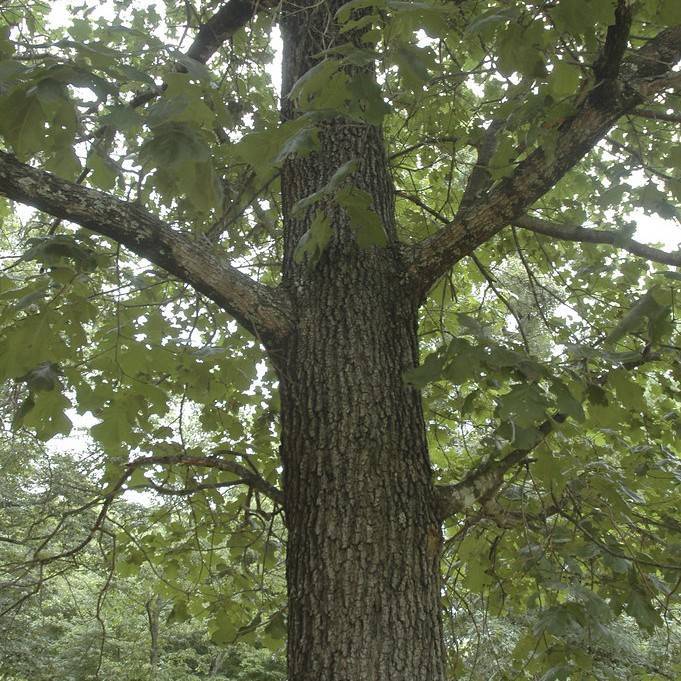
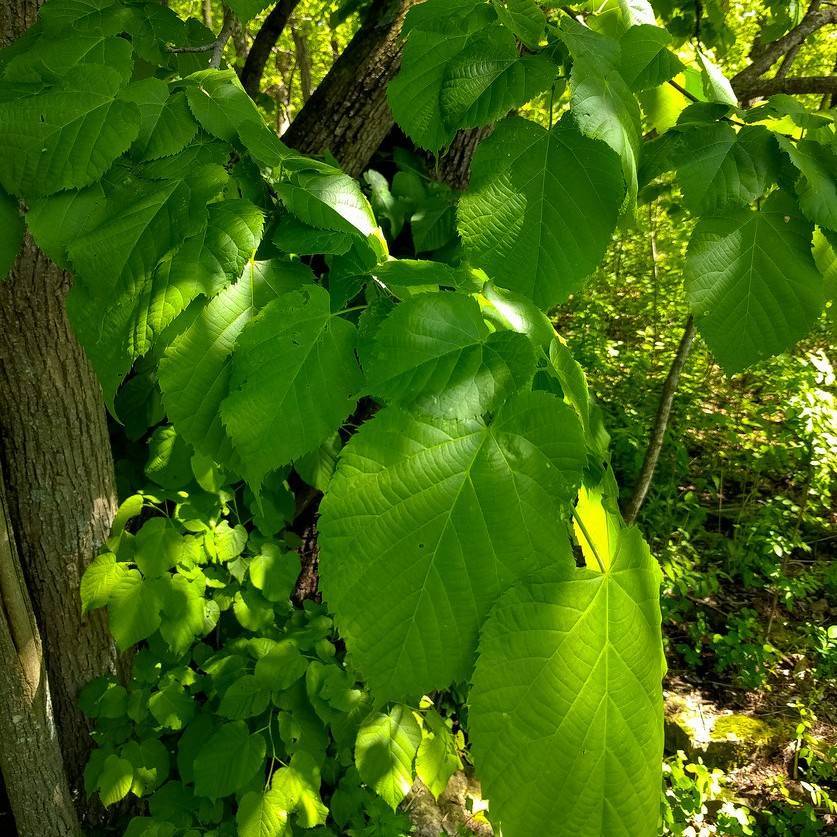
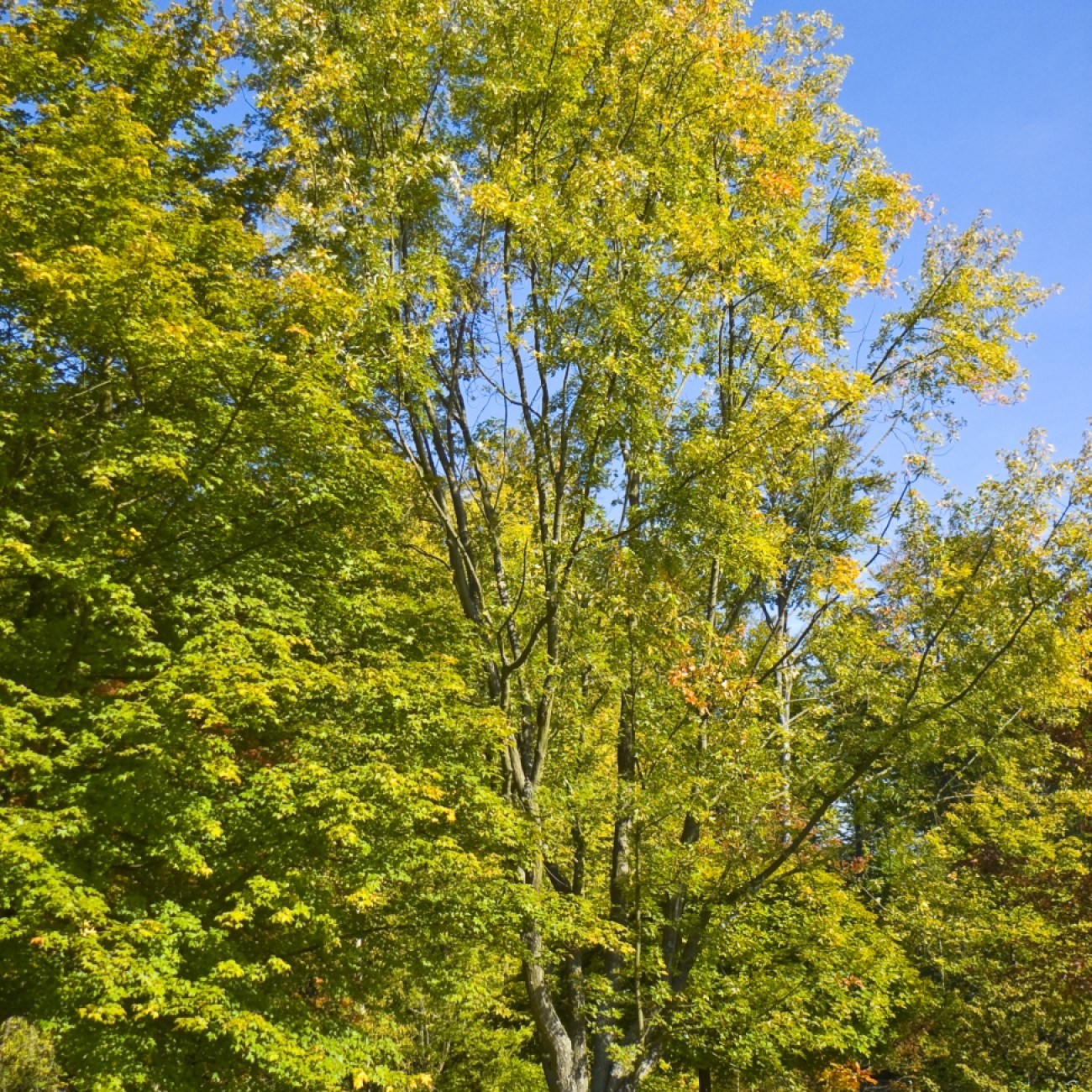
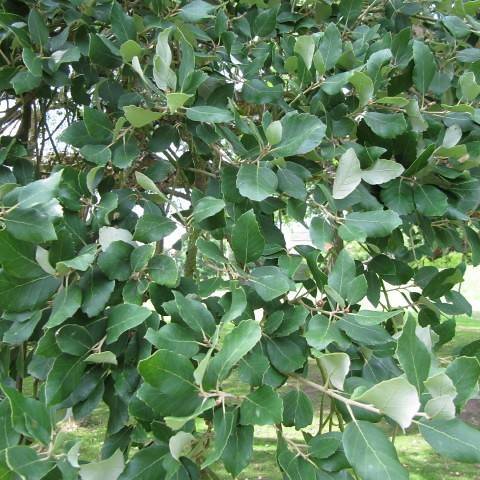
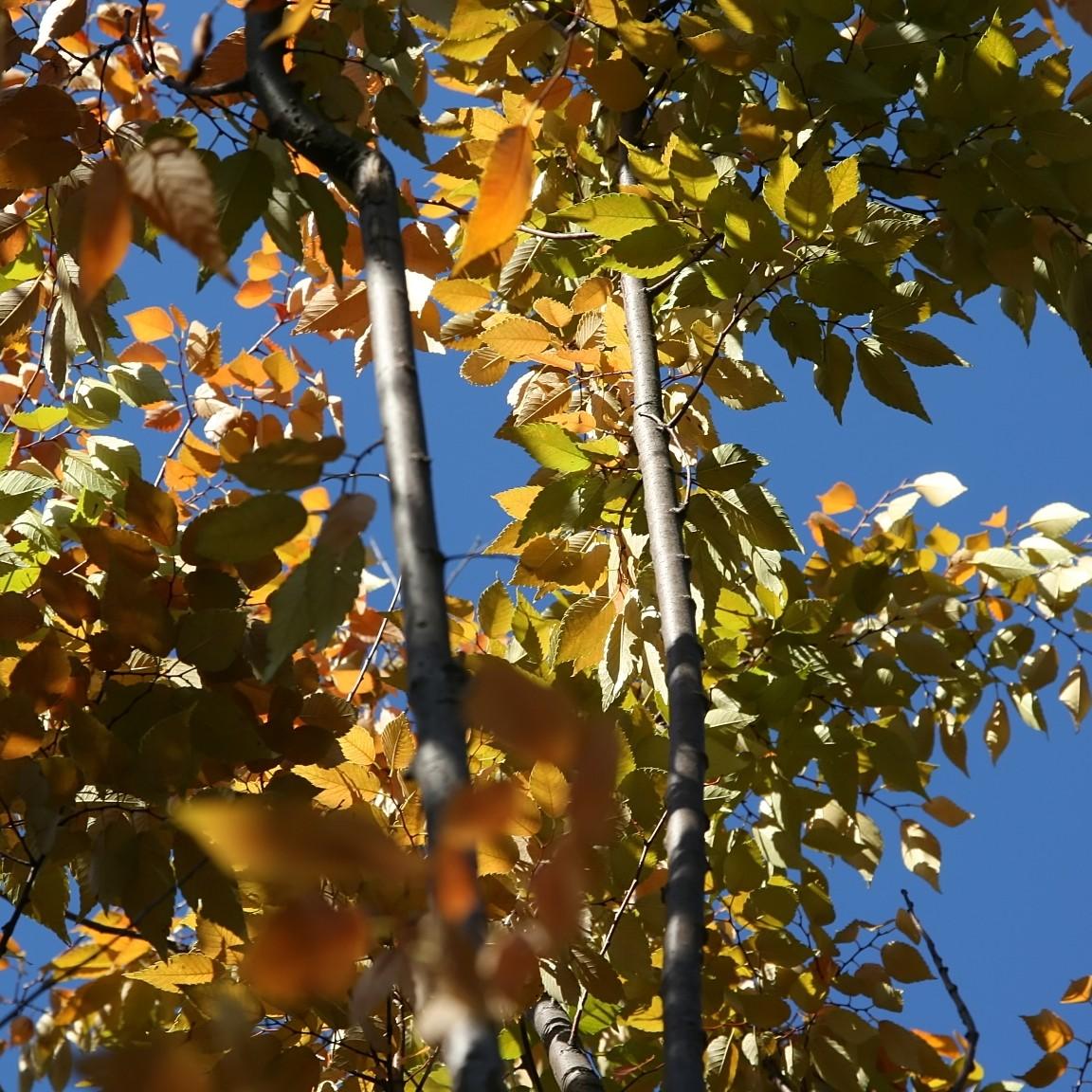
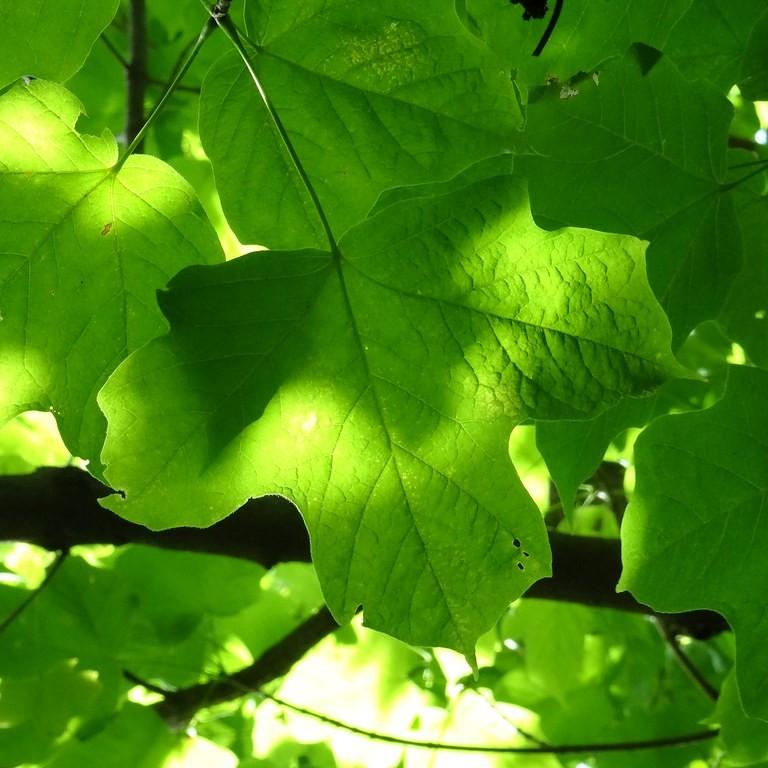
Black maple is a robust deciduous tree distinguished by its dark, deeply furrowed mature bark, three-lobed leaves with drooping sides and a fuzzy pale underside, and striking yellow to orange fall coloration. It is closely related to sugar maple (Acer saccharum), and the two species often hybridize in overlapping native ranges, with black maple tolerating wetter, more alkaline soils than its relative. It is a long-lived canopy tree, with some specimens surviving over 200 years in undisturbed forest habitats.
Care Guide
Watering
Black maple prefers consistent, evenly moist soil, especially during its first 10 years of establishment; water deeply once weekly during prolonged dry periods to prevent leaf scorch and support root development. Mature trees have moderate drought tolerance, but supplemental watering during extended dry spells will reduce stress and support healthy foliage. Avoid overwatering in poorly drained sites, as this can lead to root rot.
Light
Young black maple saplings tolerate partial shade, but mature trees thrive in full sun, requiring at least 6 hours of direct sunlight daily to develop a strong, symmetrical canopy and vibrant fall foliage. Trees grown in heavy shade will have sparse foliage, slower growth, and reduced fall color intensity.
Soil
This species adapts to a wide range of soil types, including loam, clay, and silt, but performs best in deep, fertile, well-drained soil with a neutral to slightly alkaline pH, unlike sugar maple which prefers acidic conditions. It tolerates wetter soils than sugar maple, making it suitable for low-lying sites with occasional seasonal flooding, but will not thrive in permanently waterlogged ground.
Fertilizer
Young black maple trees benefit from a balanced, slow-release 10-10-10 fertilizer applied in early spring before new leaf emergence to support vigorous root and canopy growth. Mature, established trees rarely require fertilization unless grown in nutrient-poor soil, in which case a light application of nitrogen-rich fertilizer in early spring will support healthy foliage. Avoid fertilizing after mid-summer, as this can stimulate late new growth that is vulnerable to frost damage.
Temperature
Black maple is cold-hardy in USDA zones 3 through 8, tolerating winter temperatures as low as -40°F (-40°C) without damage. It prefers cool to moderate summer temperatures, and in the southern end of its range, it benefits from some afternoon shade to prevent leaf scorch during extended heatwaves above 90°F (32°C). Spring frost can damage newly emerged leaves, but trees typically regrow foliage quickly after minor cold injury.
Pruning
Prune black maple during late winter or early spring while the tree is dormant to minimize sap bleeding, removing dead, damaged, or crossing branches to improve air circulation and maintain a strong structural canopy. Avoid heavy pruning of mature trees, as they are slow to heal large wounds, which can increase susceptibility to fungal pathogens and pest infestations. Suckers growing from the base of the trunk can be removed at any time to direct energy to the main canopy.
Propagation
Black maple is most commonly propagated from seed, which requires 90 to 120 days of cold stratification to break dormancy before sowing in moist, fertile soil in spring. Softwood cuttings taken from young, healthy trees in early summer can also root successfully if treated with rooting hormone and kept in high humidity conditions for 8 to 12 weeks. Hybrids with sugar maple are common in wild populations, so seed-grown specimens may not retain exact parent tree traits.
Humidity
Black maple adapts well to average ambient humidity levels across its native range, tolerating both the humid summers of the eastern United States and the drier conditions of the Midwest. Very low humidity combined with high heat can cause leaf edge scorch, which can be mitigated with supplemental watering and light mulching around the root zone to retain soil moisture.
Repotting
Black maple is rarely grown as a container plant long-term due to its large mature size, but saplings intended for landscape planting can be kept in 5 to 15 gallon containers for 1 to 2 years before transplanting. Repot young saplings in early spring before new growth emerges, using a well-drained, fertile potting mix, and ensure containers have adequate drainage holes to prevent root rot. Transplant to the landscape as soon as the root system is well-established to avoid stunting growth.
Uses & Symbolism
Black maple is widely planted as a shade tree in residential and public landscapes, valued for its dense canopy, attractive bark, and brilliant fall color. Its sap has a slightly higher sugar content than sugar maple, making it highly prized for commercial and small-scale maple syrup production. The dense, hard wood is used for furniture, flooring, cabinetry, and musical instruments, similar to sugar maple lumber.
Diseases & Pests
Black maple is susceptible to common maple pests including aphids, scale insects, and the gypsy moth, which can defoliate trees during heavy infestations, though mature trees typically recover with proper care. Fungal diseases such as verticillium wilt, tar spot, and anthracnose can affect foliage, with verticillium wilt being the most serious, potentially causing branch dieback or tree death in severe cases. Proper air circulation, avoiding wounding the trunk, and removing infected foliage can reduce disease risk.
Guides that mention Black Maple
Related plants
Other plants you might like if you grow Black Maple.