Garry Oak
Quercus garryana
Overview
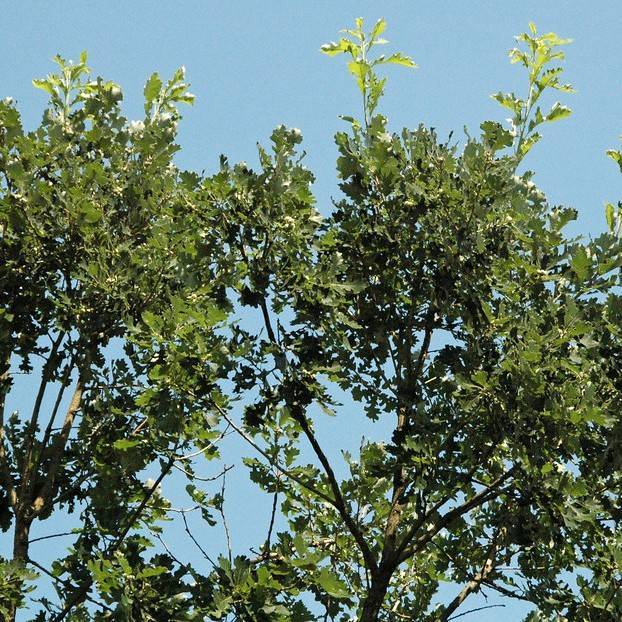
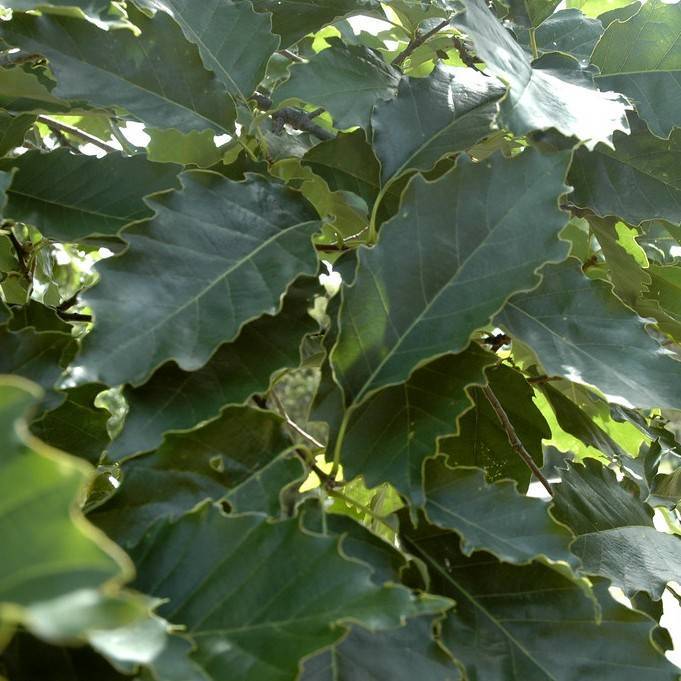
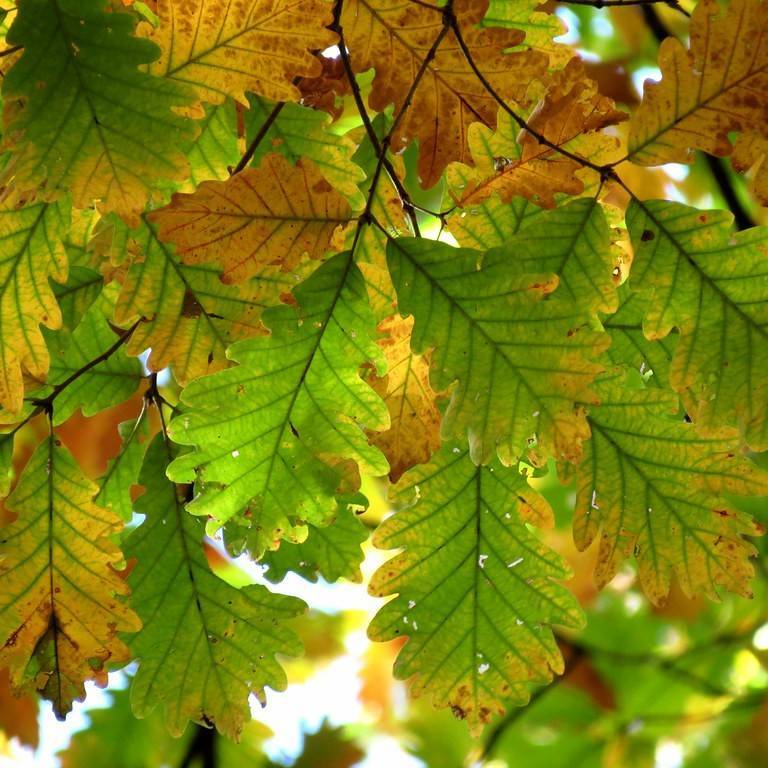
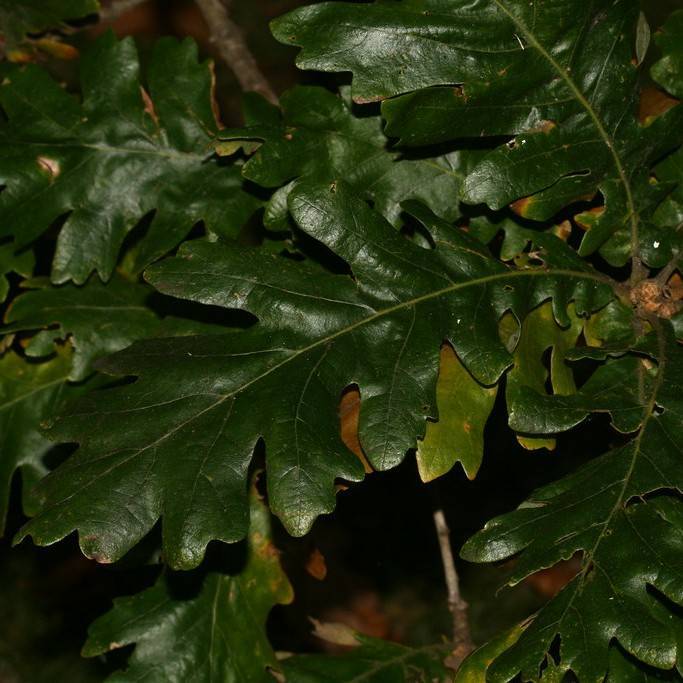
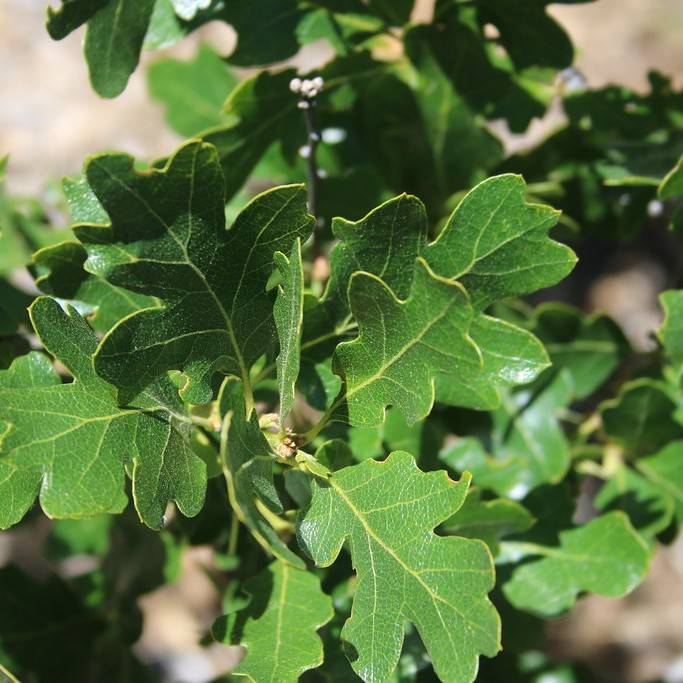
Garry Oak, also called Oregon White Oak, is the only native oak species in British Columbia and a keystone species in Pacific Northwest prairie and woodland ecosystems. Its broad, rounded crown, deeply lobed dark green leaves, and ridged gray bark give it a distinctive, stately appearance, while its acorns provide critical food for wildlife including deer, squirrels, jays, and woodpeckers. Mature specimens are extremely drought-tolerant and well-adapted to the region's dry summers and mild, wet winters, often living for 300 years or more.
Care Guide
Watering
Young Garry Oak trees require regular, deep watering for the first 2-3 years to establish a robust root system, with watering reduced to only extended dry periods once mature. Overwatering, especially in heavy, poorly draining soils, can lead to root rot, so avoid frequent shallow watering and let the top several inches of soil dry out between sessions. Mature, well-established trees typically receive sufficient moisture from seasonal rainfall and require no supplemental watering in most of their native range.
Light
Garry Oak thrives in full, direct sunlight, requiring a minimum of 6 hours of unobstructed sun daily to develop its characteristic broad, healthy canopy. It does not tolerate heavy shade, and saplings planted in shaded locations will grow slowly, develop weak structure, and are far more likely to succumb to pest or disease pressure. When planting, select an open location away from tall, overshadowing structures or trees to ensure the oak receives unfiltered light throughout its lifespan.
Soil
This species adapts to a wide range of soil types, including sandy loam, clay loam, and rocky, shallow soils, as long as the substrate has excellent drainage. It prefers slightly acidic to neutral pH levels between 5.5 and 7.5, and is highly tolerant of low-nutrient, poor-quality soils common in its native prairie and rocky hillside habitats. Avoid heavy, waterlogged soils, as extended saturation will quickly damage the tree's root system and increase risk of fatal fungal infections.
Fertilizer
Garry Oak is adapted to low-nutrient soils and rarely requires fertilization, especially once established, as excess nitrogen can lead to overly rapid, weak growth that is more susceptible to pest infestations and winter damage. If young trees show signs of severe nutrient deficiency, such as stunted growth or uniformly yellowed leaves, apply a balanced, slow-release, low-nitrogen fertilizer in early spring, spreading it evenly over the root zone well away from the trunk. Never fertilize mature, healthy Garry Oaks, as it disrupts their natural growth rhythm and can reduce their natural drought and disease resistance.
Temperature
Garry Oak is hardy to USDA zones 5 through 9, tolerating winter temperatures as low as -20°F (-29°C and summer highs well above 100°F (38°C) once established. It is well-adapted to the Pacific Northwest's characteristic seasonal temperature shifts, including cool, wet winters and hot, dry summers, and requires a period of winter dormancy to thrive. Young saplings may benefit from a light layer of mulch around the base in their first 2-3 winters to insulate shallow roots from extreme cold temperature swings.
Pruning
Prune Garry Oak only during the dormant winter season, ideally between late November and early February, to avoid attracting oak wilt beetles, which spread fatal fungal disease during the active growing season. Remove only dead, diseased, or damaged branches, plus any crossing or rubbing limbs that could create wounds susceptible to infection; avoid heavy pruning, as this species recovers very slowly from overcutting. Never remove more than 10% of the tree's live canopy in a single year, and ensure all pruning cuts are clean and made just outside the branch collar to support fast, healthy healing.
Propagation
Garry Oak is most reliably propagated from fresh, mature acorns collected in autumn, as soon as they drop from the tree, before they dry out. Remove the acorn caps, plant the acorns 1-2 inches deep in well-draining potting mix or directly in their permanent outdoor location, and keep the medium consistently moist through the winter and early spring. Stratification is not required for fresh acorns, but stored acorns will need 30-90 days of cold, moist stratification at 34-41°F (1-5°C) to break dormancy before planting; saplings grow slowly in their first few years, typically reaching only 1-2 feet tall after 3 growing seasons.
Humidity
Garry Oak tolerates a wide range of humidity levels, from the dry, arid conditions of southern Oregon and California to the mild, moist humidity of the Pacific Northwest coast. It has no specific humidity requirements once established, though extended periods of very high humidity combined with poor air circulation can increase risk of foliar fungal diseases like powdery mildew. Ensure planted trees have adequate space for air movement through their canopy to minimize humidity-related disease issues, especially in wetter coastal regions.
Repotting
Garry Oak is a large, deep-rooted tree that is not suitable for long-term container growth, and should be planted in its permanent outdoor location as soon as saplings are 1-2 years old. If temporarily kept in containers, repot young saplings annually in late winter, using a deep, well-draining pot to accommodate their fast-growing taproot, and use a coarse, low-nutrient potting mix designed for woody trees. Once the tree outgrows a 15-gallon container, it must be planted outdoors to avoid root binding, which will permanently stunt growth and lead to early decline.
Uses & Symbolism
Garry Oak is a foundational species in ecological restoration projects across the Pacific Northwest, supporting hundreds of native insect, bird, and mammal species, including several rare and threatened pollinators. Its strong, durable wood is occasionally used for furniture, flooring, and woodworking, while its acorns were a traditional staple food for Indigenous peoples of the region, processed to remove bitter tannins before consumption. It is also planted as a low-maintenance, drought-tolerant shade tree in parks, large landscapes, and native plant gardens, providing year-round visual interest and critical wildlife habitat.
Diseases & Pests
Garry Oak is susceptible to oak wilt, a fatal fungal disease spread by sap-feeding beetles, which causes rapid wilting and defoliation, often killing the tree within a single growing season; avoid pruning during warm months to reduce infection risk. It is also vulnerable to powdery mildew, anthracnose, and root rot in poorly draining, overwatered soils, plus infestations of aphids, oak borers, and gypsy moths, which can defoliate weak or stressed trees. Healthy, well-sited trees have strong natural resistance to most pests and diseases, so proper siting, minimal irrigation, and avoiding unnecessary wounding are the most effective prevention strategies.
Related plants
Other plants you might like if you grow Garry Oak.