Dutch Elm
Ulmus × hollandica
Overview
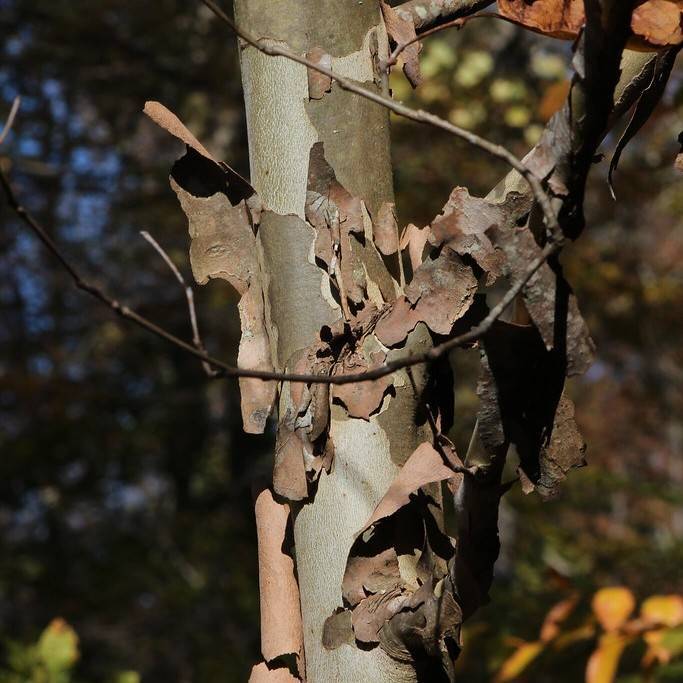
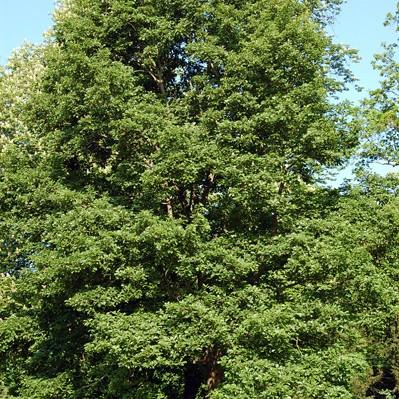
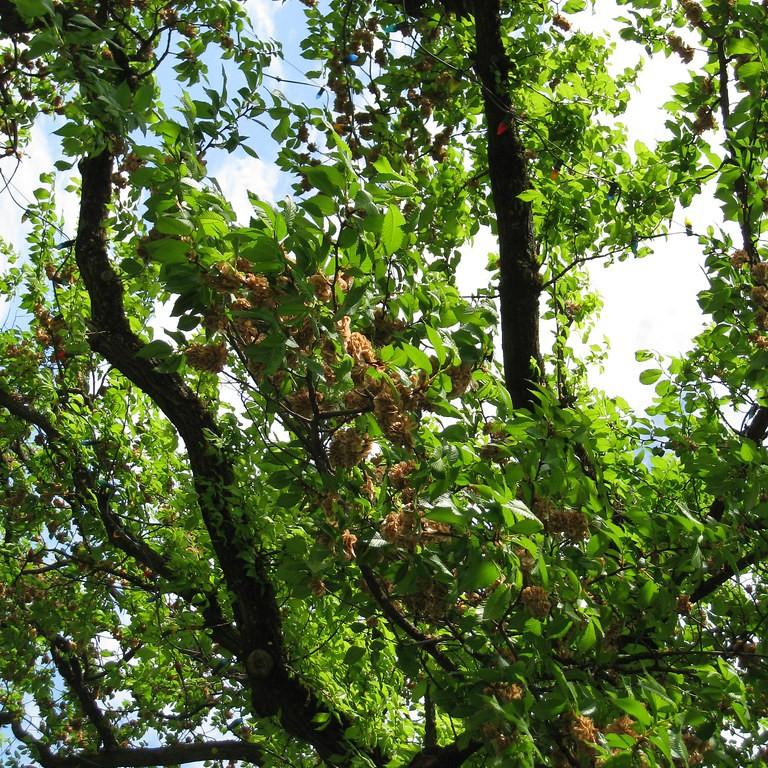
Dutch elm is a naturally occurring hybrid between wych elm (Ulmus glabra) and field elm (Ulmus minor), with many cultivated selections developed for landscape use. It features a broad, vase-shaped crown, dark green serrated oval leaves that turn yellow in fall, and distinctive rough, furrowed gray-brown bark. Mature specimens produce small, wind-pollinated greenish flowers in early spring before leaves emerge, followed by flat, papery winged samaras that disperse by late spring.
Care Guide
Watering
Dutch elms prefer consistently moist, well-drained soil, especially during their first 3 to 5 years of establishment, requiring deep watering every 7 to 10 days during extended dry periods. Mature trees are moderately drought tolerant, though supplemental watering during prolonged hot, dry spells helps reduce stress that increases disease vulnerability. Avoid overwatering or allowing the root zone to sit in standing water, as this can trigger root rot.
Light
This tree thrives in full, direct sunlight, requiring at least 6 hours of unobstructed sun daily to develop a strong, well-formed canopy. It can tolerate very light, dappled shade, but reduced sun exposure leads to sparse foliage, weaker branch structure, and increased susceptibility to pest infestations. Plant in an open location away from tall shading structures or trees for best growth.
Soil
Dutch elms adapt to a wide range of soil types, including loam, sand, clay, and even moderately alkaline or acidic substrates, as long as drainage is adequate. It tolerates occasional soil compaction and moderate salt exposure, making it suitable for urban roadside plantings where conditions are less than ideal. For optimal growth, amend heavy clay or sandy soils with organic matter such as compost at planting time to improve moisture retention and nutrient availability.
Fertilizer
Young, actively growing Dutch elms benefit from a balanced, slow-release 10-10-10 fertilizer applied once annually in early spring before new foliage emerges to support vigorous root and shoot development. Mature, well-established trees typically do not require regular fertilization unless they show signs of nutrient deficiency such as yellowing leaves or stunted growth. Avoid high-nitrogen fertilizers, as they can promote excessive soft new growth that is more vulnerable to pest and disease attack.
Temperature
This hardy tree grows best in USDA hardiness zones 4 through 7, tolerating winter temperatures as low as -30°F (-34°C) and summer highs up to 95°F (35°C) without significant damage. It is well-adapted to temperate climates with distinct seasonal temperature changes, though extended periods of extreme heat above 100°F (38°C) can cause leaf scorch if the tree is drought-stressed. Late spring frosts after new growth has emerged may damage tender new leaves, but the tree will usually produce replacement foliage within a few weeks.
Pruning
Prune Dutch elms only during the dormant winter months, as pruning during spring or summer attracts elm bark beetles, the primary vector for Dutch elm disease. Remove dead, damaged, or crossing branches annually to improve air circulation through the canopy, reduce structural stress, and minimize sites for pest and disease colonization. Always sterilize pruning tools between cuts and between trees to avoid spreading pathogens, and properly dispose of all pruned elm debris by chipping or burning to prevent pest infestations.
Propagation
Dutch elm is most commonly propagated via hardwood cuttings taken from healthy, disease-free mother plants during late winter dormancy, treated with rooting hormone, and planted in a moist, well-drained rooting medium under intermittent mist. Named cultivars are usually grafted onto resistant elm rootstock to ensure consistent growth characteristics and improved disease tolerance. It can also be grown from seed, but hybrid seeds will not grow true to the parent plant, and resulting seedlings often have highly variable growth and disease resistance traits.
Humidity
Dutch elms tolerate a wide range of humidity levels, thriving in the moderate 40-70% relative humidity common to its native temperate European range. It can adapt to lower humidity levels in drier inland regions as long as soil moisture is adequate, though very low humidity combined with high heat may cause leaf edge scorch. It has no special humidity requirements once established, making it adaptable to most temperate climate conditions.
Repotting
Dutch elms are large landscape trees and are not typically grown in containers long-term, though young saplings may be kept in large, heavy pots for 1 to 2 years before permanent outdoor planting. Repot container-grown saplings annually in late winter before new growth begins, using a well-drained loam-based potting mix and moving to a pot only 2 to 3 inches larger than the previous one to avoid overwatering issues. Once the tree reaches 6 to 8 feet tall, it should be transplanted to a permanent outdoor location to accommodate its extensive root system and large mature size.
Uses & Symbolism
Dutch elm has long been a popular landscape and street tree, prized for its broad, dense canopy that provides ample shade, its tolerance of urban pollution and compacted soil, and its attractive vase-shaped growth habit. Historically, its strong, durable, flexible wood was used for furniture, construction, shipbuilding, and water pipes, as it resists rot when continuously submerged. Disease-resistant modern cultivars are still planted in parks, along roadsides, and in large residential landscapes for their aesthetic and ecological value, providing habitat and food for birds and native insect species.
Diseases & Pests
The most devastating threat to Dutch elm is Dutch elm disease, a fungal pathogen spread by elm bark beetles that clogs the tree’s vascular system, causing wilting, yellowing foliage, and rapid death of branches, often killing the entire tree within 1 to 3 years of infection. Common pests include elm leaf beetles, which skeletonize leaves and weaken the tree, and scale insects that suck sap from branches and excrete honeydew that promotes sooty mold growth. It is also susceptible to elm yellows, a phytoplasma disease that causes yellowing, stunted growth, and eventual death, as well as powdery mildew and leaf spot fungi that cause cosmetic foliage damage in wet, humid conditions.
Related plants
Other plants you might like if you grow Dutch Elm.