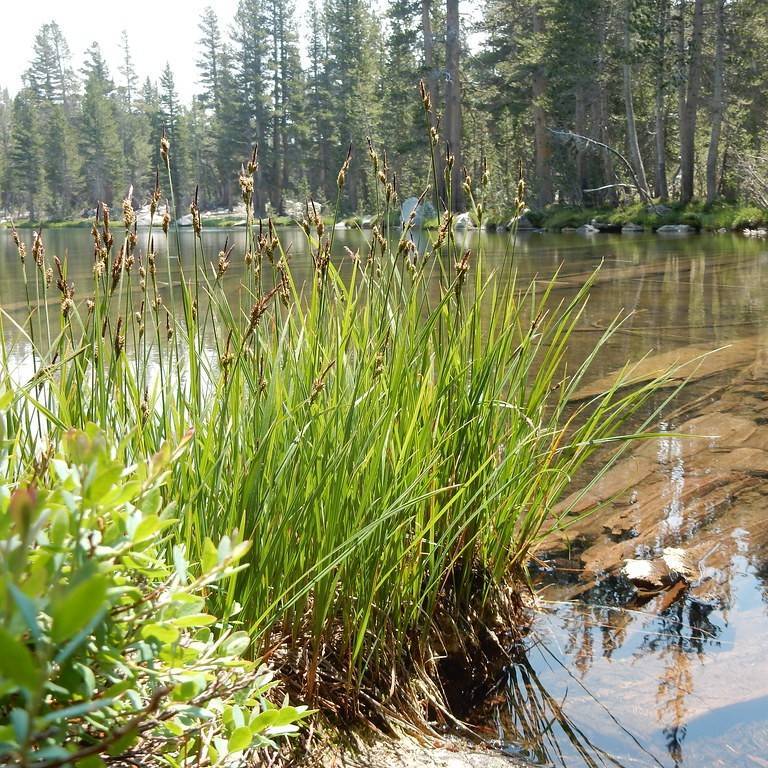
Holm's Rocky Mountain Sedge
Carex scopulorum var. holmii
Overview
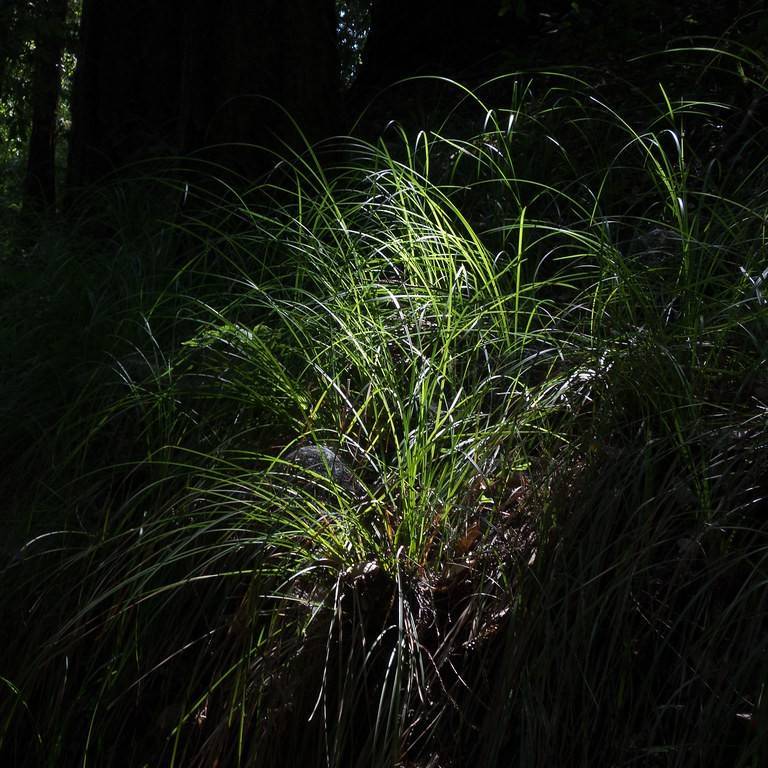
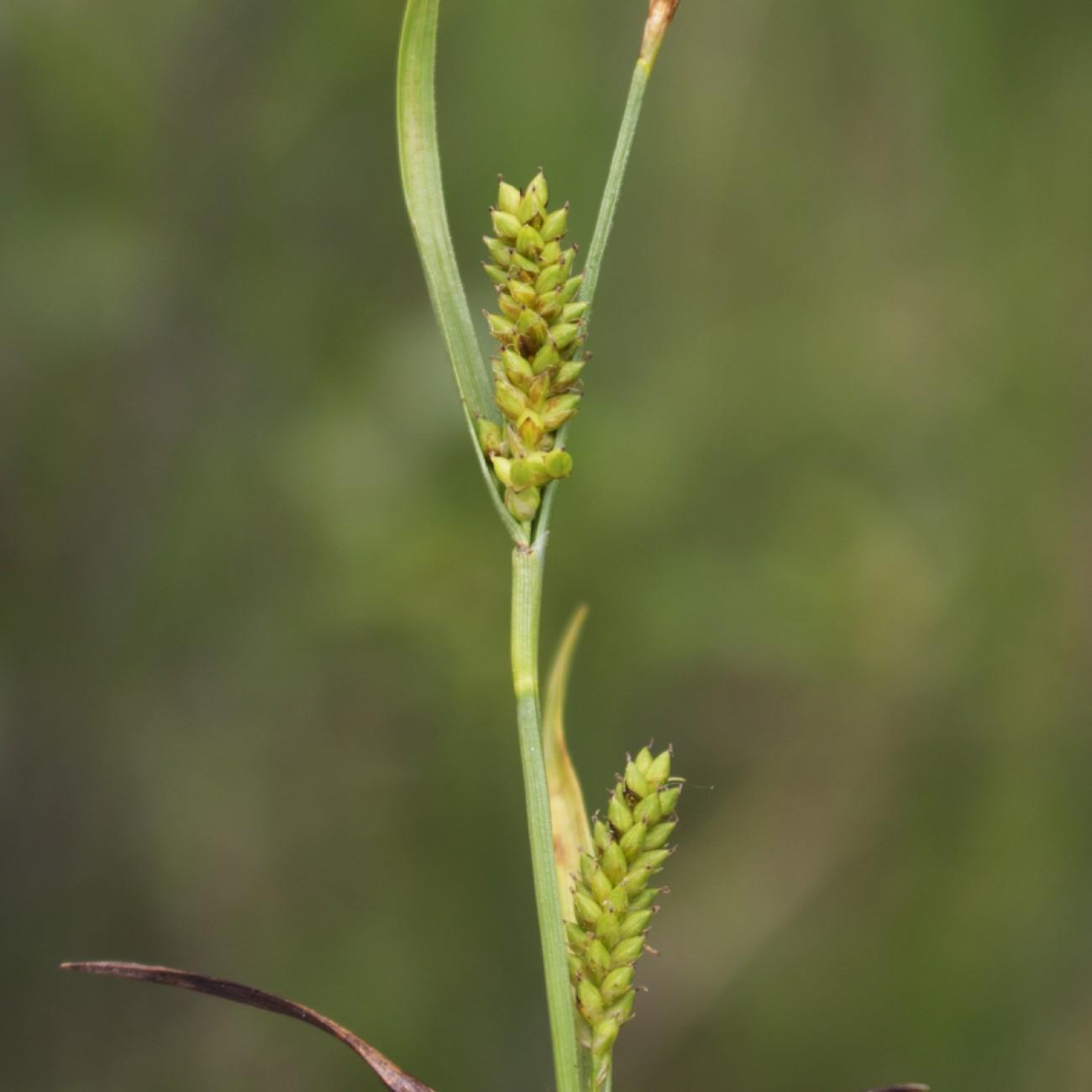
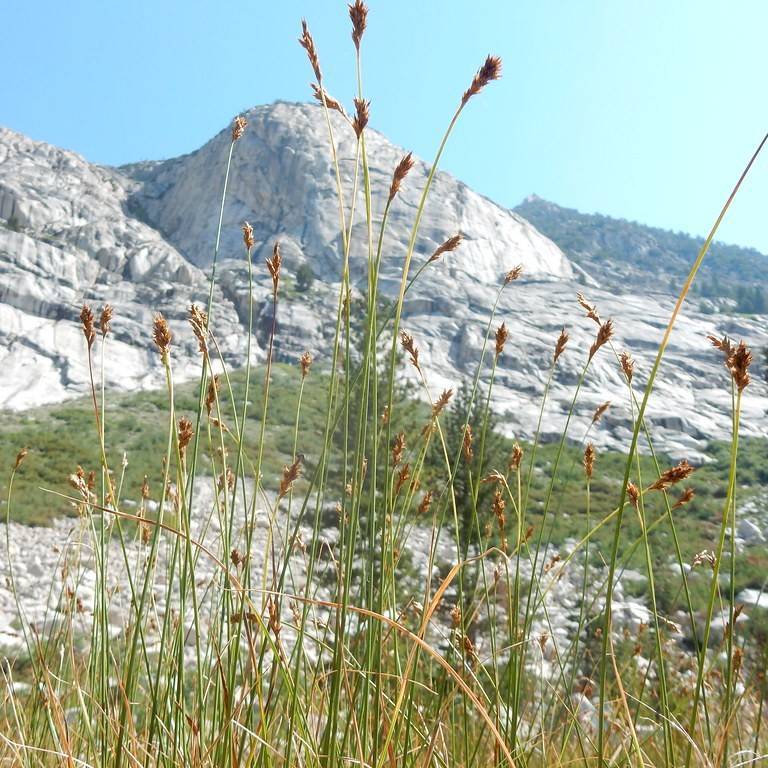
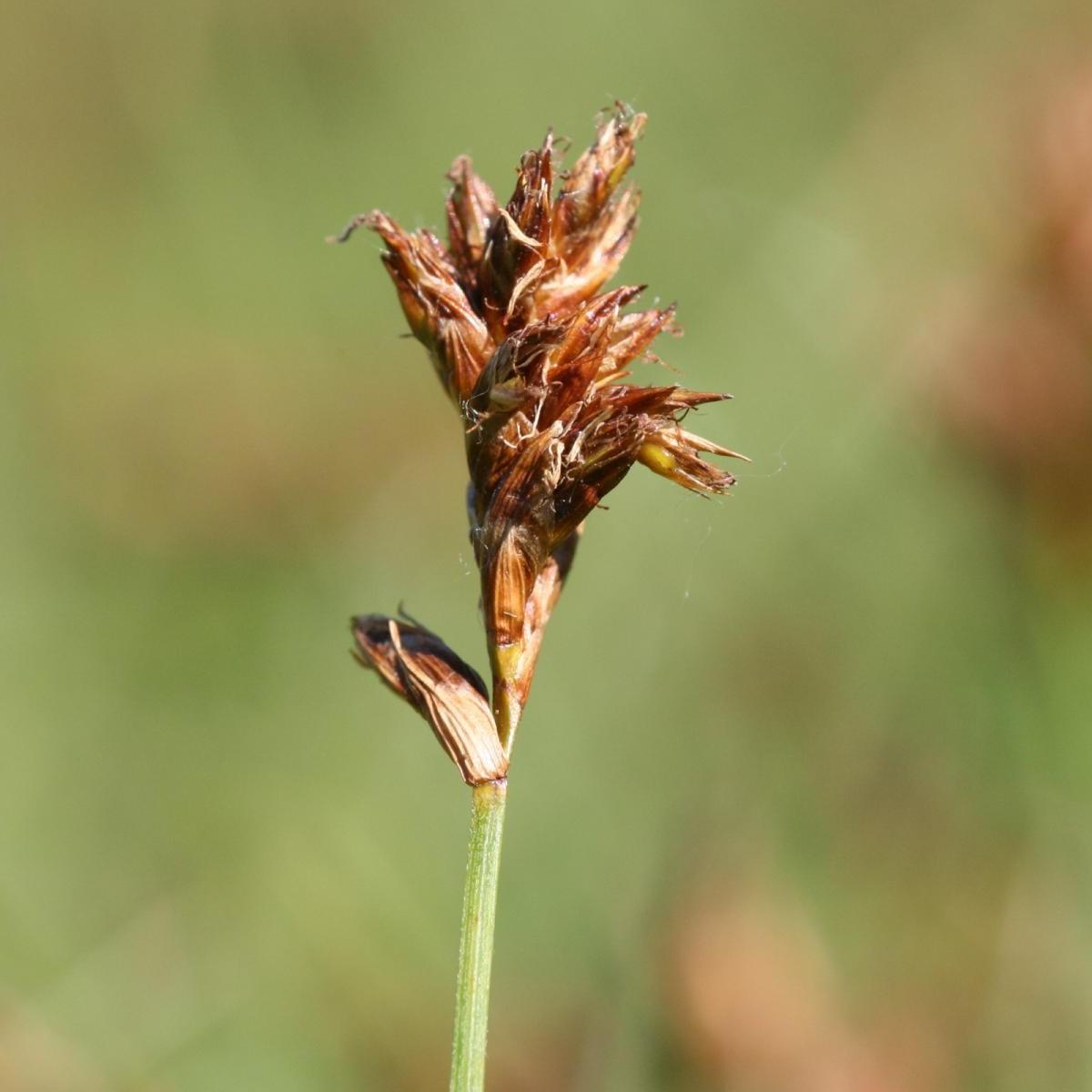
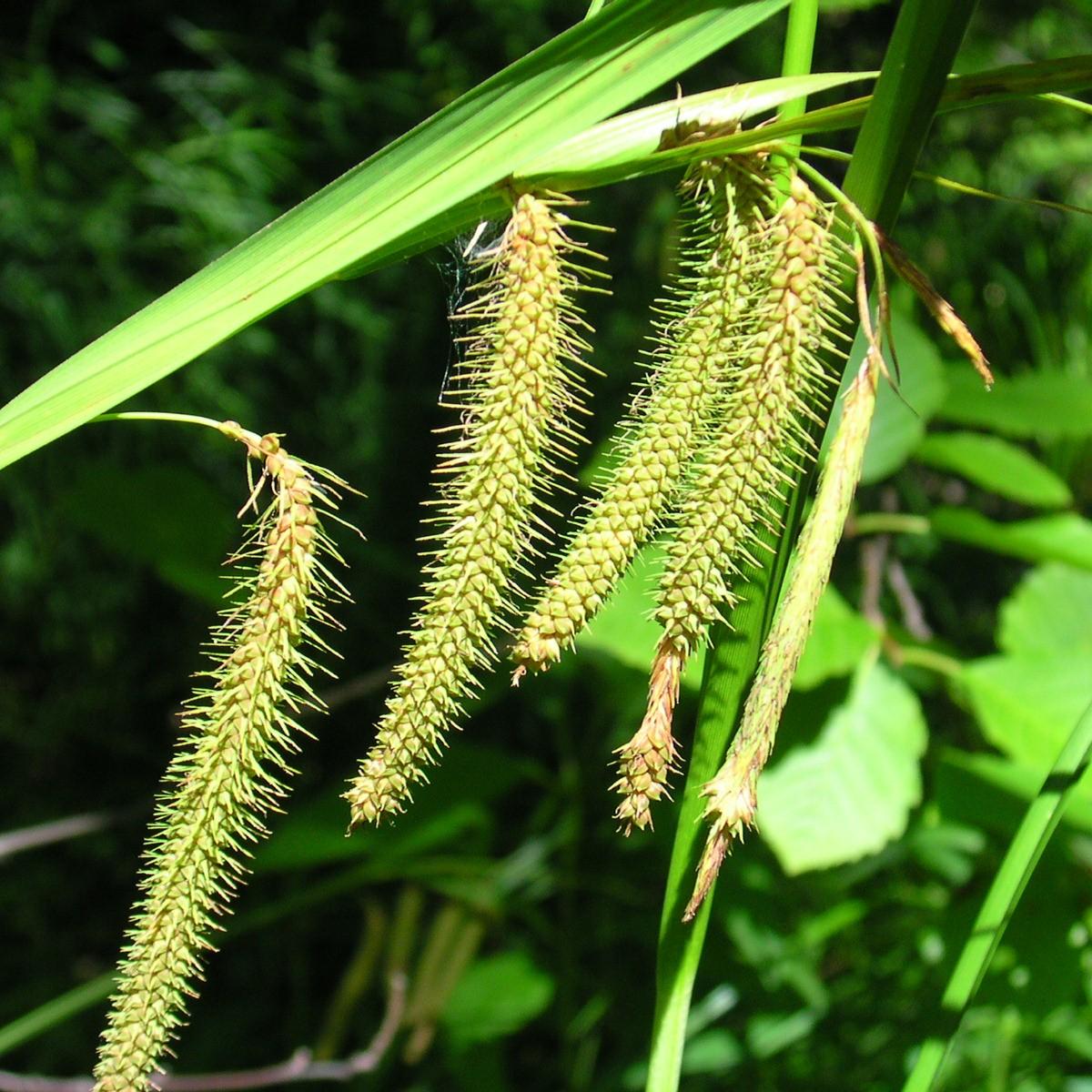
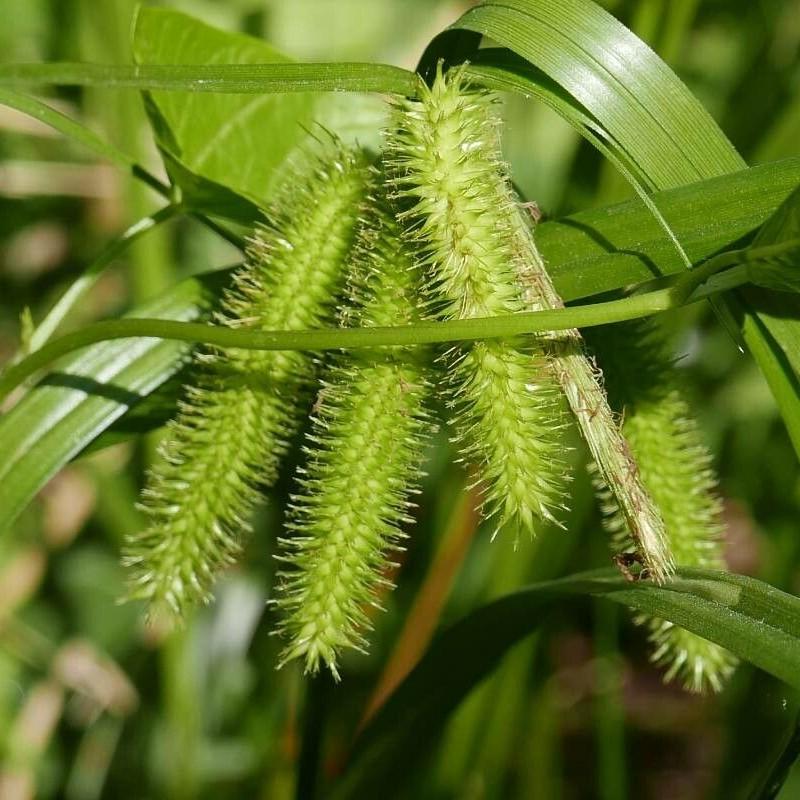
Holm's Rocky Mountain Sedge is a low-growing, rhizomatous perennial sedge that forms dense, mounded clumps of narrow, arching bright green foliage. It is adapted to the cool, moist conditions of high-elevation meadows, stream banks, and subalpine clearings, where it provides important erosion control and habitat for small native pollinators and ground-dwelling wildlife. Unlike many ornamental grasses, it retains its green color well into late fall, adding consistent texture to naturalistic and water-wise landscapes.
Care Guide
Watering
This sedge prefers consistently moist to wet soil, making it well suited for rain gardens, stream edges, or areas with poor drainage. Water regularly to keep soil from drying out completely; it can tolerate short periods of drought once established, but prolonged dryness will cause foliage to brown at the tips. Avoid overwatering in heavy, poorly aerated clay soils to prevent root rot.
Light
It thrives in full sun to partial shade, with best foliage color and clump density achieved in locations that receive at least 4 hours of direct sunlight daily. In hotter, lower-elevation growing regions, provide afternoon shade to prevent leaf scorch and reduce moisture loss. It can tolerate deep shade but will produce sparser, more elongated foliage in low light conditions.
Soil
Holm's Rocky Mountain Sedge adapts to a wide range of soil types, including sandy loam, silt, and heavy clay, as long as moisture is consistent. It prefers slightly acidic to neutral pH levels between 5.5 and 7.2, but can tolerate mildly alkaline conditions as well. It does not require rich, fertile soil, and will grow well in low-nutrient, rocky mountain soils typical of its native range.
Fertilizer
This low-maintenance sedge rarely requires supplemental fertilization, especially when planted in its native mountain habitat or nutrient-average garden soil. If grown in very poor, sandy soil, apply a balanced, slow-release 10-10-10 fertilizer once in early spring at half the recommended rate to support new growth. Avoid over-fertilizing, as this will cause lush, floppy growth that is more susceptible to pest damage.
Temperature
It is extremely cold hardy, tolerating winter temperatures as low as -40°F (-40°C) in USDA hardiness zones 3 through 7. It prefers cool summer temperatures between 50°F and 75°F (10°C and 24°C), and may go semi-dormant during extended periods of heat above 85°F (29°C). Winter dormancy is normal, with foliage dying back to the ground and resprouting reliably in early spring.
Pruning
Prune back dead or brown foliage to the base of the clump in late winter or early spring before new growth emerges to keep the plant looking neat and encourage fresh, vibrant leaf production. Remove any stray seed heads in mid-summer if self-seeding is unwanted, though this plant rarely spreads aggressively in garden settings. No regular shearing is required, as it maintains a compact, mounding form naturally.
Propagation
The easiest method of propagation is division of established clumps in early spring just as new growth begins to appear, or in early fall before the first frost. Dig up the entire clump, separate it into smaller sections with a sharp knife, each containing a portion of the rhizome and healthy foliage, then replant immediately at the same depth as the original plant. It can also be grown from seed sown directly outdoors in fall, as cold stratification over winter is required for germination.
Humidity
It adapts well to average outdoor humidity levels between 40% and 70%, typical of its native mountain habitat. It does not require extra humidity in garden settings, even in drier high-altitude locations, as long as soil moisture is maintained. High humidity combined with poor air circulation can increase the risk of foliar fungal diseases, so space plants appropriately to allow airflow around clumps.
Repotting
When grown in containers, repot every 2 to 3 years in early spring, before new growth starts, to refresh the soil and prevent the rhizomes from becoming root bound. Use a well-draining, loam-based potting mix with added organic matter to retain moisture, and select a pot with drainage holes to prevent standing water at the root zone. Divide overgrown clumps at repotting time to maintain a manageable size and produce new plants.
Uses & Symbolism
Holm's Rocky Mountain Sedge is widely used in native plant landscapes, rain gardens, and erosion control projects along stream banks and sloped sites, where its dense root system holds soil in place and filters runoff. It provides valuable cover and seed food for small native birds, pollinators, and beneficial insects, making it a popular choice for wildlife-friendly gardens in cool, western North American regions. It also works well as a low-maintenance groundcover or edging plant in shaded or moist garden beds, where it offers fine texture contrast to broadleaf perennials.
Diseases & Pests
This sedge is relatively pest and disease resistant, though it can develop foliar rust or leaf spot fungi in conditions of high humidity and poor air circulation, which can be treated with appropriate fungicides and by spacing plants to improve airflow. Aphids and spider mites may occasionally infest stressed plants, especially during hot, dry spells, and can be controlled with insecticidal soap or a strong blast of water. Root rot can occur in poorly drained soil where standing water accumulates around the root zone for extended periods, so ensure planting sites have adequate drainage if not intentionally grown in wetland settings.
Related plants
Other plants you might like if you grow Holm's Rocky Mountain Sedge.