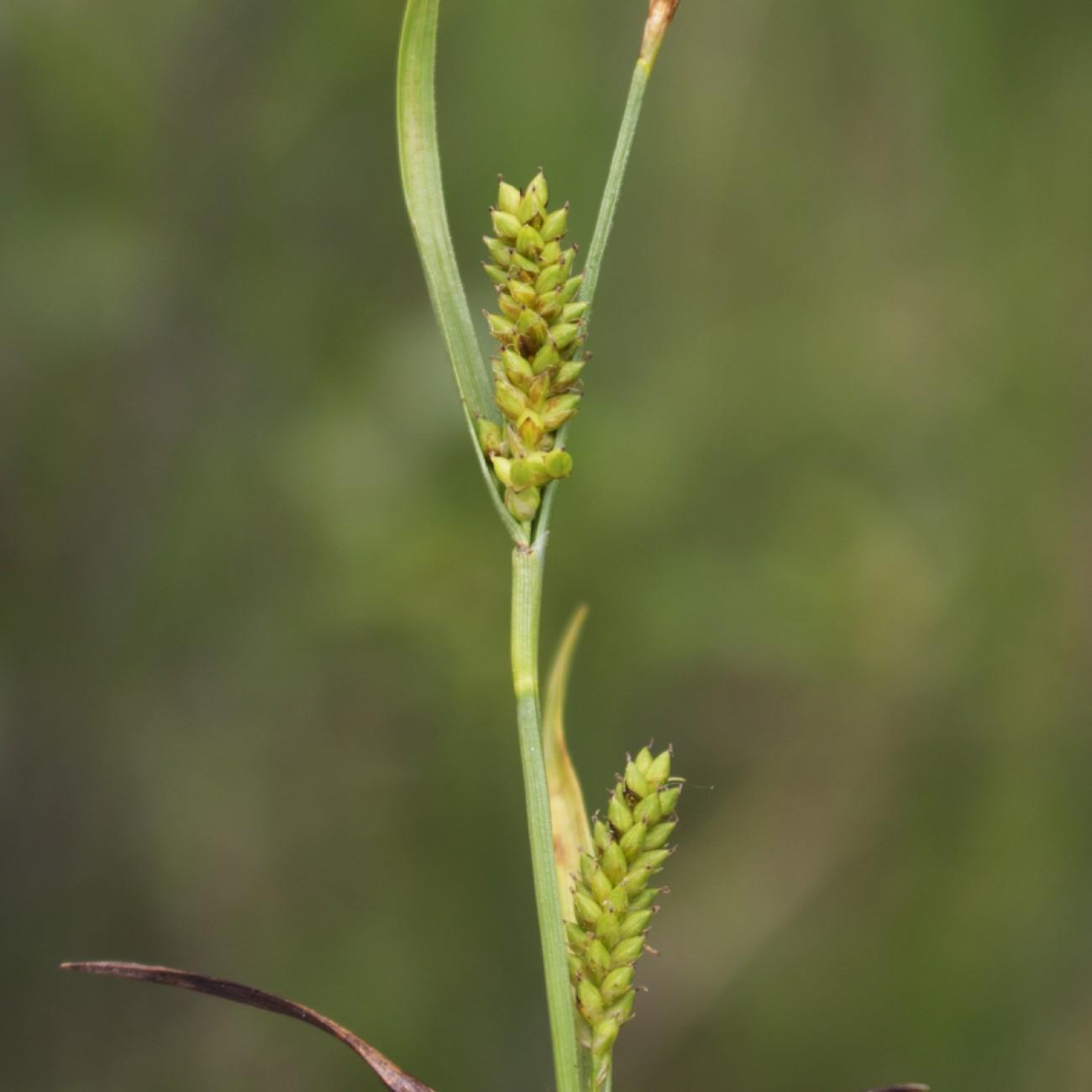
Crawe's Sedge
Carex crawei
Overview
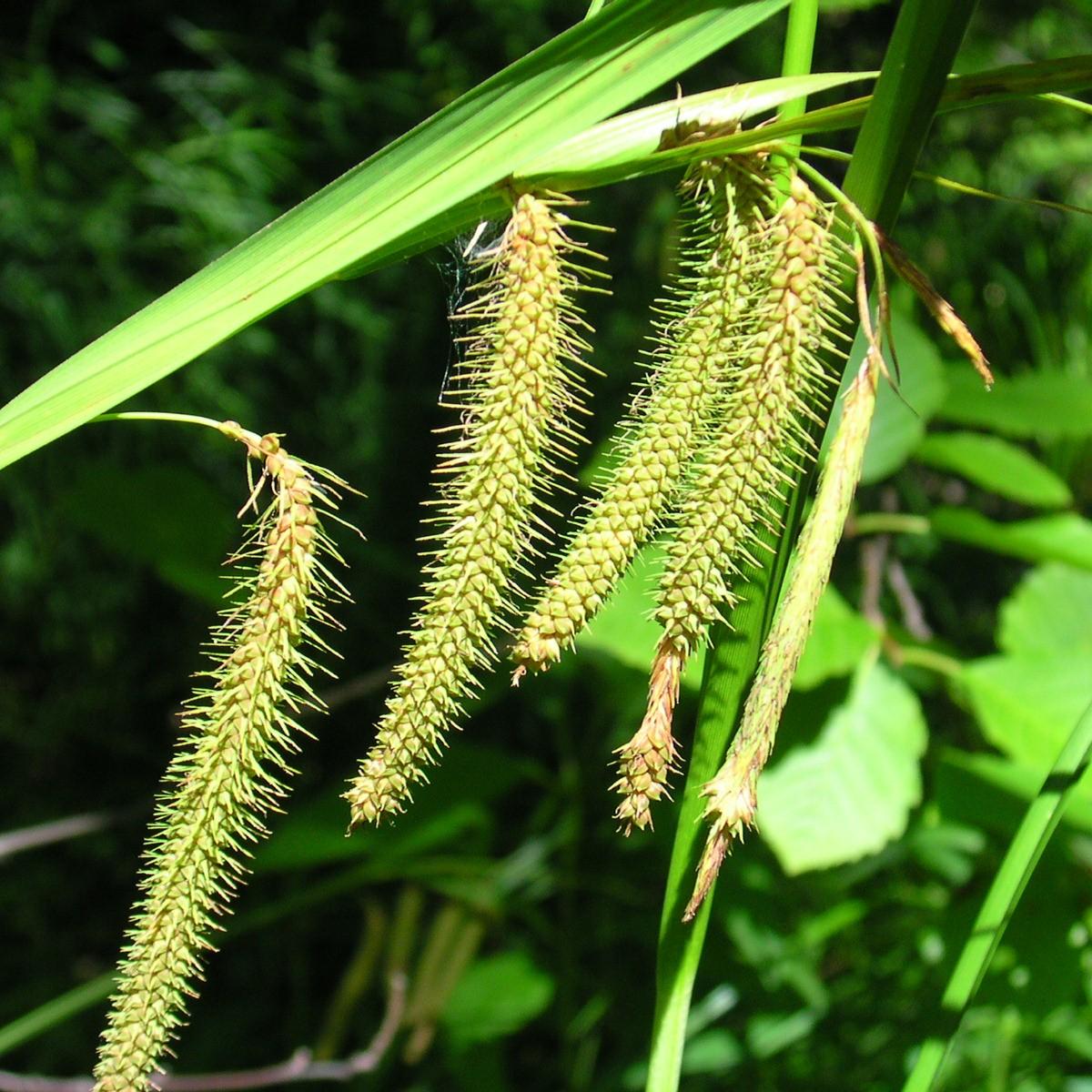
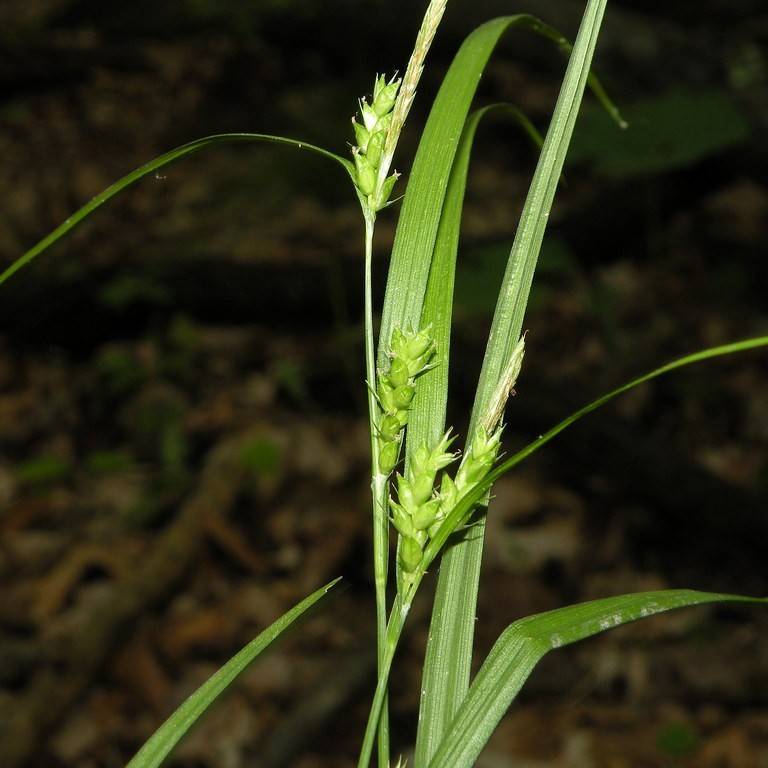
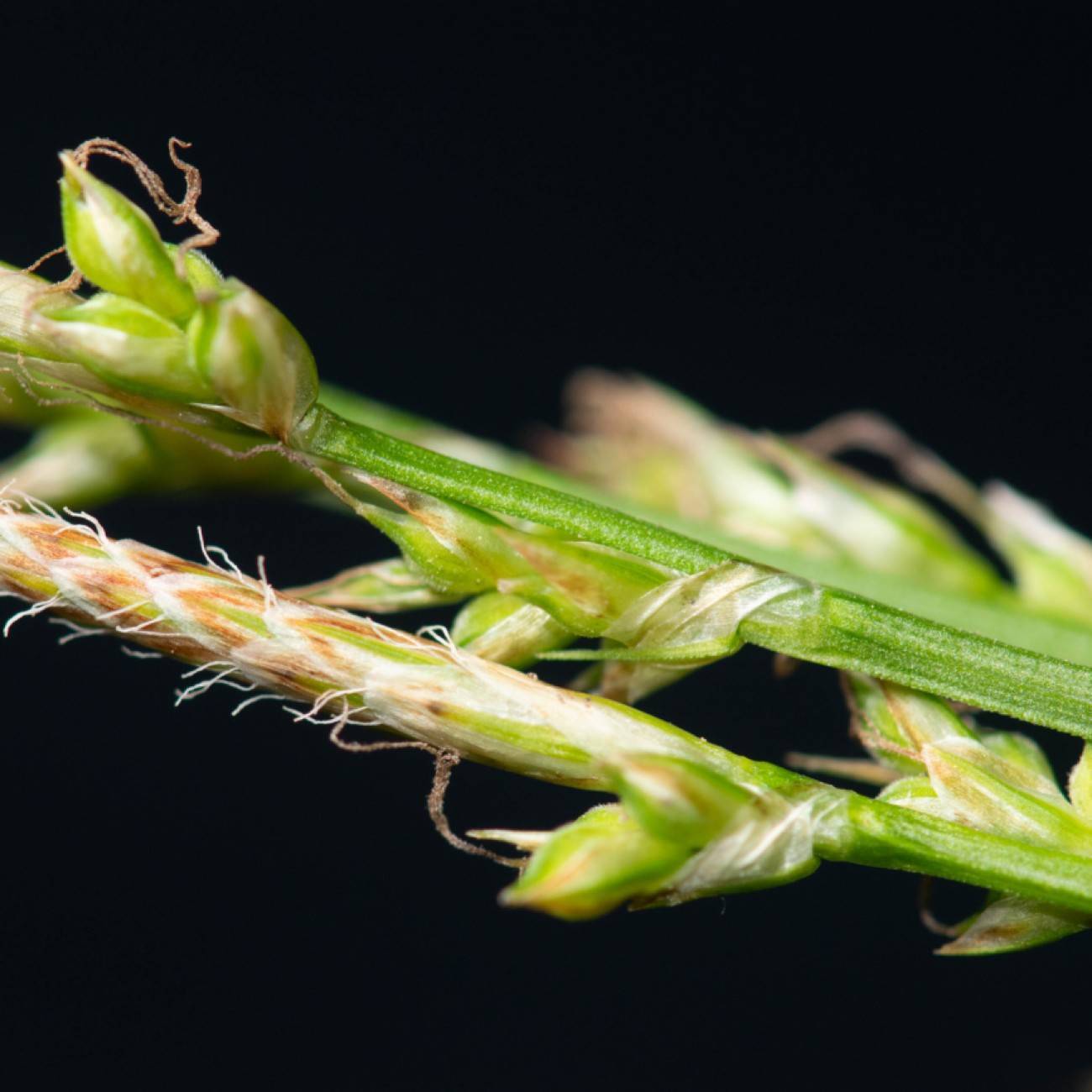
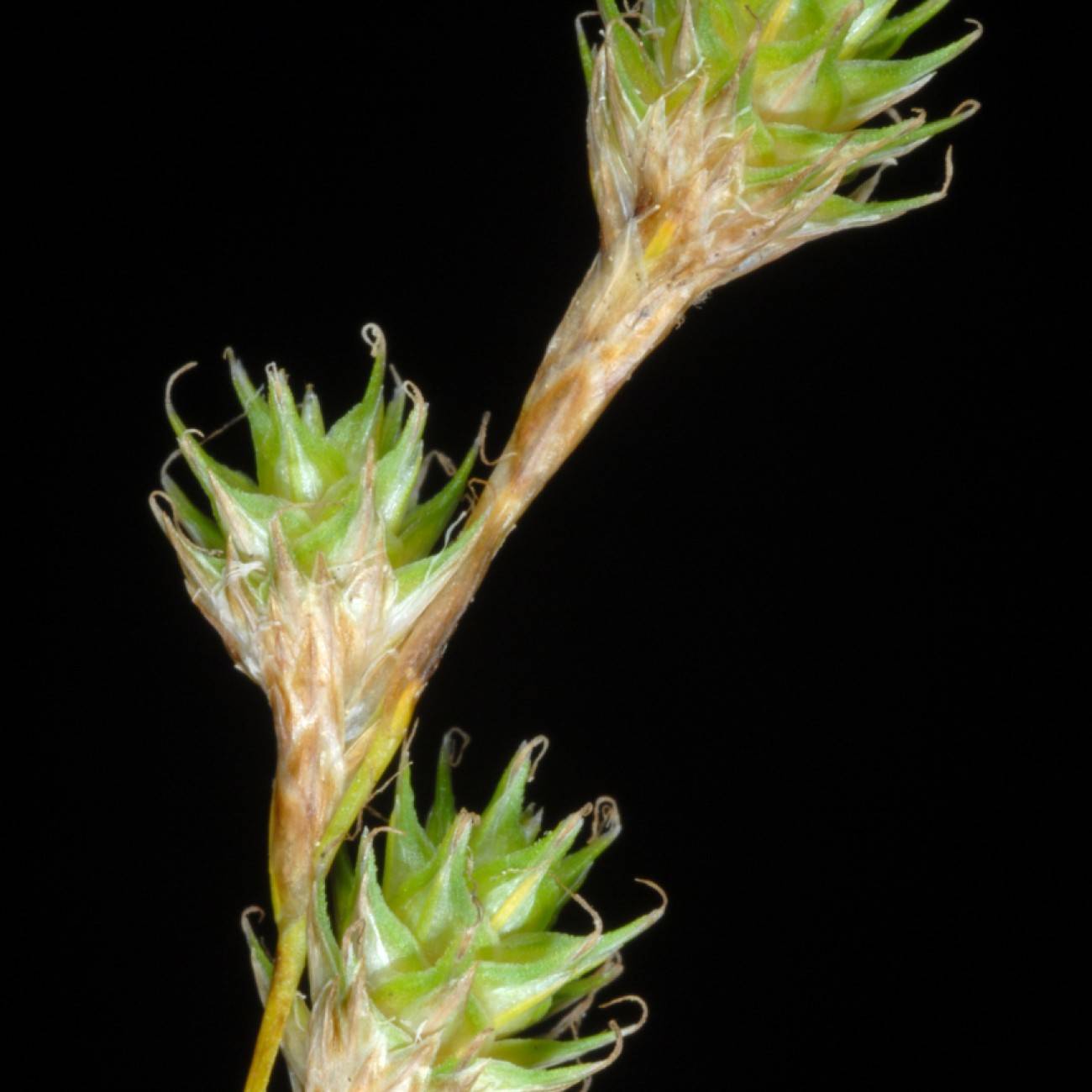
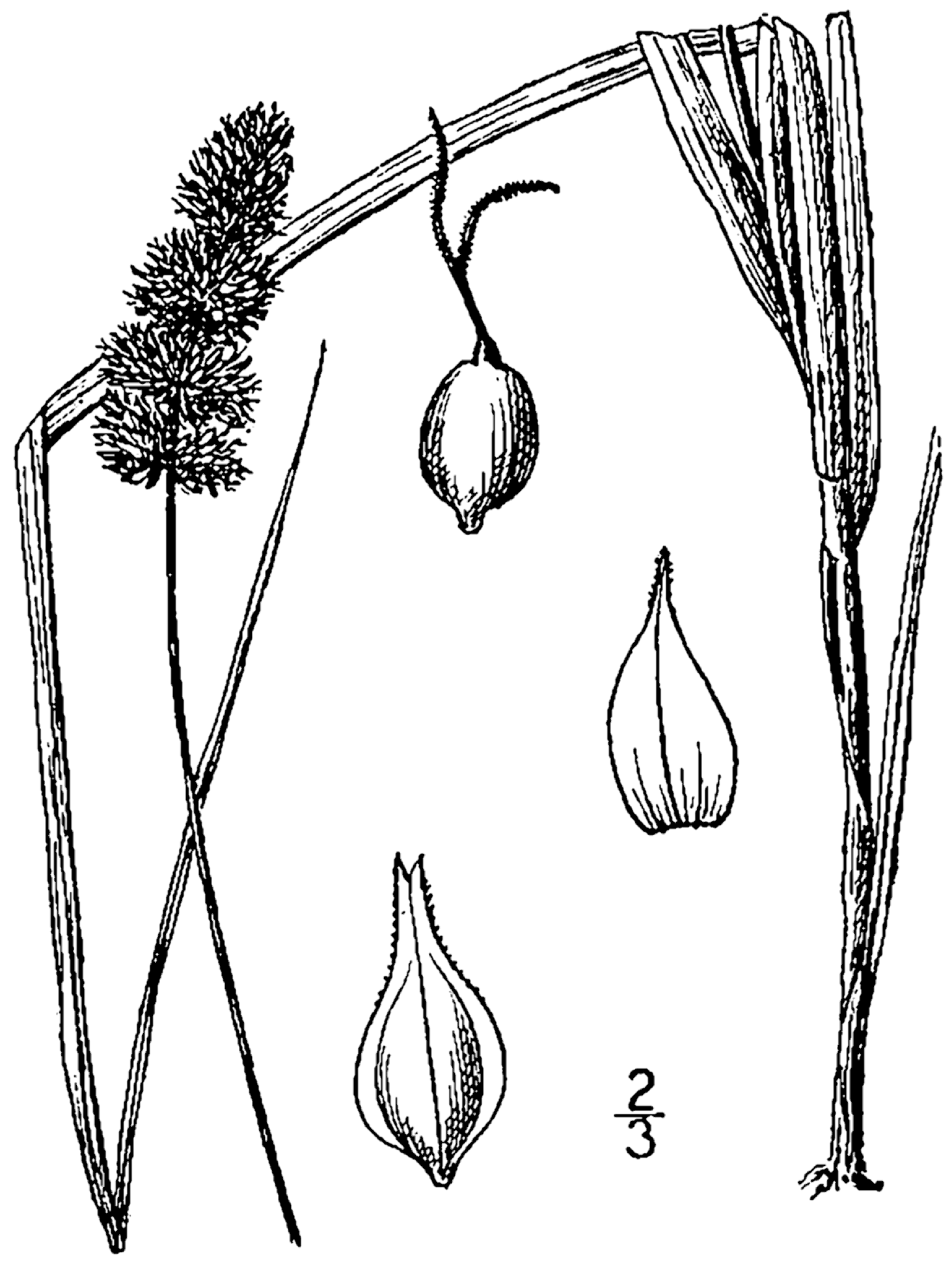
Crawe's Sedge is a cool-season, grass-like perennial that forms dense, tufted clumps of narrow, bright green foliage, well-adapted to moist, sunny habitats. It produces small, inconspicuous brown spikelets in spring, which provide a food source for native pollinators and seed-eating birds. This hardy sedge is often used in rain gardens, wetland restoration projects, and native plant landscapes for its erosion control capabilities and low-maintenance nature.
Care Guide
Watering
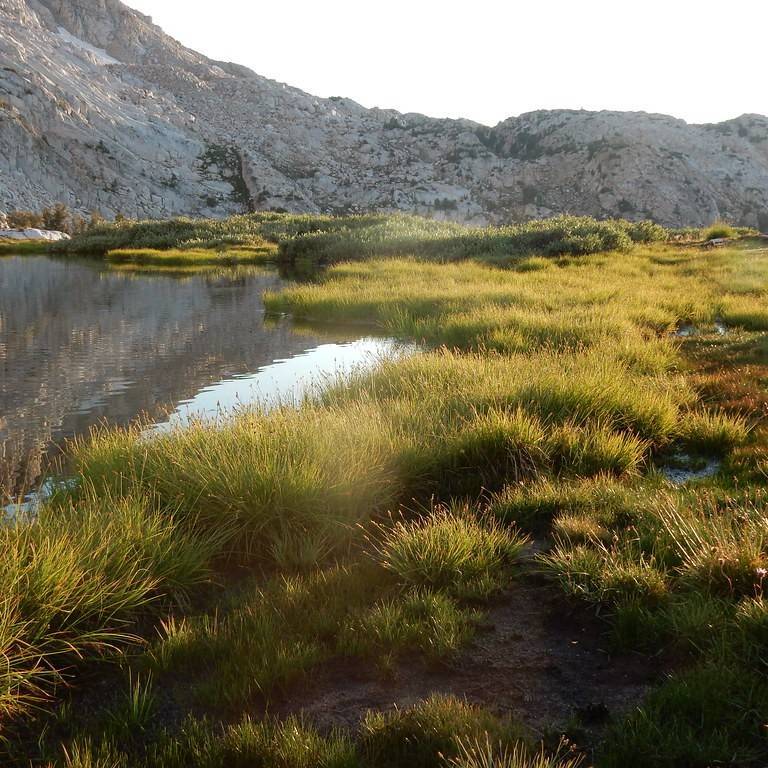
Crawe's Sedge thrives in consistently moist to wet soil, tolerating periodic shallow flooding and short periods of drought once established. Water regularly to keep the root zone saturated, especially during dry spells, to prevent foliage from browning at the tips. Avoid letting the soil dry out completely for extended periods, as this can stunt growth and reduce the plant’s vigor.
Light
This sedge grows best in full sun to partial shade, with the most robust clump formation occurring in locations that receive at least 6 hours of direct sunlight daily. In warmer southern portions of its range, it benefits from light afternoon shade to protect foliage from scorching during intense summer heat. Too much deep shade will cause sparse, leggy growth and reduce flowering.
Soil
Crawe's Sedge prefers acidic to neutral, loamy or sandy soils with high organic matter content, though it adapts to clay soils as long as drainage is not severely restricted. It tolerates saturated, poorly drained soils that are inhospitable to most other ornamental grasses, making it ideal for low-lying, wet areas of the landscape. It can grow in average garden soil if regular moisture is provided.
Fertilizer
This native sedge has very low nutrient requirements, and rarely needs supplemental fertilization when planted in soil with moderate organic content. If grown in poor, sandy soil, apply a slow-release, balanced native plant fertilizer once in early spring at half the recommended rate to support new growth. Avoid over-fertilizing, as this can cause excessive, floppy growth and reduce the plant’s natural hardiness.
Temperature
Crawe's Sedge is extremely cold-hardy, thriving in USDA hardiness zones 3 through 8, tolerating winter temperatures as low as -40°F (-40°C). It is adapted to cool spring and fall growing conditions, and may go semi-dormant during extended periods of extreme summer heat above 90°F (32°C) if moisture is limited. It can withstand light frosts without damage, and its foliage remains evergreen in the milder parts of its range.
Pruning
Pruning needs are minimal for Crawe's Sedge; simply trim back any dead or brown foliage in late winter or early spring before new growth emerges to keep clumps looking tidy. If the plant looks untidy mid-season, you can shear back the entire clump by one-third to encourage fresh, new foliage growth. Avoid pruning in late fall, as standing foliage provides winter shelter for beneficial insects and bird food.
Propagation
Crawe's Sedge is most easily propagated by division in early spring before new growth starts, or in fall after flowering has finished; simply dig up mature clumps, split them into smaller sections with intact roots, and replant immediately at the same depth. It can also be grown from seed, which requires a 60-day period of cold stratification to break dormancy before sowing in moist, well-drained seed starting mix. Seed-grown plants typically take 2 to 3 years to reach mature flowering size.
Humidity
This wetland native tolerates high humidity levels common in its native range, and does not require any special humidity adjustments when grown in appropriate outdoor conditions. It can withstand moderate low humidity for short periods, as long as soil moisture remains consistent. Indoor cultivation is rare, but if grown in containers indoors, average household humidity levels are sufficient as long as watering is regular.
Repotting
When grown in containers, repot Crawe's Sedge every 2 to 3 years in early spring, moving it to a slightly larger pot with fresh, moisture-retentive potting mix mixed with compost to support healthy growth. Ensure the container has drainage holes to prevent waterlogging, though the plant tolerates consistently moist potting medium well. If clumps become overcrowded, divide them during repotting to maintain plant vigor.
Uses & Symbolism
Crawe's Sedge is widely used in native plant landscaping, rain gardens, bioswales, and wetland restoration projects to control erosion, filter stormwater runoff, and provide habitat for native wildlife. Its fine, arching foliage makes it an attractive low groundcover for moist, sunny areas, and it pairs well with other native wetland plants such as iris, cardinal flower, and swamp milkweed. The seed heads provide food for small songbirds and waterfowl, while the foliage serves as a host plant for several species of native skipper butterflies.
Diseases & Pests
Crawe's Sedge is highly resistant to most common pests and diseases, with few significant issues when grown in its preferred moist, well-lit conditions. Overly dry soil or excessive heat can cause foliage tip burn, while prolonged standing water in poorly aerated heavy clay soil may lead to root rot in rare cases. Occasional aphids or spider mites may infest stressed plants, but these can be controlled with a strong spray of water or insecticidal soap if populations become problematic.
Related plants
Other plants you might like if you grow Crawe's Sedge.