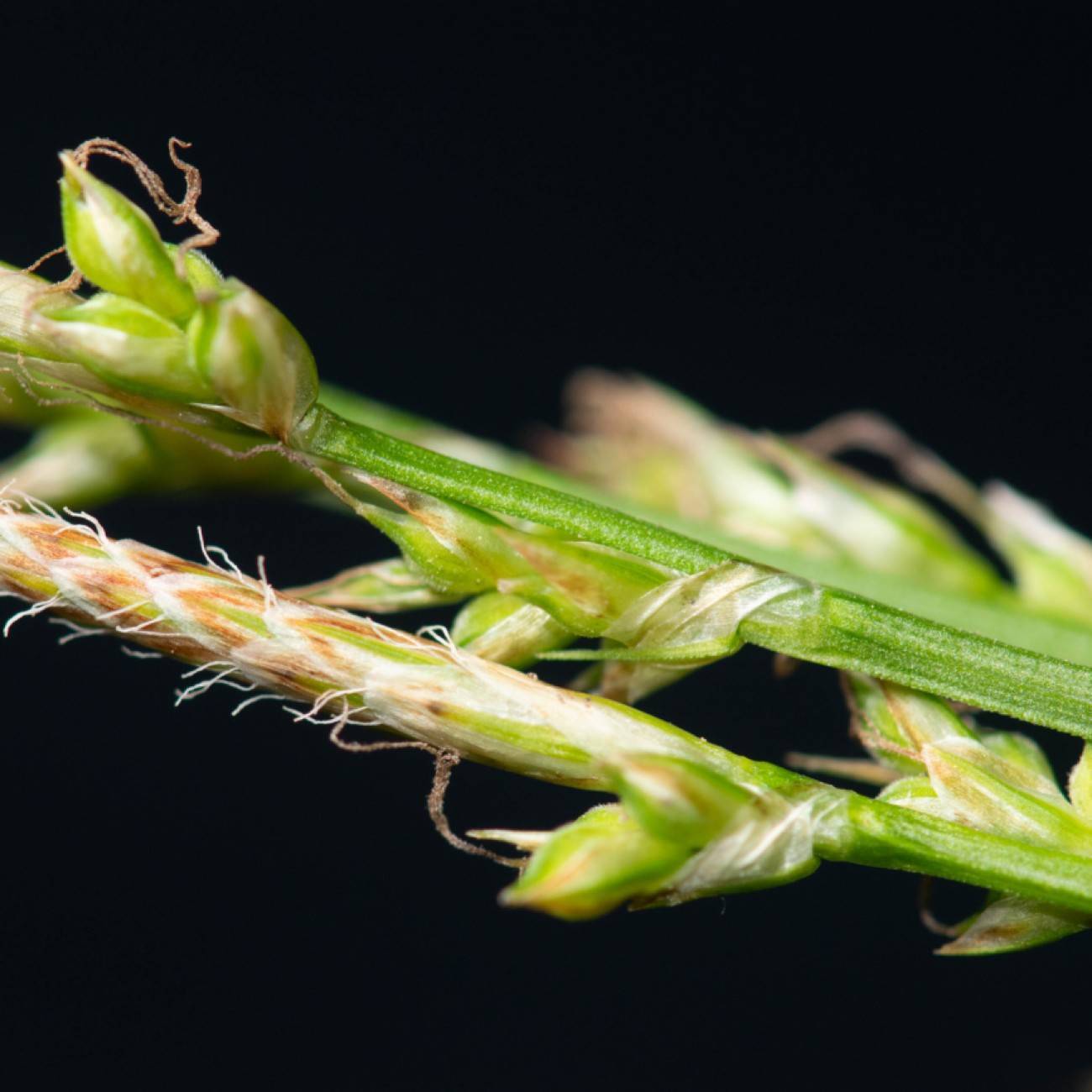
Fibrous Root Sedge
Carex communis
Overview
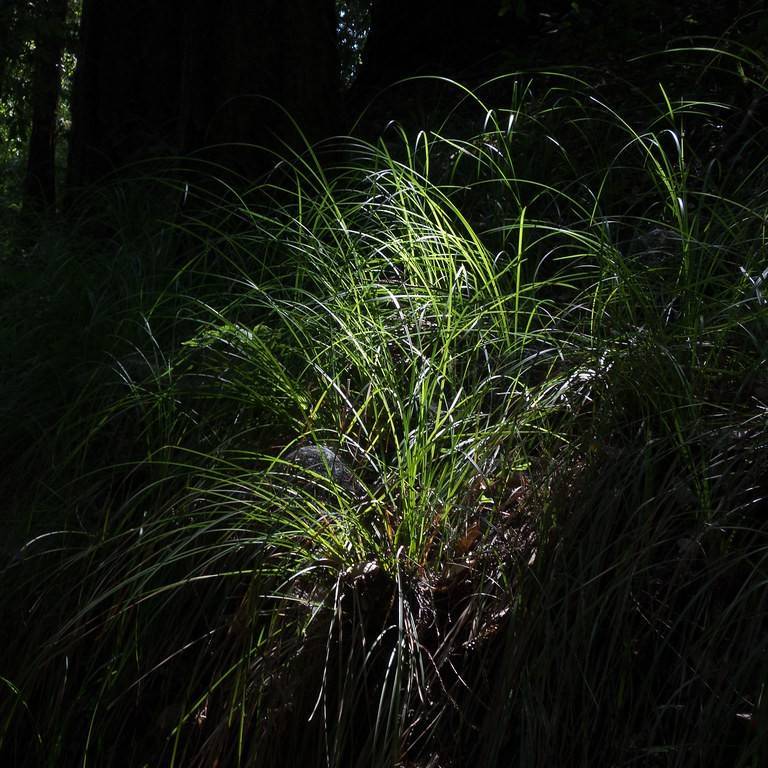
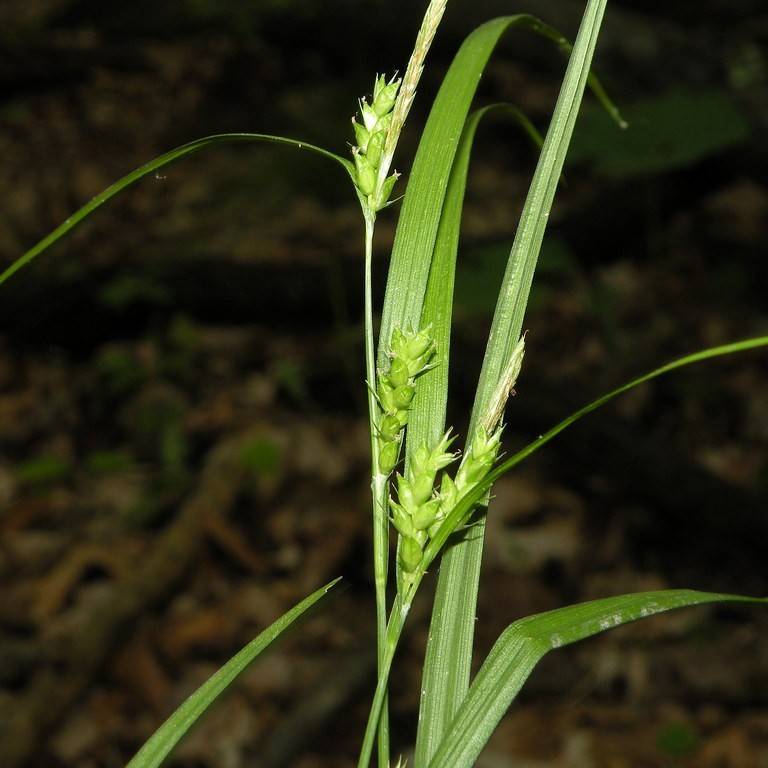
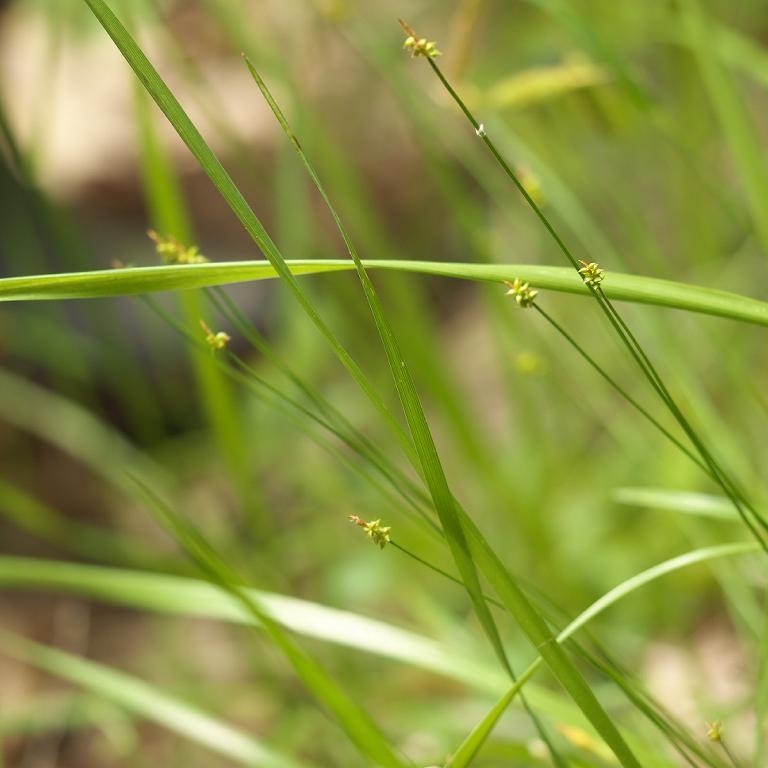
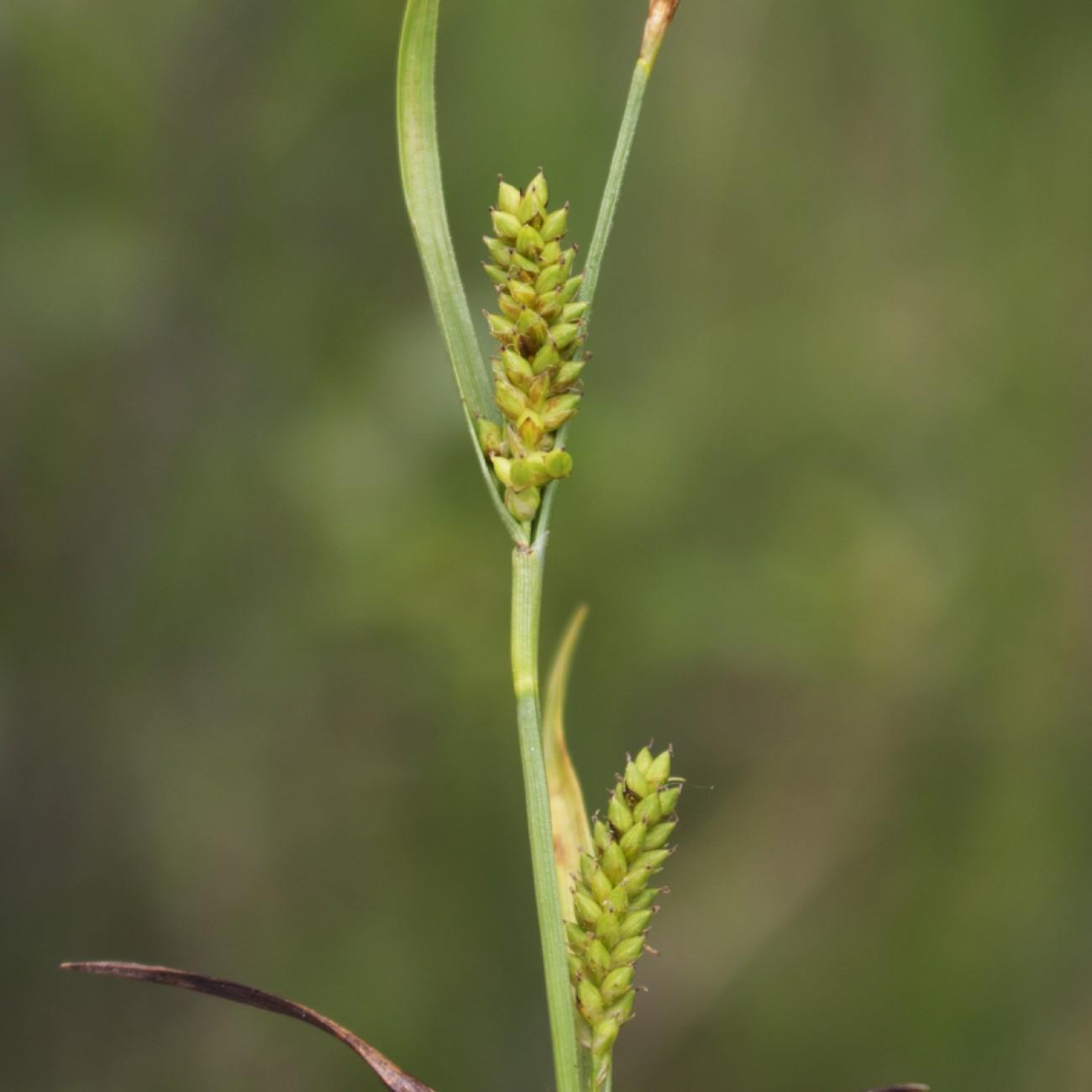
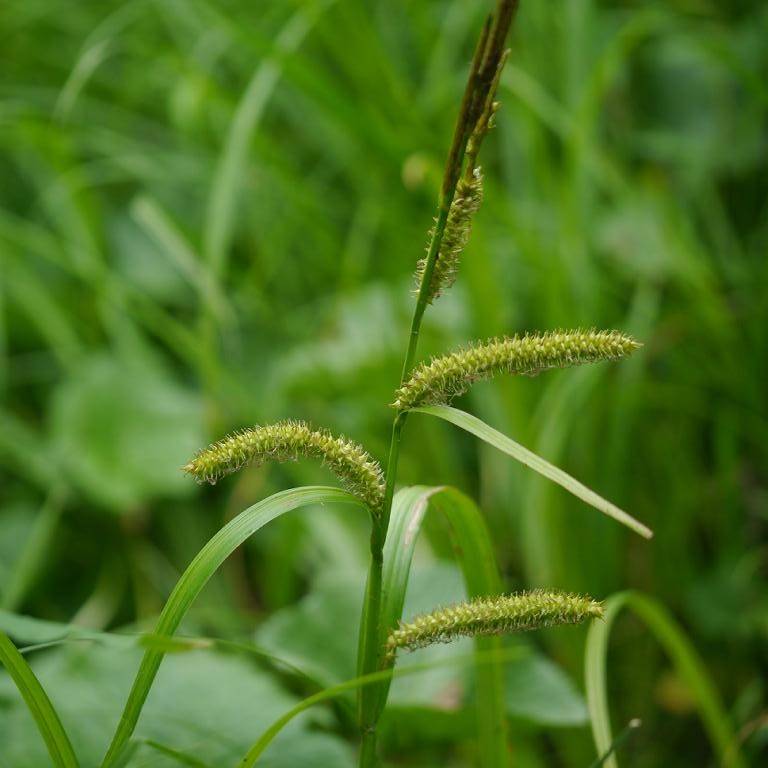
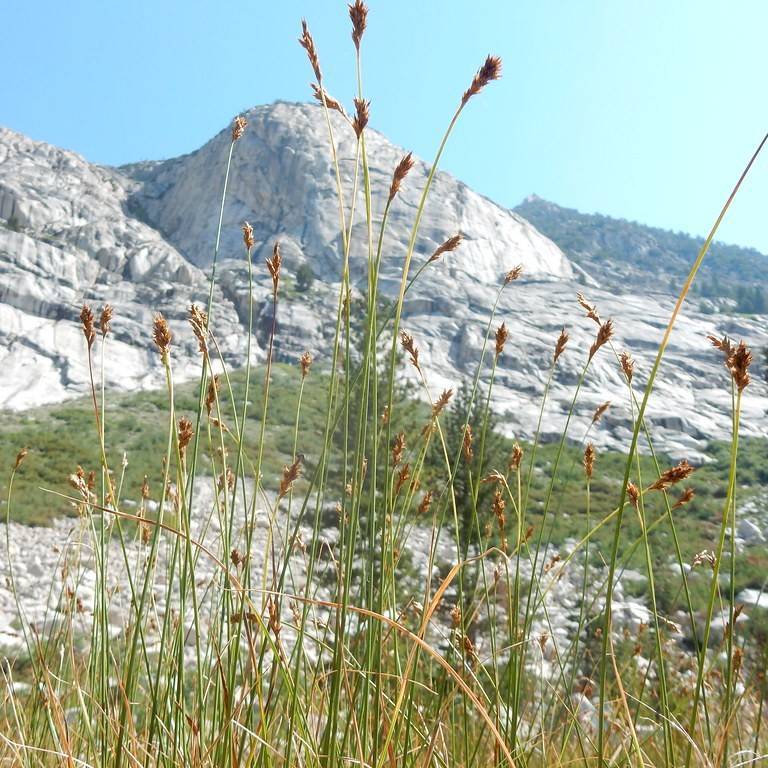
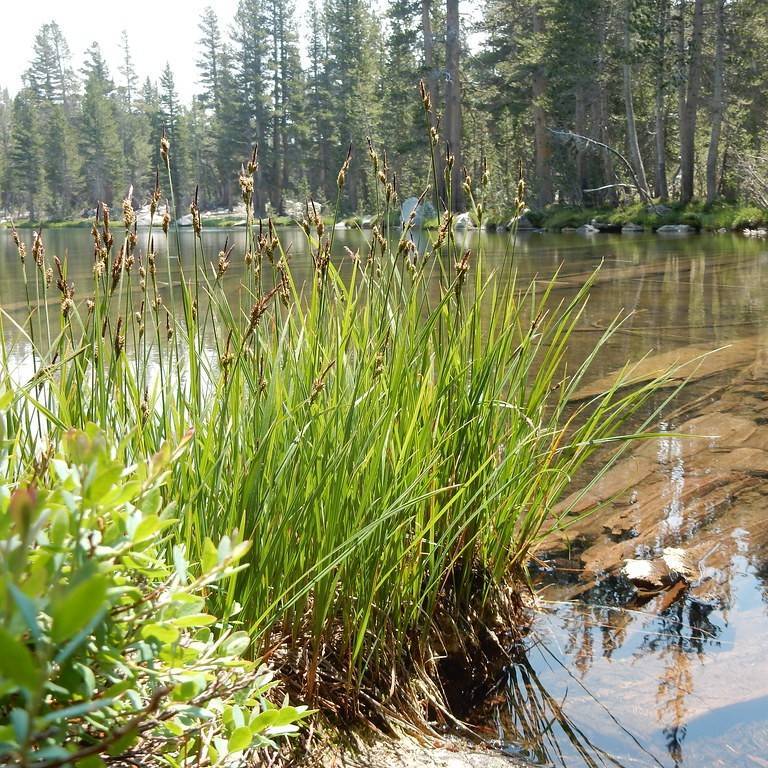
Carex communis, commonly called fibrous root sedge, is a herbaceous perennial in the sedge family, distinguishable by its dense, fibrous root system and fine, arching green foliage that forms loose clumps. It is naturally found in dry to mesic woodlands, prairies, and rocky slopes across its native range, where it forms low groundcover and stabilizes soil. The plant produces small, inconspicuous brown spikelets in late spring, which are wind-pollinated and provide a food source for small wildlife.
Care Guide
Watering
Fibrous root sedge has moderate water needs, thriving in consistently moist but well-drained soil; it is drought-tolerant once established, requiring only occasional deep watering during prolonged dry periods. Avoid overwatering or waterlogged conditions, as this can cause root rot, especially in poorly draining soils. In garden settings, water when the top 1-2 inches of soil feels dry to the touch.
Light
This sedge adapts well to partial to full shade, making it ideal for woodland gardens and shaded landscape spots; it can also tolerate full sun if provided with consistent moisture. Too much direct, intense sun in hot climates may scorch the foliage, so dappled light or morning sun with afternoon shade is optimal for lush growth. It will grow in deep shade, though foliage may be slightly sparser than in brighter shaded positions.
Soil
Fibrous root sedge prefers neutral to slightly acidic, loamy or sandy soil that is well-drained, though it is adaptable to a wide range of soil types including rocky or clay soils as long as drainage is adequate. It can tolerate both dry and moderately moist soil conditions, making it versatile for varied landscape sites. Amend heavy clay soils with compost or leaf mold to improve drainage before planting for best results.
Fertilizer
This native sedge has low fertilizer needs, generally thriving without supplemental feeding when planted in average garden soil with some organic content. If growth is sparse or foliage appears pale, apply a balanced, slow-release granular fertilizer in early spring at half the recommended rate for ornamental plants. Avoid over-fertilizing, as this can cause overly lush growth that is prone to flopping and attracts unwanted pests.
Temperature
Fibrous root sedge is cold hardy in USDA zones 3 to 8, tolerating winter temperatures as low as -40°F (-40°C) without extra protection. It adapts to a wide range of summer temperatures, though it may go partially dormant during extended periods of extreme heat and drought, regrowing foliage once conditions improve. In the warmest parts of its range, provide extra shade to prevent heat stress and foliage scorch.
Pruning
Prune fibrous root sedge in late winter or early spring before new growth emerges, cutting back old, dead foliage to within a few inches of the ground to make way for fresh, green leaves. Remove any yellowed or damaged foliage throughout the growing season as needed to keep the clump looking tidy. This sedge does not require frequent trimming, as it maintains a neat clumping habit without spreading aggressively.
Propagation
Fibrous root sedge is most easily propagated by division in early spring or fall, when the plant is not actively growing; dig up mature clumps, separate them into smaller sections with healthy roots and foliage, and replant immediately at the same depth as the original plant. It can also be grown from seed, which should be sown directly outdoors in fall to allow for natural cold stratification, or stratified in a refrigerator for 60-90 days before spring sowing. Seed-grown plants typically take 2-3 years to reach mature size.
Humidity
This sedge adapts well to the average humidity levels of its native North American range, tolerating both moderately dry and moderately humid conditions without extra care. It does not require misting or supplemental humidity, even when grown in drier upland sites. Extreme, prolonged low humidity may cause leaf tip browning, but this is rare in outdoor garden settings.
Repotting
When grown in containers, repot fibrous root sedge every 2-3 years in early spring, moving it to a pot one size larger if roots have filled the current container and are emerging from drainage holes. Use a well-draining potting mix amended with compost or leaf mold to mimic its native woodland soil conditions. Ensure the pot has adequate drainage holes to prevent waterlogging, and plant at the same depth as it was in its previous container.
Uses & Symbolism
Fibrous root sedge is widely used in native landscaping, shaded gardens, and rain gardens as a low-maintenance groundcover, and its dense fibrous root system helps stabilize soil on slopes and prevent erosion. It provides habitat and food for native wildlife, including caterpillars of several skipper species, small birds that feed on its seeds, and small mammals that use its foliage for cover. It is also a suitable native alternative to non-native ornamental grasses for low-input, wildlife-friendly garden designs.
Diseases & Pests
Fibrous root sedge is relatively pest and disease resistant, with few serious issues when grown in suitable conditions; overwatering or poorly draining soil can lead to root rot and fungal leaf spots. Occasional pests include aphids and spider mites, which can be controlled with a strong spray of water or insecticidal soap if infestations become severe. In overly wet, humid conditions, powdery mildew may appear on foliage, which can be prevented by ensuring adequate air circulation between plants.
Related plants
Other plants you might like if you grow Fibrous Root Sedge.