Henderson's Sedge
Carex hendersonii
Overview
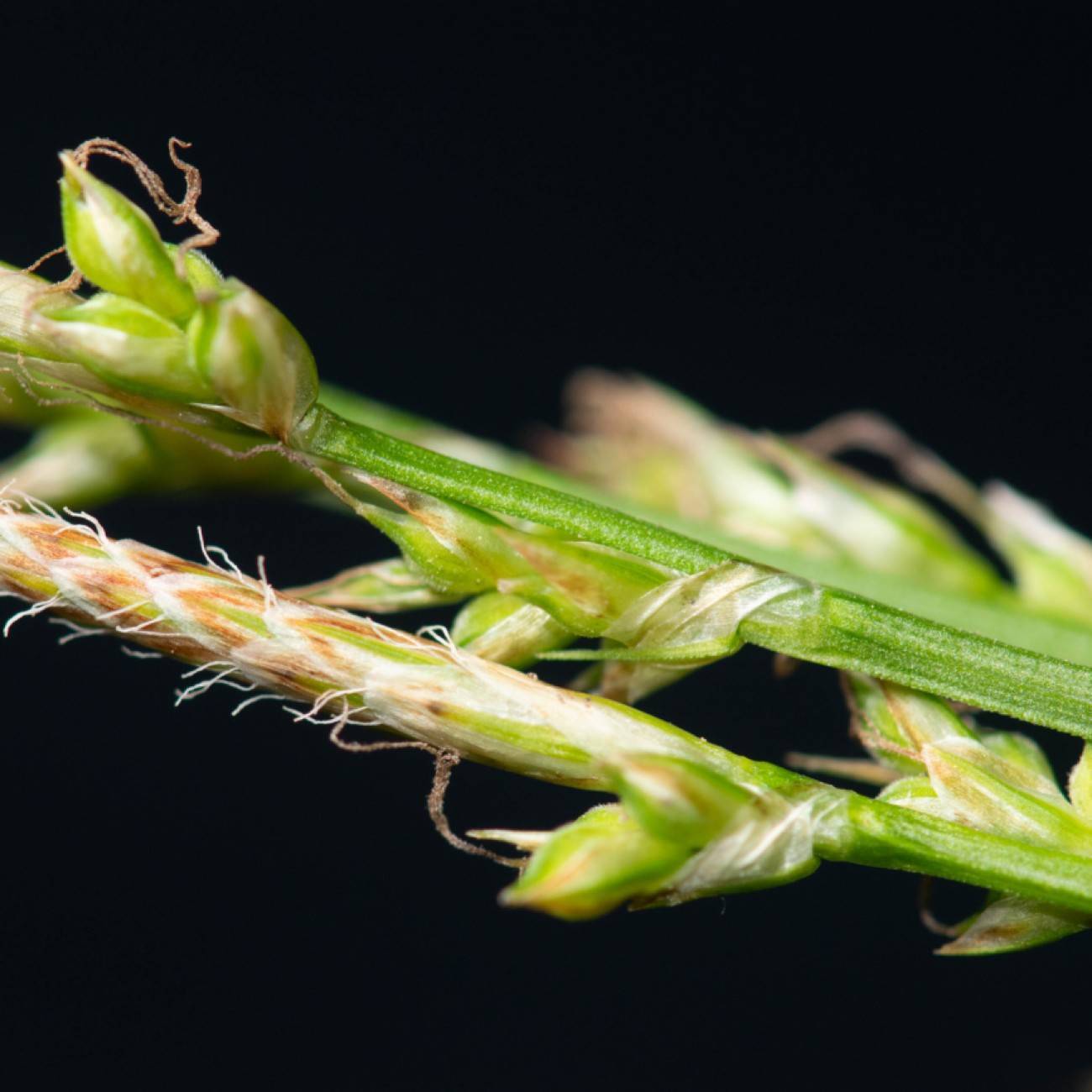
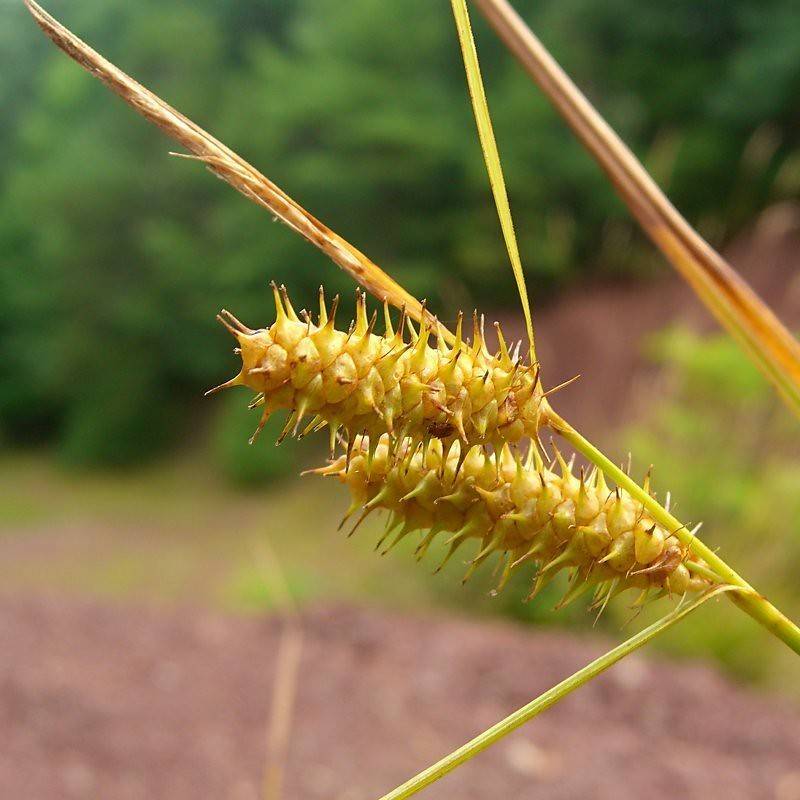
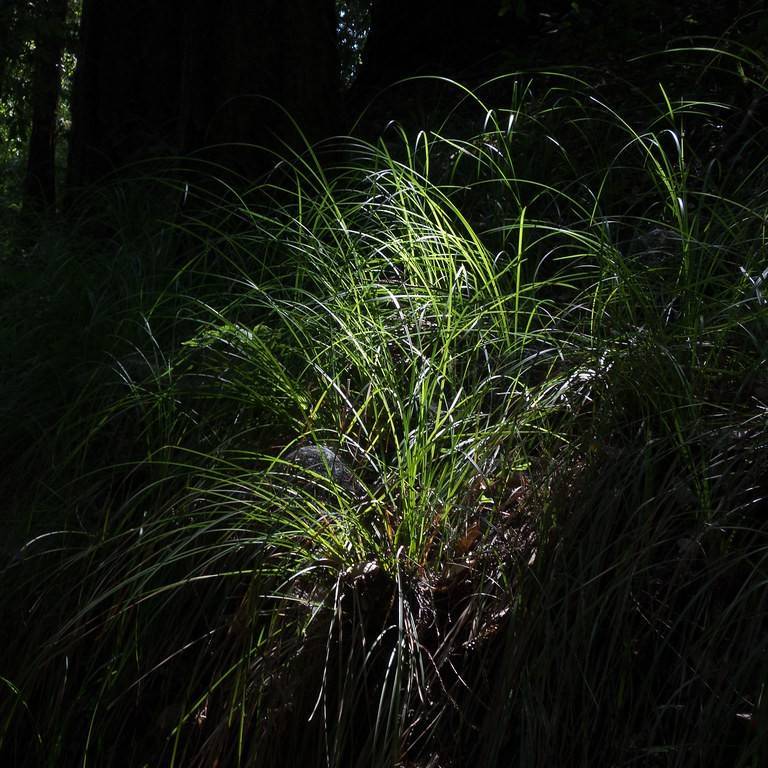
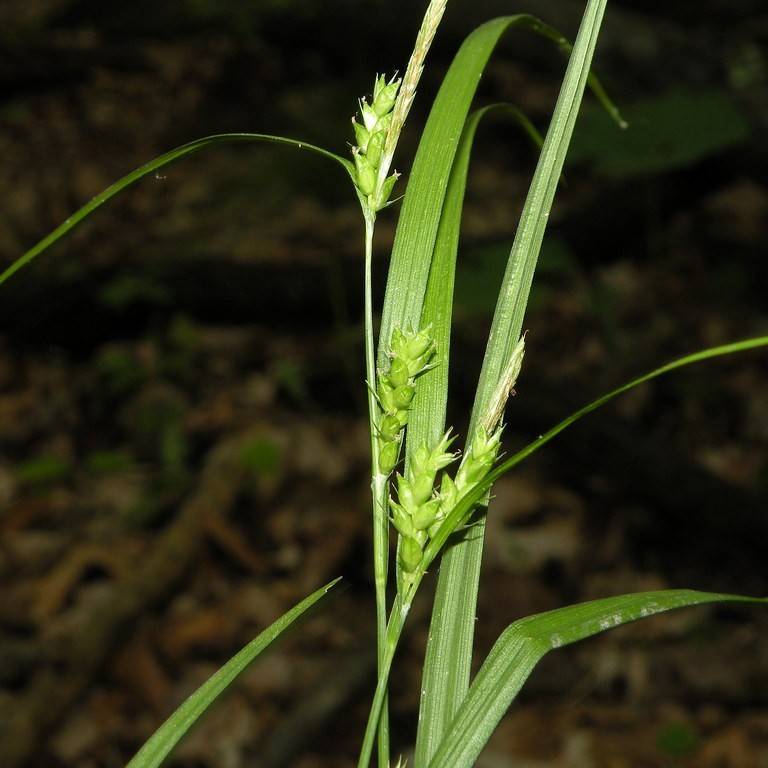
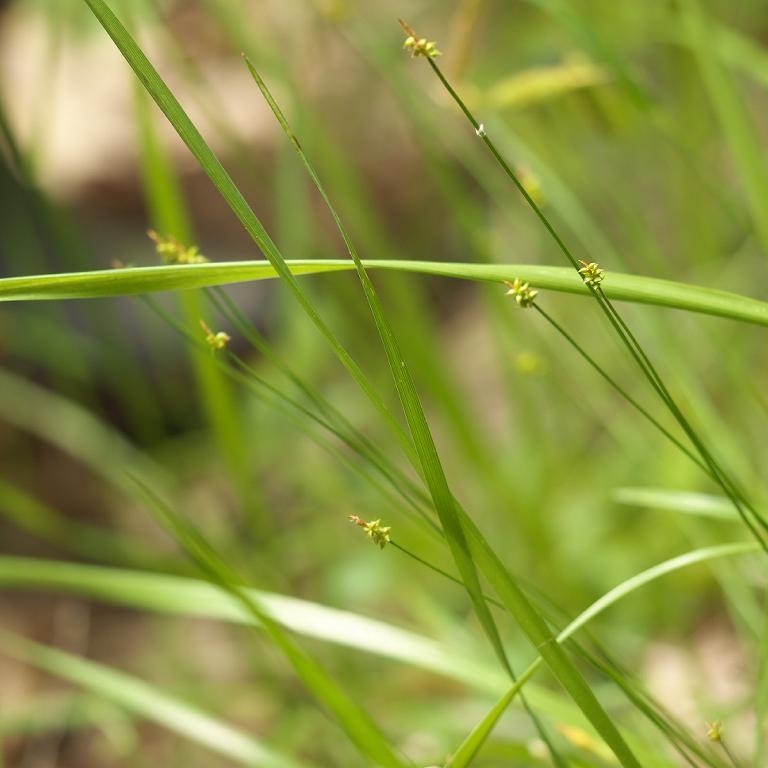
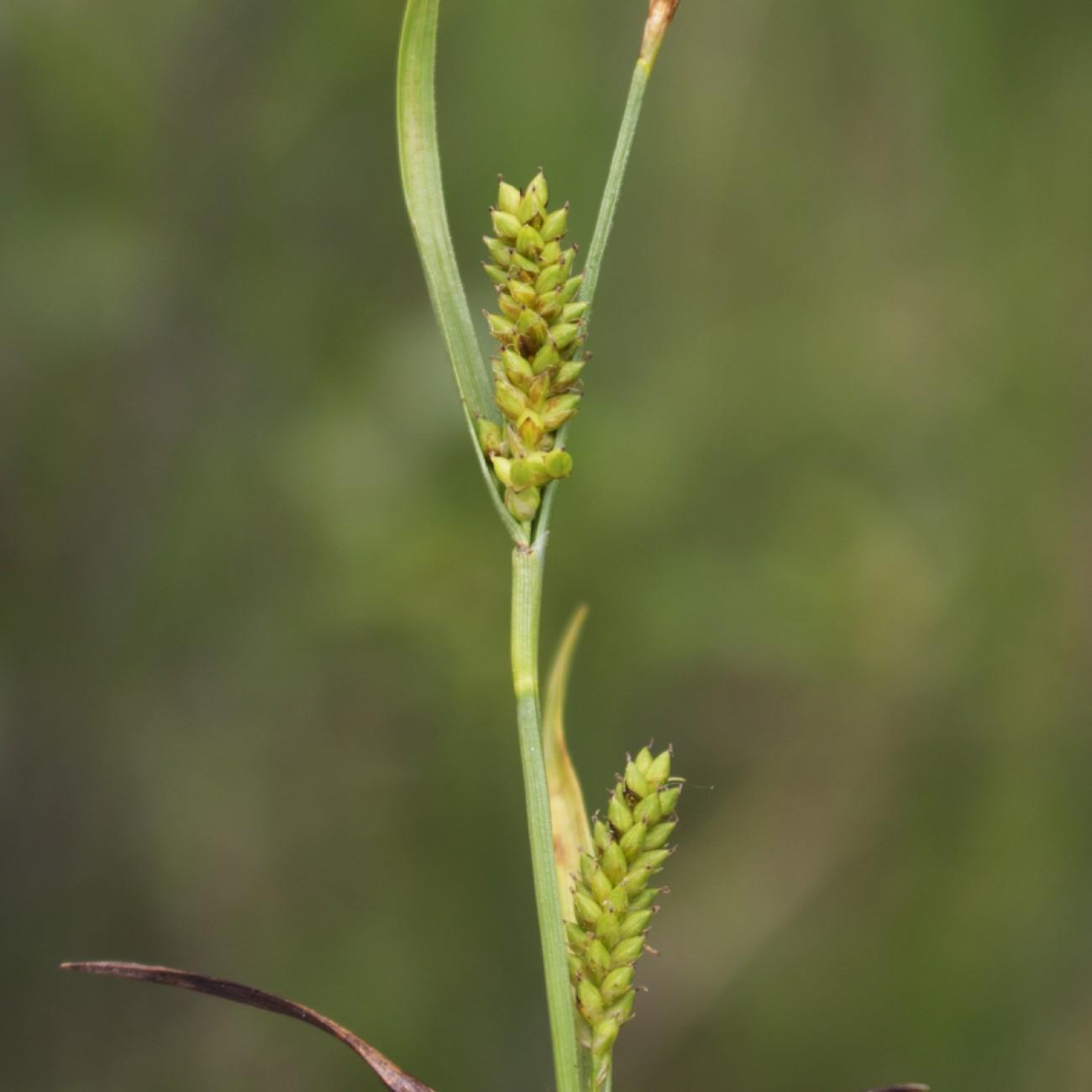
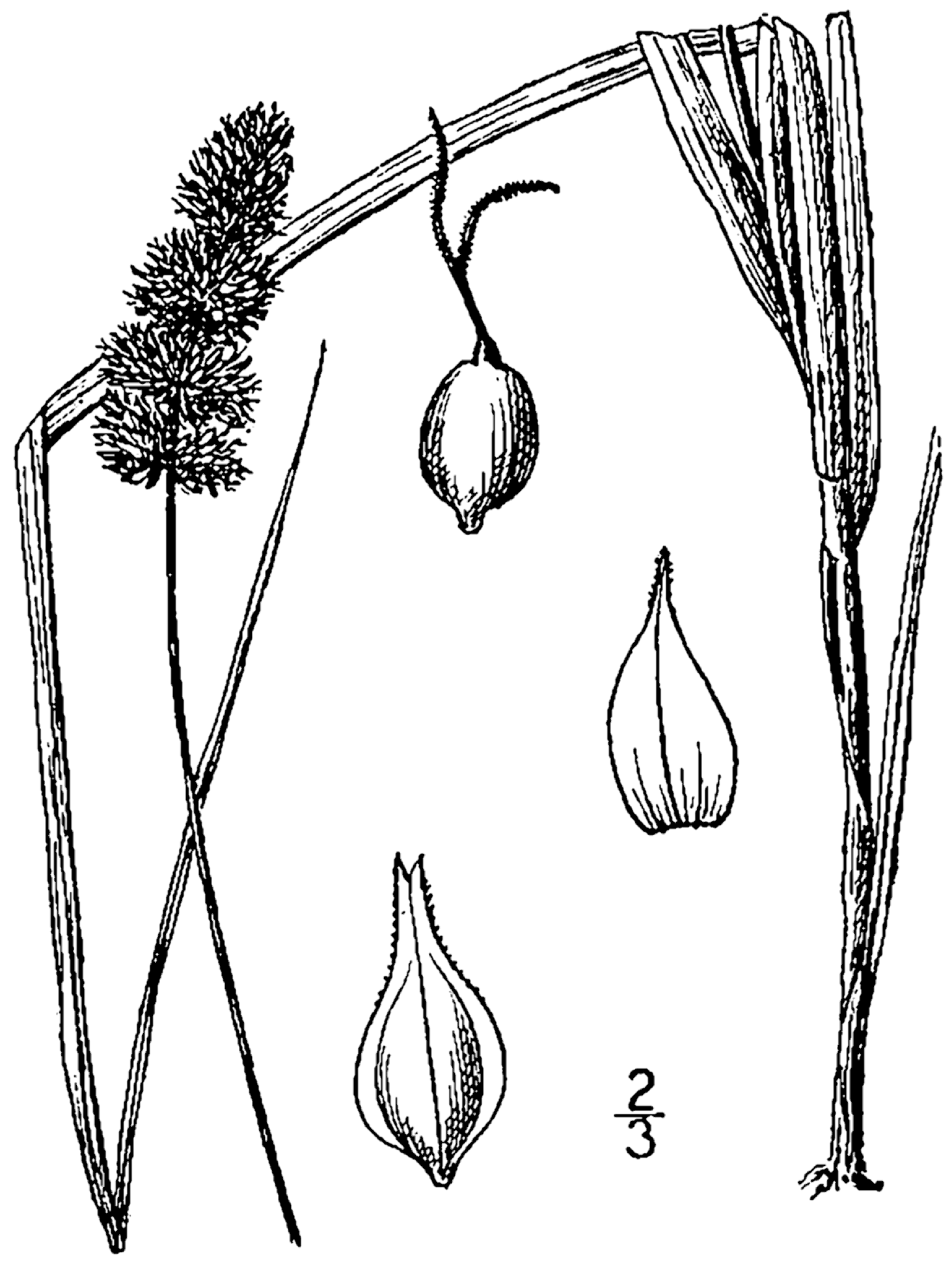
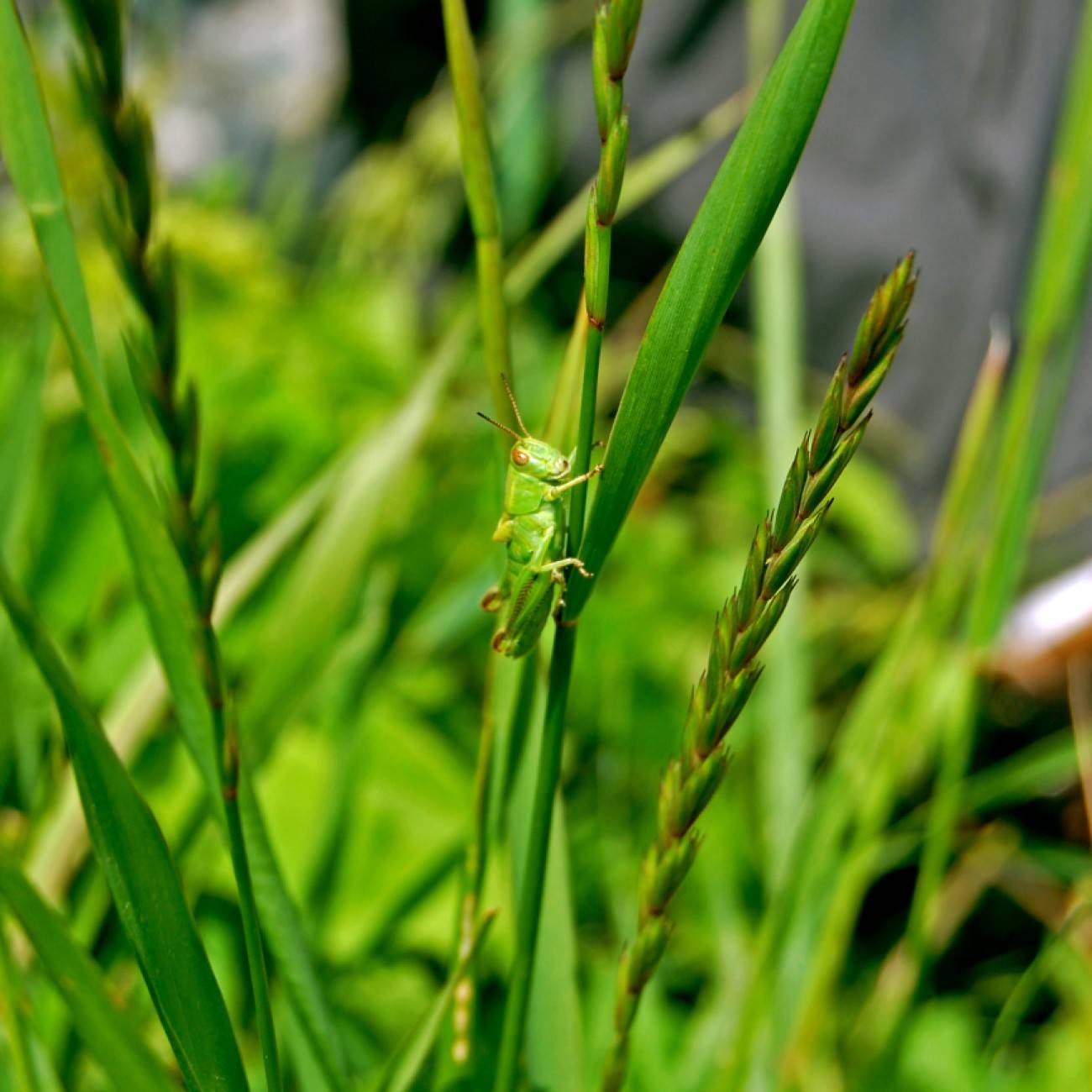
Henderson's Sedge forms dense, fountain-like clumps of narrow, soft green foliage that arches gently at the tips, lending a soft, textural element to garden spaces. It produces inconspicuous brownish flower spikes in late spring, which provide a subtle food source for native pollinators and small seed-eating birds. Adapted to cool, moist forest understories, it is a versatile, hardy plant that thrives in sites where many other ornamental grasses struggle.
Care Guide
Watering
Water regularly to keep soil consistently moist, especially during the first growing season as the plant establishes its root system. Mature clumps have moderate drought tolerance, but will look their best with supplemental water during extended dry periods, avoiding overwatering that leads to waterlogged soil.
Light
Thrives in partial to full shade, making it ideal for shaded garden beds, under tree canopies, or north-facing landscapes. It can tolerate brief periods of dappled morning sun, but prolonged direct afternoon sunlight will scorch its delicate foliage and cause browning at the leaf tips.
Soil
Prefers rich, loamy, well-drained soil with a slightly acidic to neutral pH, though it will adapt to a range of soil types including clay and sandy loam if drainage is adequate. It tolerates seasonally moist soil better than many ornamental grasses, making it suitable for low-lying, damp areas of the garden that do not stay permanently flooded.
Fertilizer
Apply a balanced, slow-release granular fertilizer in early spring before new growth emerges to support healthy foliage development. Avoid over-fertilizing, as this can cause excessive, floppy growth that loses the plant's characteristic graceful arching habit; a single annual application is sufficient for most garden settings.
Temperature
Hardy in USDA zones 5 to 9, tolerating winter temperatures as low as -20°F (-29°C) without significant damage. It prefers cool, mild temperatures and will go dormant in areas with extremely hot, prolonged summer heat, dying back to the ground before re-sprouting the following spring.
Pruning
Trim back old, brown foliage to 2-3 inches above the soil line in late winter or early spring before new growth emerges to keep clumps looking tidy. Remove any damaged or yellowing leaves throughout the growing season as needed to maintain the plant's neat appearance, avoiding heavy pruning during the hottest summer months.
Propagation
Easiest to propagate by division in early spring or late fall, when the plant is dormant; dig up mature clumps, split them into smaller sections with intact roots, and replant immediately at the same depth they were growing previously. It can also be grown from seed sown directly outdoors in fall, though seed-grown plants will take 2-3 years to reach mature clump size.
Humidity
Adaptable to a wide range of humidity levels, thriving in the moderate to high humidity of its native Pacific Northwest habitat, and tolerating drier indoor or garden air if provided with consistent soil moisture. It does not require additional misting or humidity supplementation when grown outdoors, though indoor specimens benefit from occasional misting if the air is excessively dry.
Repotting
When grown in containers, repot every 2-3 years in early spring, moving to a pot one size larger with fresh, loamy potting mix to accommodate expanding root growth. Clumps that become root-bound will show slowed growth and browning leaf tips, so divide them at repotting time to maintain plant vigor and prevent overcrowding in the container.
Uses & Symbolism
Henderson's Sedge is widely used as a groundcover in shaded native plant gardens, rain gardens, and woodland landscapes, where it helps control erosion on slopes and suppress weed growth. It is a popular choice for wildlife-friendly gardens, as its foliage provides cover for small amphibians and insects, and its seeds feed native songbirds. It also works well in container plantings for shaded patios, adding soft, textural contrast to flowering shade perennials.
Diseases & Pests
Henderson's Sedge is relatively pest and disease resistant, though it can develop fungal leaf spot or rust in excessively wet, poorly ventilated conditions, which can be managed by improving air circulation around clumps and avoiding overhead watering. Aphids and spider mites may occasionally infest stressed plants, particularly indoor specimens, and can be controlled with insecticidal soap or a strong stream of water to dislodge the pests.
Related plants
Other plants you might like if you grow Henderson's Sedge.