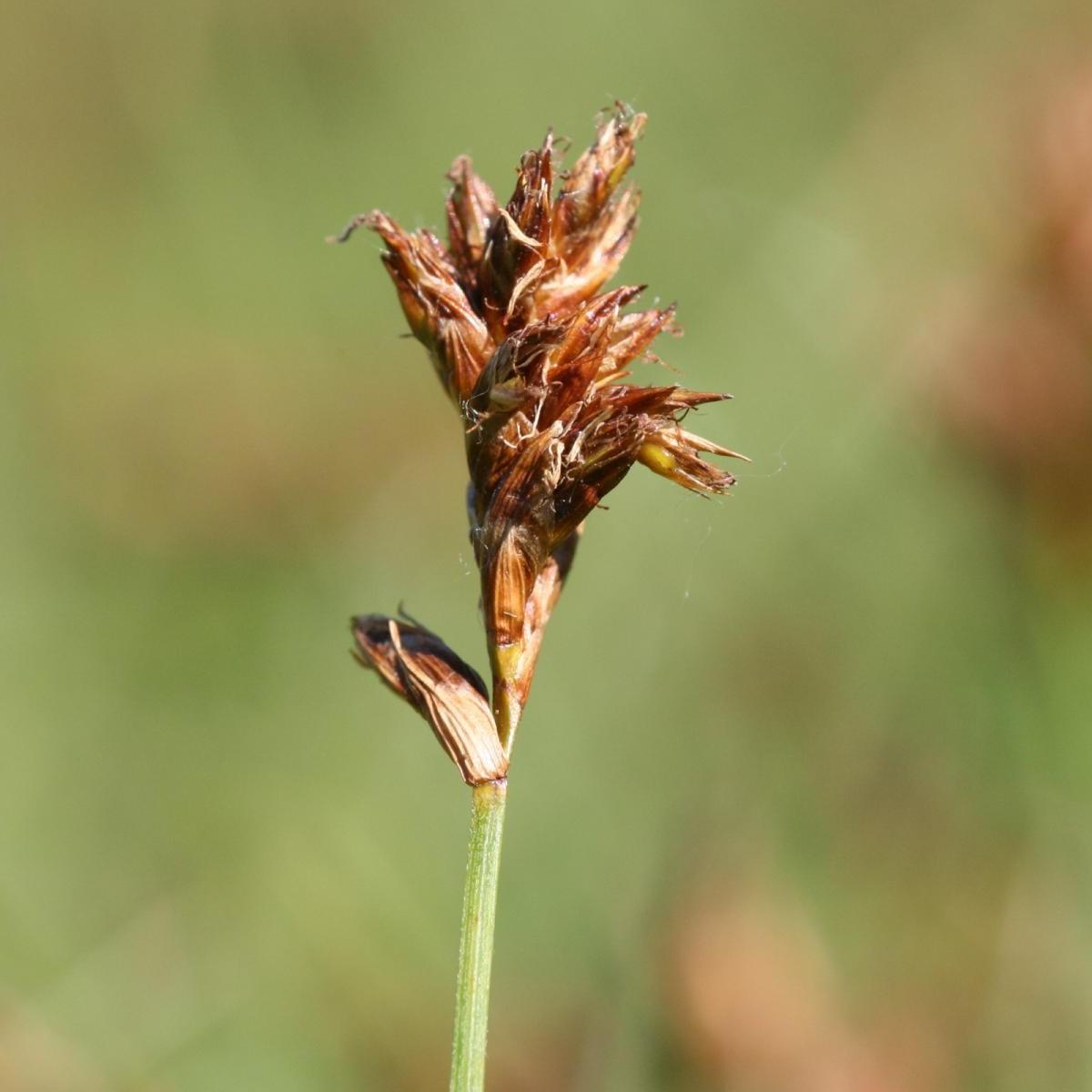
Blunt Sedge
Carex obtusata
Overview
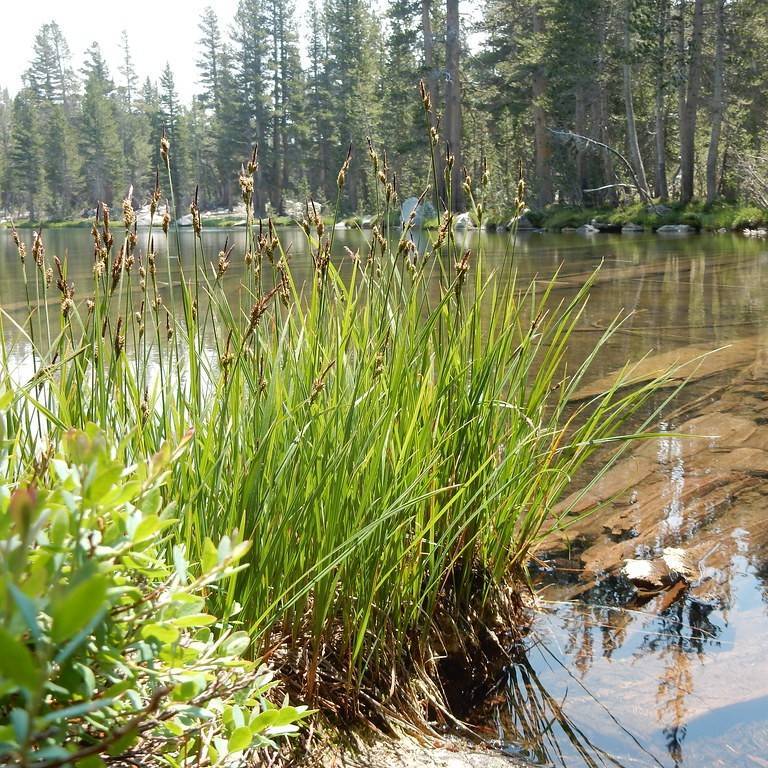
Blunt sedge is a dense, tufted perennial sedge distinguished by its soft, bright green, narrow leaves with distinctly rounded, blunt tips, and small, inconspicuous brown spikelets that appear in late spring. It spreads slowly via short rhizomes, forming dense groundcover mats that do not become aggressive in cultivated settings. Native to cool, moist regions across the Northern Hemisphere, it is naturally found in damp woodlands, wet meadows, and shorelines, where it supports native pollinators and provides cover for small ground-dwelling wildlife.
Care Guide
Watering
Blunt sedge prefers consistently moist, not waterlogged, soil, and requires regular watering to keep the root zone evenly damp, especially during periods of drought or hot weather. It can tolerate short periods of standing water, making it suitable for rain gardens or edge plantings near water features, but prolonged submersion will damage the root system. Once established, it has moderate drought tolerance, though foliage may turn brown at the tips if moisture levels drop too low for extended periods.
Light
This species thrives in partial to full shade, mimicking its native woodland understory habitat, where filtered sunlight supports steady, healthy growth without scorching the delicate foliage. It can tolerate full sun only in consistently cool, moist locations, as prolonged exposure to direct hot sun will cause leaf burn and stunted growth. In indoor settings, place it near a north-facing window or provide diffused light to replicate its preferred shaded conditions.
Soil
Blunt sedge grows best in rich, loamy, well-drained soil with a high organic matter content, and it tolerates a slightly acidic to neutral pH range of 5.5 to 7.0. It can adapt to heavier clay soils as long as drainage is adequate, and it performs well in soils with consistent moisture retention, such as those amended with compost or leaf mold. Avoid sandy, fast-draining soils that cannot hold sufficient moisture to support its shallow root system.
Fertilizer
Blunt sedge has low fertilizer requirements, and typically only needs a light application of balanced, slow-release granular fertilizer in early spring, before new growth emerges, to support healthy foliage development. Excessive fertilization will cause leggy, weak growth and may reduce the plant's cold hardiness, so avoid overfeeding or using high-nitrogen formulas. In nutrient-rich garden soils, no additional fertilization is needed for established plants.
Temperature
This cool-season sedge prefers average temperatures between 50°F and 75°F (10°C and 24°C), and is extremely cold hardy, surviving winter temperatures as low as -40°F (-40°C) in USDA hardiness zones 2 through 7. It does not tolerate high heat and humidity well, and may go dormant or die back partially in regions with prolonged summer temperatures above 85°F (29°C). In warmer climates, it is best grown in deep shade with consistent moisture to mitigate heat stress.
Pruning
Pruning requirements for blunt sedge are minimal; simply cut back any dead or browned foliage to the ground in late winter or early spring before new growth emerges to keep the clump looking tidy and encourage fresh, vibrant leaves. Remove any damaged or diseased foliage as needed throughout the growing season to prevent the spread of pathogens and maintain good air circulation within the clump. Avoid heavy pruning during the peak growing season, as this can stress the plant and slow its growth.
Propagation
Blunt sedge is most easily propagated by division in early spring, just as new growth begins, by digging up mature clumps and separating them into smaller sections with a sharp, sterile tool, each containing a portion of the root system and several growth points. It can also be grown from seed, though seed germination is slow and inconsistent, requiring a 3-month cold stratification period to break dormancy, and seedlings take 2 to 3 years to reach mature size. Divisions establish quickly when planted in moist, shaded locations, and typically fill out within a single growing season.
Humidity
Blunt sedge prefers moderate to high humidity levels between 50% and 70%, consistent with its native damp woodland and wetland edge habitats, and will develop brown leaf tips if exposed to very dry air for extended periods. In indoor settings, increase humidity by placing the plant on a pebble tray filled with water, grouping it with other moisture-loving plants, or using a small room humidifier, especially during winter when indoor heating dries out the air. Outdoors, it naturally thrives in humid cool climates, and will perform poorly in arid, low-humidity regions unless provided with extra moisture and shade.
Repotting
When grown as a houseplant, blunt sedge only needs repotting every 2 to 3 years, or when it becomes root-bound and roots begin to grow through the drainage holes of the container, typically in early spring before new growth starts. Use a pot with ample drainage holes, and fill it with a rich, peat-free potting mix amended with leaf mold or compost to retain moisture while providing adequate drainage for the shallow root system. Avoid repotting during the hot summer months, as this can cause transplant shock and stress the plant during its less active growth period.
Uses & Symbolism
Blunt sedge is widely used as a low-maintenance groundcover for shaded, moist areas of the garden, including woodland gardens, rain gardens, and the edges of ponds or water features, where it suppresses weeds and prevents soil erosion. It is a popular choice for native plant gardens and pollinator habitats, as its seeds provide food for small birds and its dense foliage offers shelter for beneficial insects and small amphibians. It can also be grown as a low-maintenance indoor houseplant for low-light areas, where its soft, fine-textured foliage adds a lush, natural touch to interior spaces.
Diseases & Pests
Blunt sedge is relatively pest and disease resistant, though it may be susceptible to fungal leaf spots and rust in conditions of poor air circulation, high humidity, and prolonged wet foliage, which can be prevented by spacing plants appropriately and avoiding overhead watering. Aphids and spider mites may occasionally infest stressed plants, especially in dry indoor conditions, and can be controlled with a strong spray of water or application of insecticidal soap. Overly waterlogged soil may lead to root rot, which can be avoided by ensuring proper drainage and not allowing the plant to sit in standing water for extended periods.
Related plants
Other plants you might like if you grow Blunt Sedge.
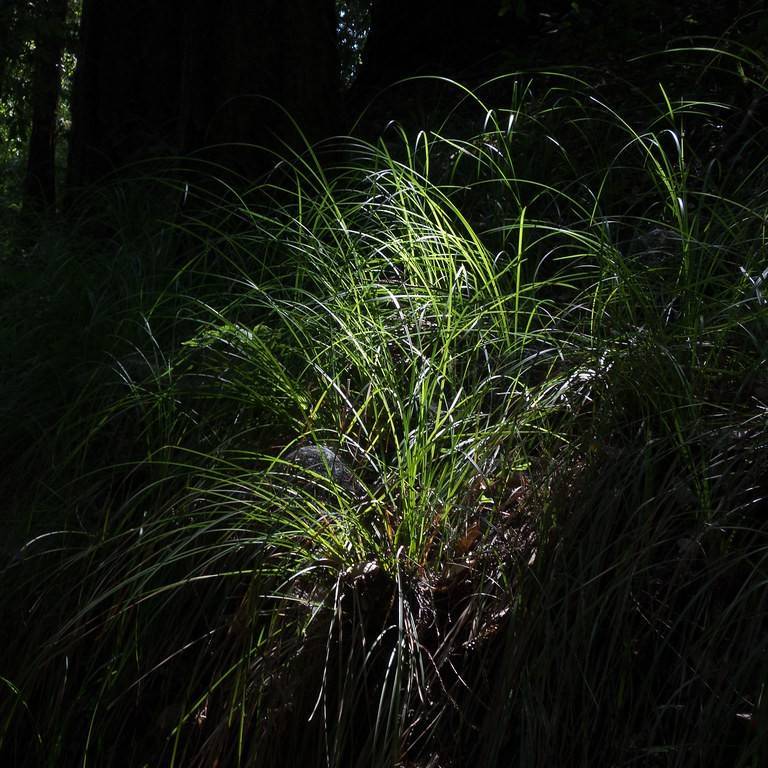
Bolander's Sedge
Carex bolanderi
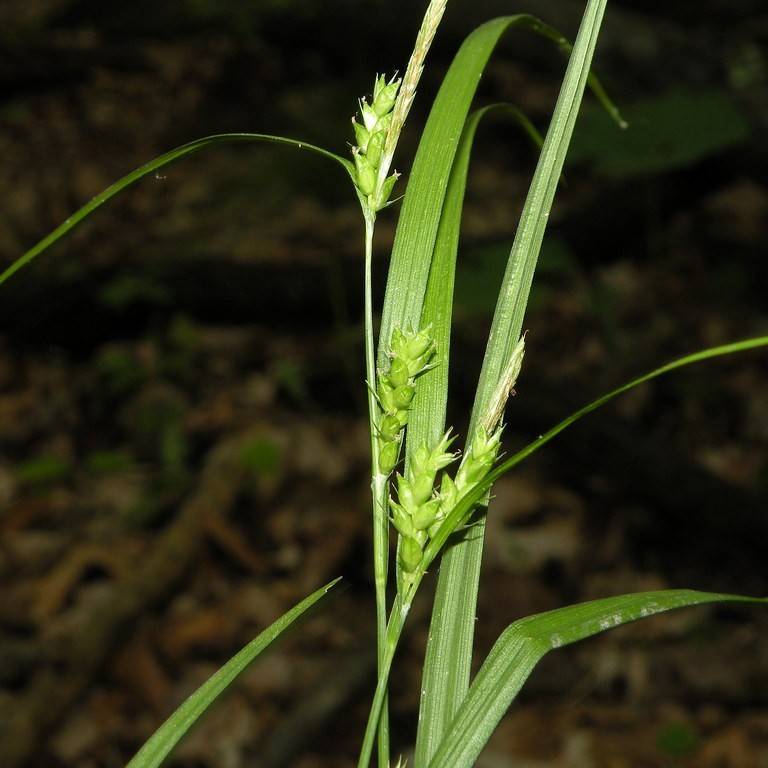
Eastern Narrowleaf Sedge
Carex amphibola
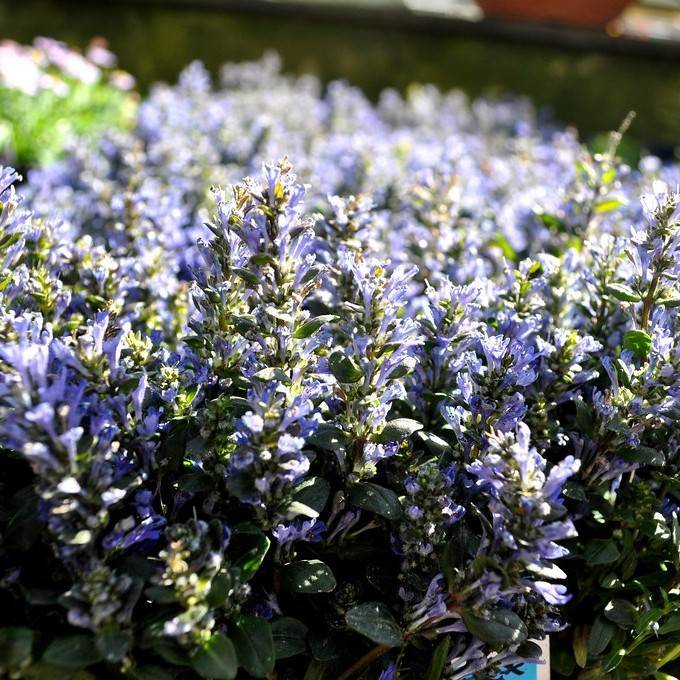
Chocolate Chip Carpet Bugle
Ajuga reptans 'Chocolate Chip'
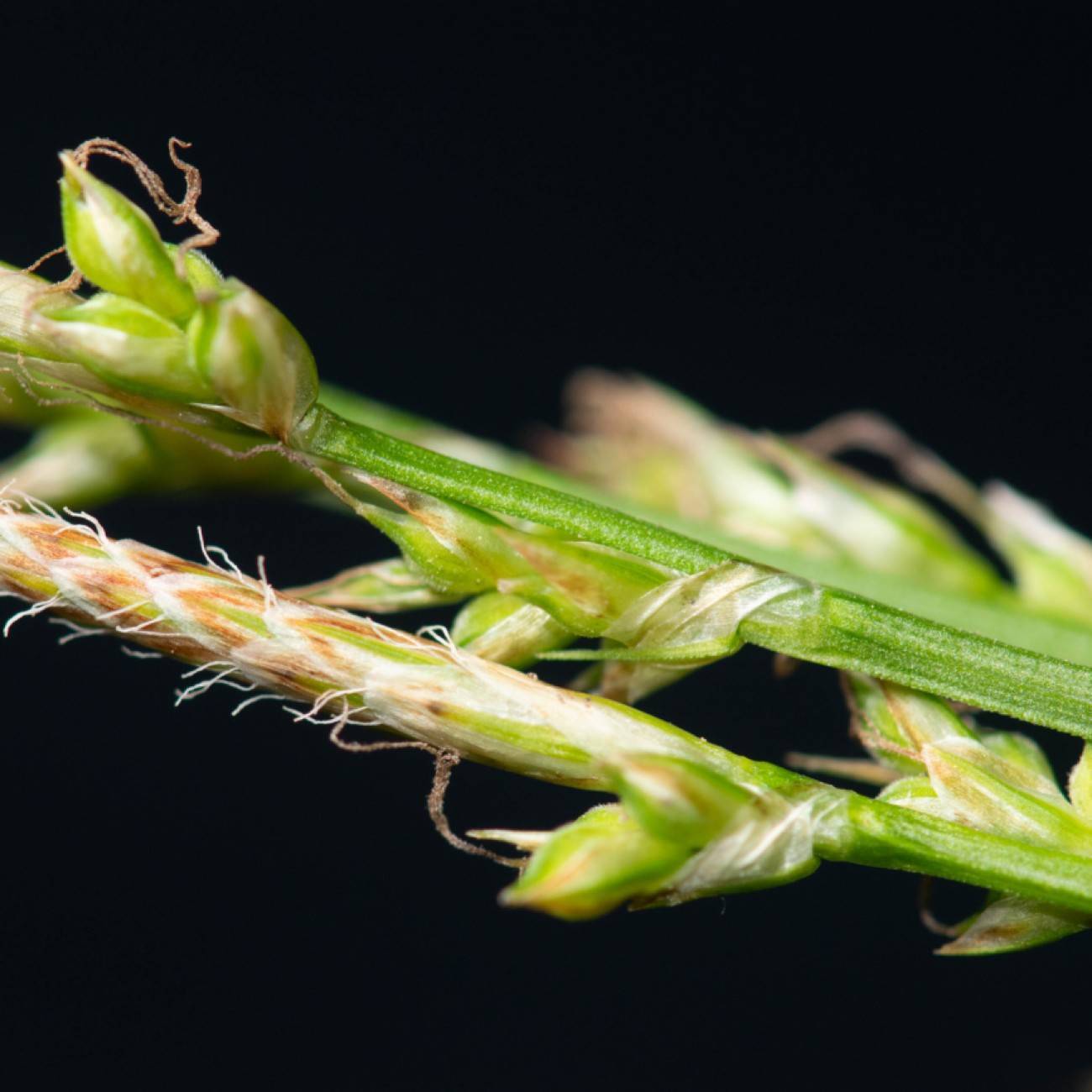
Fibrous Root Sedge
Carex communis
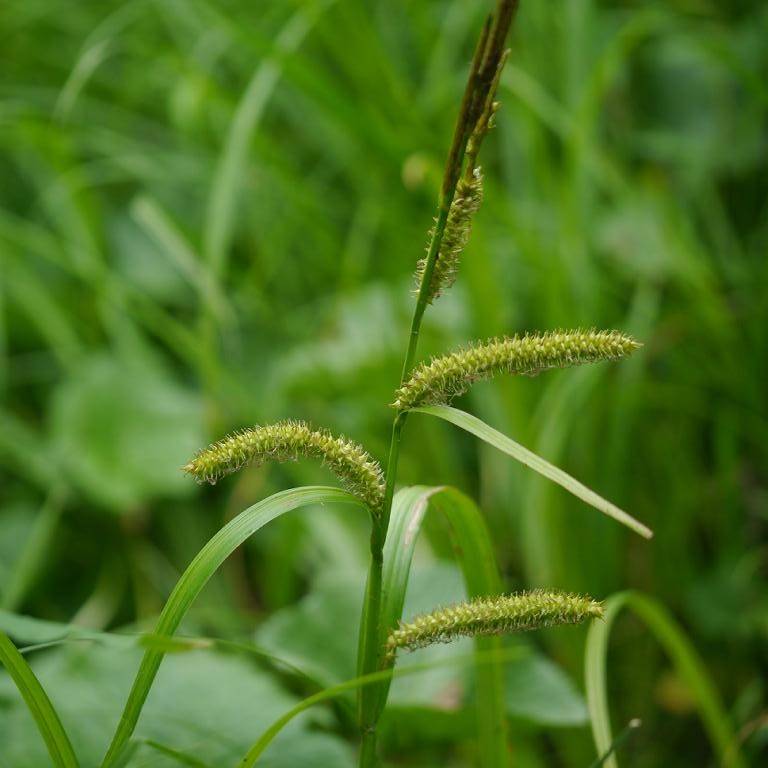
Bigleaf Sedge
Carex platyphylla
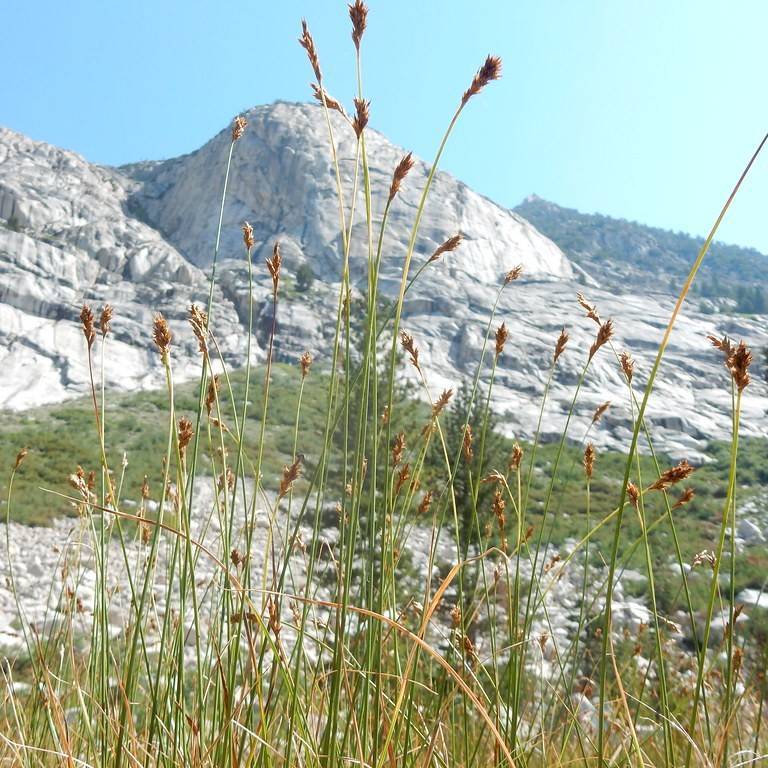
Dunhead Sedge
Carex sparganioides
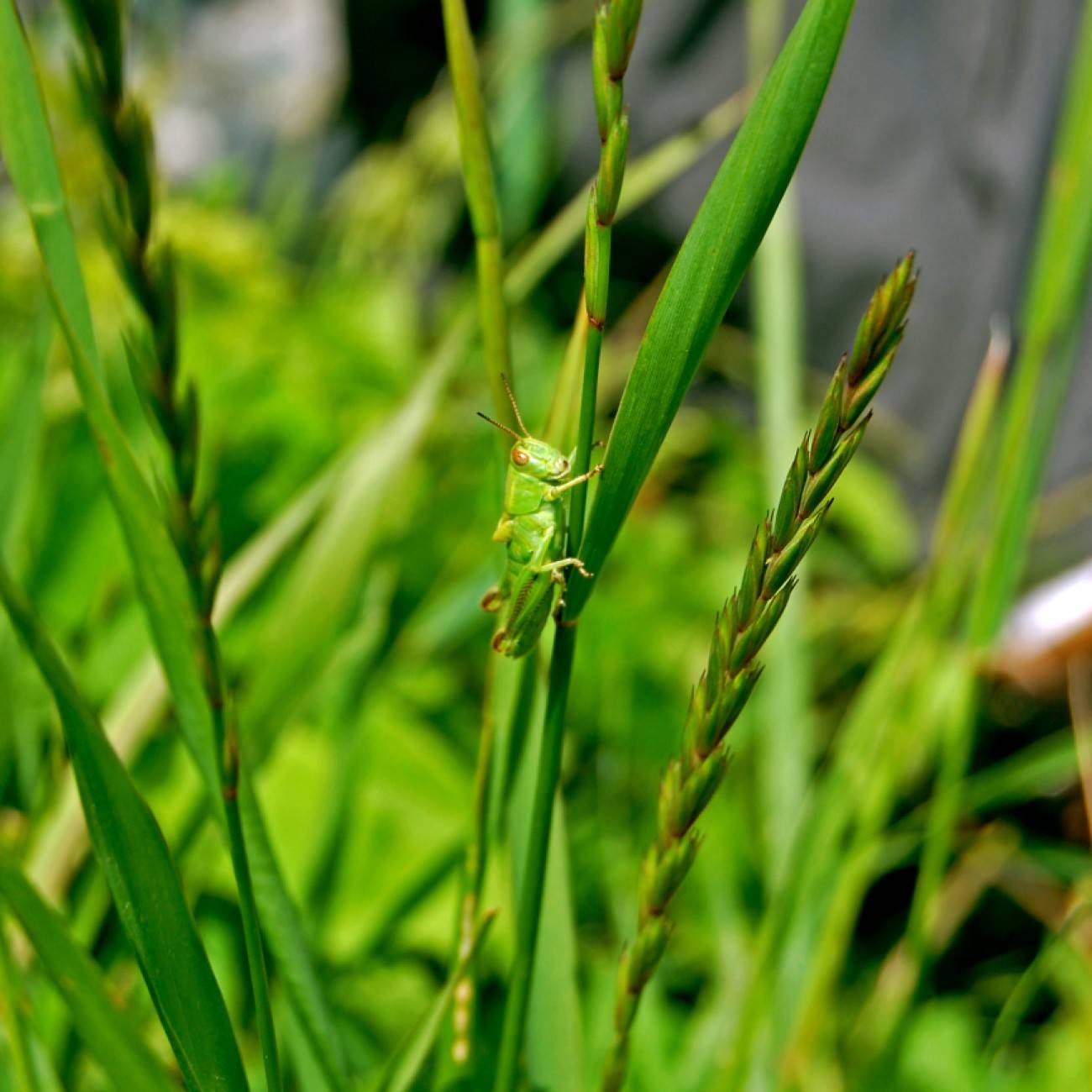
Henderson's Sedge
Carex hendersonii
Holm's Rocky Mountain Sedge
Carex scopulorum var. holmii