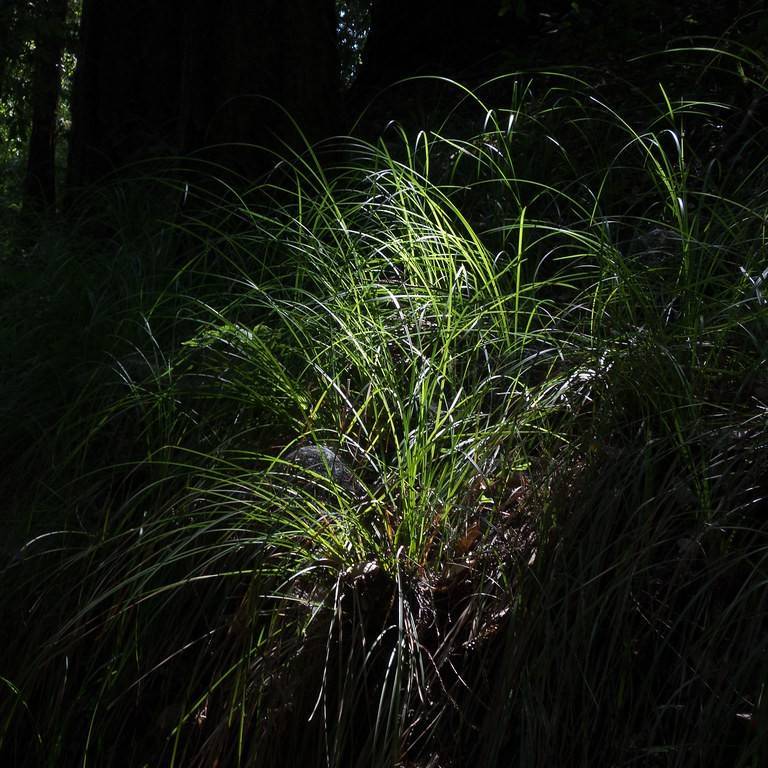
Bolander's Sedge
Carex bolanderi
Overview
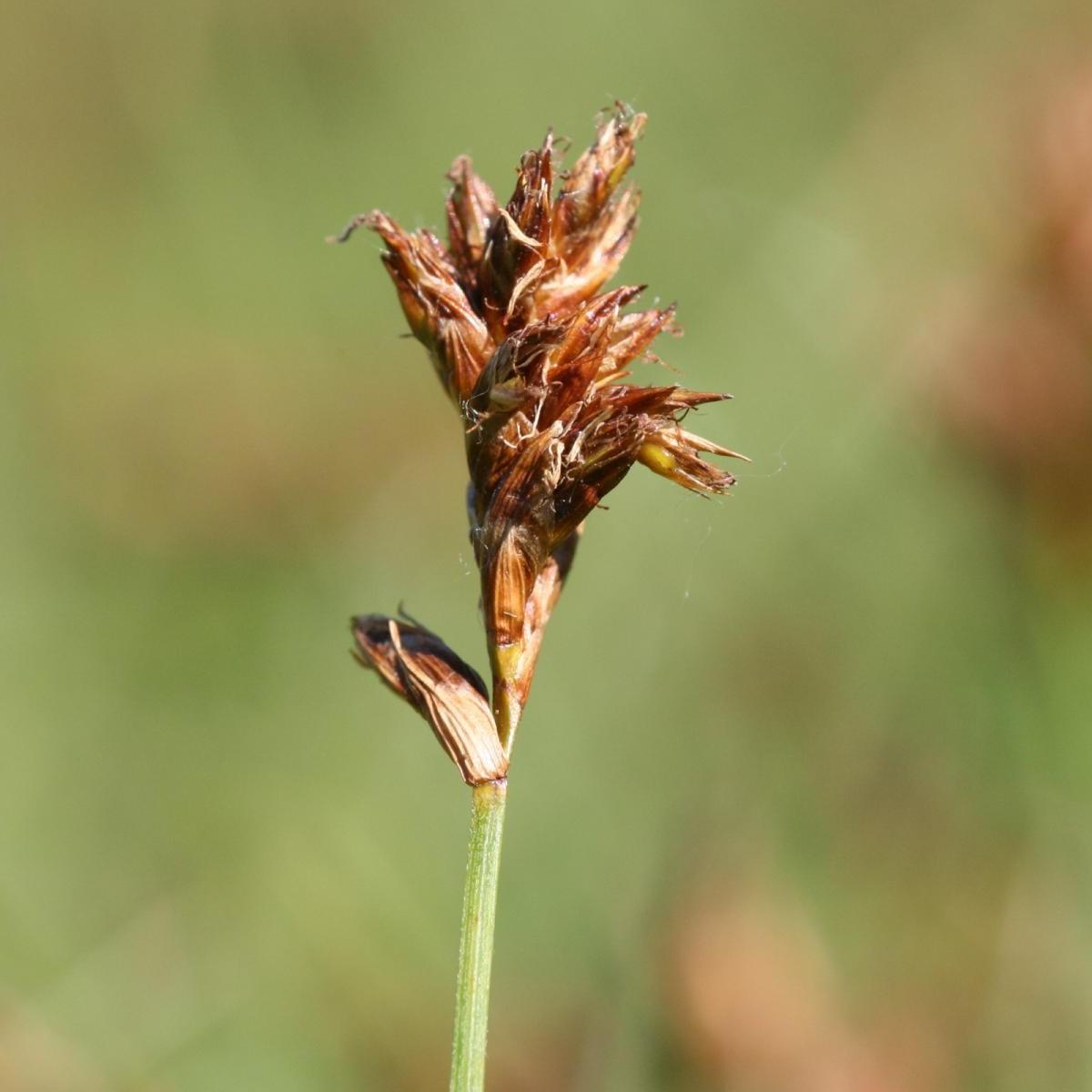
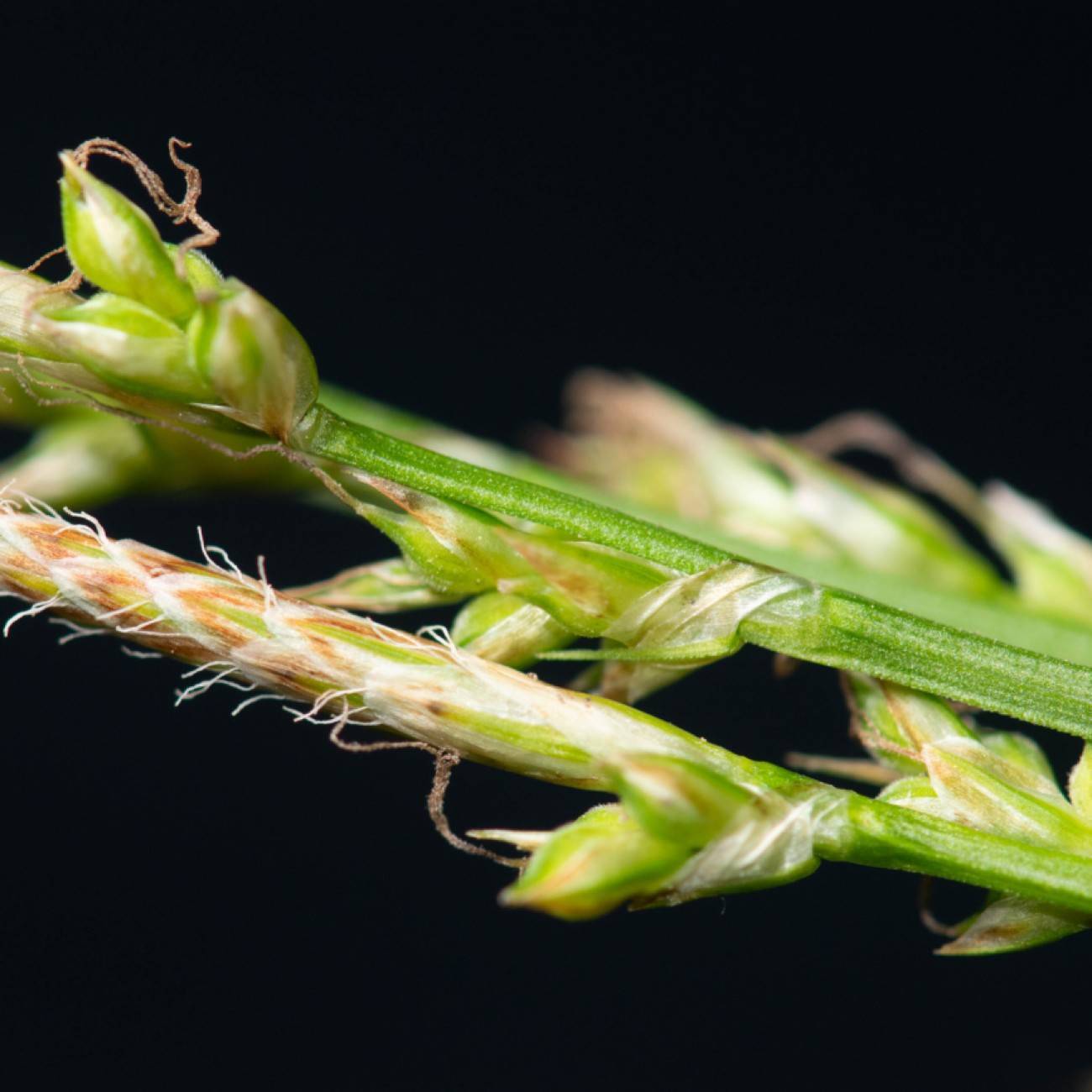
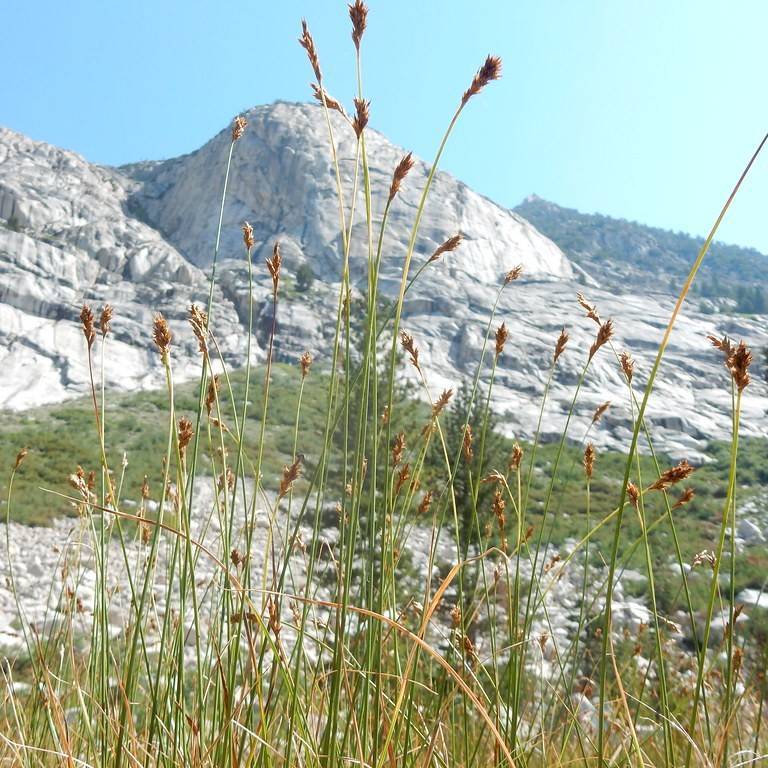
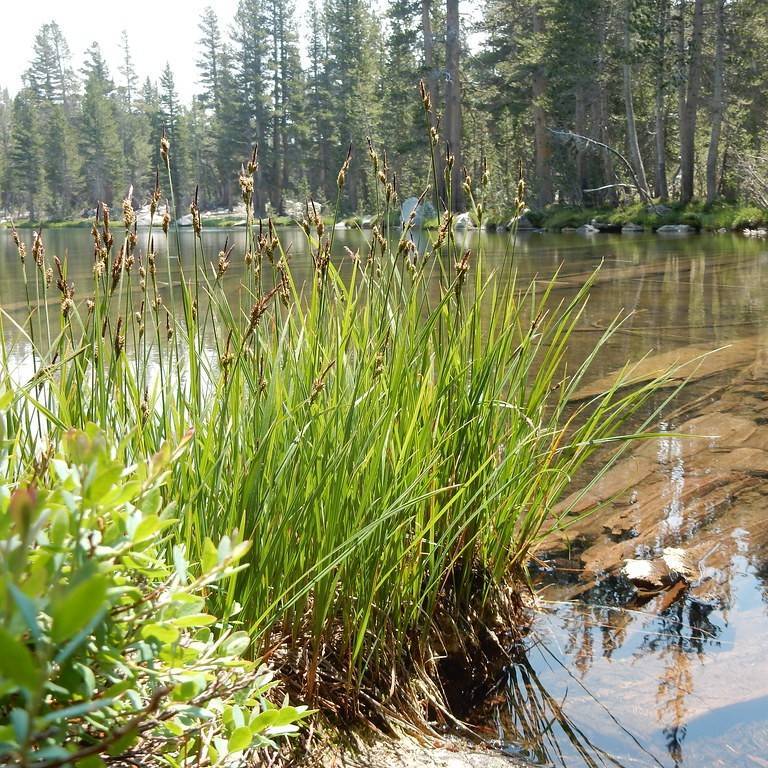
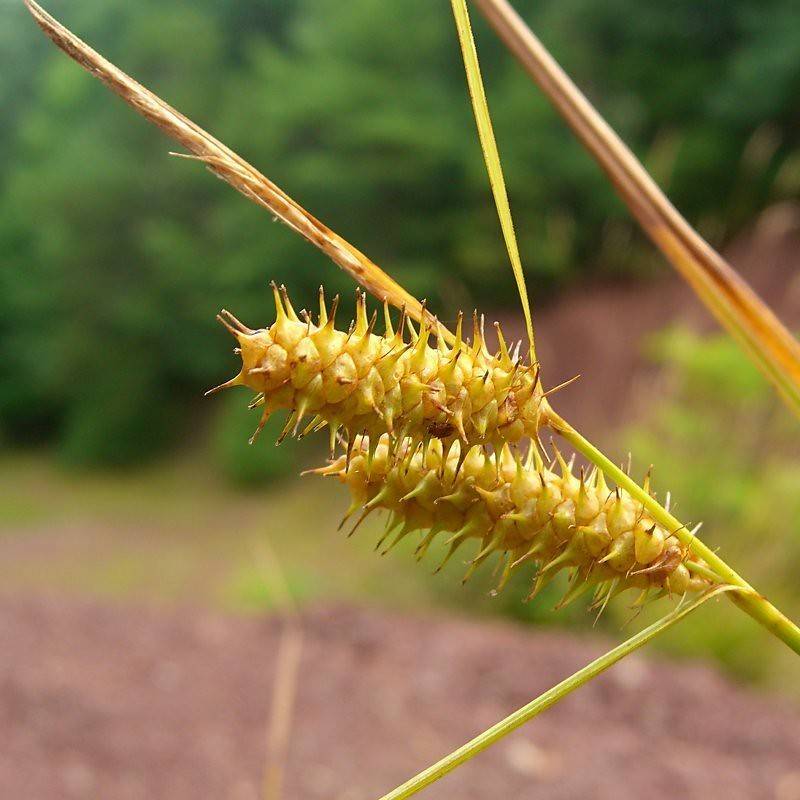
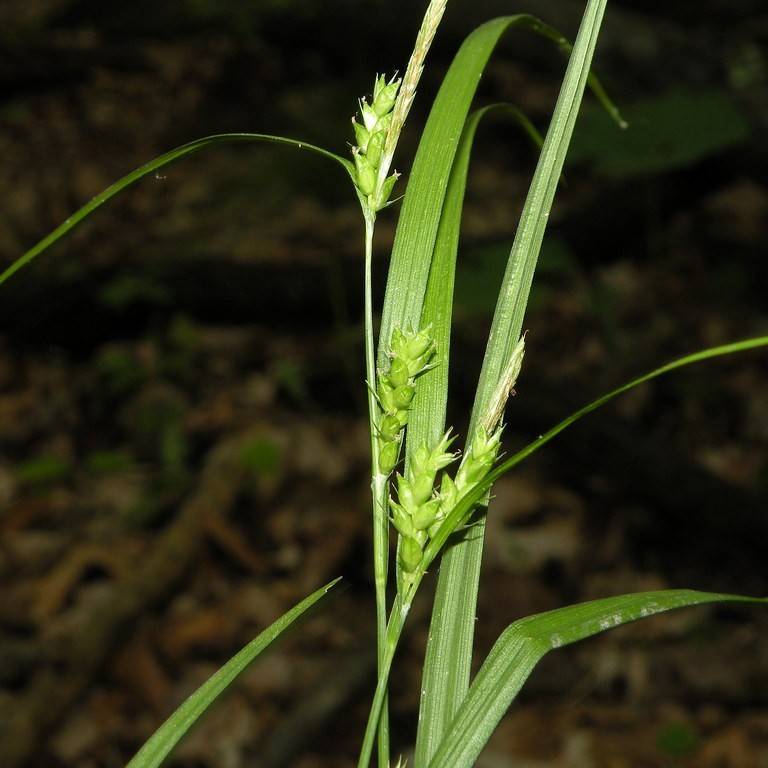
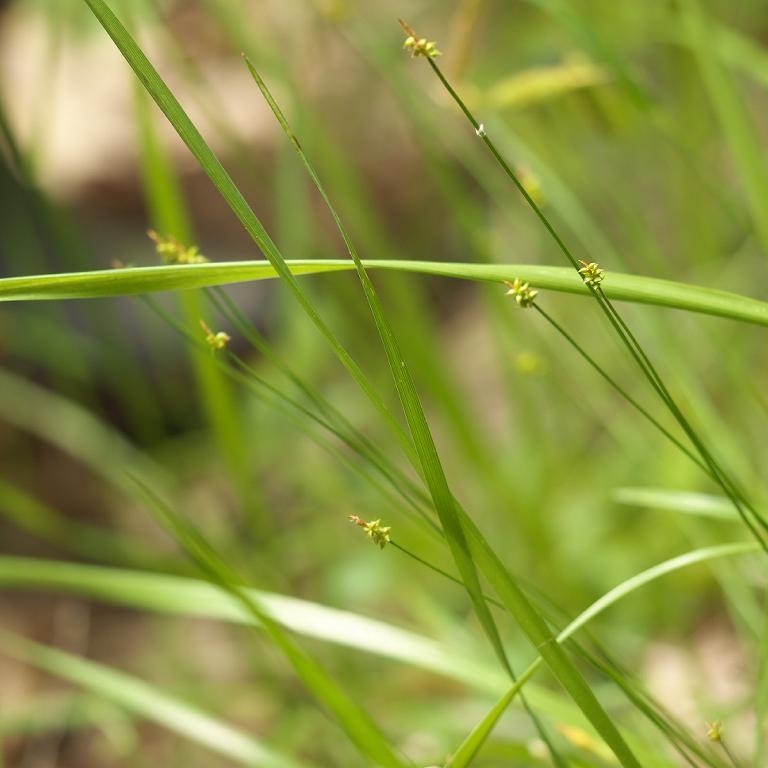
Bolander's Sedge is a cool-season perennial sedge that forms dense, fountain-like clumps of narrow, soft green leaves that cascade gently at the tips. It is adapted to consistently moist, even waterlogged soils, making it a staple for native plant gardens, riparian restoration projects, and low-maintenance landscape designs in its native range. It produces inconspicuous brown spikelet flowers in spring that provide a subtle textural contrast to its lush foliage, and it supports a range of native pollinators and small wildlife that use its clumps for shelter and food.
Care Guide
Watering
Bolander's Sedge requires consistently moist to wet soil, and it tolerates seasonal flooding for short periods; avoid letting the soil dry out completely, especially during hot summer months. In garden settings, water deeply once or twice per week during dry spells to maintain consistent soil moisture, and reduce watering frequency in cooler winter months when rainfall is sufficient. It is well suited to areas with poor drainage that cannot support drier landscape plants.
Light
This sedge thrives in partial to full shade, making it an excellent choice for shaded woodland gardens, north-facing landscapes, and areas under tree canopies where other groundcovers struggle to grow. It can tolerate full sun only in cool, coastal regions where soil moisture remains consistently high; in hotter inland areas, full sun exposure will scorch its foliage and cause rapid drying. Dappled sunlight for 2-4 hours per day supports the healthiest, most vigorous growth.
Soil
Bolander's Sedge prefers rich, loamy, acidic to neutral soils with high organic matter content, but it adapts well to heavy clay, sandy, or silty soils as long as moisture is consistent. It tolerates poorly drained, waterlogged soils that are inhospitable to most other ornamental plants, and it can even grow in shallow standing water up to 2 inches deep for short periods. Amend sandy or nutrient-poor soils with compost or well-rotted leaf mold prior to planting to improve moisture retention and nutrient content.
Fertilizer
This native sedge has low fertilizer needs, and it generally thrives without supplemental feeding if planted in organically rich soil. If growth appears stunted or foliage is pale, apply a balanced, slow-release 10-10-10 fertilizer once per year in early spring, before new growth emerges, at half the recommended rate for ornamental plants. Avoid over-fertilizing, as this can cause overly lush, weak growth that is more susceptible to pest damage and flopping.
Temperature
Bolander's Sedge is adapted to cool, temperate climates, and it is hardy in USDA zones 5 through 9, tolerating winter lows down to -20°F (-29°C). It prefers cool summer temperatures between 60-75°F (16-24°C), and it will go partially dormant if exposed to extended periods of temperatures above 90°F (32°C) without sufficient moisture. In the warmest parts of its range, it benefits from extra shade and mulch to keep root systems cool during summer heatwaves.
Pruning
Pruning requirements are minimal for Bolander's Sedge; simply cut back dead or brown foliage to 2-3 inches above the soil line in late winter or early spring before new growth emerges to keep clumps looking tidy. Remove any spent flower stalks after blooming if desired, though leaving them in place provides food for seed-eating birds and adds winter textural interest to the landscape. Divide overgrown clumps every 3-4 years in early spring to maintain vigor and prevent overcrowding.
Propagation
Bolander's Sedge is most easily propagated by division in early spring, just as new growth begins to emerge; dig up entire clumps, separate them into smaller sections with at least 3-5 healthy shoots each, and replant immediately at the same depth they were growing previously. It can also be grown from seed, though germination is slow and inconsistent, requiring a 30-60 day cold stratification period to break seed dormancy before sowing. Collect ripe seed from mature plants in late summer or early fall, and sow directly outdoors in fall for natural stratification over winter, or stratify indoors in a refrigerator before sowing in spring.
Humidity
This sedge prefers moderate to high humidity levels between 40-70%, which are typical of its native coastal and mountain habitats. It tolerates average indoor humidity if grown as a potted houseplant, but it will benefit from occasional misting or placement on a pebble tray filled with water to boost humidity levels in dry indoor environments. In arid outdoor climates, consistent soil moisture and partial shade help compensate for lower ambient humidity.
Repotting
If grown in containers, repot Bolander's Sedge every 2-3 years in early spring, before new growth starts, using a rich, moisture-retentive potting mix with added compost or peat moss to maintain acidity. Choose a pot with drainage holes to prevent standing water, though this plant tolerates poorly drained conditions better than most, and select a container that is 1-2 inches larger in diameter than the current root ball to accommodate slow growth. After repotting, water thoroughly to settle the soil around the roots, and keep the soil consistently moist for the first 2-3 weeks to help the plant establish in its new container.
Uses & Symbolism
Bolander's Sedge is widely used in native plant landscaping, rain gardens, riparian restoration projects, and erosion control along stream banks and wet slopes, as its dense root system stabilizes soil and absorbs excess stormwater runoff. It is an excellent groundcover for shaded areas where grass and other common groundcovers fail to thrive, and it provides shelter and food for native pollinators, seed-eating birds, and small amphibians. It can also be grown in containers on shaded patios or as a low-maintenance houseplant in bright, indirect light, thanks to its tolerance for moist soil and low light conditions.
Diseases & Pests
Bolander's Sedge is relatively pest and disease resistant, though it can be susceptible to rust, leaf spot, and fungal blights in overly humid, poorly ventilated conditions, especially if foliage remains wet for extended periods. Aphids and spider mites may occasionally infest stressed plants, particularly in dry indoor environments or during hot, dry summer spells, but these can be controlled with a strong spray of water or insecticidal soap. Overly saturated soil in warm conditions can lead to root rot, though this is rare as the plant is adapted to wet soils, provided it is not planted in stagnant, permanently waterlogged areas for long periods.
Related plants
Other plants you might like if you grow Bolander's Sedge.