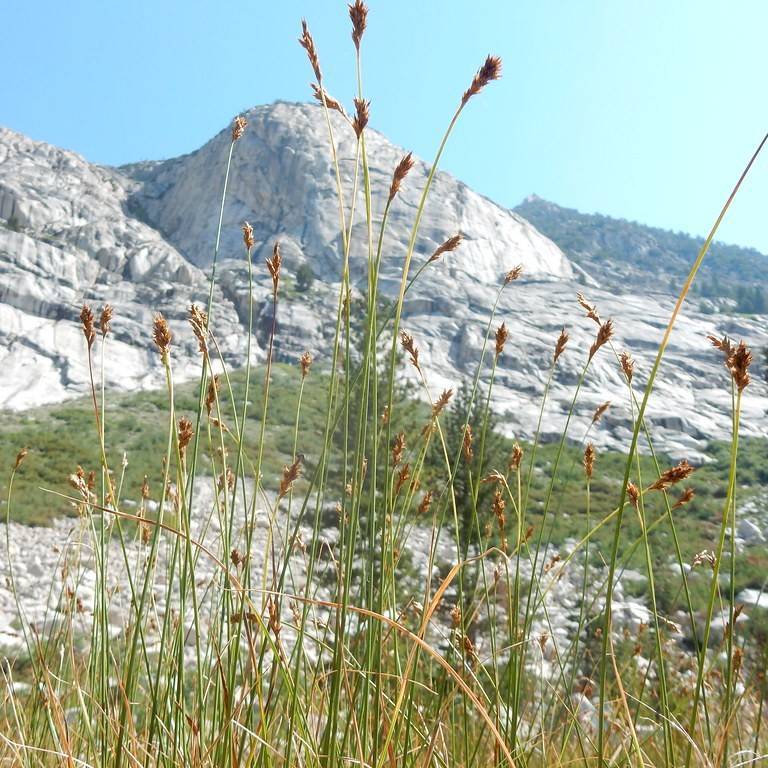
Dunhead Sedge
Carex sparganioides
Overview
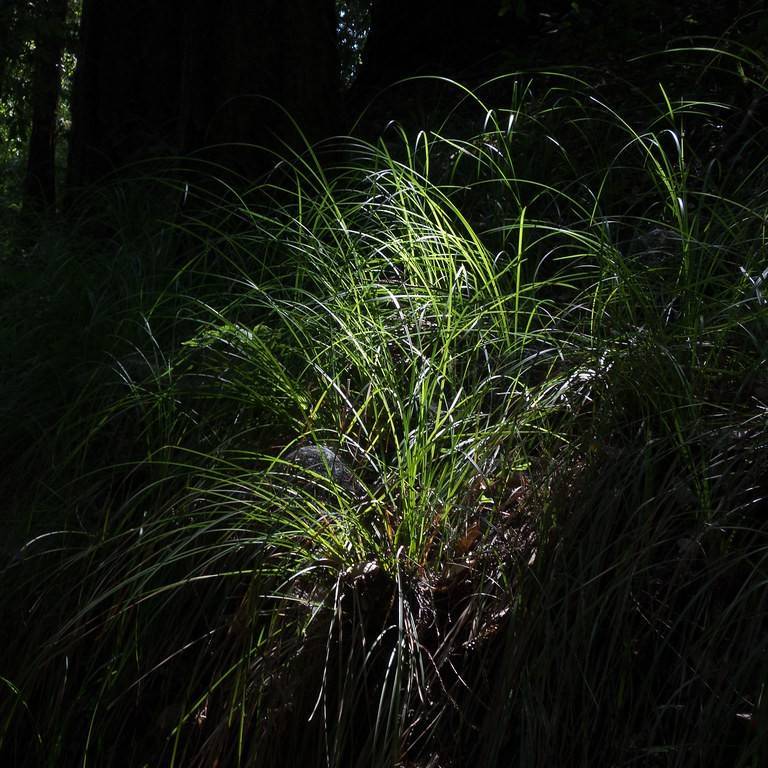
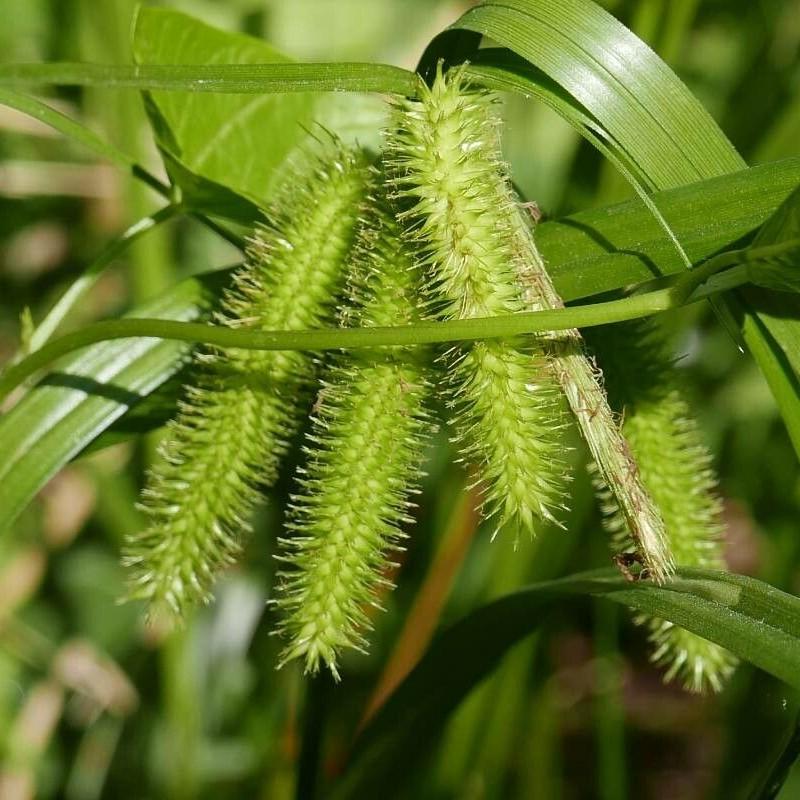
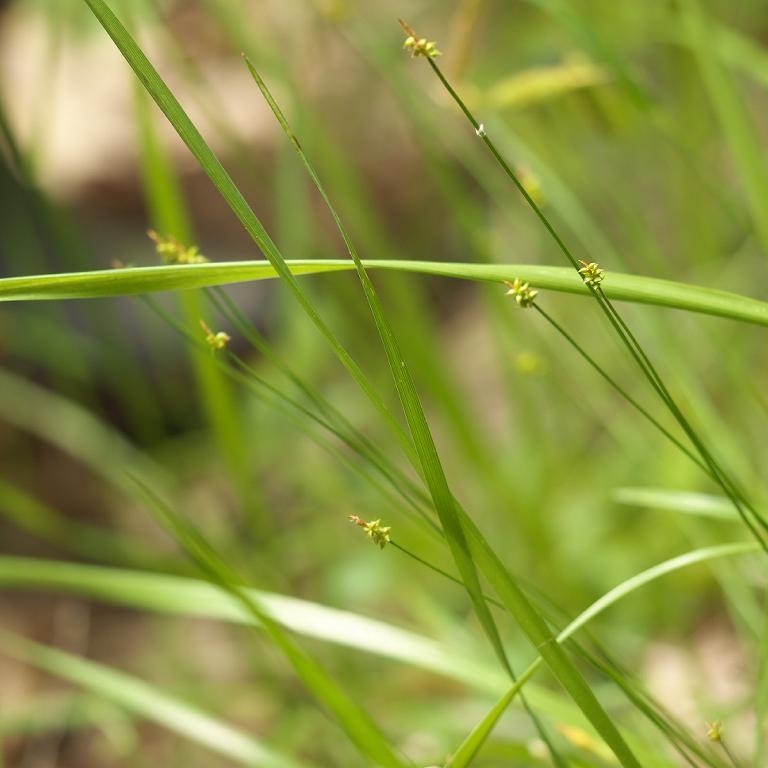
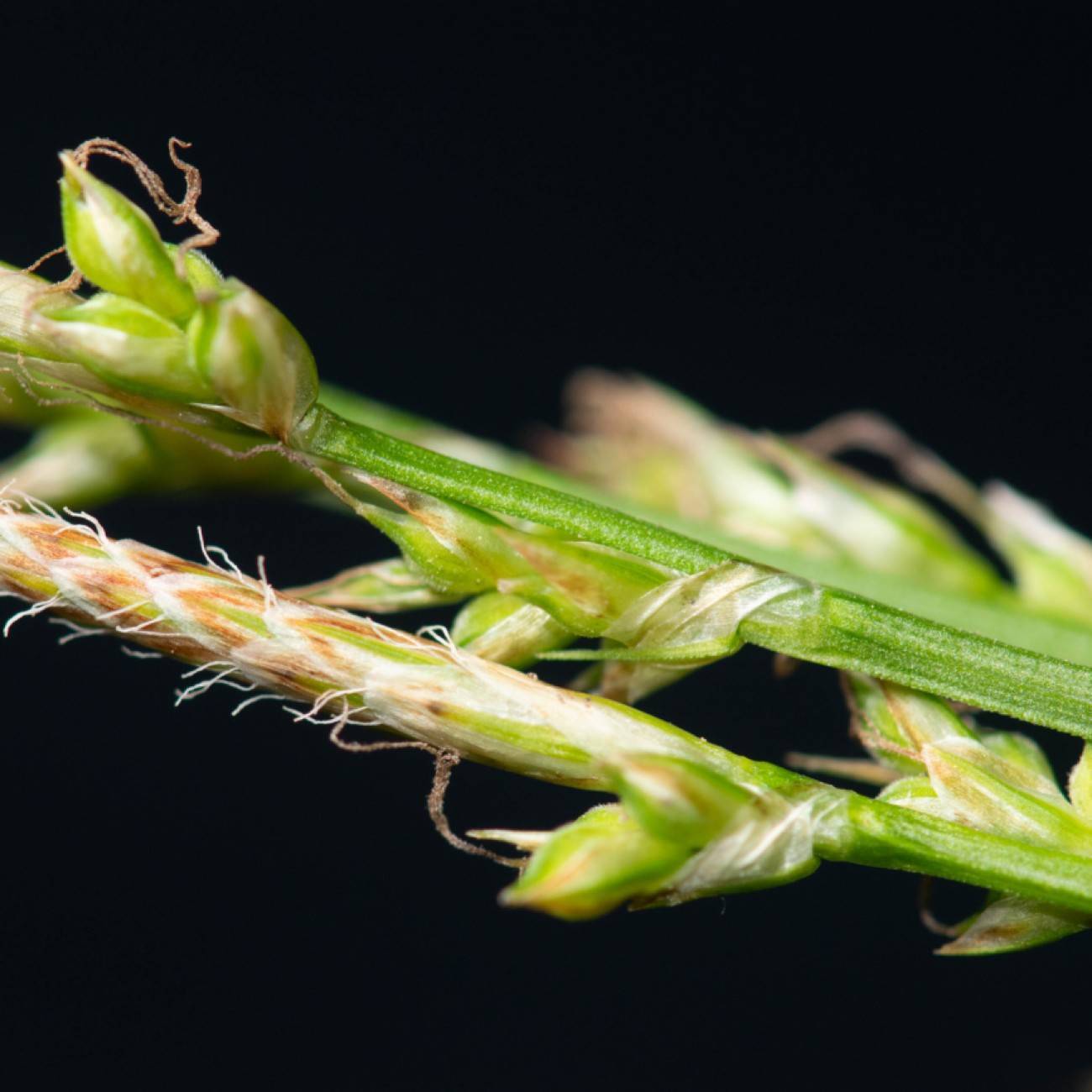
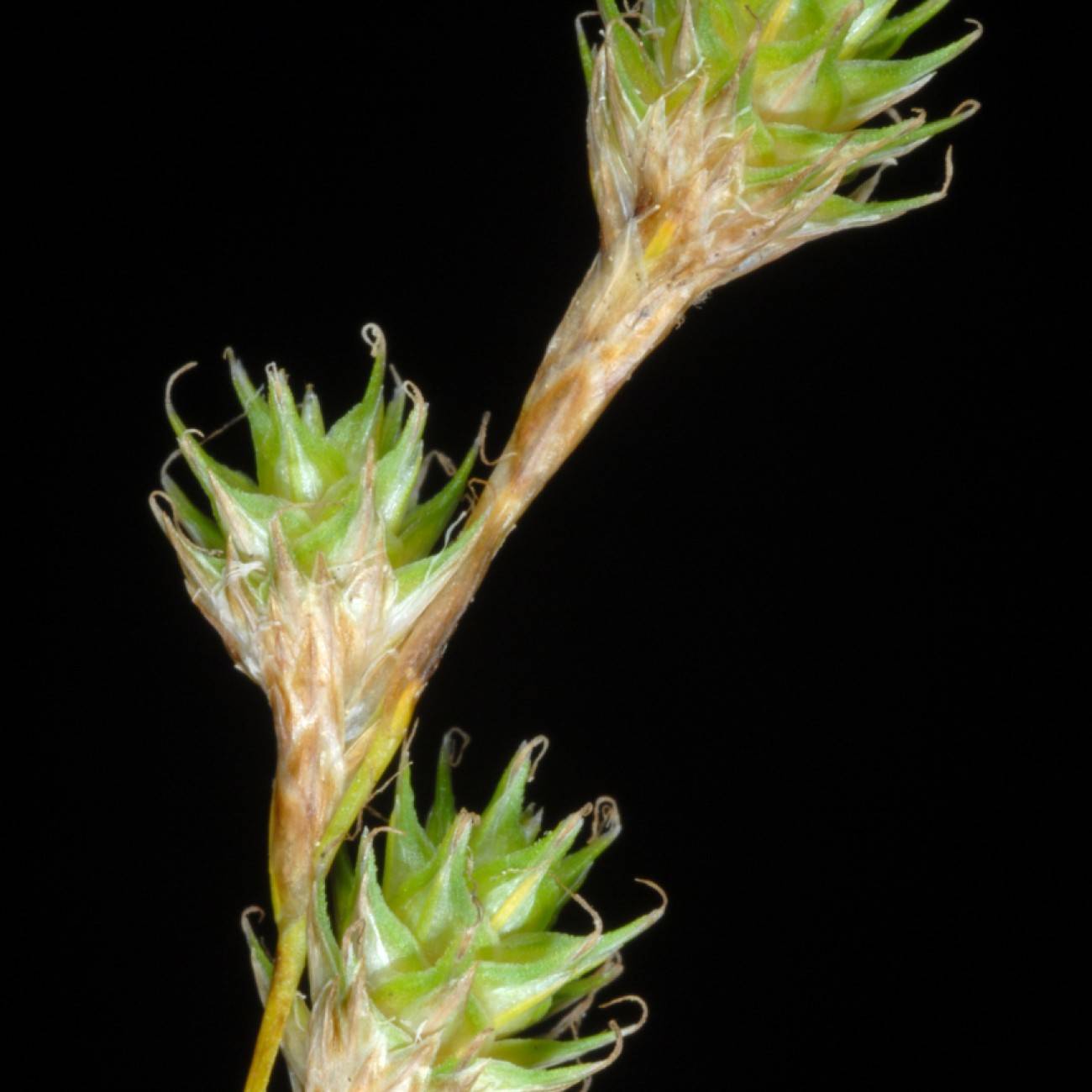
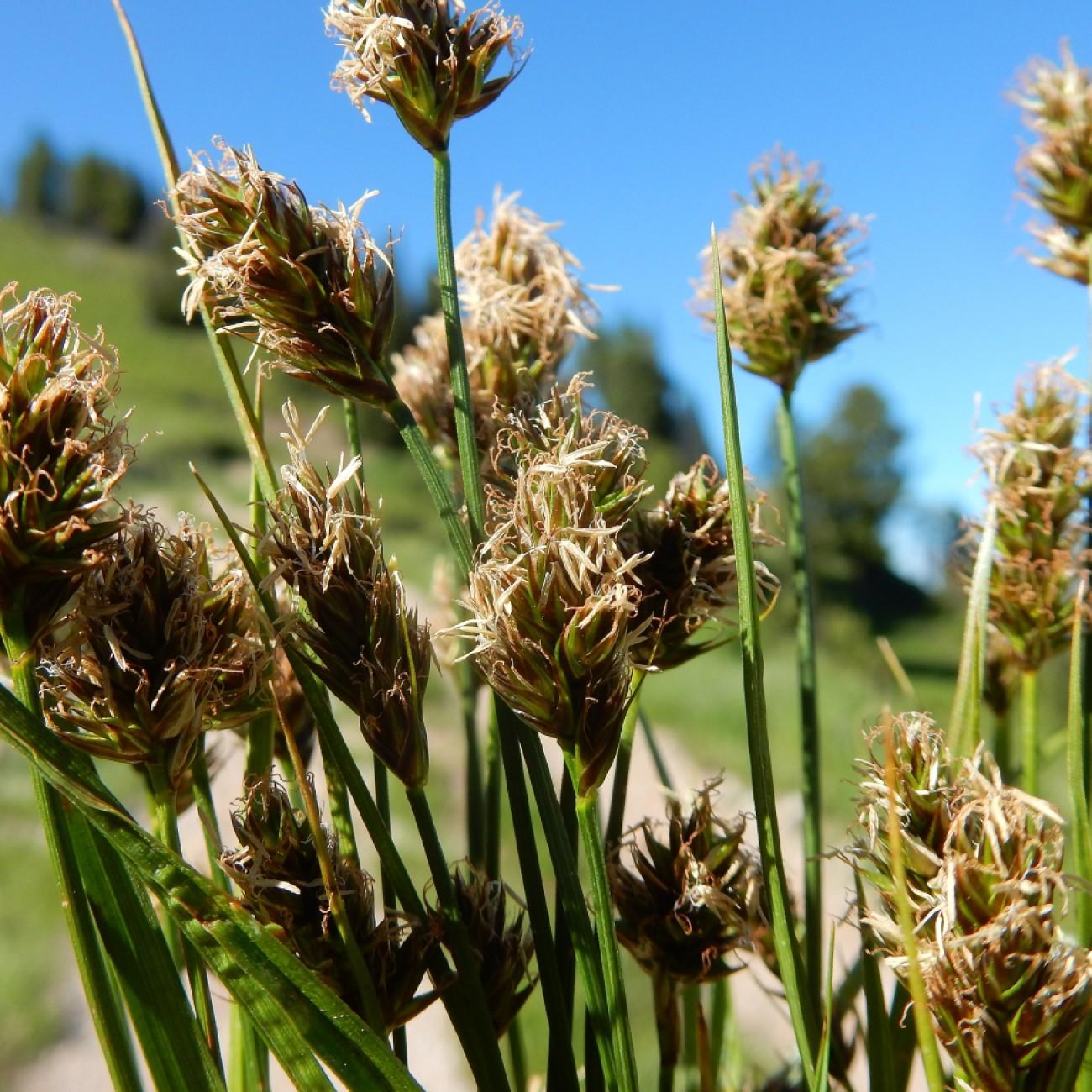
Dunhead Sedge, also called bur-reed sedge, is a herbaceous perennial that forms loose, arching clumps of narrow, bright green foliage. It produces distinctive, dense, rounded brown seed heads in late spring to early summer that resemble small burrs, earning it its common name. Adaptable to a range of moisture conditions, it is a popular choice for native plant gardens, rain gardens, and shaded naturalized areas, providing food and shelter for native pollinators, songbirds, and small wildlife.
Care Guide
Watering
Dunhead Sedge prefers consistently moist, well-drained soil and tolerates occasional short periods of standing water, making it ideal for rain garden plantings. Water regularly to keep the root zone from drying out completely, especially during periods of extended drought or hot summer weather. Established plants have mild drought tolerance, but perform best with steady access to moisture.
Light
This species thrives in partial to full shade, mimicking its native woodland understory and riparian edge habitats. It can tolerate a few hours of direct morning sun, but intense midday or afternoon sun will scorch its foliage and cause it to yellow prematurely. In cooler northern climates, it may grow in dappled full sun if kept consistently moist.
Soil
Dunhead Sedge adapts to a wide range of soil types, including loam, clay, and sandy soils, as long as moisture retention is adequate. It prefers slightly acidic to neutral pH levels, between 5.5 and 7.0, but tolerates mildly alkaline conditions as well. It is tolerant of compacted soils and occasional flooding, making it a hardy choice for difficult low-lying areas.
Fertilizer
This native sedge rarely requires supplemental fertilization, as it thrives in moderately fertile, unamended native soils. If planted in very poor, nutrient-depleted soil, apply a balanced, slow-release organic fertilizer in early spring at half the recommended rate for ornamental grasses. Over-fertilization will cause excessive, floppy growth and reduce the plant's natural hardiness.
Temperature
Dunhead Sedge is cold hardy in USDA zones 3 through 8, surviving winter temperatures as low as -40°F (-40°C). It prefers cool to moderate summer temperatures between 60°F and 80°F (15°C to 27°C), and will go dormant early if exposed to extended periods of heat above 90°F (32°C) without adequate moisture. Frost will kill back above-ground foliage, which regrows reliably in early spring.
Pruning
Prune Dunhead Sedge only in late winter or very early spring, before new foliage emerges, to cut back dead, brown foliage to a few inches above the soil line. Remove any damaged or yellowed leaves during the growing season as needed to maintain a tidy appearance, but avoid cutting back live green foliage, as this can stress the plant. Spent seed heads can be left in place through winter to provide food for songbirds, or trimmed back if a neater look is desired.
Propagation
Dunhead Sedge is most easily propagated by division in early spring, just as new growth begins to emerge, by splitting mature clumps into smaller sections with a sharp spade and replanting immediately at the same depth. It can also be grown from seed, which should be sown directly outdoors in fall to allow for natural cold stratification over winter, or stratified indoors for 60 days before spring sowing. Seed-grown plants typically take 2 to 3 years to reach mature flowering size.
Humidity
This sedge tolerates a wide range of humidity levels, from moderate woodland humidity to drier upland conditions, as long as soil moisture is sufficient. It does not require supplemental humidity when grown in appropriate outdoor conditions, and is tolerant of brief periods of low humidity in summer. In very dry climates, regular watering and a layer of organic mulch around the root zone will help maintain adequate moisture levels for healthy growth.
Repotting
Dunhead Sedge is rarely grown in containers, as it performs best when planted directly in the ground. If grown in a pot, repot every 2 to 3 years in early spring, moving to a slightly larger container with a well-draining, moisture-retentive potting mix amended with compost. Ensure the container has ample drainage holes to prevent root rot from standing water, and water thoroughly after repotting to settle the soil around the roots.
Uses & Symbolism
Dunhead Sedge is widely used in native plant gardens, rain gardens, riparian restoration projects, and shaded naturalized areas to control erosion, filter stormwater runoff, and provide habitat for native wildlife. Its dense clumps and seed heads offer cover for small amphibians and invertebrates, while the seeds are a favored food source for songbirds including sparrows and finches. It also works well as a low-maintenance, deer-resistant groundcover under mature trees, where traditional turf grasses struggle to grow in dense shade.
Diseases & Pests
Dunhead Sedge is largely pest and disease resistant, with no major common issues affecting its health. In overly saturated, poorly drained soil, it may occasionally develop root rot, which can be avoided by planting in sites with adequate drainage or amending heavy clay soils with organic matter. Rare infestations of aphids or spider mites may occur during extended dry periods, which can be controlled with a strong spray of water or insecticidal soap if populations become problematic.
Related plants
Other plants you might like if you grow Dunhead Sedge.