Hollywood Juniper
Juniperus chinensis 'Torulosa'
Overview
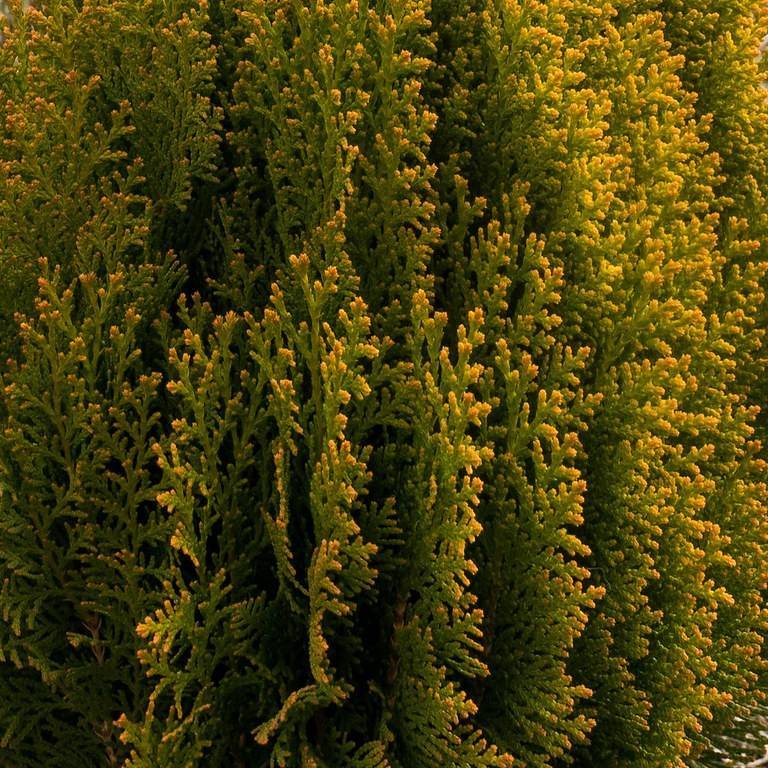
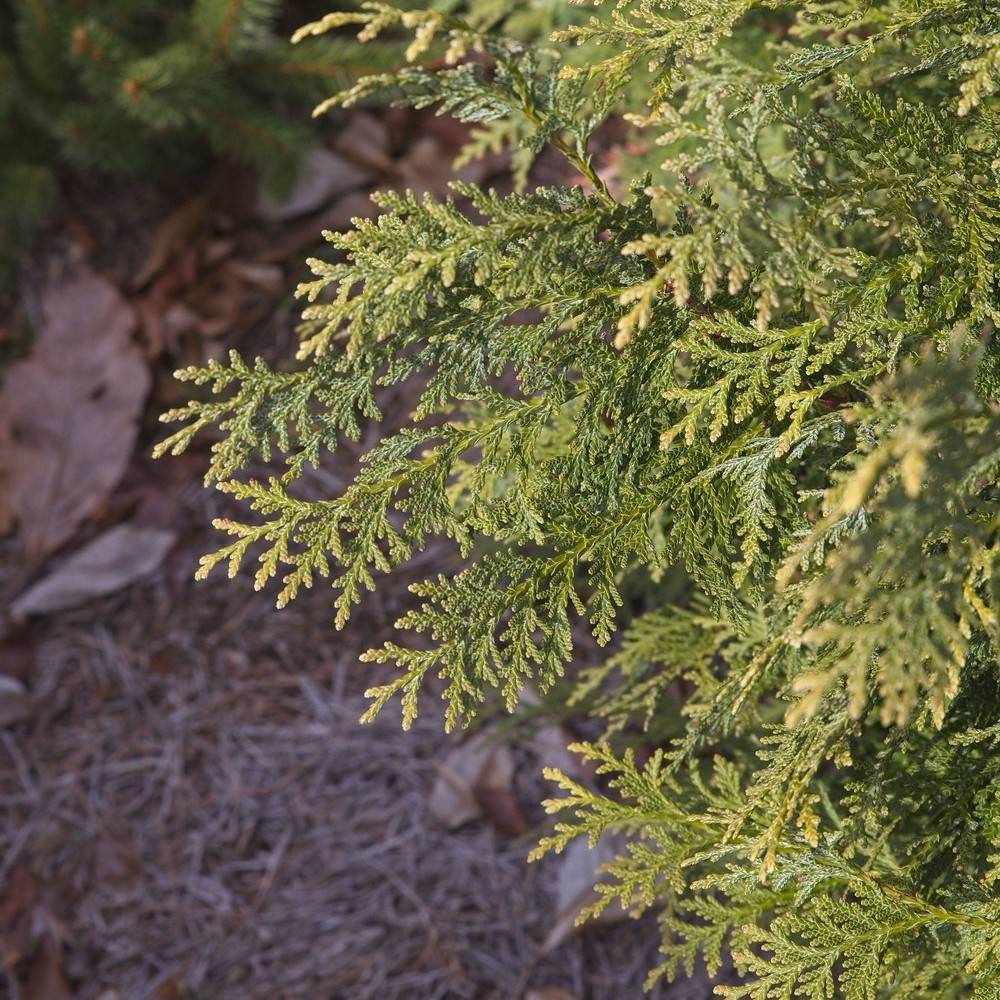
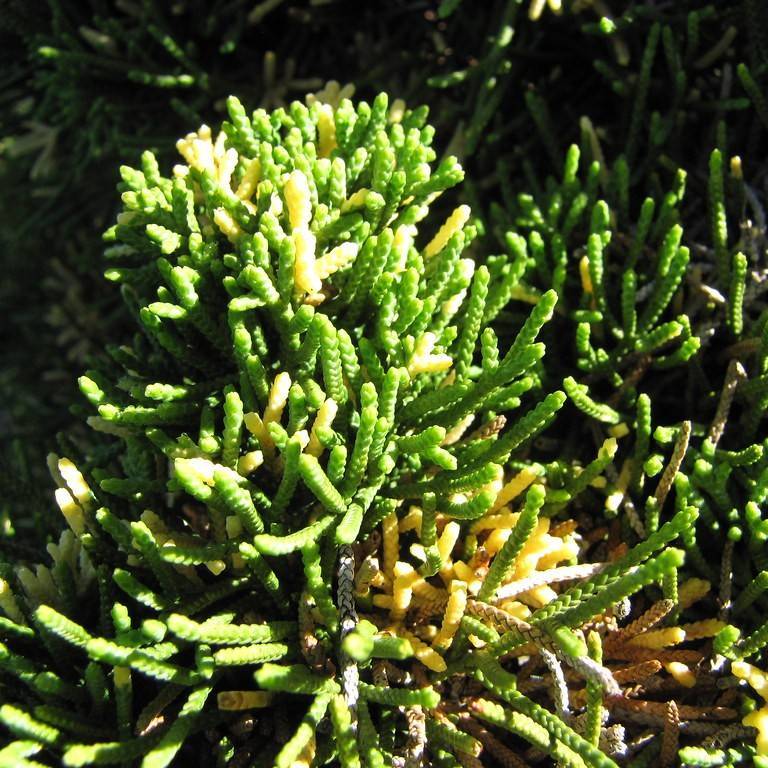
Hollywood Juniper, a popular cultivar of Chinese juniper, is prized for its uniquely contorted, upright branches that form a dramatic, irregular silhouette without regular pruning. Its dense, scale-like deep green foliage holds its color year-round, making it a reliable evergreen accent in temperate gardens. Hardy and highly adaptable, this slow-growing conifer tolerates a wide range of harsh conditions, from poor soil to drought and urban pollution, making it a favorite for low-effort landscape design. It is also frequently used in bonsai cultivation due to its naturally gnarled form and responsive growth to training.
Care Guide
Watering
Water newly planted Hollywood Junipers deeply once or twice weekly for the first growing season to establish a strong root system, allowing the top 2 to 3 inches of soil to dry out between waterings. Once established, this juniper is highly drought-tolerant, requiring only occasional supplemental watering during extended periods of hot, dry weather. Avoid overwatering or planting in areas with standing water, as excess moisture will quickly cause root rot and kill the plant.
Light
Hollywood Juniper thrives in full, direct sunlight, requiring a minimum of 6 hours of unobstructed sun per day to maintain its dense, compact growth and vibrant foliage color. It can tolerate very light partial shade, but prolonged low light conditions will cause sparse, leggy growth and increase susceptibility to fungal diseases. Plant in an open, unshaded location for the best structural development and overall health.
Soil
This adaptable conifer grows well in a wide range of soil types, including sandy, loamy, and even clay soils, as long as the growing medium provides excellent drainage. It prefers a slightly acidic to neutral soil pH between 6.0 and 7.5, but can tolerate mildly alkaline conditions as well. Amend heavy, compacted soils with coarse sand or compost at planting time to improve drainage and prevent root rot risk.
Fertilizer
Hollywood Juniper has very low nutrient requirements, and usually grows well without regular fertilization when planted in average garden soil. If growth is slow or foliage appears pale, apply a balanced, slow-release evergreen fertilizer in early spring before new growth emerges, following package dosage instructions carefully to avoid overfertilization. Do not apply fertilizer late in the growing season, as this can stimulate tender new growth that will be damaged by cold winter temperatures.
Temperature
This juniper is cold-hardy in USDA zones 4 through 9, tolerating winter temperatures as low as -30°F (-34°C) and summer highs up to 100°F (38°C) without damage. It is highly tolerant of wind, salt spray, and urban air pollution, making it suitable for coastal plantings, roadside landscapes, and city gardens. Young plants may benefit from a light layer of mulch around the base in their first 2 to 3 winters to insulate roots from extreme temperature fluctuations.
Pruning
Hollywood Juniper naturally develops its signature twisted, sculptural form with no required pruning, though you can trim stray branches in late winter or early spring to maintain a desired shape if desired. Avoid cutting back into bare, woody sections of the branches, as juniper does not produce new growth from old wood, leaving permanent bare spots that ruin the plant’s appearance. Remove any dead, diseased, or broken branches as soon as they are noticed to improve air circulation and prevent the spread of pathogens.
Propagation
Hollywood Juniper is most commonly propagated from semi-hardwood cuttings taken in late summer or early fall, as seed-grown plants will not retain the cultivar’s characteristic twisted growth habit. Take 4 to 6 inch cuttings from healthy, current-year growth, remove the lower foliage, dip the cut end in rooting hormone, and plant in a well-draining, sterile rooting medium kept consistently moist and warm until roots develop in 3 to 6 months. Propagation from seed is not recommended for home gardeners, as seeds require lengthy cold stratification and produce highly variable offspring.
Humidity
This drought-tolerant conifer prefers low to moderate humidity levels, and is highly tolerant of dry air conditions common in arid and temperate climates. High humidity combined with poor air circulation can increase the risk of foliar fungal diseases, so ensure plants are spaced adequately to allow air flow around the foliage. Indoor grown specimens (often kept as bonsai) do not require extra humidity, and tolerate typical household dry air well.
Repotting
Hollywood Juniper grown as bonsai should be repotted every 2 to 3 years in early spring, just before new growth begins, trimming up to 1/3 of the root ball and replanting in a well-draining, gritty bonsai soil mix. Landscape-planted specimens do not require repotting, as they will establish their root system in the surrounding soil naturally. When transplanting young landscape specimens, do so in early spring or fall, taking care to keep the root ball intact to minimize transplant shock.
Uses & Symbolism
Hollywood Juniper is most frequently used as a dramatic standalone focal point in landscape design, or planted in groups as a privacy screen, windbreak, or xeriscape border in low-water gardens. Its naturally gnarled, sculptural form makes it one of the most popular juniper cultivars for bonsai cultivation, with specimens trained in a wide range of traditional styles for indoor or outdoor display. It is also planted in coastal regions and along roadways due to its high tolerance for salt spray and urban pollution.
Diseases & Pests
The most common issues affecting Hollywood Juniper are fungal diseases including tip blight, cedar apple rust, and root rot, which almost exclusively occur in plants grown in poorly drained soil or shaded, high-humidity locations with poor air circulation. Common pests include spider mites, scale insects, and juniper aphids, which suck sap from foliage and cause yellowing or stunted growth, usually controlled with insecticidal soap or horticultural oil applied at the first sign of infestation. Most pest and disease problems can be avoided by planting in full sun, providing adequate drainage, and avoiding overwatering and overcrowding with other plants.
Related plants
Other plants you might like if you grow Hollywood Juniper.