Chinese Arborvitae
Platycladus orientalis
Overview
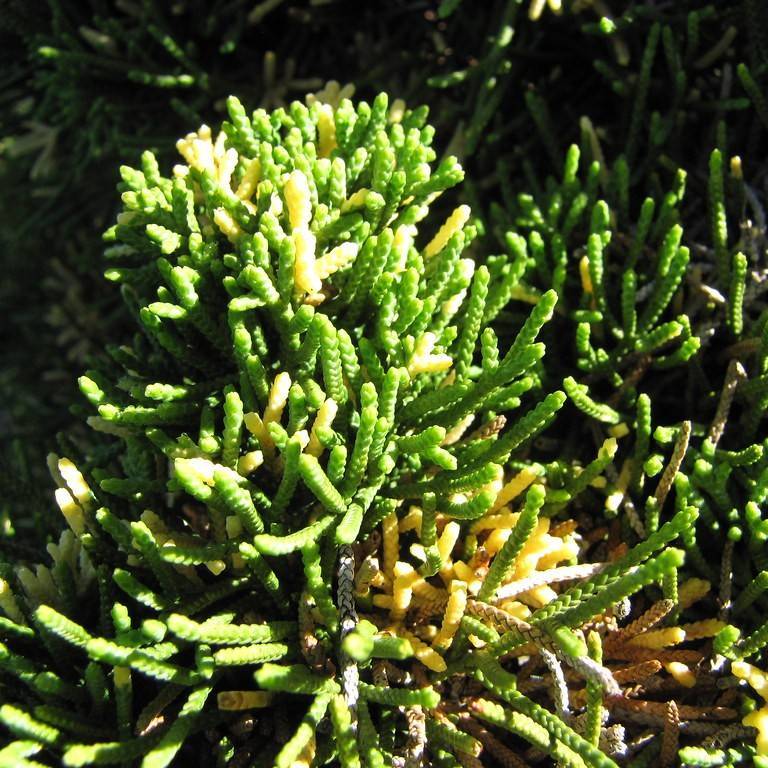
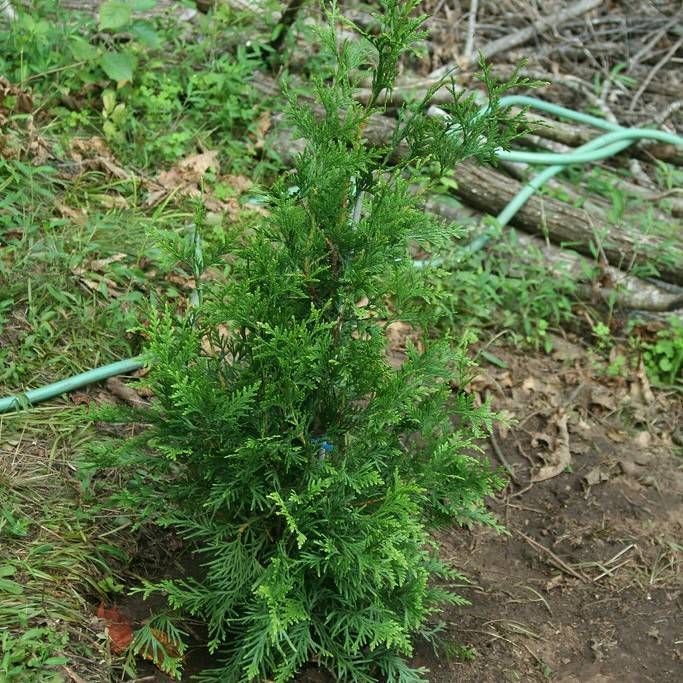
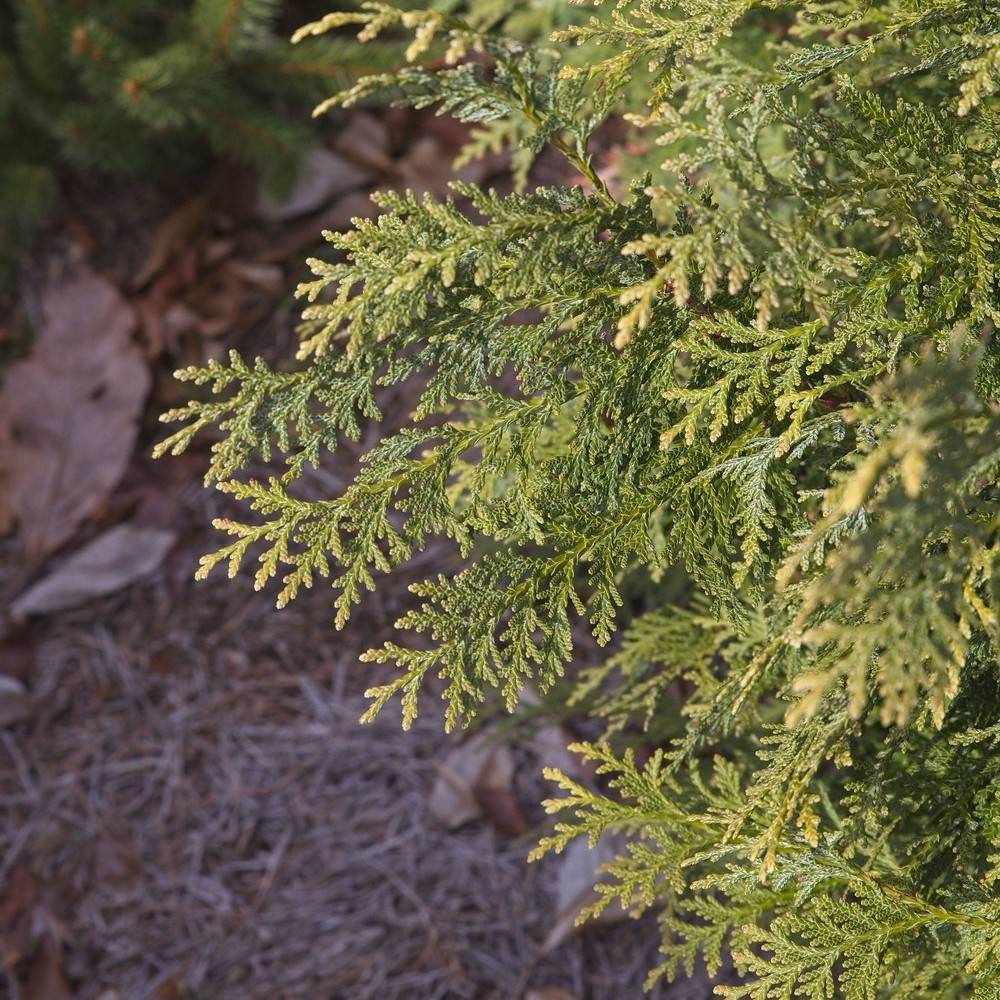
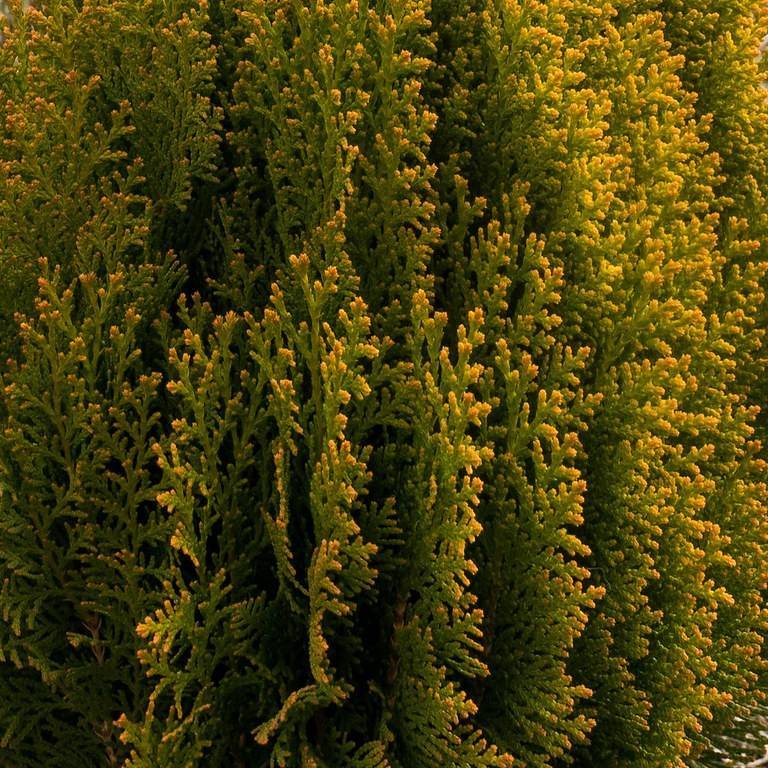
Chinese Arborvitae is a slow-growing evergreen conifer and the sole species in the Platycladus genus, recognizable by its upright, branching habit and flattened, scale-like foliage arranged in vertical fan planes that emit a resinous aroma when crushed. It is highly adaptable to a range of growing conditions, tolerating poor soil, drought, and urban pollution better than many other conifer species, making it a popular choice for hedges, screen plantings, and bonsai cultivation. Wild specimens can live for over 1,000 years, with some ancient trees in China considered culturally significant and protected as natural heritage sites.
Care Guide
Watering
Water newly planted Chinese Arborvitae deeply once or twice weekly for the first growing season to establish a robust root system, ensuring the soil remains evenly moist but not waterlogged. Once established, the species is highly drought-tolerant, requiring supplemental watering only during prolonged periods of extreme heat or dryness, as overwatering increases the risk of root rot. Avoid wetting the foliage when watering to reduce the likelihood of fungal disease development.
Light
Thrives in full sun exposure, requiring a minimum of 6 hours of direct, unfiltered sunlight daily to maintain its dense, compact growth habit and vibrant green foliage color. It can tolerate very light partial shade, though extended periods of low light will cause sparse, leggy growth and reduce the vibrancy of its foliage, making shaded positions unsuitable for ornamental specimens. When grown indoors as a bonsai, place it near a south-facing window that receives consistent direct sunlight year-round.
Soil
Adaptable to a wide range of soil types, including sandy, loamy, and clay soils, as long as the growing medium provides adequate drainage to prevent water pooling around the root zone. It tolerates a broad pH range from slightly acidic to moderately alkaline (pH 6.0 to 8.0), making it suitable for most garden soils without extensive amendment. For potted specimens or bonsai, use a well-draining conifer mix composed of equal parts coarse sand, pine bark, and loam to replicate its preferred growing conditions.
Fertilizer
Mature, established Chinese Arborvitae requires minimal fertilization, with an annual application of a balanced, slow-release evergreen fertilizer in early spring before new growth emerges sufficient to support healthy development. Avoid overfertilizing, especially with high-nitrogen formulas, as this can cause excessive, weak new growth that is vulnerable to cold damage and pest infestations. Potted or bonsai specimens benefit from a diluted liquid fertilizer applied every 4–6 weeks during the active growing season from spring to late summer, with no feeding during the dormant winter months.
Temperature
Thrives in temperate climates, with mature specimens hardy to USDA zones 6 through 11, tolerating winter temperatures as low as -10°F (-23°C) without significant damage once fully established. Young plants and newly transplanted specimens require winter protection, such as a layer of mulch around the root zone and burlap wrapping in areas with harsh, cold winds, to prevent frost damage and desiccation. When grown as a houseplant or bonsai, it prefers cool indoor temperatures between 50–75°F (10–24°C) during the growing season, with a cooler dormant period around 40–50°F (4–10°C) in winter to support healthy long-term growth.
Pruning
Prune Chinese Arborvitae in late winter or early spring before new growth begins to shape the plant, maintain its desired size, and remove any dead, damaged, or diseased branches. It tolerates heavy pruning well, making it ideal for formal hedges or topiary, though avoid cutting back into old, woody growth that lacks green foliage, as this part of the plant will not regenerate new shoots. Light trimming of stray branches can be done throughout the growing season to keep the plant neat, but cease all pruning at least 6 weeks before the first expected fall frost to prevent tender new growth from being damaged by cold temperatures.
Propagation
Most commonly propagated from semi-hardwood cuttings taken in late summer or early fall, selecting 4–6 inch (10–15 cm) long cuttings from healthy, current-year growth, removing the lower foliage, and dipping the cut end in rooting hormone before planting in a well-draining rooting medium. Cuttings root reliably within 3–6 months when kept in a warm, humid environment with bright, indirect light, and can be transplanted to their permanent location once a robust root system has developed. It can also be grown from seed sown in fall or stratified for 30–60 days at 40°F (4°C) before spring sowing, though seed-grown plants may not retain the exact characteristics of the parent cultivar, making cuttings the preferred method for named ornamental varieties.
Humidity
Adaptable to a wide range of humidity levels, tolerating both dry, arid conditions and moderate humidity without adverse effects, making it suitable for most outdoor and indoor growing environments. In extremely dry climates, occasional misting of young plants can help prevent foliage desiccation, though mature specimens do not require any supplemental humidity. When grown indoors as a bonsai, avoid placing it near heating or cooling vents that produce constant dry air, as this can cause the tips of the foliage to brown.
Repotting
Potted Chinese Arborvitae and bonsai specimens should be repotted every 2–3 years in early spring before new growth emerges, or when the plant becomes root-bound, indicated by roots growing through the drainage holes of the container. When repotting, gently loosen the root ball, remove any dead or rotting roots, and plant in a slightly larger container with fresh, well-draining conifer potting mix, taking care not to plant it deeper than it was growing in its previous pot. After repotting, water thoroughly and keep the plant in bright, indirect light for 1–2 weeks to allow it to acclimate before returning it to its normal growing location.
Uses & Symbolism
Chinese Arborvitae is widely planted as an ornamental landscape plant for hedges, privacy screens, foundation plantings, and topiary, with many dwarf cultivars developed for small gardens and container growing, including bonsai. Its durable, decay-resistant wood is used for construction, furniture making, and crafting incense in its native range, while its foliage and seeds have been used for centuries in traditional Chinese medicine to treat coughs, asthma, and excessive bleeding. It is also planted for erosion control and reforestation projects in marginal soils, as its deep root system and tolerance for poor growing conditions help stabilize slopes and degraded land.
Diseases & Pests
The most common pests affecting Chinese Arborvitae are spider mites, bagworms, aphids, and scale insects, which feed on foliage sap, causing yellowing, stunted growth, and defoliation if infestations are left untreated, and can be controlled with horticultural oil or insecticidal soap applications. Fungal diseases including blight, root rot, and needle cast can occur in poorly drained soils or conditions of high humidity and poor air circulation, causing brown, dying foliage and root decay, which can be prevented by planting in well-draining soil, spacing plants appropriately, and avoiding overhead watering. Young plants are also susceptible to deer browsing in areas with high deer populations, and winter burn from harsh cold winds and sunscald, which can be prevented with protective burlap wrapping during the coldest months.
Related plants
Other plants you might like if you grow Chinese Arborvitae.