Ashe Juniper
Juniperus ashei
Overview
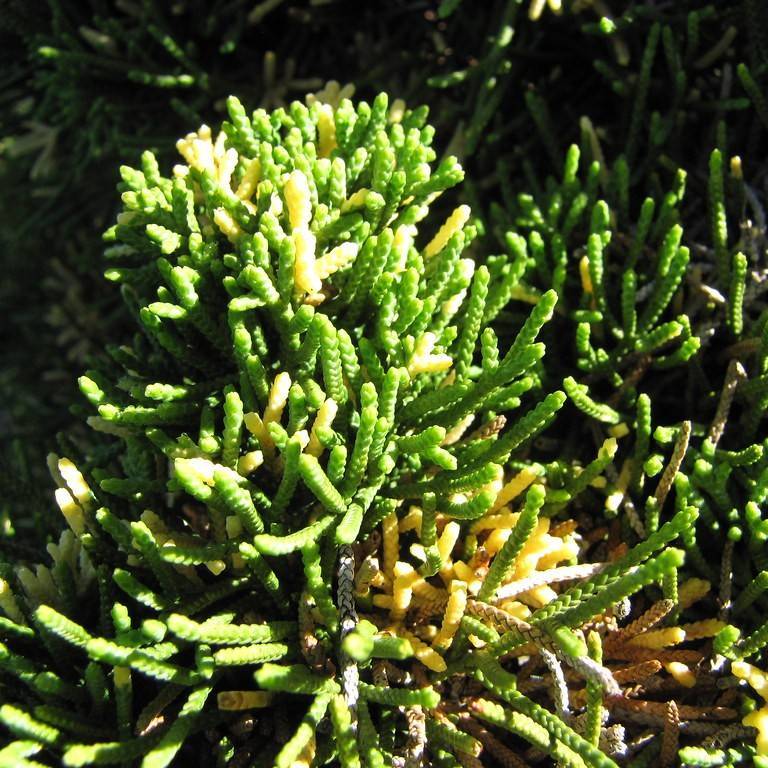
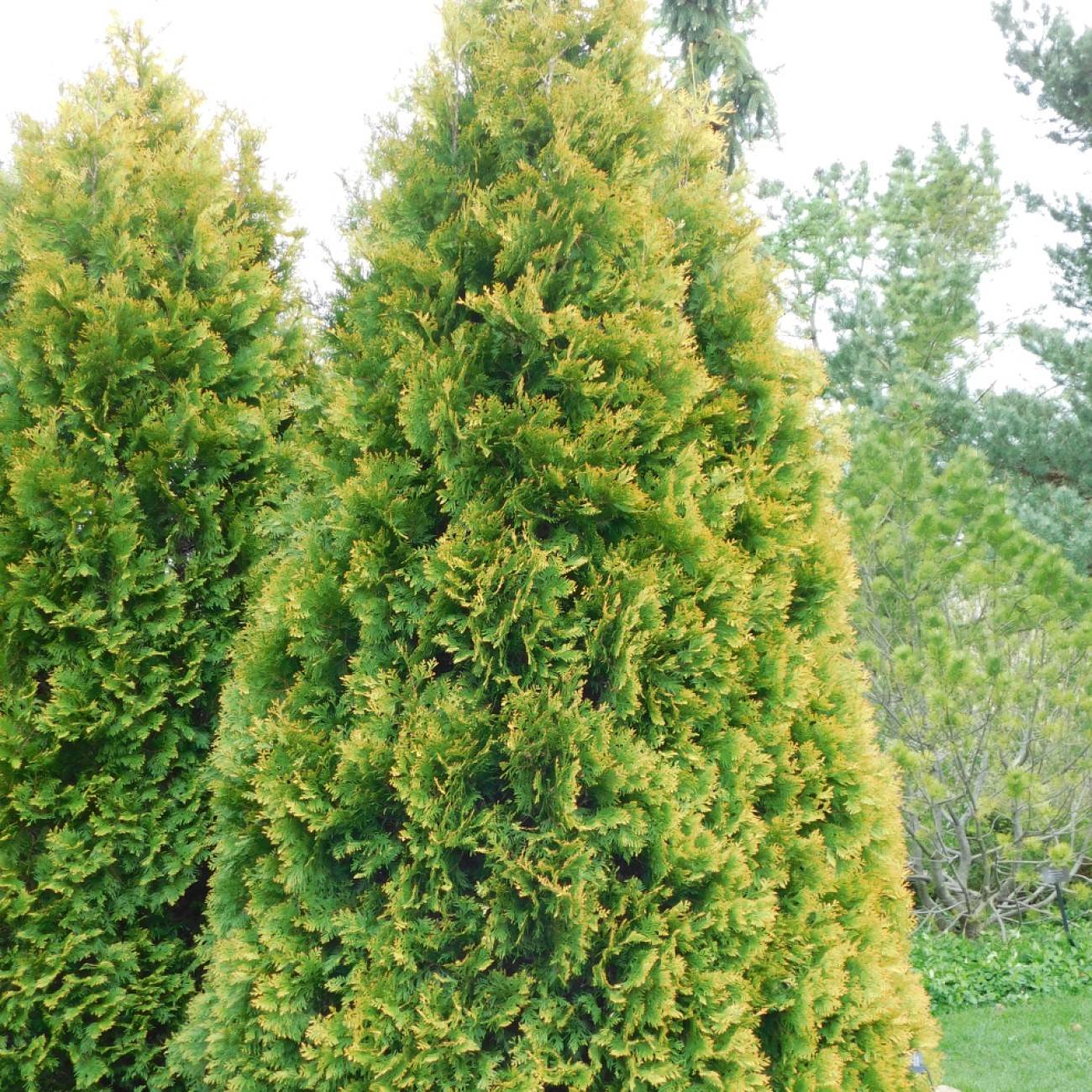
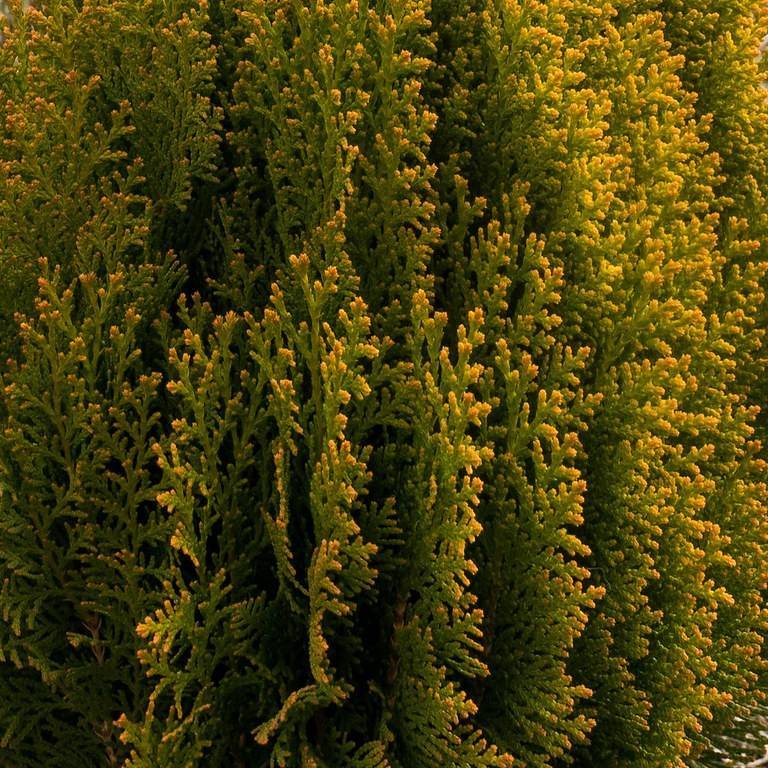
Ashe juniper is a densely branching evergreen conifer with scaly, gray-green foliage and peeling, reddish-brown bark on mature specimens. Female trees produce small, blue, berry-like seed cones that persist through winter, while male trees release large quantities of pollen in late winter, a common trigger for seasonal allergies in its native range. It is exceptionally adapted to dry, limestone-rich soils, and often forms dense thickets in its natural habitat.
Care Guide
Watering
Ashe juniper is extremely drought-tolerant once established, requiring only occasional deep watering during prolonged periods of extreme heat or drought. Overwatering, especially in poorly drained soils, will quickly lead to root rot and plant death, so allow the entire root zone to dry out completely between waterings. Newly planted saplings need regular, light watering for the first 1-2 years to support root establishment, but reduce frequency as the plant matures.
Light
This species thrives in full, direct sunlight, requiring a minimum of 6 hours of unobstructed sun per day for healthy, dense growth. It can tolerate very light, dappled shade, but prolonged shade will lead to sparse, leggy foliage and increased susceptibility to pest infestations. It is well-adapted to the intense, unfiltered sun of its native south-central U.S. habitat.
Soil
Ashe juniper prefers well-drained, alkaline, limestone-rich soils with a pH between 7.0 and 8.5, matching its native rocky plateau habitat. It can tolerate poor, shallow, gravelly soils with low nutrient content, but will not survive in heavy, waterlogged clay soils that retain moisture for extended periods. Amending heavy planting sites with crushed limestone or gravel to improve drainage is critical for long-term survival.
Fertilizer
This low-maintenance conifer requires very little supplemental fertilization, as it is adapted to nutrient-poor rocky soils. If growth is stunted, apply a balanced, slow-release evergreen fertilizer once annually in early spring, avoiding high-nitrogen formulas that can promote excessive, weak new growth. Never fertilize newly planted saplings for the first year, as this can burn delicate developing roots.
Temperature
Ashe juniper is highly cold-hardy, tolerating winter temperatures as low as -10°F (-23°C), and thrives in hot, arid summer conditions up to 110°F (43°C). It is well-adapted to the extreme temperature fluctuations common in its native range, with no additional winter protection needed in USDA hardiness zones 6 through 9. Extended periods of high humidity combined with poor air circulation can increase fungal disease risk.
Pruning
Prune Ashe juniper sparingly in late winter before new growth emerges, only to remove dead, damaged, or diseased branches, or to shape the tree for a desired form. Avoid cutting back into old, bare wood, as this species does not produce new growth from wood that has lost all its foliage, leaving permanent bare patches. Thin out overcrowded inner branches periodically to improve air circulation and reduce pest and disease risk.
Propagation
Ashe juniper is most reliably propagated from seed, though germination is slow and can take 2-3 years, as seeds require both warm and cold stratification periods to break dormancy. Semi-hardwood cuttings taken in late summer can also root successfully, though rooting rates are typically low, and cuttings benefit from the application of rooting hormone and consistent bottom heat. Wild seedlings are often abundant in native habitats and can be transplanted in early spring for easy establishment.
Humidity
This species prefers low to moderate humidity levels between 30% and 50%, matching its native arid and semi-arid plateau environment. It can tolerate short periods of higher humidity, but prolonged high humidity combined with poor air circulation and wet foliage increases the risk of fungal blights and root rot. Avoid planting in low-lying, poorly ventilated sites that trap moist air for extended periods.
Repotting
Ashe juniper is rarely grown in containers for long periods, as it develops a deep taproot and requires ample root space to thrive. If grown as a container specimen, repot every 2-3 years in early spring, using a fast-draining, alkaline potting mix amended with crushed limestone, and choosing a deep container to accommodate its taproot. Avoid disturbing the root ball more than necessary during repotting to reduce transplant shock.
Uses & Symbolism
The dense, evergreen foliage of Ashe juniper provides critical year-round shelter and food for a wide range of wildlife, including birds, deer, and small mammals, with its blue seed cones a valuable winter food source. Its highly aromatic, rot-resistant wood is commonly used for fence posts, furniture, and craft projects, as well as for smoking meats to add a distinct, earthy flavor. It is also planted widely for erosion control on steep, rocky slopes, and as a low-maintenance windbreak or privacy screen in its native range.
Diseases & Pests
Ashe juniper is relatively resistant to most pests and diseases, but can be susceptible to twig blight and cedar-apple rust, a fungal disease that alternates between juniper hosts and apple/crabapple trees, causing galls on juniper branches and leaf damage on rosaceous hosts. Spider mites and bagworms are the most common insect pests, with bagworm infestations capable of defoliating entire trees if not controlled by handpicking or targeted insecticides in early spring. Overwatering and poor drainage are the most common causes of health decline, leading to fatal root rot that cannot be treated once advanced.
Related plants
Other plants you might like if you grow Ashe Juniper.