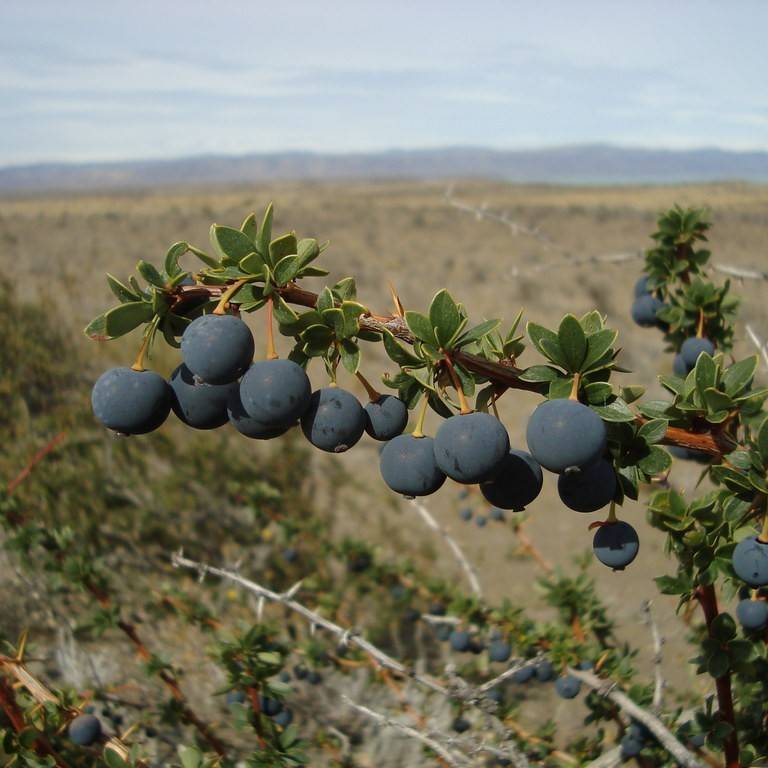
Box Leaf Barberry
Berberis buxifolia
Overview
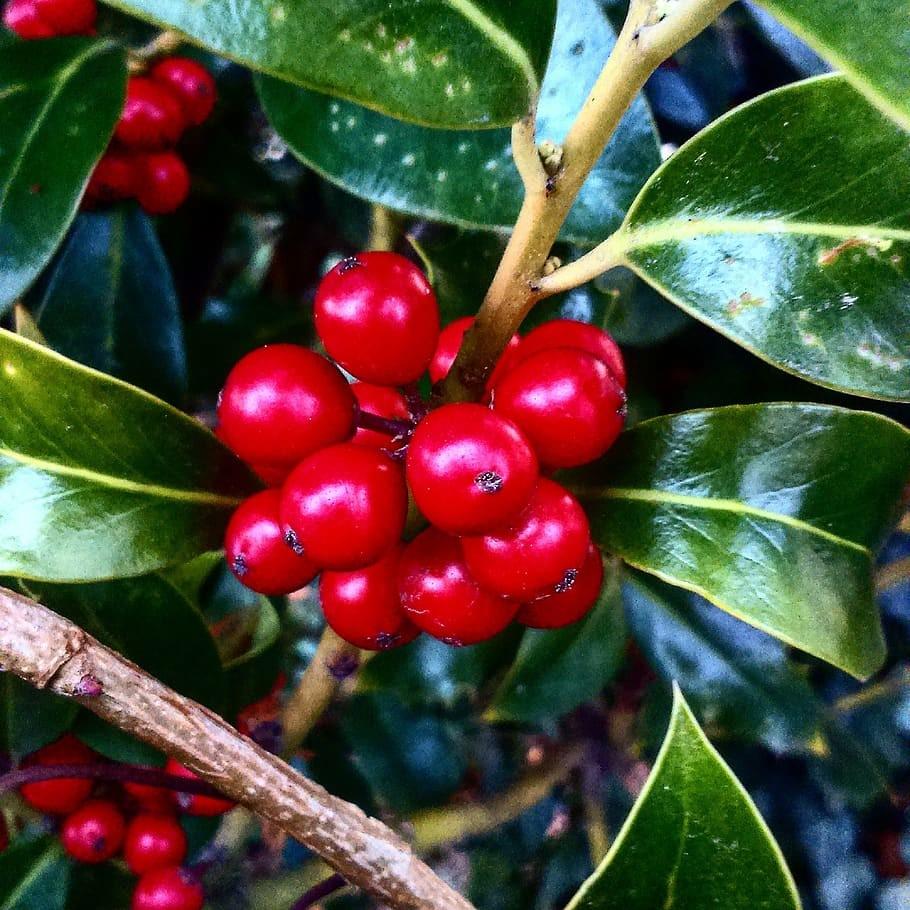
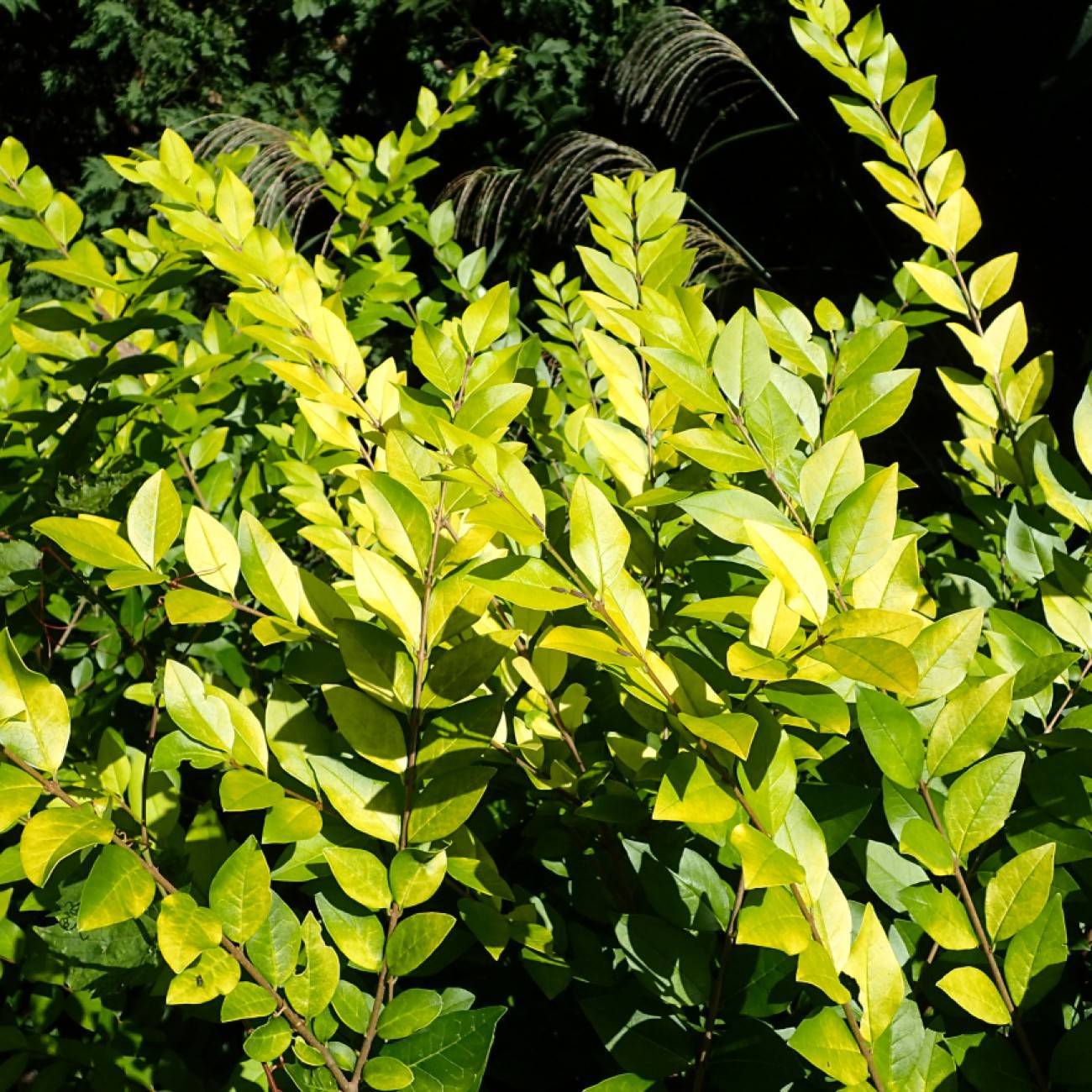
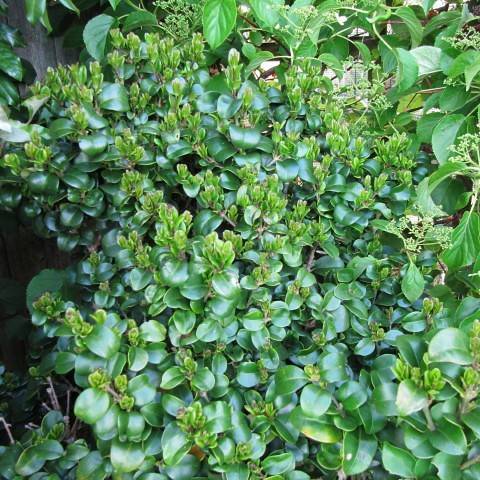
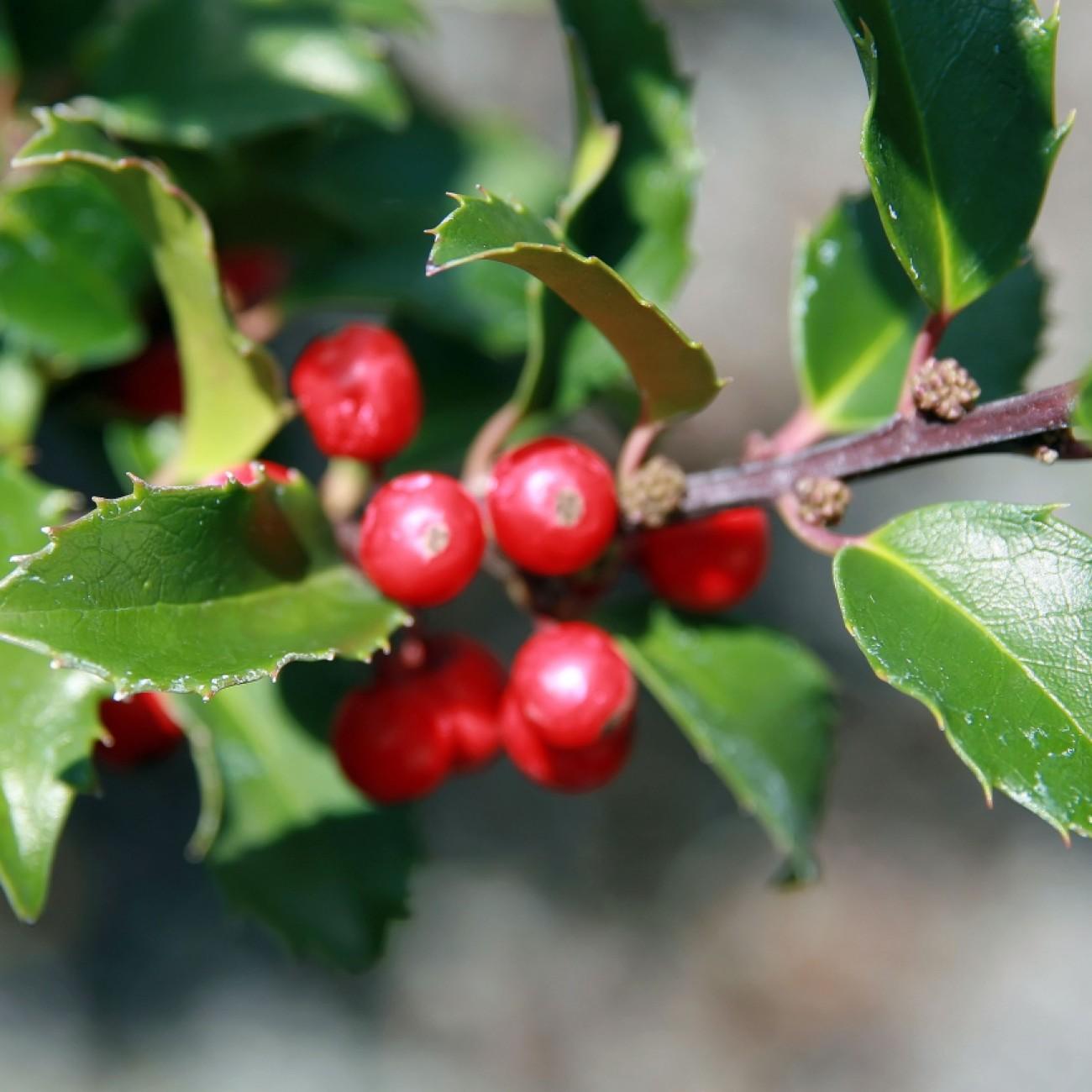
Box Leaf Barberry is a tough, drought-tolerant evergreen shrub named for its small, glossy, oval leaves that closely resemble those of common boxwood (Buxus sempervirens). It produces clusters of bright, fragrant yellow flowers in spring that give way to small, waxy dark blue berries in late summer and autumn, which persist into winter for wildlife forage. Its dense, thorny growth habit makes it a popular choice for security hedges and low-maintenance ornamental borders in temperate and Mediterranean climates.
Care Guide
Watering
Water newly planted shrubs regularly for the first year to establish deep root systems, keeping soil evenly moist but not waterlogged. Once established, box leaf barberry is highly drought-tolerant, requiring only occasional supplemental watering during extended dry periods, and is prone to root rot if overwatered.
Light
Thrives in full sun to partial shade, with full sun exposure encouraging the most abundant flowering and berry production, as well as denser, more compact foliage growth. It can tolerate deep shade but will become leggy and produce fewer flowers and berries in low-light conditions.
Soil
Adaptable to a wide range of soil types, including sandy, loam, and clay soils, as long as the site has good drainage to prevent root rot. It tolerates slightly acidic to slightly alkaline pH levels, and performs well in poor, low-nutrient soils where many other shrubs struggle to establish.
Fertilizer
Generally requires minimal fertilization, as it thrives in low-nutrient soils; an annual application of balanced, slow-release shrub fertilizer in early spring can support healthy growth if planted in particularly poor soil. Avoid over-fertilizing, which can lead to excessive, soft growth that is more vulnerable to frost damage and pest infestations.
Temperature
Hardy in USDA zones 7 to 9, tolerating winter temperatures down to 0°F (-18°C) once fully established. It prefers mild, temperate climates, and may suffer foliage burn in regions with extreme, prolonged summer heat or harsh, drying winter winds.
Pruning
Prune in late winter or early spring before new growth emerges to shape the shrub, remove dead or damaged branches, and maintain desired density for hedging. Wear thick gloves when pruning to avoid injury from its sharp, stiff thorns, and avoid heavy pruning back into old, woody growth which may not resprout reliably.
Propagation
Most commonly propagated from semi-hardwood cuttings taken in late summer, which root readily in well-draining potting mix with bottom heat and consistent moisture. It can also be grown from seed, though seeds require cold stratification for 2 to 3 months to break dormancy, and seed-grown plants may vary slightly from the parent plant's characteristics.
Humidity
Adaptable to a wide range of humidity levels, thriving in both dry Mediterranean climates and moderately humid temperate regions. It does not tolerate high, sustained humidity combined with poor air circulation, which can increase the risk of fungal leaf spot and powdery mildew.
Repotting
Rarely grown in containers long-term due to its size, but if potted for temporary use, repot every 2 to 3 years in early spring using a well-draining general purpose potting mix, and select a pot with ample drainage holes to prevent waterlogging. Root-bound container specimens will show stunted growth and reduced flowering, and may require root pruning during repotting to maintain a manageable size.
Uses & Symbolism
Widely planted as a low-maintenance, security hedge due to its dense, thorny growth that deters trespassers and wildlife, and its evergreen foliage provides year-round screening. Its berries are edible when cooked, often used to make jams, jellies, and tart beverages, and are also a valuable food source for native birds in its native range and cultivated areas. Extracts from its bark and roots contain berberine, which has been used in traditional herbal medicine for its antimicrobial and anti-inflammatory properties, though consumption is not recommended without professional guidance.
Diseases & Pests
Generally pest and disease resistant, but may be susceptible to fungal issues such as powdery mildew, leaf spot, and root rot in poorly drained or overly humid conditions with poor air circulation. Occasional pest infestations include aphids, scale insects, and barberry webworm, which can be controlled with horticultural oil or insecticidal soap if populations become problematic. Unlike some other Berberis species, it is not a significant alternate host for wheat stem rust, making it safer to plant in agricultural regions where wheat is grown.
Related plants
Other plants you might like if you grow Box Leaf Barberry.