Dwarf Holly
Ilex crenata 'Compacta'
Overview
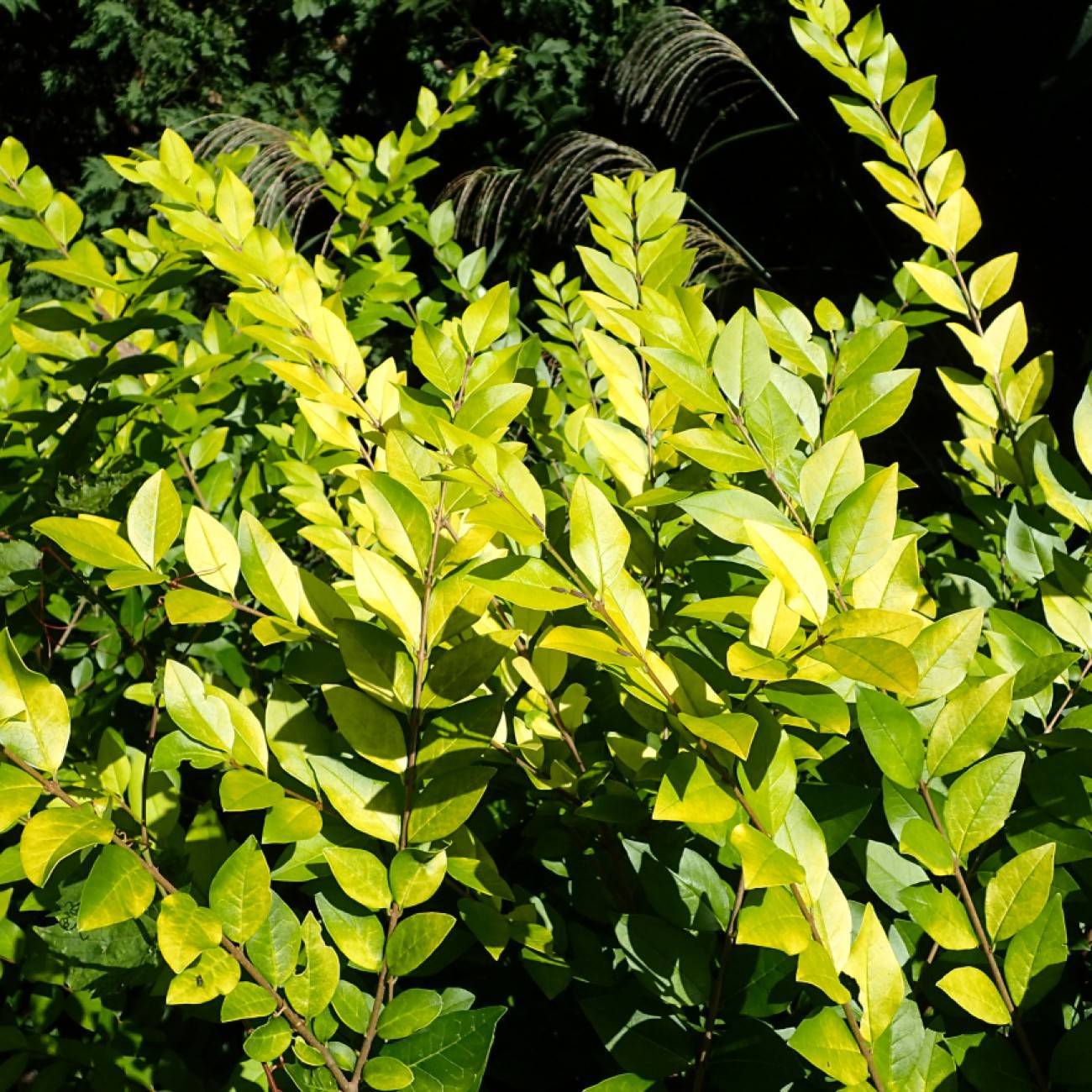
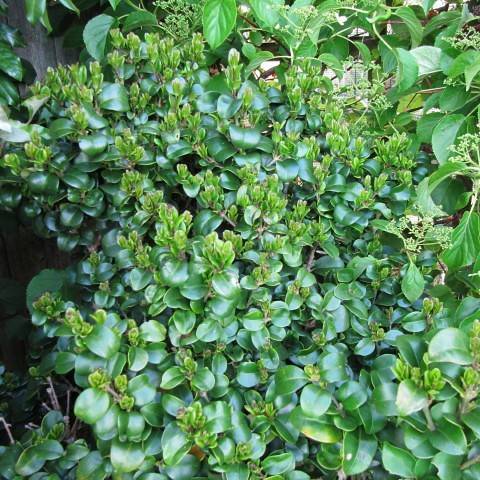
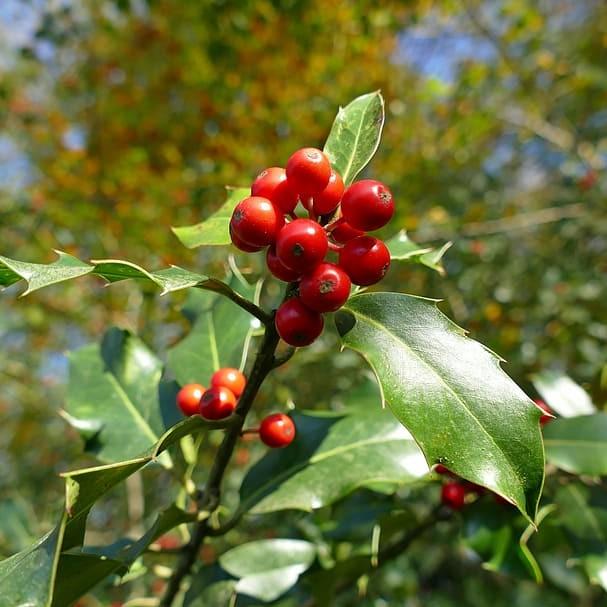
Dwarf holly is a compact cultivar of Japanese holly, valued for its dense, rounded growth habit and small, dark green, serrated leaves that resemble traditional holly foliage without sharp spines. It produces tiny, inconspicuous white flowers in spring, followed by small black berries on female plants if a male pollinator is nearby. This versatile shrub adapts well to shearing, making it a popular alternative to boxwood for formal hedges, topiaries, and foundation plantings in temperate regions.
Care Guide
Watering
Water newly planted dwarf holly regularly to keep the soil consistently moist but not waterlogged for the first 1-2 years, until the root system is established. Mature plants are drought-tolerant, requiring supplemental watering only during extended dry periods, as overwatering can lead to root rot. Avoid wetting the foliage when watering to reduce the risk of fungal diseases.
Light
Dwarf holly thrives in full sun to partial shade, with at least 4 hours of direct sunlight daily to promote dense, compact growth. In regions with extremely hot summer sun, it benefits from light afternoon shade to prevent leaf scorch. Too much deep shade will cause sparse, leggy growth and reduce the plant's natural dense form.
Soil
This shrub prefers well-drained, slightly acidic soil with a pH between 5.0 and 6.5, though it adapts to a wide range of soil types including loam, sandy, and clay soils as long as drainage is good. It does not tolerate waterlogged or heavy, poorly draining soils, which can cause fatal root rot. Amending heavy soil with organic matter such as compost or peat moss at planting time will improve drainage and soil structure.
Fertilizer
Fertilize dwarf holly once per year in early spring before new growth emerges using a slow-release, balanced evergreen shrub fertilizer formulated for acid-loving plants. Avoid fertilizing late in the growing season, as this can stimulate tender new growth that is vulnerable to frost damage. Over-fertilization can cause leaf burn and excessive, leggy growth, so follow package dosage instructions carefully.
Temperature
Dwarf holly is cold hardy in USDA zones 5 through 8, tolerating winter temperatures as low as -20°F (-29°C) once established. It can withstand summer temperatures up to 90°F (32°C), though prolonged heat combined with drought may cause leaf drop. In colder zones, apply a 2-3 inch layer of mulch around the base of the plant in late fall to insulate roots and prevent frost heave.
Pruning
Prune dwarf holly in late winter or early spring before new growth appears to maintain its desired shape and size, as it tolerates heavy shearing extremely well. Light, periodic trimming during the growing season can also be done to keep formal hedges or topiaries neat, but avoid pruning after mid-fall to prevent new growth from being damaged by frost. Remove any dead, diseased, or crossing branches at any time to improve air circulation within the shrub.
Propagation
Dwarf holly is most commonly propagated via semi-hardwood cuttings taken in late summer or early fall, when new growth has partially hardened off. Dip cut end in rooting hormone, plant in a well-drained soilless medium, and keep moist under high humidity until roots form in 8-12 weeks. Growing from seed is not recommended for cultivated cultivars, as seedlings will not retain the parent plant's compact growth habit.
Humidity
Dwarf holly adapts well to average ambient humidity levels between 40% and 60%, which is typical of most temperate outdoor and indoor environments. It does not require extra humidity, though extremely dry air in heated indoor spaces may cause occasional leaf browning at the tips. Good air circulation around the plant helps prevent fungal issues in high-humidity climates.
Repotting
For container-grown dwarf holly, repot every 2-3 years in early spring before new growth starts, moving to a pot one size larger with drainage holes to prevent waterlogging. Use a well-drained, acidic potting mix formulated for evergreens or acid-loving plants when repotting. Trim any circling or damaged roots during repotting to encourage healthy new root growth, and water thoroughly after transplanting to settle the soil.
Uses & Symbolism
Dwarf holly is widely used in landscaping as a low formal hedge, border plant, foundation planting, or topiary, and its compact size makes it suitable for container growing on patios or entryways. It is a popular substitute for boxwood in regions where boxwood blight is a concern, as it has similar growth characteristics and tolerates shearing equally well. The dense evergreen foliage provides year-round cover and food for small birds and beneficial insects in residential gardens.
Diseases & Pests
Dwarf holly is relatively pest and disease resistant, but can be susceptible to root rot in poorly drained soil, spider mites during hot, dry weather, and scale insects that suck sap from leaves and stems. Fungal leaf spot and powdery mildew may occur in humid conditions with poor air circulation, causing unsightly leaf discoloration and premature drop. Chlorosis, or yellowing of leaves, may occur in alkaline soils due to insufficient iron availability, which can be corrected with soil acidifiers.
Related plants
Other plants you might like if you grow Dwarf Holly.