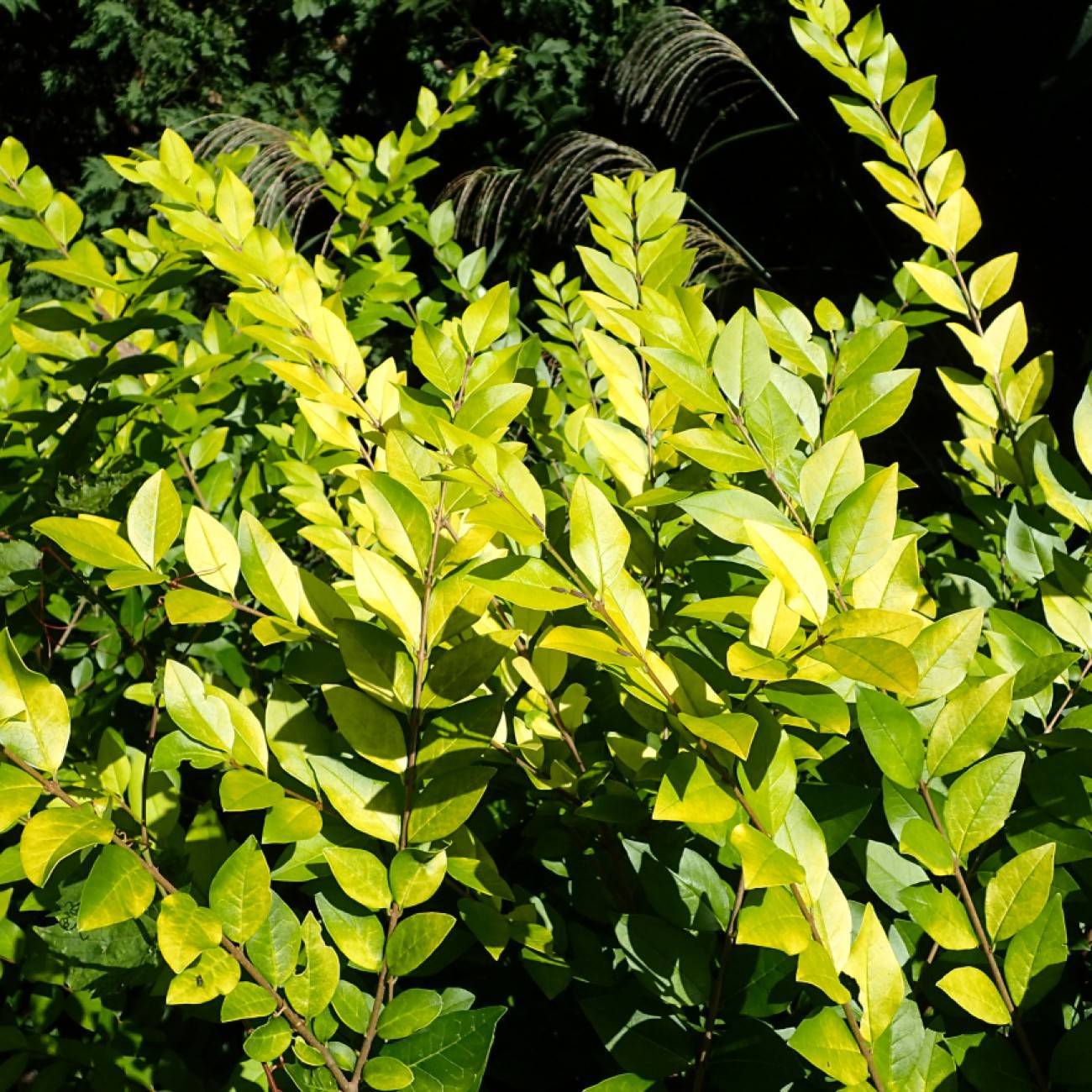
Golden Privet
Ligustrum ovalifolium 'Aureum'
Overview
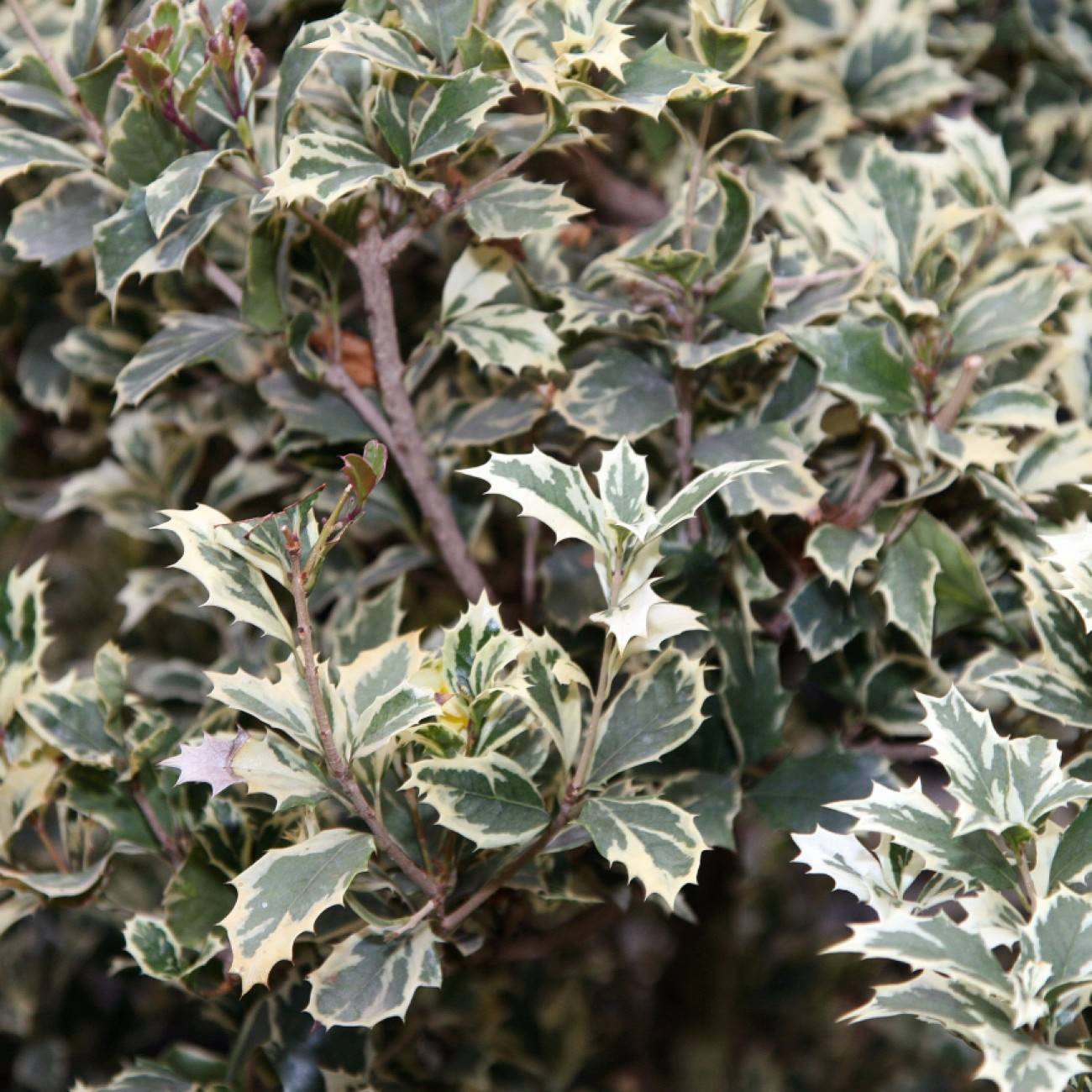
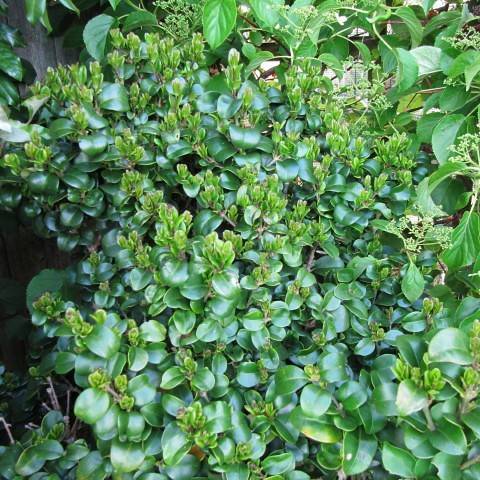
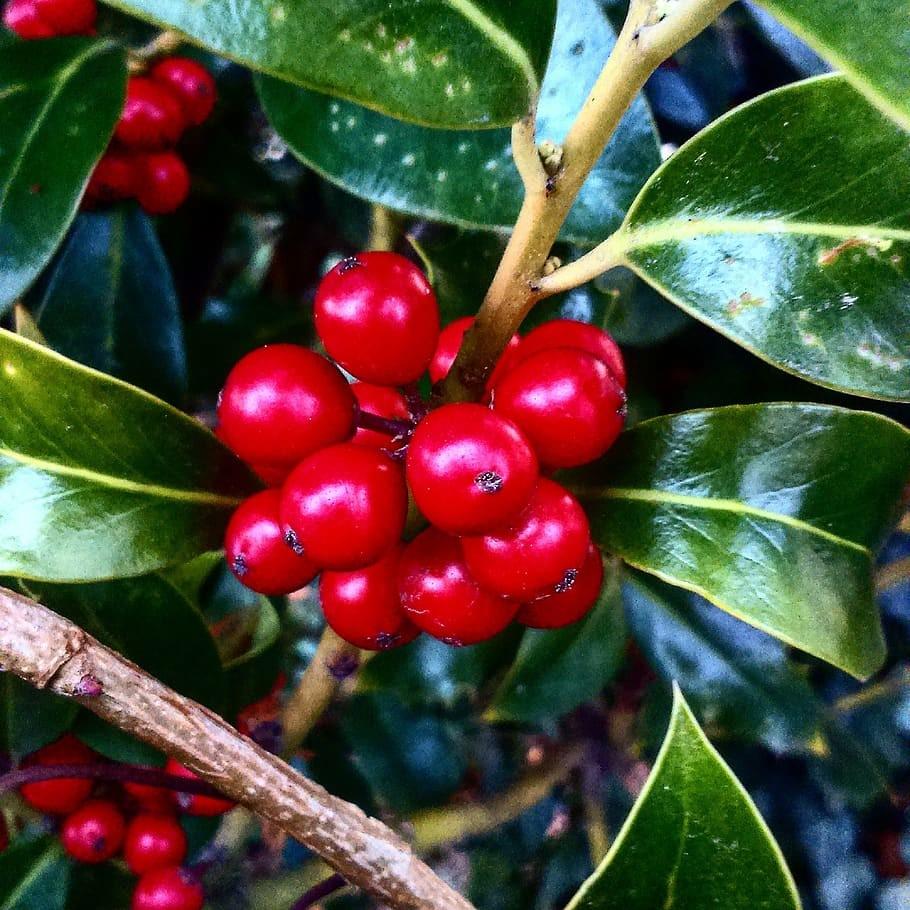
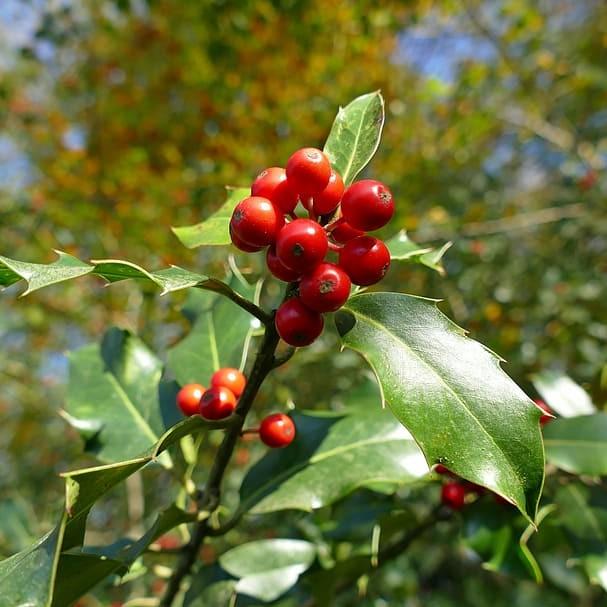
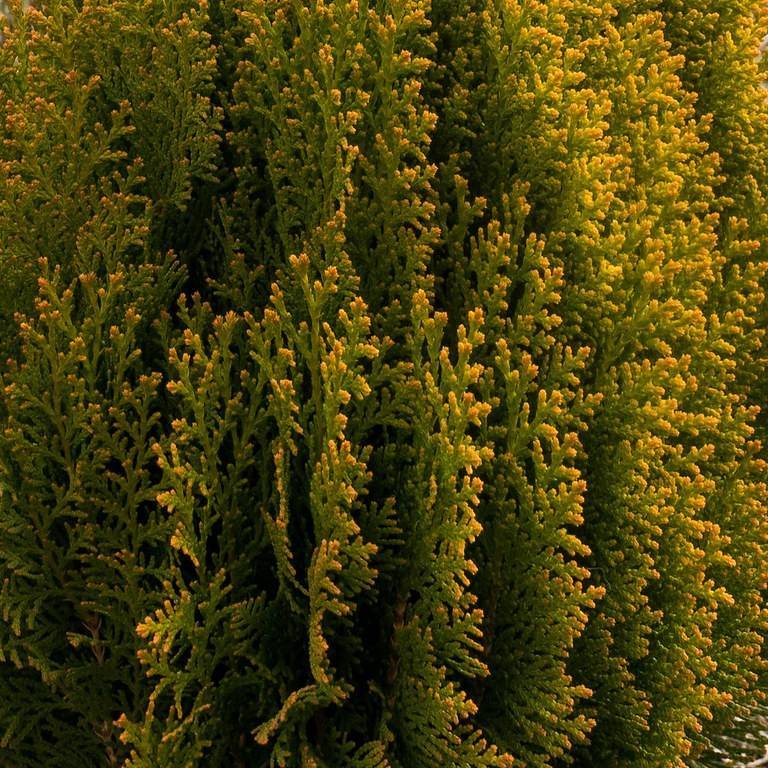
Golden Privet is a variegated cultivar of Japanese privet, distinguished by its bright yellow-gold leaf margins that hold their color year-round in mild climates. It is a popular landscaping choice for its tolerance of heavy pruning, air pollution, and poor soil, making it ideal for urban and suburban settings. It produces small, fragrant white flowers in late spring, followed by dark purple-black berries that persist into winter, serving as a food source for birds.
Care Guide
Watering
Water newly planted golden privet deeply once or twice weekly for the first growing season to establish a strong root system, keeping soil consistently moist but not waterlogged. Mature plants are highly drought-tolerant, requiring supplemental watering only during extended periods of extreme heat or dryness. Avoid overwatering, as soggy soil can lead to root rot and fungal disease.
Light
Thrives in full sun to partial shade, with brightest, most vibrant golden foliage color achieved when grown in at least 6 hours of direct sunlight daily. Plants grown in heavy shade will produce more green foliage, lose their variegation, and develop a sparse, leggy growth habit. In very hot, arid climates, light afternoon shade can prevent leaf scorch during the peak of summer.
Soil
Adaptable to a wide range of soil types, including clay, loam, sand, and alkaline or acidic soils, as long as the site has good drainage. It tolerates occasional wet soil and compacted ground better than many landscape shrubs, making it suitable for roadside and parking lot plantings. For optimal growth, amend heavy clay or sandy soil with organic matter such as compost at planting time to improve structure and nutrient content.
Fertilizer
Feed established golden privet once annually in early spring with a balanced, slow-release granular fertilizer formulated for woody shrubs, applied around the base of the plant and watered in thoroughly. Young, actively growing plants benefit from a second light application of fertilizer in early summer to support vigorous foliage production. Avoid fertilizing after mid-summer, as this can stimulate tender new growth that is vulnerable to damage from early fall frost.
Temperature
Hardy in USDA zones 5 through 8, tolerating winter temperatures as low as -10°F (-23°C) without significant damage when planted in a sheltered location. In the colder end of its range, winter browning of foliage may occur, which can be pruned away in early spring to encourage new, healthy growth. It tolerates high summer temperatures up to 100°F (38°C) well, as long as it receives adequate moisture during extreme heat events.
Pruning
Responds extremely well to heavy pruning, and formal hedges are typically clipped 2 to 3 times per growing season from spring through mid-summer to maintain a neat, dense shape. Avoid pruning after late summer, as new growth produced late in the season may be damaged by upcoming winter cold. For informal plantings, prune only once yearly in early spring to remove dead, damaged, or crossing branches and control overall size.
Propagation
Most commonly propagated via semi-hardwood cuttings taken in mid to late summer, using 4-6 inch (10-15 cm) stem sections with healthy foliage, dipped in rooting hormone and placed in moist, well-draining potting mix under indirect light. Cuttings typically root within 4 to 6 weeks, and can be transplanted to their permanent location the following spring. It can also be grown from seed, but seeds will not come true to the golden variegated cultivar, so this method is rarely used for named varieties.
Humidity
Adaptable to a wide range of humidity levels, thriving in both the moderate humidity of temperate regions and the drier air of arid climates. High humidity levels can increase the risk of foliar fungal diseases, so ensure plants have adequate spacing for air circulation, especially in humid, rainy regions. No extra humidity is required for outdoor plants, and it tolerates dry indoor air well if grown as a large container houseplant.
Repotting
If grown in containers, repot golden privet every 2 to 3 years in early spring before new growth emerges, moving to a pot one size larger with fresh, well-draining potting mix. For mature container plants that you wish to keep at a smaller size, root prune annually by trimming 1-2 inches (2.5-5 cm) from the root ball and repotting back into the same container with fresh soil. Ensure containers have multiple drainage holes to prevent water buildup and root rot.
Uses & Symbolism
Primarily planted as a fast-growing formal or informal hedge, privacy screen, or windbreak, valued for its dense foliage and tolerance of repeated clipping. It is also used as a standalone landscape accent shrub, planted in foundation plantings, or grown in large containers for patio or entryway decoration. While its berries are toxic to humans and pets, they provide an important winter food source for a variety of wild bird species.
Diseases & Pests
Common pests include aphids, scale insects, spider mites, and privet thrips, which feed on foliage and can cause discoloration, leaf drop, and stunted growth if left untreated. Fungal diseases such as leaf spot, powdery mildew, and root rot can occur in poorly drained, overly moist soil or when plants are overcrowded with poor air circulation. Honey fungus is a serious, often fatal disease that affects privet in regions with warm, wet soil, causing yellowing foliage, dieback, and white fungal growth under the bark.
Related plants
Other plants you might like if you grow Golden Privet.