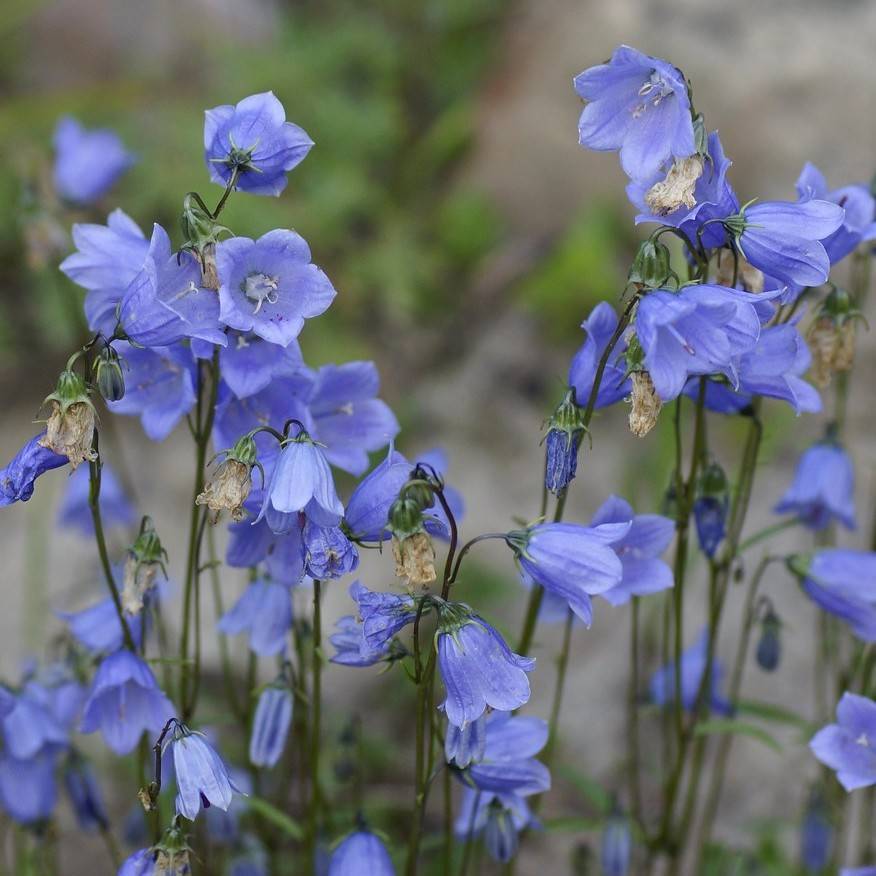
Ear Leaved Bellflower
Campanula cochleariifolia
Overview
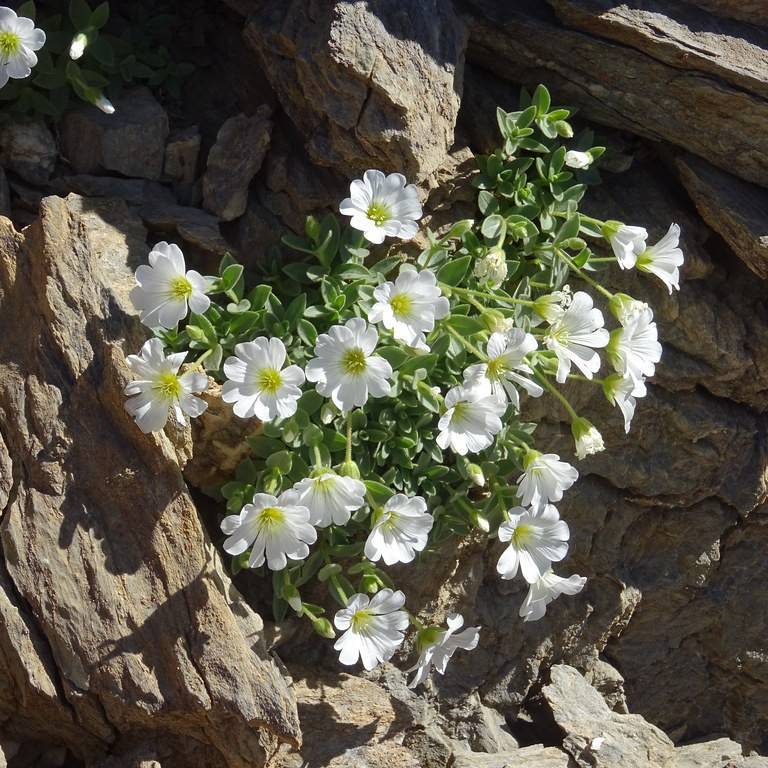
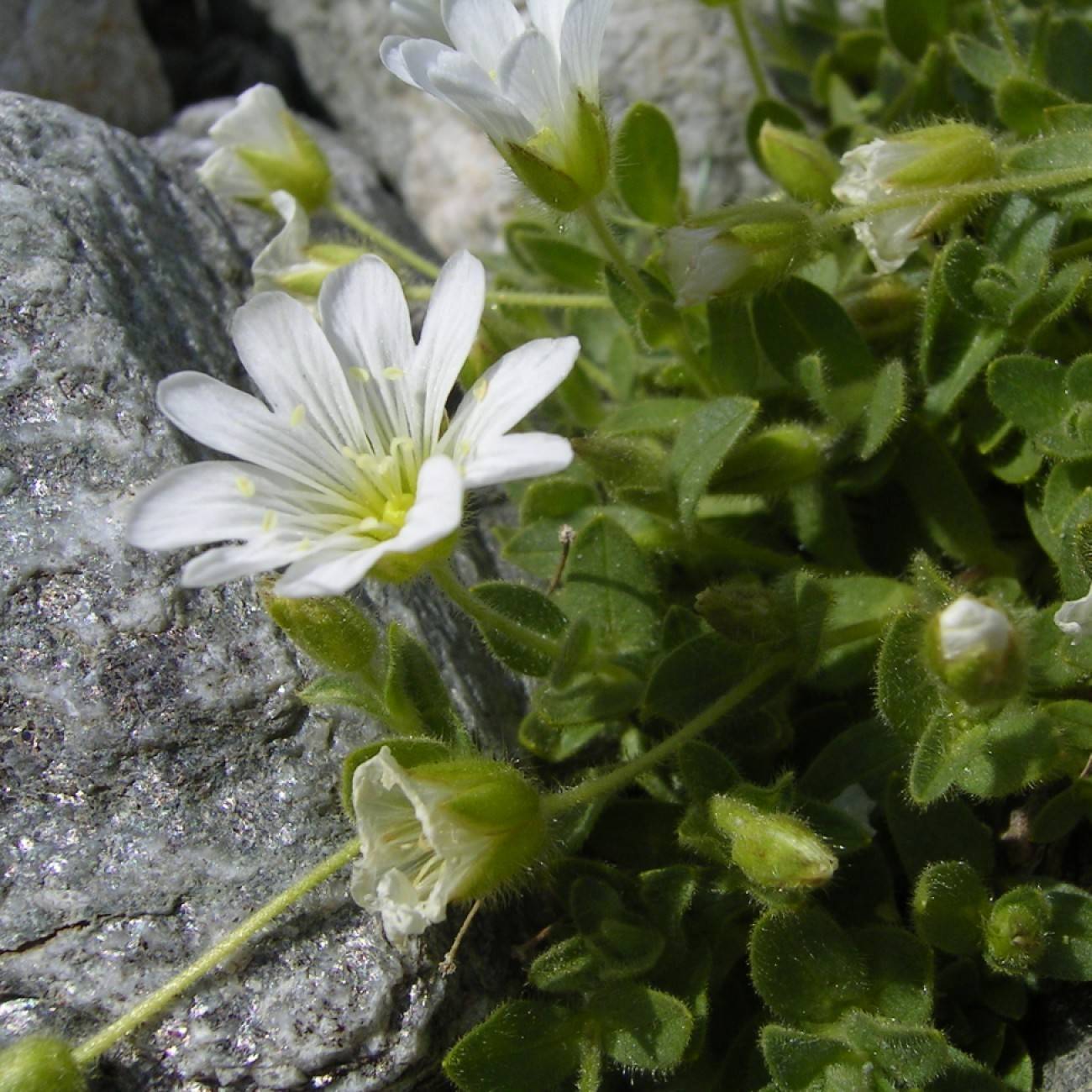
Ear leaved bellflower, also called fairy thimble, is a compact alpine plant named for its small, rounded, ear-shaped basal leaves. It produces abundant, nodding, bell-shaped flowers in soft shades of pale blue, lavender, or white from early to mid summer, held just above its dense foliage mat. Naturally adapted to rocky, mountainous habitats, it thrives in cool, well-drained conditions and is a popular choice for rock gardens, crevices, alpine troughs, and trailing over wall edges.
Care Guide
Watering
Water regularly during the growing season to keep the soil evenly moist but never waterlogged, as soggy roots quickly lead to rot. Reduce watering frequency in fall and winter, allowing the top inch of soil to dry out between sessions to accommodate the plant’s dormant period. Avoid overhead watering if possible to minimize moisture buildup on foliage, which can encourage fungal disease.
Light
Grow ear leaved bellflower in full sun to partial shade, with dappled afternoon shade recommended in regions with hot, intense summer sun to prevent leaf scorch. When grown indoors, place it in a bright south or west-facing window that receives at least 4-6 hours of direct or bright indirect light daily to support healthy blooming. Insufficient light will lead to sparse foliage and reduced flower production.
Soil
Plant in light, well-drained, gravelly or sandy loam soil with a neutral to slightly alkaline pH, mimicking its native alpine rocky habitat. Amending heavy garden soil with coarse sand, perlite, or crushed limestone will improve drainage and adjust pH to meet the plant’s needs. For container growth, use a specialized alpine potting mix with added grit to ensure excess water drains quickly.
Fertilizer
Feed sparingly once a year in early spring with a balanced, slow-release fertilizer diluted to half the recommended strength, as overfertilization causes leggy growth and reduced flowering. Avoid high-nitrogen fertilizers, which promote excessive foliage growth at the expense of blooms. No additional fertilization is needed during the summer or dormant winter months.
Temperature
Thrives in cool temperatures between 50-75°F (10-24°C) during the growing season, and is hardy to USDA zones 3-8, tolerating winter temperatures as low as -40°F (-40°C) when planted in well-drained soil. In regions with hot, humid summers, provide extra shade and airflow to prevent heat stress, as the plant struggles with prolonged temperatures above 85°F (29°C). Winter protection is rarely needed for outdoor plants, though potted specimens should be moved to a sheltered, cool location if temperatures drop well below freezing for extended periods.
Pruning
Deadhead spent flower stems regularly throughout the blooming period to encourage a second flush of flowers and maintain a neat, compact growth habit. After flowering ends in late summer, cut back any straggly or overgrown foliage to neaten the mat and promote fresh, dense leaf growth. No heavy pruning is required, as the plant naturally maintains a low, spreading form.
Propagation
Easily propagated by division in early spring or after flowering ends, by gently separating small sections of the rooted mat and replanting them in prepared soil. It can also be grown from seed sown directly outdoors in fall or started indoors in cold frames in late winter, with germination occurring within 2-4 weeks under cool, moist conditions. Softwood cuttings taken from new growth in spring also root reliably when planted in gritty, moist potting mix.
Humidity
Prefers moderate humidity levels between 40-60%, typical of its native mountain environments, and tolerates dry air better than overly humid conditions. In regions with high summer humidity, ensure ample airflow around the plant to prevent fungal growth on foliage and roots. Misting is not required, and excess moisture on leaves should be avoided to reduce disease risk.
Repotting
Potted specimens only need repotting every 2-3 years, or when they outgrow their container and roots begin to drain through the bottom holes. Repot in early spring before new growth emerges, using a slightly larger pot with fresh alpine potting mix amended with extra grit for drainage. Avoid planting in overly large containers, as excess soil can hold too much moisture and lead to root rot.
Uses & Symbolism
Ear leaved bellflower is widely used in rock gardens, alpine troughs, wall crevices, and as a low-growing ground cover for sunny, well-drained garden spots, where its trailing habit and delicate blooms add soft color and texture. It is also suitable for container growing on patios and windowsills, and makes a charming addition to cut flower arrangements for small bouquets. Historically, some European herbal traditions used the plant in mild tonics, though it has no widespread modern medicinal applications.
Diseases & Pests
The most common issues affecting ear leaved bellflower are root rot and fungal leaf spots, caused by overwatering, poor drainage, or prolonged high humidity. Aphids and slugs may occasionally feed on young foliage and tender flower buds, especially in damp, shaded conditions. Providing well-drained soil, ample airflow, and avoiding excess moisture on foliage will prevent most disease and pest problems.
Related plants
Other plants you might like if you grow Ear Leaved Bellflower.